Can I Stain Particle Board? Unlocking the Secrets!
Yes, you can stain particle board, but results may vary. Proper preparation is key for achieving a good finish.
Particle board is a popular material for furniture and cabinetry due to its affordability and versatility. Many homeowners wonder if they can stain it to enhance its appearance. Unlike solid wood, particle board is made from compressed wood particles and resin, making it less absorbent.
This can lead to uneven staining if not done correctly. To achieve the best results, start by sanding the surface to create texture. Using a suitable primer can also help the stain adhere better. Understanding these factors will enable you to transform your particle board items effectively, giving them a fresh, appealing look.
Introduction To Particle Board
Particle board is a type of engineered wood made from small wood particles. These particles are bonded together using adhesives and heat. It is commonly used in furniture and cabinetry.
Common uses of particle board include making shelves, tables, and cabinets. Many people choose particle board for its cost-effectiveness. It can be found in many homes due to its affordability.
| Common Uses | Advantages |
|---|---|
| Furniture | Cost-effective and lightweight |
| Cabinets | Easy to shape and finish |
| Flooring | Good insulation properties |
The Basics Of Staining
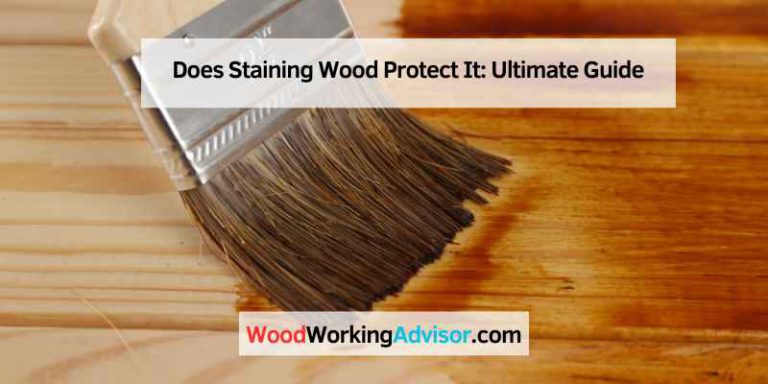
Staining wood enhances its natural beauty and protects it from damage. A good stain can highlight the grain and color of the wood. It also helps to seal the surface, making it more durable.
Choosing the right stain for particle board is crucial. Not all stains work well with this material. Look for water-based stains for best results. They are easier to apply and clean up.
Oil-based stains can also be effective. They often provide a richer color but require longer drying times. Always test the stain on a small area first to see how it looks.
Preparation Steps
Cleaning the surface is important for staining particle board. Use a soft cloth to remove dust. Make sure there is no grease or dirt on the surface. A clean surface helps the stain stick better.
Sanding is a crucial step before staining. Use fine-grit sandpaper to smooth the surface. Sanding helps to open up the wood pores. This allows the stain to penetrate deeply. Always sand in the direction of the grain. Wipe away dust after sanding to prepare for staining.
Applying Primer: A Must-do
Priming particle board is important for a great finish. It helps the stain stick better and reduces blotching. A good primer also seals the surface, keeping moisture out.
Choose a primer designed for wood surfaces. Look for options labeled as oil-based or water-based. These types offer good adhesion and durability.
Using the right primer can save time and money. It ensures a smooth application and enhances the color of the stain. Always test the primer on a small area first.
Staining Techniques
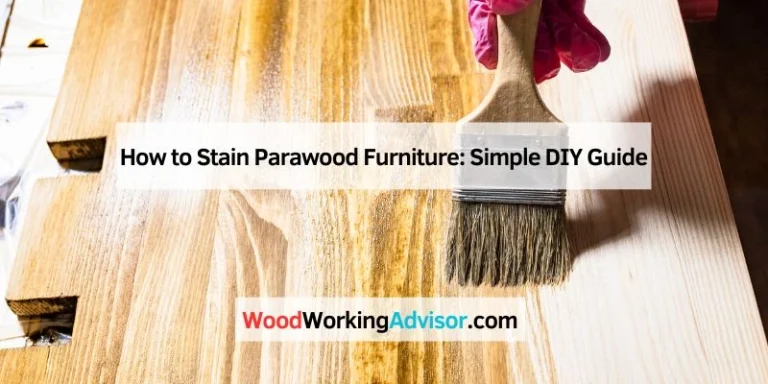
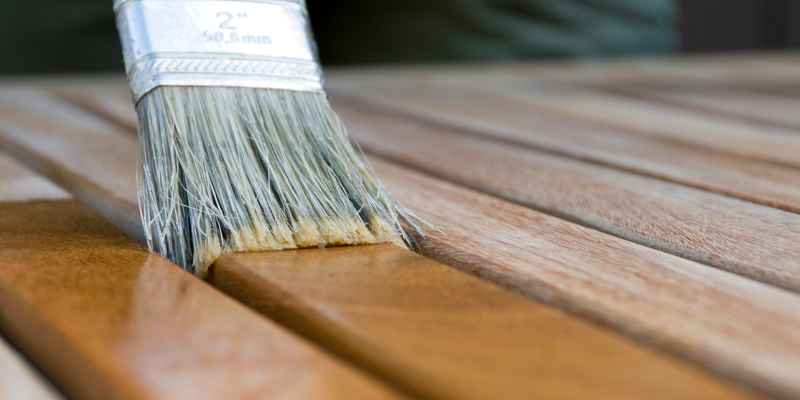
Staining particle board can be tricky. Brush and rag methods offer different results. A brush can cover large areas quickly. It applies stain evenly, but may leave streaks. Use a high-quality brush for the best finish.
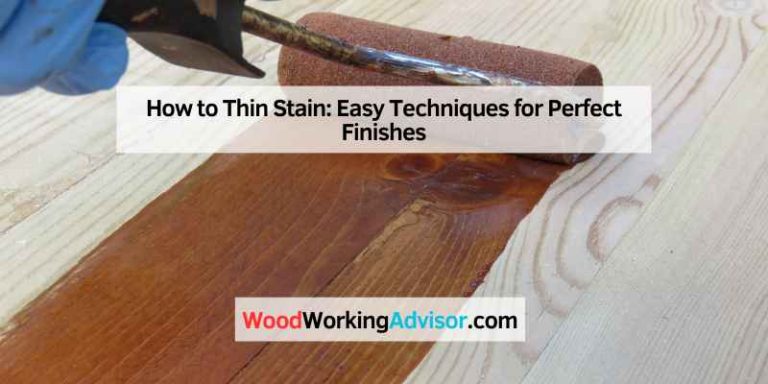
A rag allows for more control. It works well for detailed areas. This method helps prevent excess stain from pooling. Rags also absorb excess liquid, keeping the surface clean.
For even application, always test the stain first. Try both methods on a small area. This helps find which method you prefer. Remember, patience leads to a better finish.
Sealing For Durability
Sealing particle board helps improve its strength and lifespan. Sealants are crucial for this process. Different types of sealants work best for particle board.
| Type of Sealant | Description |
|---|---|
| Polyurethane | Offers strong protection and is water-resistant. |
| Varnish | Creates a hard, protective layer on the surface. |
| Shellac | Provides a natural finish and is easy to apply. |
| Epoxy | Forms a tough barrier against moisture and damage. |
For long-lasting protection, proper application is key. Clean the surface before sealing. Use a brush or roller for even coverage. Apply multiple coats for better durability. Allow each coat to dry completely. This ensures a strong bond and effective sealing.
Creative Ideas And Tips
Staining particle board can be a fun project. It allows for a personal touch in your home. Start with a good quality primer. This helps the stain adhere better.
Choose a stain color that matches your decor. Mixing stain and paint can create unique looks. For example, use a dark stain with a bright paint. This combination adds depth and character.
Testing your stain on a small area is wise. This ensures you like the result. Use a foam brush for even application. Wipe off excess stain with a clean cloth.
| Material | Best Stain Type |
|---|---|
| Particle Board | Oil-Based Stain |
| Wood Furniture | Water-Based Stain |
| Cabinets | Gel Stain |
Maintenance And Care
Routine cleaning helps keep particle board looking good. Use a soft cloth or a microfiber cloth. Avoid harsh chemicals that can damage the surface. A mix of warm water and mild soap works well. Wipe gently to remove dirt and dust.
Reapplying stain and sealant is important for protection. Check the surface every year for wear. If the finish looks dull or faded, it’s time to reapply. Lightly sand the surface before applying a new coat. This helps the stain stick better. Follow the manufacturer’s instructions for the best results.
Frequently Asked Questions
Can You Stain Particle Board Effectively?
Yes, you can stain particle board, but it requires proper preparation. Start by sanding the surface to smooth out any rough spots. Use a wood conditioner to help the stain absorb evenly. Choose a high-quality stain for the best results, and apply it with a brush or cloth.
What Type Of Stain Works Best On Particle Board?
Oil-based stains are generally recommended for particle board. They penetrate the surface better than water-based stains. However, ensure the board is sealed properly to prevent moisture absorption. Test the stain on a small area first to check for the desired color and finish.
How Do You Prepare Particle Board For Staining?
To prepare particle board for staining, begin by sanding the surface lightly. Remove all dust and debris with a damp cloth. Apply a wood conditioner to enhance stain absorption. Ensure the board is dry before applying any stain to achieve an even finish.
Is It Necessary To Seal Stained Particle Board?
Yes, sealing stained particle board is essential for durability. A protective sealant will prevent moisture damage and prolong the life of the stain. Use a clear polyurethane or varnish for the best results. Ensure the stain is completely dry before applying the sealant.
Conclusion
Staining particle board is possible, but it requires careful preparation. Use a suitable primer to enhance adhesion and prevent damage. Choose the right stain to achieve your desired look. With the right techniques, you can transform your particle board projects beautifully.
Enjoy your DIY journey and embrace creativity in your space!