How to Remove Water Stains from Wood With an Iron (No Steam)
A dry iron on its lowest heat setting lifts white water rings from wood finish by evaporating trapped moisture — but a steam setting adds more water and makes the stain worse, not better. Skipping the cloth barrier or holding the iron still for more than a few seconds can scorch the finish permanently. This guide covers the exact dry-heat technique, why dark rings need a different fix than white ones, and how to avoid burning your table.
Insert your Affiliate Disclosure reusable block here
Quick Answer
Set a clothes iron to its lowest setting with no water and no steam, lay a clean white cotton cloth over the white ring, and press for 5 seconds at a time in small circles, checking after each pass. Most white rings fade within 2–5 minutes. Dark, penetrated stains won’t respond to ironing — they need sanding or oxalic acid bleach instead.
What You Need
Best Dedicated Iron Pick
BLACK+DECKER Classic Steam Iron – $34.99
An 8-position temperature dial with a true OFF setting makes it easy to run this iron dry for the low-heat, no-steam pass this guide covers — without risking your everyday clothes iron on a furniture repair.
- Best for: a dedicated furniture-safe iron kept separate from laundry duty
- Why we picked it: dial goes fully to OFF/dry, matching the no-steam technique above
- Main drawback: aluminum soleplate needs a barrier cloth — never rest it directly on wood
Compare more iron & cloth options
 Option 1 BLACK+DECKER Professional Steam Iron – $33.88
|
 Option 2 White Cotton T-Shirt Rags (4lb) – $27.53
|
 Option 3 BLACK+DECKER Vitessa Steam Iron – $35.99
|
As an Amazon Associate we earn from qualifying purchases.
- A clean, white, 100% cotton cloth (an old t-shirt with no print or dye works — colored or synthetic fabric can transfer dye or melt onto the wood)
- A clothes iron with a dry setting and the water reservoir emptied
- A soft dry cloth for wiping the surface before you start
- Furniture polish or paste wax for after the treatment
Skip the steam function entirely for this job. A steam iron forces additional moisture into the finish, which is the opposite of what a water-damaged surface needs — stained wood is especially sensitive to extra moisture while it’s still trying to release what’s already trapped.
What Causes a White Water Ring on Wood?
A white water ring is moisture trapped between the wood’s protective finish and the wood itself, not moisture that has soaked into the wood grain. It happens when a wet glass, mug, or damp object sits on a finished surface long enough for water vapor to work into microscopic gaps in the topcoat. Because the trapped moisture sits in the finish layer, it can often be drawn back out with gentle, even heat — which is exactly what the iron-and-cloth method does.

How to Remove Water Stains from Wood with an Iron: Step-by-Step
- Clean and dry the surface: Wipe the stained area with a dry cloth to remove dust and grit before applying any heat.
- Empty the iron and set it to the lowest dry setting: Pour out any water in the reservoir and turn the steam dial fully off — steam adds moisture, which works against this repair.
- Test on a hidden spot first: Try the technique on the underside of the piece or a hidden edge to confirm the finish tolerates heat before working on the visible ring.
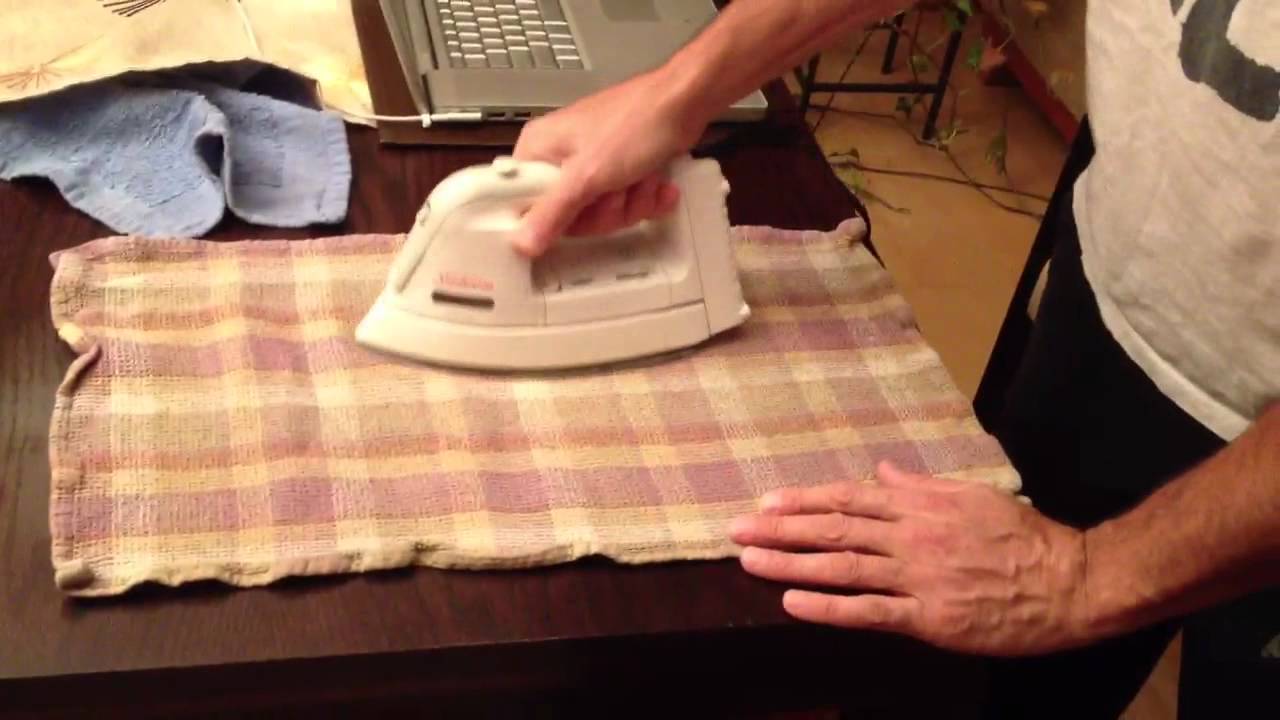
- Lay a clean white cotton cloth over the ring: The cloth protects the finish from direct contact with the hot soleplate and stops any drips or debris from marking the wood.
- Press for about 5 seconds, moving in small circles: Keep the iron moving at all times — holding it still, even briefly, is what causes scorching.
- Lift the cloth and check the ring every pass: Most white rings noticeably fade within 2–5 minutes of repeated 5-second passes. Stop as soon as the ring is gone.
- Let the wood cool between longer sessions: If a stain is stubborn, stop after 2–3 minutes of passes and let the surface cool for about 5 minutes before trying again.
- Polish once the ring is gone: Apply a small amount of furniture polish or paste wax with a soft cloth to restore shine and reseal the surface.
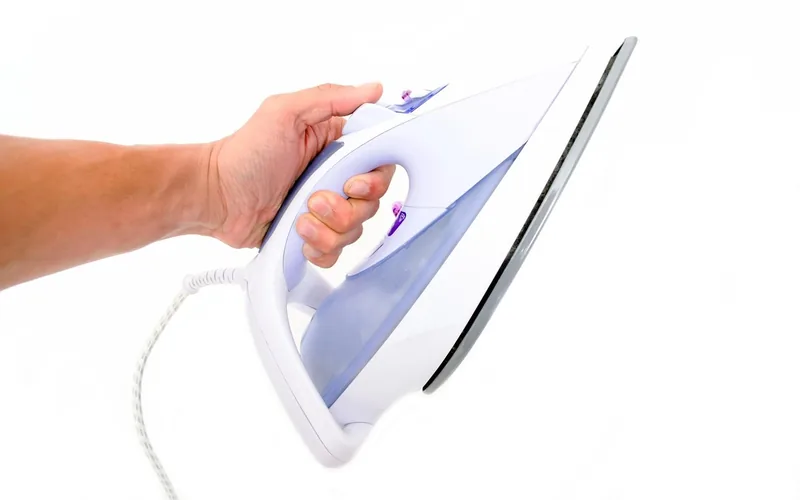
📊 A typical iron’s cotton/linen setting runs roughly 180–220°C (356–428°F) — far hotter than wood finish can safely handle directly, which is why this technique depends on staying on the iron’s lowest dry setting and never letting it sit still. Source: Rowenta, Ironing Basics: Temperature Settings
White Rings vs. Dark Stains: Why the Iron Trick Doesn’t Always Work
The iron-and-cloth method only works on white or cloudy rings, where moisture is trapped in the finish. A dark brown or black stain means water has penetrated past the finish into the wood fibers and reacted with natural tannins — heat won’t pull that back out, and pressing a hot iron on a dark stain risks scorching wood that’s already compromised.
| Stain Type | What’s Happening | Fix That Actually Works |
|---|---|---|
| White / cloudy ring | Moisture trapped in the finish layer only | Dry iron + cloth, or mayonnaise/toothpaste method |
| Dark brown / black ring | Water penetrated the finish and stained the wood grain | Oxalic acid (wood bleach), then sand and refinish |
| Fresh spill, still damp | Moisture hasn’t fully set into the finish yet | Blot dry immediately, then use the iron method if a ring forms |
If ironing doesn’t fully clear a stubborn white ring, or if you’re dealing with a dark stain instead, see our full breakdown of water stain fixes for a wood table for mayonnaise, toothpaste, and refinishing options, or check how to get rings out of wood for a wider comparison of removal methods by ring type.
Common Mistakes That Scorch the Wood
- Using steam: Steam adds moisture instead of removing it — always dry-iron only.
- Holding the iron still: Even a few extra seconds without movement can scorch the cloth and the finish underneath. Keep it moving in small circles the entire time.
- Skipping the cloth barrier: The soleplate should never touch bare wood directly.
- Using a colored or printed cloth: Dye or ink from a patterned cloth can transfer onto the wood under heat — use plain white cotton only.
- Ironing a dark stain expecting the same result: Dark stains need sanding and bleaching, not heat — see the comparison table above.
- Rushing the process: Long, uninterrupted heat is what causes damage. Short 5-second passes with frequent checks are what make this method safe.
Alternative Methods If Ironing Doesn’t Work
If a white ring is still visible after several rounds of ironing, a few household alternatives can finish the job. Mayonnaise or plain white (non-gel) toothpaste both work by a different mechanism — oils or mild abrasion rather than heat — so they’re worth trying without any risk of scorching. Apply a small amount, let it sit for several minutes to overnight, then wipe clean and polish. A vinegar-and-olive-oil mix (equal parts) is another option: the mild acidity helps break down residue while the oil restores shine.
Frequently Asked Questions
Do you use a steam iron or a dry iron to remove water stains from wood?
Use a dry iron with the water reservoir emptied and the steam function switched off. Steam adds more moisture to a surface that’s already trying to release trapped water, which can make a white ring worse instead of better.
How long does it take to remove a water ring with an iron?
Most fresh white rings visibly fade within 2 to 5 minutes of repeated 5-second passes with the iron moving continuously. Older or deeper rings can take multiple sessions with cooling breaks in between.
Will ironing remove dark water stains from wood?
No. Dark stains mean water has penetrated the finish and reacted with the wood itself, and heat won’t reverse that. Dark stains typically need oxalic acid wood bleach followed by sanding and refinishing.
Can the iron method damage or scorch the wood?
Yes, if the iron is left in one spot too long, used without a cloth barrier, or set above its lowest heat setting. Keeping the iron moving, using a cloth barrier, and testing on a hidden spot first largely eliminates that risk.
What kind of cloth should you put between the iron and the wood?
Use a clean, plain white 100% cotton cloth with no print, dye, or synthetic fibers. Colored or synthetic cloth can transfer dye or melt onto the wood surface under heat.
Conclusion
Removing water stains from wood with an iron comes down to three things: dry heat only, a white cotton cloth barrier, and constant motion. Test on a hidden spot, work in short 5-second passes, and stop the moment the ring fades. For dark, penetrated stains or rings that don’t respond after a few rounds, move on to refinishing-level fixes instead of continuing to apply heat.
Sponsored / affiliate links. As an Amazon Associate I earn from qualifying purchases. I may earn additional commission from eligible campaigns.