Wood Bleach at Home Depot: What’s Actually on the Shelf
Home Depot sells oxalic acid wood brighteners — like Savogran Wood Bleach and Eco Clean Oxalic Acid Powder — not true two-part (A/B) wood bleach, which is the only chemical that actually removes wood’s natural color. Grabbing the wrong bottle means you spot-treat a rust stain instead of lightening the whole board, and you’ve wasted a $10–13 purchase. This guide covers which Home Depot product does what, the safety gear oxalic acid requires, and where to buy genuine two-part bleach when the project calls for it — part of our full wood finishing guide.
Quick Answer
For rust or water-ring stains, buy Savogran Wood Bleach (12 oz, oxalic acid) at Home Depot — mix with hot water, apply, let it sit 15–20 minutes, then neutralize. For dramatically lightening an entire board’s natural color, Home Depot doesn’t carry a true two-part kit — order one online (Zinsser — still sold despite the discontinued rumor — or Daly’s) instead.
What Home Depot Actually Sells (It’s Not What Most People Expect)
Best Two-Part Wood Bleach Pick
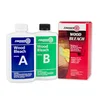
Zinsser Wood Bleach Kit
A complete 2-step A/B kit sized for furniture, trim, and small projects — no separate solutions to source.
- Best for: Lightening dark wood furniture, floors, cabinets, or trim before refinishing
- Why we picked it: Pre-portioned 2-step kit removes the guesswork of separately dosing sodium hydroxide and hydrogen peroxide
- Main drawback: 8 oz kit is small — covers roughly one tabletop or a few small pieces per kit
Compare more wood bleach options
 Option 1 Daly’s Oxalic Acid Crystal Powder Wood Bleach, 1/2 lb
|
 Option 2 ECO LIVING SOLUTIONS Oxalic Acid 12oz
|
 Option 3 Ecoxall Oxalic Acid Powder 1lb
|
As an Amazon Associate we earn from qualifying purchases.
Wood bleach is a chemical that lightens or removes discoloration from wood, and it comes in two chemically unrelated types. Home Depot’s shelves are stocked almost entirely with the first type — oxalic acid brighteners — not the second.
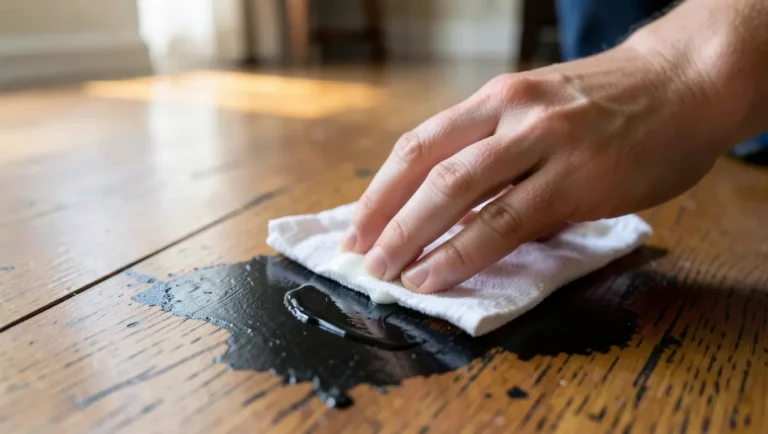
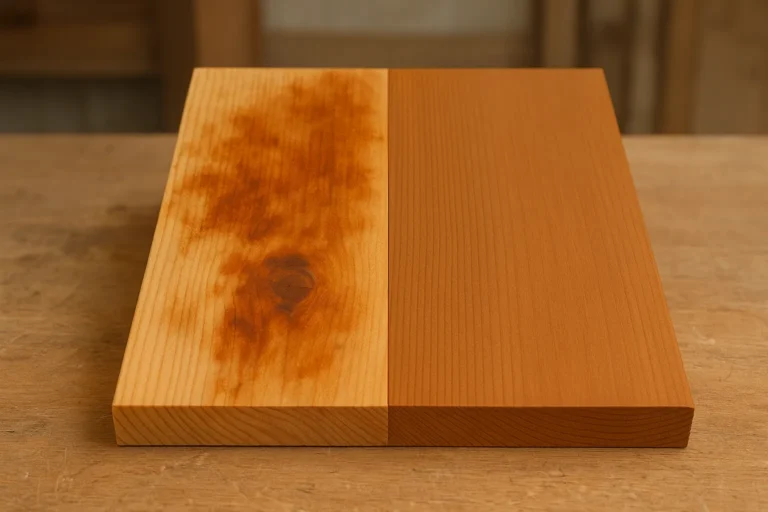
Oxalic acid (sold at Home Depot as Savogran Wood Bleach, ~12 oz for roughly $12–13, or as Eco Clean 99.6% Pure Oxalic Acid Powder) reacts specifically with iron and tannin stains — the black rings left by wet metal, rust marks, and the grey weathering that shows up on outdoor oak and teak. It does not change the wood’s underlying color. If your board looks evenly tanned or you want a lighter overall tone, oxalic acid alone won’t get you there.
The product that actually lightens the wood itself is two-part (A/B) bleach — sodium hydroxide (Solution A) followed by hydrogen peroxide (Solution B). The two react on the wood surface and oxidize the pigments in the lignin, which is the only reliable way to strip a wood’s natural color. Most Home Depot locations do not stock a true two-part kit on the shelf; it’s a special-order or online item from brands like Zinsser or Daly’s.
One product to specifically avoid confusing with either of these: outdoor deck-cleaning bleach (sold in gallon jugs, often labeled “Outdoor Bleach” or similar). That’s diluted sodium hypochlorite — regular chlorine bleach formulated for algae, mold, and mildew on decking and siding. It disinfects and removes surface growth; it does not lighten wood color the way oxalic acid or two-part bleach does, and mixing it with an acid-based product releases toxic chlorine gas.
| Product Type | What It Actually Does | Available at Home Depot? |
|---|---|---|
| Oxalic acid (Savogran, Eco Clean) | Removes rust & water stains, restores weathered outdoor wood | Yes — in-store |
| Two-part A/B bleach (Zinsser, Daly’s) | Lightens the wood’s natural color across the whole board | Rarely — order online |
| Chlorine outdoor/deck bleach | Kills algae, mold & mildew on decking and siding | Yes — not a wood-color product |
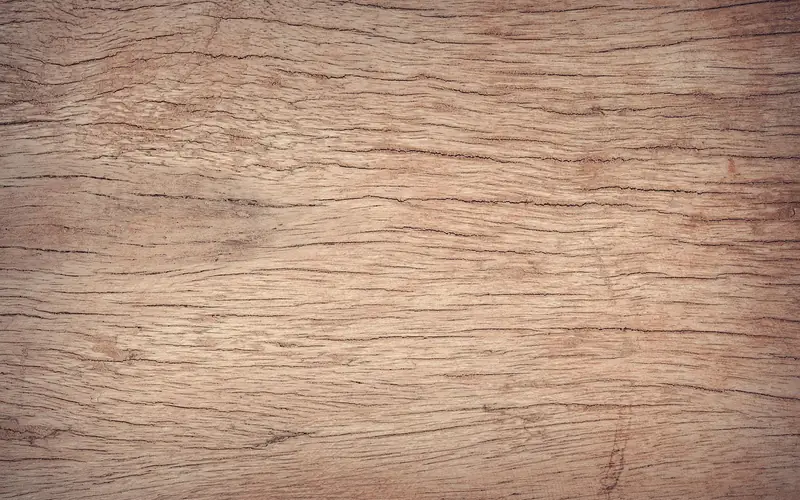
Oxalic Acid vs. Two-Part Bleach: Which One Do You Need?
Match the chemistry to the problem you’re actually looking at, not the aisle you happen to be standing in.
- Use oxalic acid if: you see a black or grey ring from a wet glass, rust from an old nail or bracket, or the silver-grey weathering on an outdoor deck, fence, or teak furniture — the wood’s overall color is otherwise fine.
- Use two-part A/B bleach if: you want to lighten an entire board’s natural tone — for example, taking dark walnut or red oak down to a pale, driftwood-style finish before staining or clear-coating.
- Never use regular household chlorine bleach (Clorox) as a substitute for either. It’s formulated for disinfecting and whitening fabric, not for reacting with wood lignin, and it can leave the surface fuzzy or grey rather than lighter.
If you’re not sure which stain you’re dealing with, our full wood bleach type comparison breaks down all three chemistries side by side with species-specific results.
How to Apply Oxalic Acid Wood Brightener (Step-by-Step)
This is the process for the oxalic acid product Home Depot actually stocks. If you’re using an ordered-in two-part kit instead, see our full wood bleach application guide for the two-solution sequence, which is different.
- Clean and sand the surface: Wipe off dirt and old finish, then sand to bare wood with 120-grit sandpaper so the acid can penetrate evenly.
- Mix the solution: Dissolve oxalic acid crystals in hot water per the package ratio (typically 1 oz per cup of hot water for Savogran) — mix only what you’ll use that session, since the solution loses strength within a few hours.
- Apply with a synthetic brush or sponge: Work in the direction of the grain, saturating the stained area evenly. Avoid metal containers or tools — oxalic acid corrodes metal.
- Let it dwell 15–20 minutes: Watch the stain fade. Reapply to stubborn spots rather than scrubbing, which can raise the grain unevenly.
- Rinse and neutralize: Flush with clean water, then neutralize any residual acid with a diluted baking-soda-and-water wash — skipping this step leaves crystals in the wood that can interfere with stain or finish adhesion later. Our neutralizing guide covers the same wash-and-rinse process in more detail.
- Let the wood dry fully (24 hours) before sanding or finishing. Wood that looks dry on the surface can still be damp inside from the water-based mix.
Once the wood is dry and neutralized, a satin topcoat is a common next step for interior furniture — see our guide on satin wood finishes for how that changes the final look.
Safety Gear You Actually Need
Oxalic acid is toxic if inhaled as dust or absorbed through broken skin, and it’s still an acid even in diluted form.
- Nitrile or chemical-resistant rubber gloves — a box of disposable nitrile gloves runs about $8 at Home Depot and is enough for most single-day projects.
- Safety goggles — not just glasses; splashes happen while mixing crystals into hot water.
- A dust mask or respirator when handling the dry powder before it’s mixed — airborne oxalic acid dust irritates the lungs.
- Long sleeves and full-length pants to keep exposed skin to a minimum.
- Work in a ventilated area — open a garage door or work outdoors rather than in a closed room.
- Keep a bucket of clean water nearby to immediately rinse any skin or eye contact.
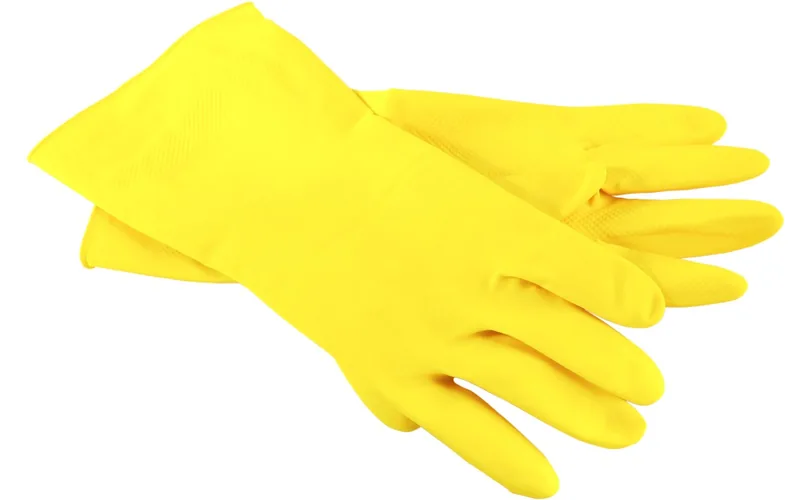
⚠️ Never mix oxalic acid with chlorine bleach. Combining an acid-based wood brightener with chlorine-based products (including the outdoor deck bleach sold in the same paint aisle) releases toxic chlorine gas. Keep the two product types on separate shelves and never combine leftovers in one container.
Common Mistakes to Avoid
- Grabbing outdoor chlorine deck bleach thinking it’s wood bleach. It cleans mold and algae off the surface; it won’t lighten the wood’s color and can leave fibers fuzzy if overused.
- Skipping the neutralizing rinse. Leftover acid crystals in the wood interfere with stain and finish adhesion days or weeks later.
- Using metal buckets or tools. Oxalic acid corrodes metal and contaminates the solution — stick to plastic or glass containers and synthetic brushes.
- Expecting one application to fully lighten dark wood. Oxalic acid only lifts specific stains; if the goal is an all-over lighter tone, you need two-part bleach instead, not a second coat of oxalic acid.
Frequently Asked Questions
Does Home Depot sell wood bleach?
Yes, but usually as an oxalic acid brightener — Savogran Wood Bleach or Eco Clean Oxalic Acid Powder — rather than a true two-part (A/B) bleach kit. Oxalic acid removes rust and water stains but won’t lighten the wood’s overall natural color; for that, order a two-part kit online.
Is wood bleach the same as regular household bleach?
No. Regular household bleach (Clorox) is sodium hypochlorite, made for disinfecting and whitening fabric. It doesn’t react with wood lignin the way oxalic acid or two-part wood bleach does, and it isn’t formulated for furniture or floor refinishing.
Can you mix oxalic acid and chlorine bleach?
No — never combine them. Mixing an acid-based wood brightener with a chlorine-based product releases toxic chlorine gas. Store and use them separately, and never pour leftovers of either into the same container.
How long do you leave wood bleach on the wood?
For oxalic acid, 15–20 minutes is typical before rinsing; reapply to stubborn spots rather than extending the dwell time. Two-part A/B bleach reacts faster — usually 10–15 minutes per application — and can be reapplied once the wood dries if it needs to go lighter still.
What’s the difference between wood bleach and a wood stain remover?
A stain remover (chemical or sanding-based) is meant to strip an existing finish down to bare wood. Wood bleach is applied after that, to the bare wood itself, to remove discoloration or lighten the wood’s own color — the two solve different problems and are often used in sequence.
Knowing which product Home Depot’s shelf actually holds — an oxalic acid brightener, not a full two-part bleach — saves a wasted trip and a wasted $12 bottle. Match the chemistry to the stain in front of you, gear up properly for the acid, and order a true two-part kit online when the goal is lightening the whole board.
Sponsored / affiliate links. As an Amazon Associate I earn from qualifying purchases. I may earn additional commission from eligible campaigns.