Can I Use a Wood Drill Bit on Plastic? Expert Tips Revealed
Yes, you can use a wood drill bit on plastic. However, it may not provide the cleanest cut compared to specialized plastic bits.
Drilling into plastic requires careful consideration of the tools used. While wood drill bits can work, their design isn’t optimal for plastic materials. A wood bit may leave rough edges or create heat, leading to melted plastic. For cleaner results, consider using a drill bit specifically designed for plastic.
These bits have sharper edges and a different geometry, allowing for smoother drilling. Understanding the material and choosing the right tool can make a significant difference in your project’s outcome. This ensures not only efficiency but also a professional-looking finish, making it essential for DIY enthusiasts and professionals alike.
Choosing The Right Drill Bit
Choosing the right drill bit is important for your project. Wood drill bits are designed for soft materials. Using them on plastic can lead to problems.
Plastic can melt or crack if the drill bit is too aggressive. A drill bit made for plastic has a sharper tip. This helps in making clean holes.
| Bit Type | Best For |
|---|---|
| Wood Drill Bit | Softwoods and hardwoods |
| Plastic Drill Bit | All types of plastic |
| Metal Drill Bit | Metals and hard materials |
Choosing the right bit can save time and effort. Always check the material compatibility before starting your work.
Properties Of Plastic Materials
The properties of plastic materials vary widely. Different types of plastics exist, each with unique features. Common plastics include polyethylene, polypropylene, and PVC. Each type has its own strengths and weaknesses.
Heat sensitivity is an important factor. Some plastics can melt or deform at high temperatures. Polyethylene is less heat sensitive, while polystyrene can be more sensitive. Knowing the heat sensitivity helps in choosing the right plastic for your project.
| Type of Plastic | Heat Sensitivity |
|---|---|
| Polyethylene | Low |
| Polypropylene | Moderate |
| Polystyrene | High |
Wood Drill Bits Explained
Wood drill bits are specially designed for drilling into wood. They have a sharp tip and cutting edges. This design helps them create clean holes in wood.
Characteristics of wood bits include:
- Wide flutes for easy chip removal.
- Pointed tips for accurate starts.
- Available in various sizes for different projects.
Using wood drill bits on plastic can be tricky. They may not cut through plastic well. Plastic can melt due to heat. This can lead to uneven holes.
Limitations for non-wood materials include:
- Not designed for hard surfaces.
- May cause damage to plastic.
- Can wear out quickly on tough materials.
Pros And Cons Of Using Wood Bits On Plastic
Using wood drill bits on plastic has some benefits. They can create clean holes. Wood bits tend to be sharper than plastic-specific bits. This allows for faster drilling. Less heat is generated during the process. This is good for preventing melting.
Some drawbacks exist. Wood bits may cause cracking in thin plastic. They can also create rough edges. A wood bit may not be ideal for thicker plastic. The risk of splitting increases with thicker materials.
Consider the type of plastic being drilled. Certain plastics work better with specialized bits. Always test on a scrap piece first.
Preparation Steps Before Drilling
Before drilling, clean the plastic surface thoroughly. Use a soft cloth to remove dust and dirt. This step helps prevent any damage during drilling.
Next, secure the plastic properly. Use a clamp or a vise to hold it steady. This keeps the material from moving while drilling, ensuring a clean hole.
Always choose the right drill bit for the best results. A sharp wood drill bit can work, but be careful. Too much pressure can crack the plastic.
Check the drill speed settings. A slower speed is better for plastic. It reduces heat and minimizes the risk of melting.
Expert Drilling Techniques
Using a wood drill bit on plastic needs careful attention. Drill speed is very important. A slower speed helps to prevent melting the plastic. Aim for about 2000 to 3000 RPM. This range is usually safe for most plastics.
Applying the right pressure is key. Too much pressure can crack the plastic. Light and steady pressure works best. Let the drill bit do the cutting without forcing it. This method will give a clean hole.
| Drill Speed (RPM) | Pressure Level |
|---|---|
| 2000 | Light |
| 2500 | Steady |
| 3000 | Light |
Minimizing Damage To Plastic
To minimize damage to plastic, cooling techniques are essential. Overheating can cause melting or warping. Use a fan or compressed air while drilling to keep the temperature low.
Taking breaks between drilling can also help. This prevents the drill bit from getting too hot. Using water can cool the area, but be cautious about the drill’s electric parts.
After drilling, clean up any plastic shavings. These can be sharp and pose a risk. A soft brush or cloth works well for this task.
Ensure the drilled holes are smooth. This can help prevent cracks or further damage. Sanding the edges lightly will improve the finish.
Alternatives To Wood Drill Bits
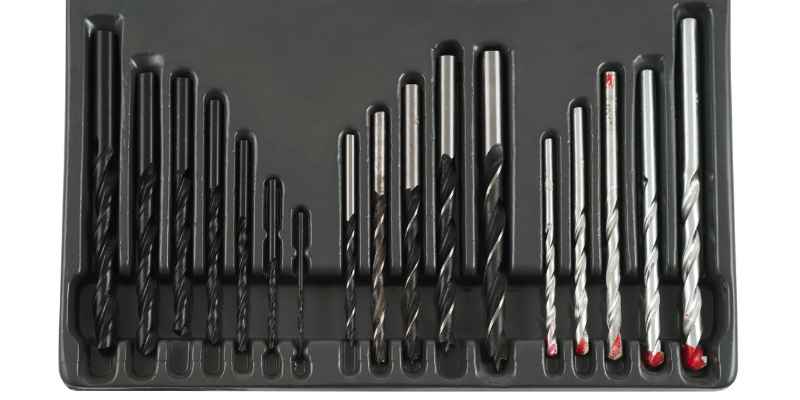
Using specialized plastic drill bits is ideal for drilling into plastic. These bits have a unique design that prevents melting and cracking. They create clean holes without damaging the material.
Multi-purpose drill bits can also work well on plastic. These bits are versatile and can handle different materials, including wood and metal. Make sure to choose the right size for your project.
| Type of Drill Bit | Best Use |
|---|---|
| Specialized Plastic Drill Bits | Drilling into plastic without damage |
| Multi-Purpose Drill Bits | General use on various materials |
Frequently Asked Questions
Can Wood Drill Bits Damage Plastic?
Yes, wood drill bits can damage plastic. The aggressive cutting action may cause chipping or cracking. To avoid this, use a slower drill speed. Additionally, consider using a drill bit designed specifically for plastic. This will help achieve cleaner holes without damaging the material.
What Type Of Drill Bit Is Best For Plastic?
The best drill bits for plastic are high-speed steel (HSS) or specialty plastic bits. HSS bits are versatile and effective for various plastics. Specialty bits are designed for cleaner cuts and reduced melting. Choosing the right bit ensures better precision and a smoother finish in your projects.
Can I Use A Regular Drill On Plastic?
Yes, you can use a regular drill on plastic. However, be cautious with speed and pressure. Using too much force can lead to cracks or melting. A slower speed is often more effective. Always ensure the drill bit is sharp to avoid damaging the plastic.
How Do I Prevent Melting When Drilling Plastic?
To prevent melting while drilling plastic, use a slower drill speed. Additionally, apply light pressure to avoid excessive heat buildup. Cooling the area with water or compressed air can help as well. Choosing the right drill bit is crucial for a clean, melt-free hole.
Conclusion
Using a wood drill bit on plastic can yield good results, but it requires caution. Always choose the right speed and technique to prevent damage. Experimenting with different bits may enhance your project’s outcome. Ensure safety measures are in place.
With the right approach, drilling plastic can be both easy and effective.