How to Hang Lights on a Concrete Wall Without Drilling
You can hang lights on a concrete wall without drilling using heavy-duty adhesive strips, masonry-rated hooks, or mounting tape — the key is picking one rated for rough, porous surfaces, since standard Command strips are made for smooth walls.
Here’s what actually holds on bare or painted concrete, and how to prep the surface so it doesn’t peel.
Tools And Materials
BEST NO-DRILL MOUNT FOR CONCRETE
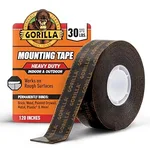 |
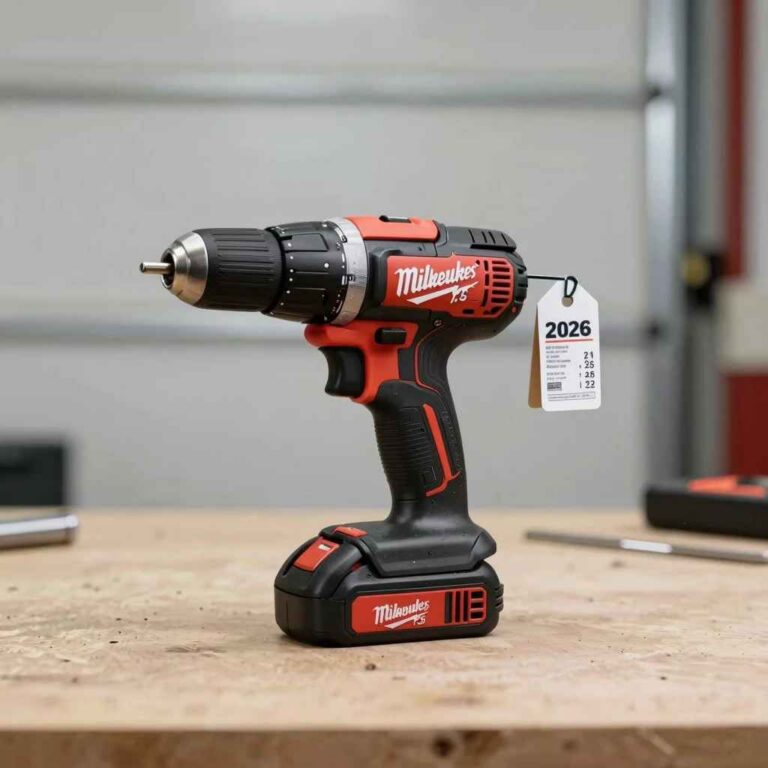
Gorilla Heavy Duty Mounting Tape (1in x 120in) – $9.79 Rated for rough surfaces like brick and concrete, not just smooth drywall — where most adhesive strips fail on masonry.
|
Three no-drill options actually hold on concrete, and each fits a different job. Adhesive hooks bond directly to the wall and work best for lightweight string lights that just need a few anchor points – the catch is that most hooks sold for this are rated for smooth drywall, not the porous, textured surface of bare or painted concrete, so check the label specifically says masonry or concrete before buying.
Light clips are purpose-built for stringing lights along a continuous run rather than hanging from single points, and the plastic gutter-style clips sold for holiday lighting typically adhere better to rough surfaces than a smooth hook does, since their wider adhesive base spreads the load. Mounting tape is the most versatile of the three – a heavy-duty, rough-surface-rated tape like Gorilla’s masonry tape grips concrete’s texture in a way that thin foam-backed strips can’t, and it’s the option to reach for when hooks and clips aren’t holding.

Credit: m.youtube.com
Preparing The Wall
Surface prep matters more on concrete than almost any other material, since its porous, dusty surface is exactly what causes adhesive failures that wouldn’t happen on smooth drywall or tile.
Cleaning The Surface
Concrete constantly sheds a fine layer of dust called laitance, and adhesive bonds to that dust layer instead of the solid concrete underneath unless you remove it first. Wipe the surface with a stiff brush, then follow with a damp (not soaking) cloth and let it dry fully – a wall that’s still damp will trap moisture under the adhesive and cause it to lift within days rather than weeks.
Check for any loose, flaking paint or crumbling mortar at your planned mounting spots specifically – adhesive holds fine to solid concrete or intact paint, but it will pull an entire flaking paint chip off the wall under load, taking your lights down with it. If a spot looks chalky or flaky, pick a different location rather than trying to patch it just for this project.
Selecting The Hanging Spots
Decide where the lights will look best. Mark these spots with a pencil. Pick spots that are easy to reach. This makes hanging the lights safer. Avoid very high places unless using a ladder.
Think about how the lights will look when turned on. Choose spots that make the room bright. Test the lights before hanging them to see how they shine. This helps in picking the best spots.
Using Adhesive Hooks
Check the rated weight limit on the package and total the actual weight of the light strand you’re hanging per hook – a common mistake is checking the hook’s rating once and then hanging far more lights on it than the spacing was planned for. Confirm the hook is labeled for outdoor use if it’s going anywhere exposed to rain or temperature swings; an indoor-rated adhesive can soften in heat or lose grip in cold in a way an outdoor-rated one is specifically formulated to resist.
After cleaning and drying the wall, press the hook firmly against the surface for a full 30 seconds – a quick tap isn’t enough contact time for the adhesive to key into concrete’s texture the way it does on smooth drywall. Most adhesive-hook manufacturers recommend waiting a full hour before hanging any weight, since the bond continues strengthening after initial contact; hanging lights immediately is a common cause of hooks that seemed solid and then failed within a day.

Credit: utrdecorating.com
Utilizing Light Clips
Plastic gutter-style clips are the standard choice for adhesive mounting on concrete, since their wider flat base gives the adhesive more surface contact than a metal clip’s thinner profile – metal clips are more commonly used with mechanical fasteners on gutters and fascia, not adhesive mounting, so stick with plastic for a no-drill approach.
Space clips every 12-18 inches along the run rather than guessing spacing as you go – measure and mark the full run with a pencil first, since clips placed too far apart let the light strand sag between them, and sag is what puts uneven strain on the adhesive bond at each clip. Press and hold each clip the same 30 seconds as an adhesive hook, working end to end so you can catch and adjust spacing issues before the whole run is committed.
Applying Mounting Tape
Look specifically for mounting tape rated for rough or masonry surfaces – foam-backed tape made for smooth drywall or tile has a thin adhesive layer that doesn’t fill concrete’s surface texture, while a masonry-rated tape like Gorilla’s has a thicker adhesive designed to grip into that texture. For anything mounted outdoors, confirm the tape is rated for temperature swings specifically, since some acrylic adhesives lose tack below freezing and others soften and slide in direct summer sun.
Cut individual 1-to-2-inch tabs rather than one long strip – individual tabs let you adjust or remove one failed section without pulling the whole run down, and they conform to concrete’s uneven surface better than a long strip trying to bridge high and low spots at once. Press each tab firmly for the same 30-second minimum as the other methods, and give the full run a gentle tug test after an hour before considering it done.
Alternative Methods
If the concrete wall has any nearby fixed hardware – a railing, a pipe, an existing fence line – running tensioned wire or cable between two such anchor points and clipping lights to the wire sidesteps the wall entirely, which is genuinely the most secure no-drill option when it’s available, since you’re not relying on adhesive at all. This only works where you actually have two solid anchor points to span, though – it’s not a general substitute for wall-mounted adhesive on a bare concrete face with nothing nearby to tie off to.
Magnetic hooks only work if there’s embedded metal at the surface – exposed rebar, a metal conduit, or a steel frame member – which most finished concrete walls don’t have accessible at the surface. Test with a strong magnet before planning around this method; if nothing grips, the wall doesn’t have exposed metal close enough to the surface for this to be a real option, and adhesive tape or clips are the more realistic route.
Safety Considerations
Ensure safety by using adhesive hooks designed for concrete walls. Avoid overloading hooks to prevent falling lights. Securely attach lights to prevent accidents.
Weight Limits
Add up the actual weight of everything a mounting point will carry – the light strand itself, plus any connectors or extension cords hanging from the same point – and stay meaningfully under the hook or tape’s rated limit rather than right at it, since a rating listed on packaging is typically for a static, evenly distributed load, not the swinging or wind-loaded weight lights see outdoors. When in doubt, add an extra mounting point rather than trusting one hook at its limit.
Weather Resistance
Outdoor-rated lights and outdoor-rated adhesive are two separate things, and both matter: string lights themselves need an IP44 rating or better to handle rain exposure, while the adhesive holding them needs its own weather rating to avoid softening in heat or losing grip in freezing temperatures. A weatherproof light strand mounted with indoor-only tape will still come down in the first hard rain or cold snap – check both labels, not just one.

Credit: utrdecorating.com
Troubleshooting Tips
If adhesive isn’t holding after following the prep steps above, the wall surface itself is the most likely culprit – re-clean the exact failure spot and check specifically for chalky, flaking paint or loose surface material, since adhesive can’t bond to a layer that’s already separating from the wall underneath it. Upgrading to a rated-for-masonry product (rather than just adding more of a product not designed for rough surfaces) solves this more reliably than piling on extra tape of the same kind that already failed. Also avoid mounting in direct summer afternoon sun or in freezing conditions if possible – both extremes reduce most adhesives’ effective grip regardless of brand.
For alignment issues, a laser level or a simple string line stretched between your two end points gives a straighter reference than eyeballing individual clip placement. If a section does come down, don’t just add a second layer of the same tape on top of the failed spot – clean off the old adhesive residue completely first, since old residue prevents a fresh application from making full contact with the wall.
Frequently Asked Questions
How To Hang Things On A Concrete Wall Without Drilling?
Use adhesive hooks or mounting strips for hanging items on concrete walls. Choose strong, weight-appropriate products for best results. Clean the wall surface before application to ensure maximum adhesion. Velcro strips work well for lighter items. For heavier objects, consider using brick clips or masonry nails.
How To Attach Outdoor Lights To A Concrete Wall?
For a no-drill approach, use masonry-rated adhesive hooks, clips, or mounting tape as described above, choosing outdoor-rated products since exterior walls see rain and temperature swings. If the lights are heavier commercial-grade strands or the run is long, drilled masonry anchors are the more secure option and worth considering despite requiring tools, since adhesive has real weight and weather limits that a mechanical anchor doesn’t share.
What Is The Easiest Way To Hang Pictures On Concrete Walls?
Use adhesive hooks or mounting strips for hanging pictures on concrete walls. Clean the surface first for better adhesion. These tools require no drilling and are easy to remove. Make sure to check the weight limit of the hooks or strips to securely hold your pictures.
What Can You Fasten Lights On Cement With?
Fasten lights on cement using concrete screws, anchors, or adhesive hooks. Drill pilot holes first for screws or anchors. Use a strong adhesive for hooks. Ensure the surface is clean and dry before installation for better grip.
Conclusion
The core decision is simple: pick a hook, clip, or tape that’s specifically rated for rough masonry surfaces (not standard Command strips made for smooth drywall), clean and dry the wall thoroughly first, and don’t exceed the rated weight per mounting point. Get those three things right and adhesive mounting holds up as well as most people expect drilled anchors to.
Each option saves time and effort. No need for drills or holes. Choose what fits your needs best. Enjoy a beautifully lit space. Simple, safe, and effective. Happy decorating!
Sponsored / affiliate links. As an Amazon Associate I earn from qualifying purchases. I may earn additional commission from eligible campaigns.