How to Fill Holes in Wood Stairs: Quick & Easy Fixes
To fill holes in wood stairs, use wood filler or epoxy that matches the wood. Apply it with a putty knife, then sand smooth after drying.
Wood stairs can endure significant wear and tear over time, leading to unsightly holes and dents. Repairing these imperfections not only improves aesthetics but also enhances safety. Holes can pose tripping hazards, making timely repairs essential. Fortunately, fixing wood stairs is a straightforward process that anyone can tackle.
With the right materials, such as wood filler or epoxy, and a few simple tools, you can restore your stairs to their former glory. This guide will walk you through the steps to effectively fill holes in wood stairs, ensuring a durable and visually appealing finish. Let’s get started on reviving your stairs!
Introduction To Wood Stair Maintenance
Best Wood Filler Pick
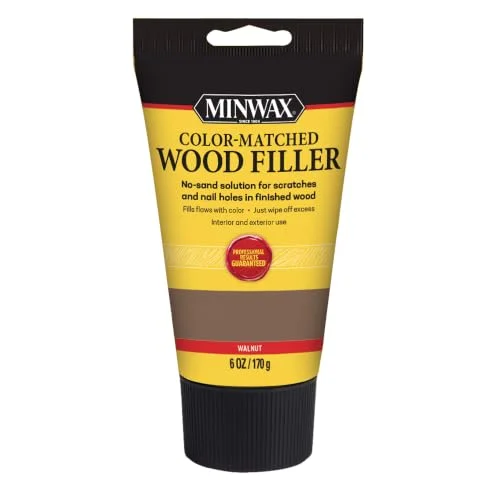
Minwax Color-Matched Wood Filler
Ready-to-use, no-sand-required filler for small cracks, gouges, and nail holes in finished stair treads.
- Best for: small cracks and holes under 1/4 inch on finished wood
- Why we picked it: comes pre-matched to common wood tones, so there’s less staining guesswork
- Main drawback: not structural — don’t use it on deep gouges that need real strength
Compare more stair-repair essentials
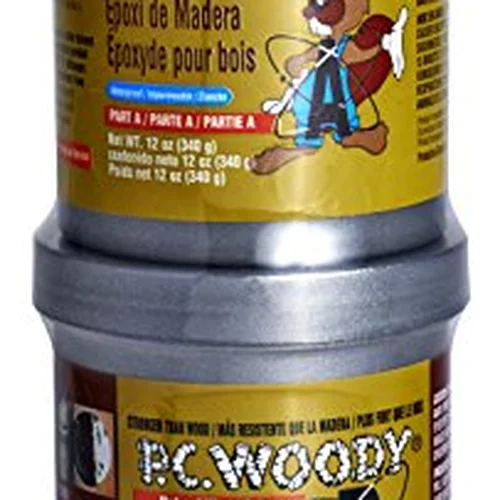 Option 1 PC-Woody 2-Part Epoxy Paste
|
 Option 2 6-Piece Flexible Putty Knife Set
|
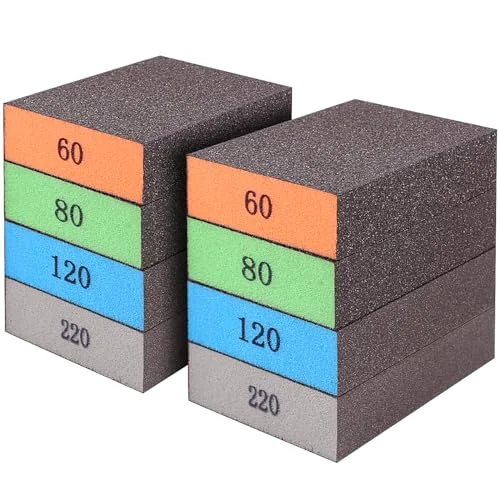 Option 3 Assorted Grit Sanding Sponges
|
As an Amazon Associate we earn from qualifying purchases.
Wood stairs require regular checks to stay safe and beautiful. Inspecting for damage helps avoid serious issues. Small holes can lead to bigger problems over time.
Common issues with wooden stairs include:
- Cracks from wear and tear.
- Holes caused by pests or water damage.
- Loose boards that may create tripping hazards.
- Scratches from heavy foot traffic.
Addressing these problems quickly keeps your stairs functional and aesthetic. Regular maintenance prevents costly repairs later.

Identifying Types Of Holes
Identifying small cracks and splits is essential for effective repair. These issues often occur due to temperature changes and wear. Filling these cracks ensures a smoother surface and enhances safety.
Large holes and gouges require more attention. They can result from heavy impact or decay. Use a suitable wood filler to repair these areas. Make sure to choose a filler that matches the wood type. This step helps maintain the aesthetic appeal of your stairs.
Tools And Materials Needed
For filling holes in wood stairs, a basic toolkit is essential. Key tools include a putty knife, sandpaper, and a paintbrush. Use a wood filler suitable for your stair material. A chisel may help with larger holes.
Choosing the right filler is important. Select a water-based wood filler for easy cleanup. Oil-based fillers work well for heavy-duty repairs. Consider the color of the filler to match your stairs. Always read the instructions on the filler package for best results.
Quick Answer: Filler Or Epoxy?
Small cracks and gaps (under about 1/4 inch): use a color-matched wood filler — it’s ready to use, sands easily, and takes stain well. Large holes, gouges, or missing chunks of wood: use a two-part epoxy paste instead — it bonds structurally and won’t shrink or crack out the way filler can in a deep repair.
Preparation Before The Fix
Start by removing debris from the area around the holes. Use a vacuum or a brush to clear dust and dirt. This ensures a smooth surface for repairs.
Wear protective gloves and goggles to keep yourself safe. Always use a mask if sanding is needed. Proper safety gear prevents injury during the fix.
Filling Small Cracks And Splits
To fill small cracks and splits in wood stairs, start by choosing a good wood filler. This filler should match the color of the wood. Use a putty knife to apply the filler into the cracks. Press it in firmly to ensure good coverage.
After the filler dries, it’s time to sand for smoothness. Use fine-grit sandpaper to gently smooth the surface. Sand in the direction of the wood grain for the best results. This will help blend the filled areas with the rest of the stairs.
Keep sanding until the surface feels smooth to the touch. Wipe away any dust with a clean cloth before applying a finish. This will help the stairs look new and well-maintained.
Repairing Large Holes And Gouges
Use epoxy to fill larger holes in wood stairs. Start by cleaning the area. Mix the epoxy according to the instructions. Apply it generously into the hole. Make sure the epoxy is slightly above the surface.
After applying, use a putty knife to smooth it out. Allow the epoxy to cure fully. This usually takes several hours. After curing, sand it down for a smooth finish.
Clamping helps create a better bond. Place clamps around the repair area. This ensures the epoxy stays in place. Check the manufacturer’s instructions for clamping time.
Once everything is dry, paint or stain to match the stairs. This will make the repair less noticeable.
The repair I see fail fastest is epoxy applied over a hole that wasn’t fully cleaned of old paint or finish first — the epoxy bonds to the coating instead of the wood underneath, and the whole patch pops loose within a season. Always get down to bare wood before mixing your epoxy, even if that means a few extra minutes of scraping.
Finishing Touches
Use the right stain to match your wood stairs. Choose a stain that matches the color and grain of your wood. Test the stain on a small area first. This helps ensure a perfect match.
After staining, seal the wood for protection. A good sealant keeps moisture out. It also protects against scratches and wear. Choose a sealant that is easy to apply and dries clear.
Make sure to follow the instructions on the sealant. Apply it evenly with a brush or cloth. Allow it to dry completely before using the stairs.
Maintenance Tips
Regular inspections help spot damage early. Check your stairs every few months. Look for cracks, splits, or holes. Take notes on any issues you find.
Immediate action prevents further damage. If you notice new holes, fix them right away. Use wood filler for small holes. For larger damages, consider replacing the wood. This keeps your stairs safe and attractive.
Frequently Asked Questions
How Do I Fill Holes In Wood Stairs?
To fill holes in wood stairs, first clean the area. Use wood filler or epoxy that matches the wood color. Apply the filler with a putty knife, smoothing it out. Allow it to dry completely, then sand it down for a flush finish.
Finally, seal it with a wood stain or varnish.
What Materials Are Best For Filling Wood Holes?
The best materials for filling wood holes include wood filler, epoxy, and wood putty. Choose a filler that matches your wood type and color. These materials are durable and easy to work with. They also provide a strong bond, ensuring long-lasting repairs on your stairs.
Can I Use Wood Glue To Fill Holes?
Using wood glue to fill holes is not recommended. Wood glue is designed for bonding rather than filling gaps. Instead, opt for wood filler or epoxy for better results. These products are specifically made to fill holes and can be sanded and painted afterward.
How Long Does Wood Filler Take To Dry?
Wood filler typically takes about 1-6 hours to dry. However, drying time can vary based on the product and environmental conditions. Always check the manufacturer’s instructions for specific drying times. For best results, allow it to cure fully before sanding or painting.
Conclusion
Filling holes in wood stairs enhances both safety and aesthetics. With the right materials and techniques, the process is straightforward. Regular maintenance prevents further damage and keeps your stairs looking great. Invest time in this simple DIY task. Your wood stairs will thank you, and so will your guests.
Sponsored / affiliate links. As an Amazon Associate I earn from qualifying purchases. I may earn additional commission from eligible campaigns.