Can You Add Water to Wood Filler?
Only water-based wood filler can be safely thinned or revived with water — solvent-based and two-part epoxy fillers need acetone, lacquer retarder, or a fresh mix instead, since water breaks down their bonding agents. Add too much and the patch shrinks, cracks, or never fully hardens. This guide covers which filler types accept water, how to revive a dried-out tub, and how to avoid a weak repair.
Which Wood Fillers Accept Water (and Which Don’t)
Best Water-Based Wood Filler Pick
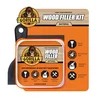
Gorilla All Purpose Wood Filler Kit – $11.97
A water-based filler that comes with the putty knife and sanding block this guide recommends — no guessing whether your filler is safe to thin with water.
- Best for: Furniture, trim, and interior repairs you plan to stain or paint
- Why we picked it: Water-based formula matches the “yes, add water” filler type in the table above
- Main drawback: 8 oz tub is small for large repair jobs
Compare more wood filler options
 Option 1 DAP Plastic Wood-X (16 oz) – $9.93
|
 Option 2 PC-Woody Epoxy Kit – $13.46
|
 Option 3 Bates 7-Piece Putty Knife Set – $13.99
|
As an Amazon Associate we earn from qualifying purchases.
Wood filler comes in three main chemistries, and only one of them is actually meant to meet water. Check the label before you thin anything — mixing the wrong filler with water is the single most common reason a repair fails.
| Filler Type | Add Water? | Thin/Revive With | Typical Dry Time | Best For |
|---|---|---|---|---|
| Water-based (latex/acrylic) | Yes, in small amounts | Warm water, a few drops at a time | 2–4 hours (DAP Premium) | Interior furniture, trim, staining |
| Solvent-based (nitrocellulose) | No | Acetone or lacquer retarder | ~15 minutes (Famowood) | Exterior wood, high-moisture areas |
| Two-part epoxy | Never | Nothing — mix a fresh batch | Hours to fully cure | Structural rot repair, load-bearing gaps |
Wood filler comes in putty form, ideal for filling voids, and it’s different from spackle, which is formulated for drywall rather than wood grain. It cleans up easily with water while wet and is available in various colors that can be blended for a closer match.
How to Revive Dried-Out Wood Filler
A crusted-over tub of water-based filler is usually still usable. Once it has hardened into a brittle chunk, though, no amount of water will bring it back — at that point, start a new tub.
- Remove the dry crust: Scrape off and discard any hardened skin on top — it will never soften.
- Add water sparingly: Mix in about a teaspoon of warm water per cup of filler, working it in with a putty knife.
- Test the consistency: Stop as soon as the filler spreads like thick peanut butter — too much water leaves it soupy and weak.
- Add more only if needed: Work in a few more drops at a time rather than pouring water in all at once.
- Reseal immediately: Press plastic wrap onto the surface before closing the lid to slow the next round of drying.
Mixing Wood Glue Into Wood Filler Instead
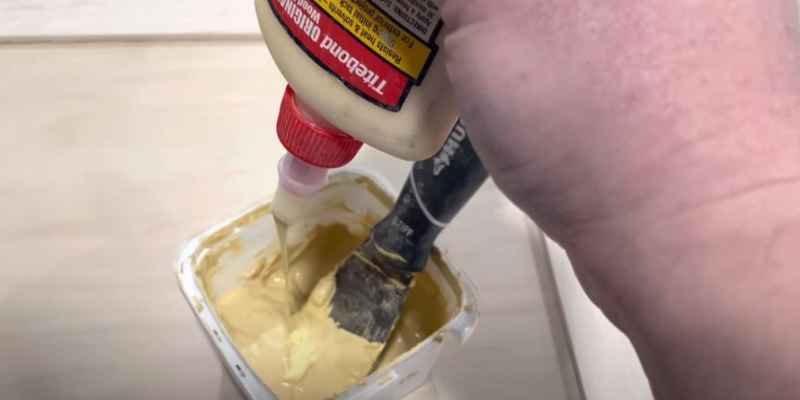
If a water-based filler has gone stiff but isn’t fully dry, a small amount of water-based wood glue works better than water alone. The glue rehydrates the filler while adding back some of the bonding strength that plain water dilutes away. Mix it in gradually with a putty knife until the filler spreads smoothly again, and stop as soon as it holds together — more glue than that just makes the patch gummy.
Why Solvent-Based and Epoxy Fillers Should Never Meet Water
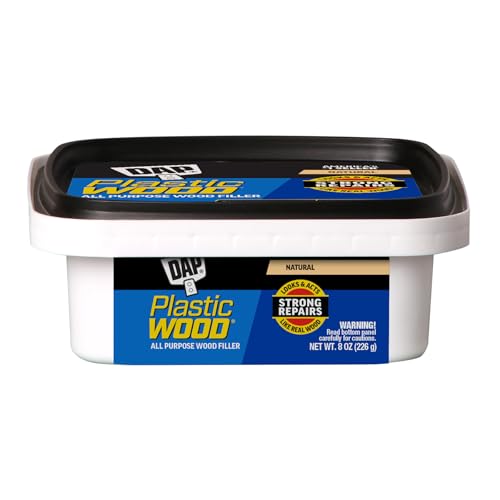
Solvent-based fillers (often labeled “plastic wood”) dry through solvent evaporation, not water evaporation — adding water just sits on top instead of blending in, and it can trap moisture that leaves the patch soft. If a solvent-based filler dries out, acetone or lacquer retarder is what actually reactivates it.
Two-part epoxy filler is the strictest case. It hardens through a chemical reaction between resin and hardener, not by drying — water doesn’t belong in the mix at any stage. Adding water to epoxy filler, even a few drops, throws off the resin-to-hardener ratio and can leave the patch permanently soft or crumbly. If epoxy filler starts to harden in the container before you’re done, the batch is done too; mix a fresh one instead of trying to revive it.
📊 DAP’s own Premium Wood Filler (water-based) is rated for a 2 to 4 hour dry time depending on temperature, humidity, and fill depth — a useful baseline for how long a thinned patch needs before you sand it. — Source: DAP Premium Wood Filler technical data sheet
“Mix wood filler with warm water for a thick paint consistency. Apply grain filler by brushing across the grain over the entire surface.”
Keeping Wood Filler From Drying Out Between Uses
Most wood filler dries out from air exposure in the tub, not from age. Press plastic wrap directly onto the surface before closing the lid, store the container somewhere above 40°F, and scoop out only what you need with a clean putty knife each time — leftover filler on the rim dries first and introduces crumbs into the next batch. A damp (not wet) cloth pressed over the opening between projects adds extra protection for fillers you use only occasionally.
For more on keeping wood surfaces protected over the long run, see our full wood care and maintenance guide, or check out our review of Harbor Freight’s budget wood filler if you’re shopping around before you buy.
Frequently Asked Questions
Can I Mix Wood Filler With Water?
Only if it’s water-based. Water-based wood filler can be mixed with a small amount of water to reach the right consistency for filling grain or reviving a dried-out tub. Solvent-based and epoxy fillers should never be mixed with water — use acetone, lacquer retarder, or a fresh batch instead.
Can You Moisten Wood Filler?
Yes, for water-based filler. Add a few drops of water at a time and mix with a putty knife until it spreads smoothly. Stop as soon as it holds together — oversaturating it leaves the patch weak and prone to shrinking as it dries.
Can You Thin Down Wood Filler?
Water-based filler can be thinned with water or a little water-based wood glue to reach a brushable consistency for filling wood grain. Solvent-based filler is thinned with acetone or lacquer retarder instead, never water.
Can You Add Water To Epoxy Wood Filler?
No. Epoxy wood filler cures through a chemical reaction between its resin and hardener, not by drying, so water doesn’t belong in the mix at any point. Adding water throws off the ratio and can leave the repair permanently soft. If a batch starts hardening before you finish, mix a fresh one instead of adding water to stretch it.
How Do You Keep Wood Fillers From Drying Out?
Press plastic wrap onto the surface of the filler before closing the lid, and store the container above 40°F. Scoop out only what you need with a clean putty knife each time, since dried crumbs left on the rim will contaminate the next batch you pull from the tub.
Conclusion
Water only belongs in water-based wood filler — a few drops at a time to thin it, or to revive a tub that has started to skin over. Solvent-based filler needs acetone or lacquer retarder, and epoxy filler should never see water at all. Check the label before you thin anything, and when in doubt, test a small amount first: a filler that stays gummy or refuses to smooth out is telling you it’s the wrong chemistry for water.
Sponsored / affiliate links. As an Amazon Associate I earn from qualifying purchases. I may earn additional commission from eligible campaigns.