Can MDF Be Used for Stairs? Discover the Pros & Cons
Have you ever found yourself wondering if MDF, or Medium Density Fiberboard, could be the right material for your staircase project? Maybe you’re renovating your home or planning a new build, and you’re curious about whether MDF is a viable option.
It’s a common question, especially with MDF’s reputation for affordability and ease of use. Yet, stairs are not just any part of your home; they are a crucial element that combines safety, durability, and design. Before you make a decision, you need to consider a few key factors.
This article will guide you through the possibilities, advantages, and limitations of using MDF for stairs. By the end, you’ll have a clearer picture of whether MDF fits your needs and how you can make the best choice for your home. Let’s dive in and discover what MDF can offer your staircase project.
Mdf Characteristics
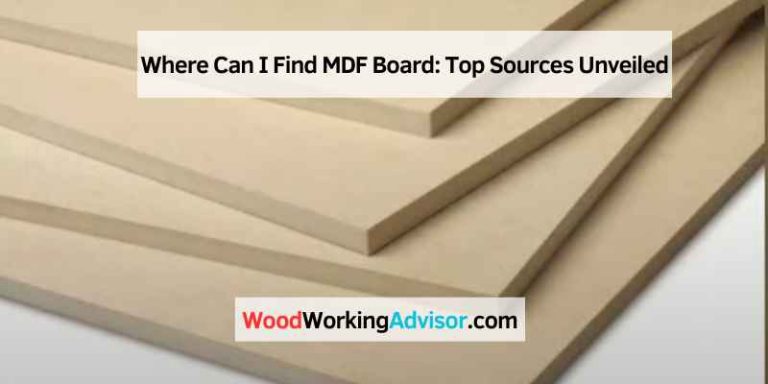
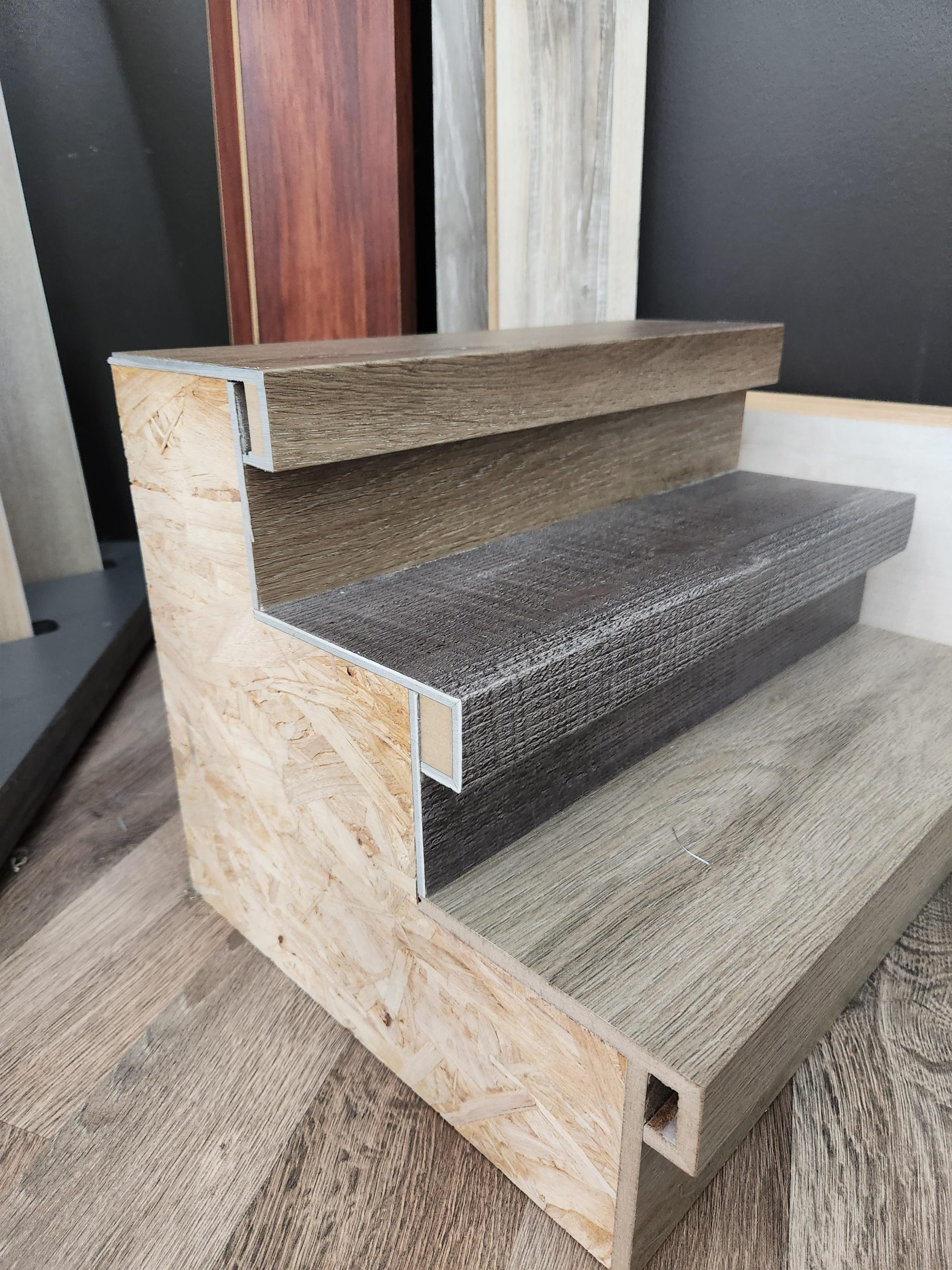
MDF stands for Medium Density Fiberboard. It’s made from wood fibers. These fibers are glued together. People often use MDF in homes. It is very smooth. You can paint it easily. It’s also cheaper than real wood.
MDF is made using wood fibers. These fibers are mixed with glue. Then, they are pressed into sheets. The sheets are cut into different sizes. They go through a machine to get smooth edges. This process makes MDF strong and flat.
MDF is used in many places. It’s common in furniture. People use it for cabinets and shelves. It’s also used for doors. MDF is easy to work with. You can cut it into any shape. This makes it very useful in homes.
Advantages Of Mdf For Stairs
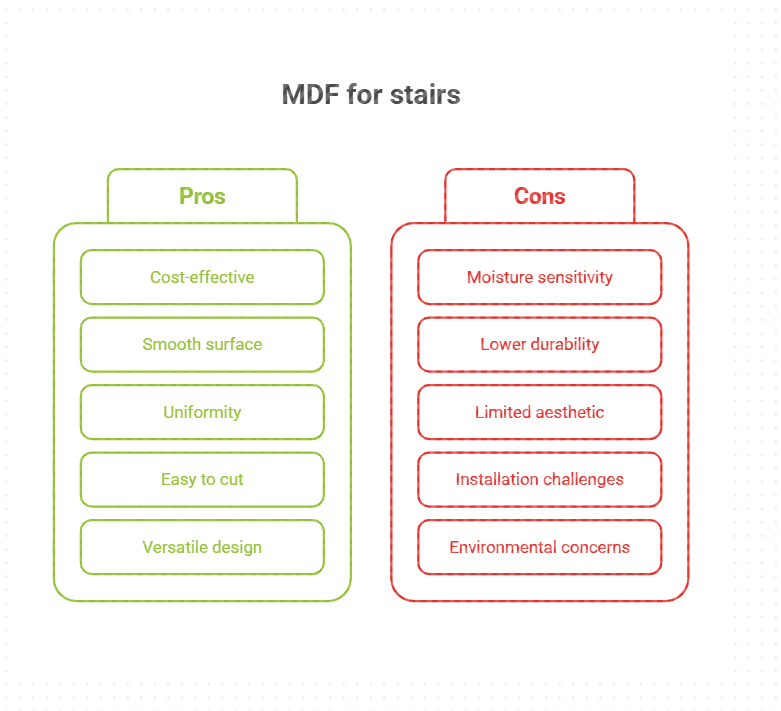
MDF is known for being affordable. It costs less than solid wood. This makes it a great choice for budget projects. You can get a quality finish without spending too much. Many people prefer MDF for its economic value. It fits well in different designs.
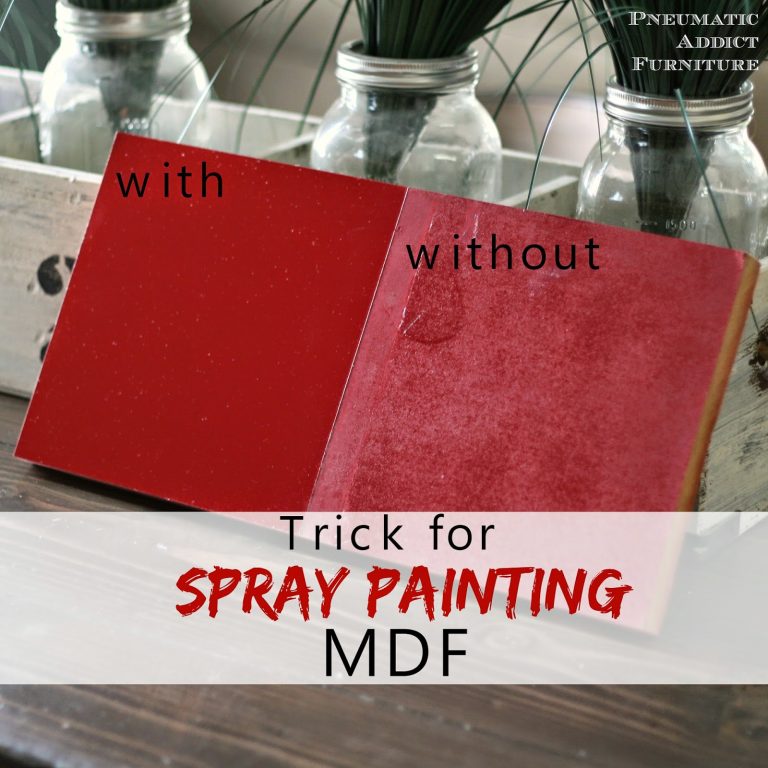
MDF offers a smooth finish. This means paint and varnish look great on it. No rough spots to worry about. The surface is even, making it easy to work with. Many like MDF because it looks neat and tidy. The smoothness adds to its appeal.
MDF is highly versatile. You can shape it in various ways. This makes it perfect for custom designs. You can cut, carve, and mold it easily. MDF adapts well to different styles. Perfect for creative stair designs. Many choose MDF for its flexibility.
Disadvantages Of Mdf For Stairs
MDF is not as strong as solid wood. Over time, it may show wear. Heavy usage can cause damage. Scratches are common. It’s less resistant to impact. Stairs need strength. MDF may not last long.
MDF absorbs water easily. Swelling can occur. Water makes it weak. Bathrooms have moisture. Stairs near them need caution. Solid wood handles moisture better.
MDF is lighter than wood. It may not hold heavy loads. Stairs need to support weight. MDF might bend or break. Heavier materials are better for stairs.
Credit: saltycustomvinyl.com
Comparing Mdf To Other Materials
MDF is cheaper than hardwood. It is also lighter. Hardwood is strong and lasts long. But it costs more. MDF can be cut easily. It is good for simple designs. Hardwood looks nice and feels solid. But it needs more care. MDF is smooth and has no grain. This makes painting easy. Hardwood shows grain. Some people like this look.
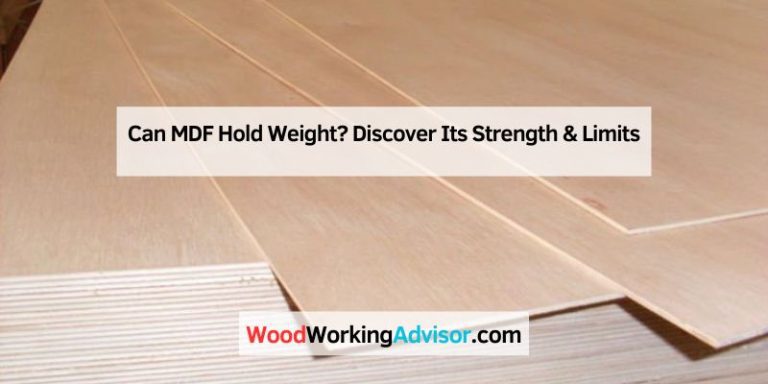
MDF is smoother than plywood. This makes it easier to paint. Plywood is stronger. It can hold more weight. MDF is uniform inside. Plywood has layers. These layers may split. MDF is not good with water. Plywood does better with moisture. MDF is cheaper. It is good for low-cost projects.
MDF is soft and easy to cut. Metal is hard. It needs special tools to cut. MDF is warm to touch. Metal can be cold. MDF is not strong like metal. Metal is good for strong stairs. MDF can be painted any color. Metal needs special paint. MDF is cheaper than metal. Metal lasts longer.
Installation Considerations
Structural Integrity is important for stairs. MDF might not be strong. Heavy loads can damage MDF stairs. Solid wood is stronger. Builders often choose it. MDF could bend or crack. This is risky.
Maintenance Requirements are high with MDF stairs. They need regular checks. Paint can chip easily. Water can damage MDF. Keep it dry. Clean gently. Use soft cloths. Avoid harsh chemicals.
Safety Measures must be taken with MDF stairs. Slippery surfaces are unsafe. Add non-slip strips. Make sure stairs are sturdy. Loose parts can cause falls. Fix them quickly. Safety first.
Aesthetic Possibilities
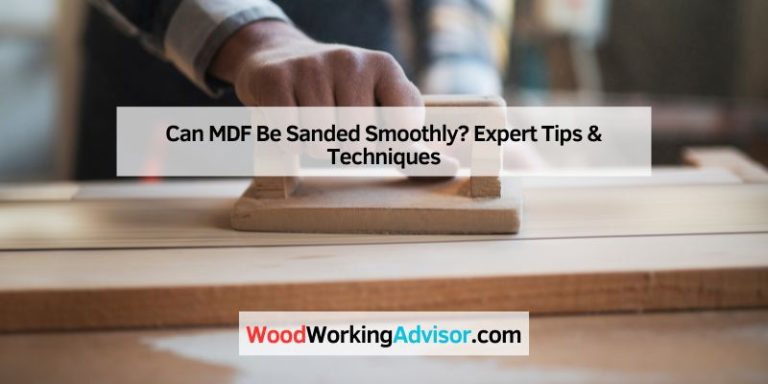
MDF offers many customization options for stairs. You can cut it into different shapes. This makes it easy to fit any space. MDF is easy to work with. You can create unique designs.
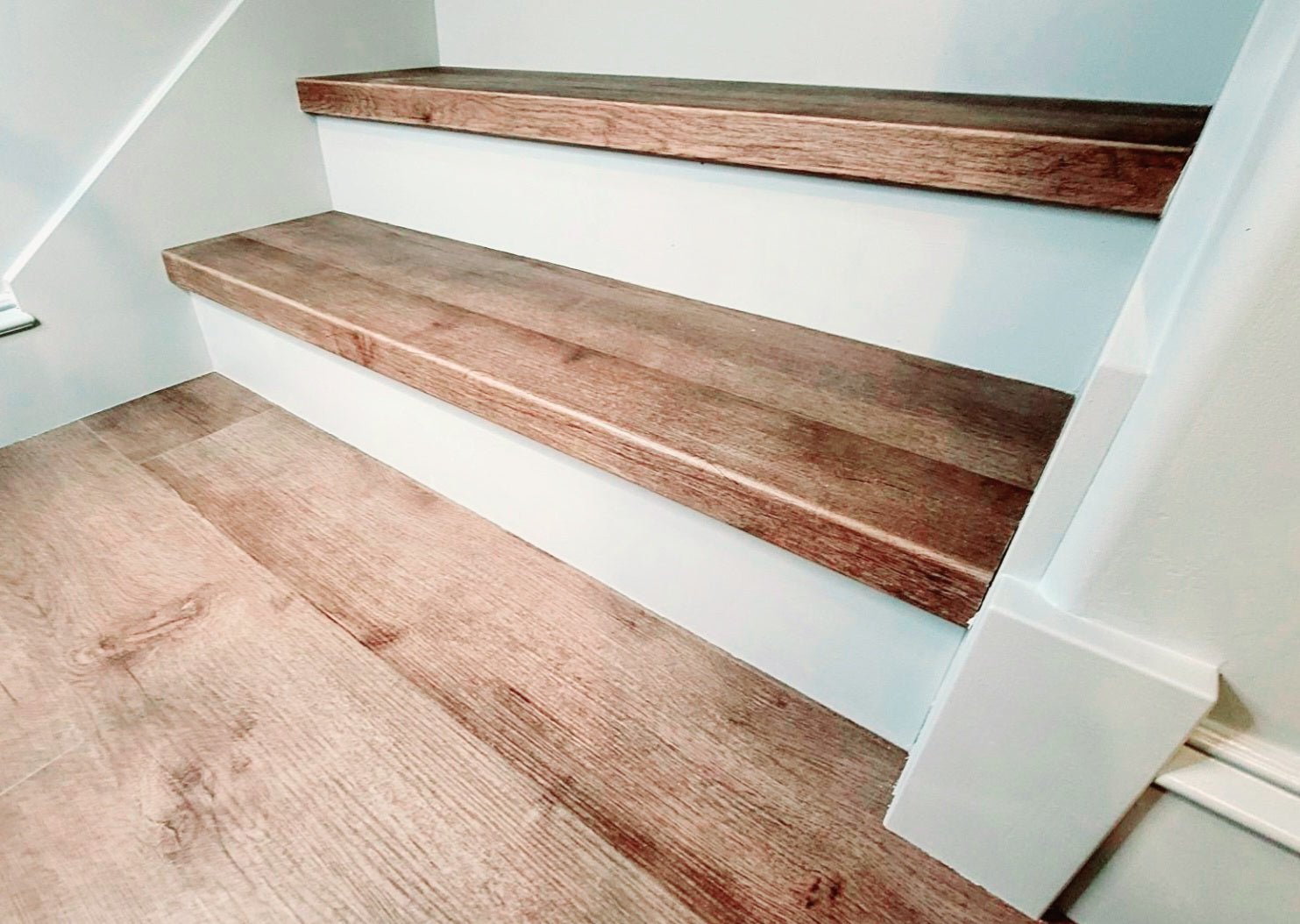
People can personalize their stairs with MDF. It can be painted in many colors. Choose the one that matches your home. You can also add patterns or designs. This makes each stair special.
With MDF, paint choices are endless. You can use bright or soft colors. The finish can be glossy or matte. Both give a different look. Paint helps protect the MDF too. It keeps it looking new.
MDF has a smooth surface. This makes it easy to paint. You can also add texture. This gives the stairs a unique feel. Some people like a rough look. Others prefer smooth.
Environmental Impact
Sustainability Factors play a big role in choosing materials. MDF uses wood fibers. These fibers come from leftover wood. This reduces waste. MDF is strong and lasts long. It saves trees from being cut down.
Recyclability is important for the environment. MDF can be recycled. It can be turned into new products. This means less trash in the landfill. Recycling helps keep Earth clean.
Eco-Friendly Alternatives are good for nature. Bamboo is one option. It grows fast and is strong. Cork is another choice. It is soft and comes from tree bark. Both are better for the planet.

Credit: www.reddit.com
Frequently Asked Questions
Is Mdf Strong Enough For Stairs?
MDF is not recommended for stairs due to its lack of strength and durability compared to solid wood. It may not withstand heavy foot traffic or weight over time. For safer, long-lasting stairs, choose hardwood or engineered wood. MDF is better suited for decorative applications, not structural use.
Can You Use Mdf As A Stair Riser?
Yes, you can use MDF as a stair riser. It’s affordable and easy to work with. Ensure proper sealing and painting to prevent moisture damage. MDF provides a smooth, consistent surface for painting or finishing. It’s a popular choice for interior stairs due to its versatility and cost-effectiveness.
How Thick Are Mdf Stairs?
MDF stairs typically range from 25mm to 30mm thick. This thickness provides durability and stability. Choose thicker MDF for high-traffic areas to ensure longevity. Always consult with professionals to determine the best thickness for your specific stair design needs.
How To Stop Mdf Stairs Creaking?
Tighten loose screws and bolts to fix creaking MDF stairs. Apply wood glue to joints for stability. Use talcum powder or graphite powder on stair edges to reduce friction. Check for gaps and fill them with wood filler. Regular maintenance can prevent future creaking issues.
Conclusion
MDF can be a viable option for stairs. It offers a smooth finish and affordability. But it may not be as durable as hardwood. Consider the location and usage before deciding. Heavy traffic areas may need stronger materials. MDF works well for less busy spaces.
Always ensure proper installation for safety. Weigh the pros and cons carefully. Choose what best fits your needs and budget. Remember, your choice impacts both function and style. Make an informed decision for your stairs.