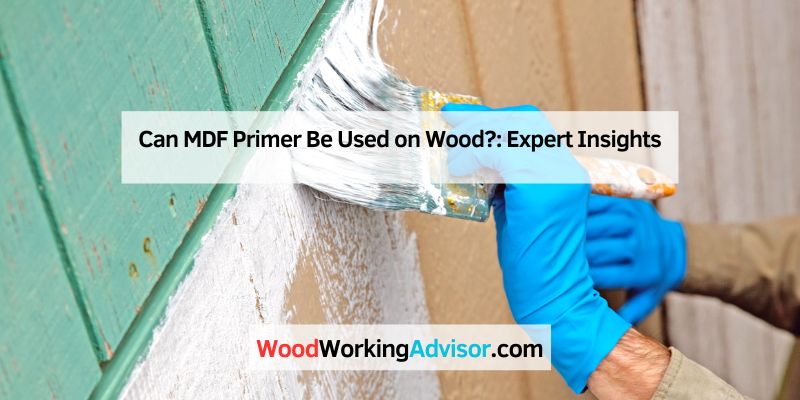
Can MDF Primer Be Used on Wood?: Expert Insights
Are you planning a DIY wood project and wondering if MDF primer could be the solution for that perfect finish? You’re not alone.
Many DIY enthusiasts and professionals alike find themselves pondering this very question. MDF primer is known for its durability and smooth finish on medium-density fiberboard, but can it work its magic on wood too? We’ll explore the ins and outs of using MDF primer on wood surfaces.
Stick around, and you’ll discover whether this versatile primer can be the game-changer you need for your next woodworking project. Get ready to unlock the secrets of achieving that flawless finish you’ve been dreaming of!
Mdf Primer Basics
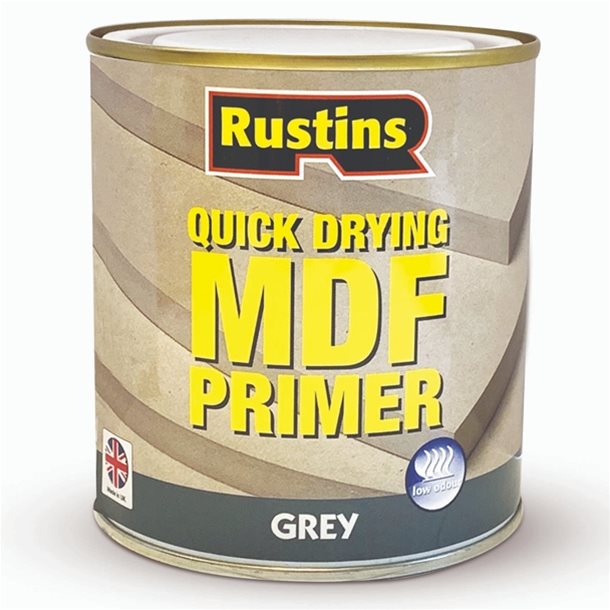
MDF primer is a special paint. It helps prepare surfaces for painting. The primer is made for medium-density fiberboard (MDF). It helps paint stick better and last longer. The primer fills tiny holes in the MDF. This makes the surface smooth. It also stops paint from soaking into the wood. MDF primer is great for wood projects. It protects the wood and makes paint look bright. Using MDF primer saves time and money. It makes painting easier and faster.
MDF primer is used on many wood surfaces. It’s good for cabinets and shelves. Many people use it on doors and furniture. It works well for craft projects too. MDF primer helps paint look smooth and nice. It is popular in home projects. People like it because it’s easy to use. It makes wood look clean and neat. MDF primer is a smart choice for any wood painting project.
Wood Surface Characteristics
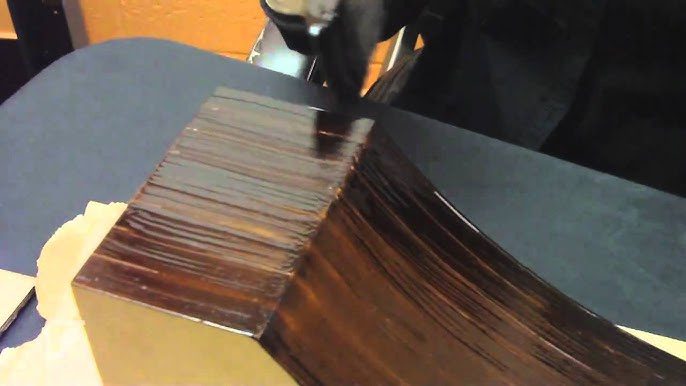
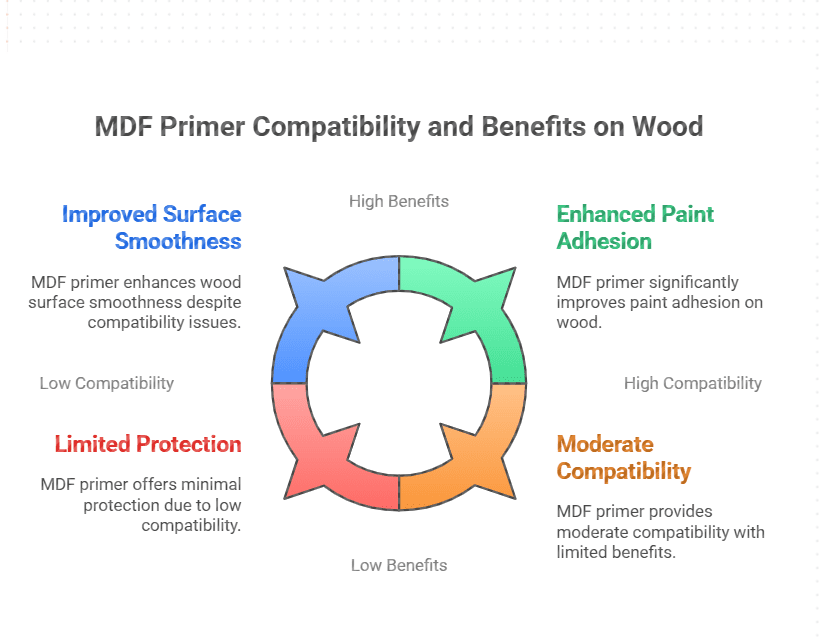
Applying MDF primer on wood can enhance the surface characteristics. It creates a smooth base for painting, preventing absorption and promoting even coverage. Ensure the wood is clean and dry for optimal results.
Types Of Wood Surfaces
Wood surfaces can be smooth, rough, or grainy. Each type has its own look and feel. Smooth wood is easy to paint. Rough wood may need more work. Grainy wood shows lines and patterns. These lines can be beautiful. But, they can be hard to cover. Different types need different care. Knowing your wood helps in choosing the right primer.
Preparing Wood For Primer
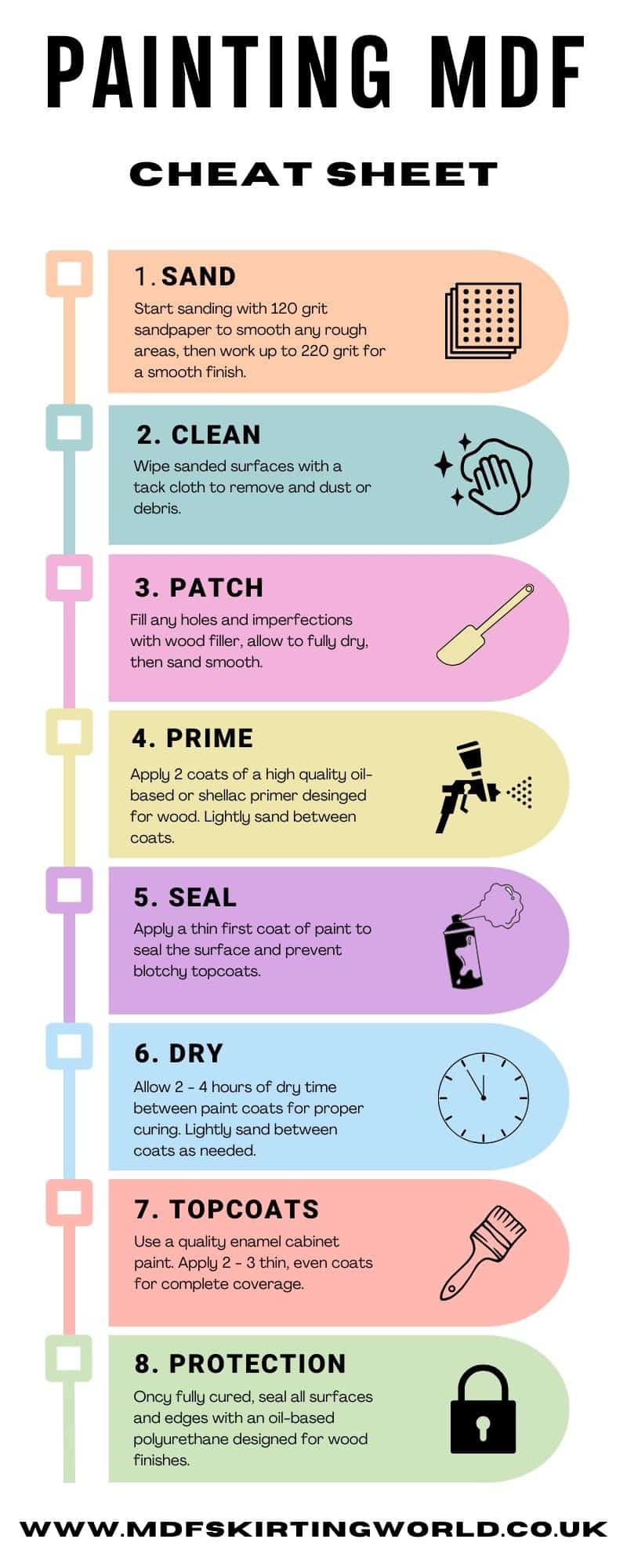
Preparing wood is key before using a primer. First, clean the surface well. Remove dust and dirt. Use sandpaper for smoothness. Sanding makes wood even. An even surface helps primer stick better. Fill any holes with wood filler. Let it dry. Then, sand the filled spots. This ensures a flat surface. Proper prep makes primer work best.
Compatibility Of Mdf Primer With Wood
MDF primer sticks well to wood surfaces. It creates a smooth base for paint. Good adhesion means paint won’t chip easily. The primer fills small gaps in wood. This makes the surface even. Proper adhesion ensures paint lasts longer. It helps paint look neat and uniform. Many people use MDF primer on wood. It works well on many types of wood.
MDF primer helps paint stay strong. Durable paint resists wear and tear. It keeps the wood safe from damage. The primer makes the paint last longer. Longevity is important for wood projects. It saves time and money on repairs. Using primer improves the wood’s appearance. It keeps paint looking fresh and clean.
Credit: mdfskirtingworld.co.uk
Benefits Of Using Mdf Primer On Wood
MDF primer is often cheaper than other primers. It helps save money. You can buy it easily from most stores. Many people use it for home projects. This makes it a popular choice. Using MDF primer means spending less on paint. This can make your project more budget-friendly.
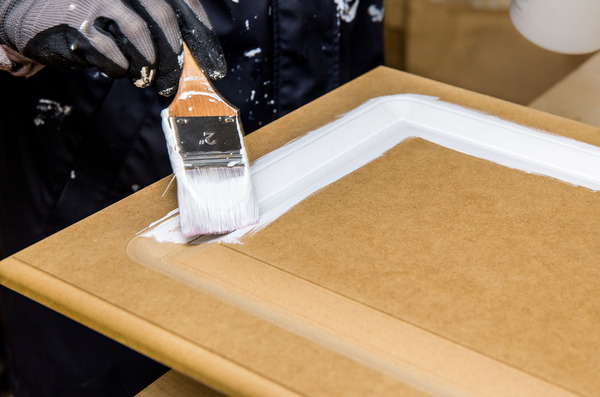
Applying MDF primer is easy. It spreads smoothly on wood. You do not need special tools. A simple brush or roller works well. This makes the process quick. Many people find it fun to use. The primer dries fast too. In a short time, you can apply paint over it. This saves time and makes the work enjoyable.
Potential Drawbacks
MDF primer may not stick well to wood. This can cause peeling later. Wood expands and contracts with moisture. MDF primer is not flexible. It might crack or peel over time. Some MDF primers are not water-resistant. Wood can absorb moisture. This may lead to swelling. Using MDF primer on outdoor wood is risky. It may not last long.
Possible Limitations
The finish might not be smooth. Wood grain may show through. MDF primer is designed for MDF surfaces. It may not cover wood imperfections. Sanding might be needed for a smooth finish. It can increase work time and effort. Primer may not seal wood completely. Wood stains can show through primer. Extra coats might be needed for a solid color.
Alternatives To Consider
- Choose a wood-specific primer for better results.
- Consider oil-based primers for better durability.
- Shellac primers can block stains effectively.
- Water-based primers are eco-friendly and dry fast.
- Use acrylic primers for flexibility and moisture resistance.
Expert Recommendations
MDF primer is great for smooth surfaces. It helps seal the wood. Use MDF primer when the wood is new and unfinished. It works well on interior wood projects. Avoid using it on outdoor wood. It may not hold up well in wet conditions. MDF primer is perfect for small projects. It dries fast and is easy to sand.
Always clean the wood before applying. Remove any dust or dirt. Use a brush or roller for even coats. Apply in thin layers. Let it dry between coats. Sand lightly after drying. This helps with smoothness. Keep the area well-ventilated. Avoid breathing in fumes. Wear a mask if needed. Always follow safety guidelines.
Case Studies
MDF primer works well on wood. Many people have tried it. Wood surfaces become smooth and ready for paint. One user applied it on old chairs. The chairs looked new and shiny. Durability was another benefit. The paint stayed longer without peeling. Some used it on doors. The doors resisted moisture better with primer. This shows MDF primer is useful on wood.
Not all wood types are the same. Soft woods absorbed more primer. So, more layers were needed. Hardwoods needed less primer. It’s important to test a small area first. This helps in understanding how much primer is needed. Using a good brush also helps. This avoids brush marks. People learned to mix the primer well. This gives a smoother finish.
Credit: mdfskirtingworld.co.uk
Credit: www.rustins.ltd
Frequently Asked Questions
Can I Use Mdf Primer On Ordinary Wood?
Yes, you can use MDF primer on ordinary wood. It prepares the surface for paint and improves adhesion. Ensure the wood is clean and sanded before applying the primer for the best results. This helps achieve a smooth and durable finish, enhancing the wood’s appearance.
What Is The Difference Between Mdf Primer And Wood Primer?
MDF primer is designed for medium-density fiberboard, providing a smooth base for paint. Wood primer seals wood pores, preventing moisture and enhancing paint adhesion. Both primers prepare surfaces for painting but cater to different materials, ensuring optimal results.
Can You Use Leyland Mdf Primer On Wood?
Yes, Leyland MDF primer can be used on wood surfaces. It prepares the wood for painting by ensuring better adhesion and a smoother finish. Ensure the wood is clean and dry before application for optimal results.
Can Mdf Primer Be Used On Plywood?
Yes, MDF primer can be used on plywood. It helps seal and prepare the surface for painting. Always ensure the plywood is clean and dry before applying the primer. Using MDF primer enhances paint adhesion and finish quality on plywood surfaces.
Conclusion
MDF primer can be used on wood with caution. It offers good adhesion and smooth finish. Suitable for indoor projects where durability is less crucial. Test on a small area first. Ensure wood is clean and dry. Sand the surface for better results.
MDF primer may not be ideal for outdoor use. Consider wood-specific primers for such projects. Understand your project’s needs before deciding. Proper preparation ensures a successful outcome. Choose the right primer for your woodwork. This ensures longevity and quality.