MDF Swelling: ANSI Caps It at 11% (MR-MDF Cuts That to 5.5%)
Standard MDF is limited to under 11% thickness swell after 24 hours submerged per ANSI A208.2, but unsealed cut edges absorb water far faster than the flat faces do. Skipping edge-sealing is the #1 reason MDF furniture warps. This guide covers what causes swelling, moisture-resistant (MR) MDF grades, and the correct diluted-PVA edge-sealing method.
Understanding Mdf
Best MDF Edge Sealer Pick
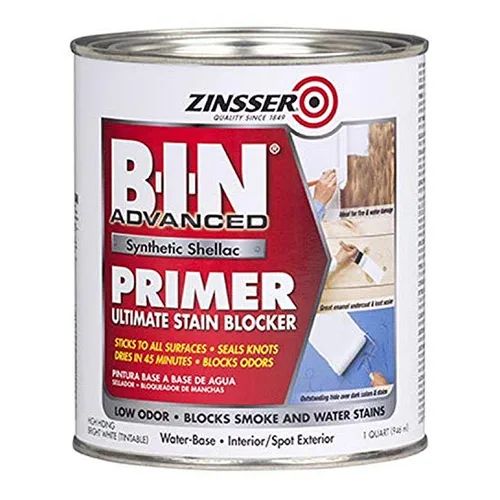
Zinsser B-I-N Shellac Primer
Cut MDF edges are the fastest path for moisture in – this seals them before paint or laminate goes on.
- Best for: sealing raw MDF edges before painting or laminating
- Why we picked it: shellac base blocks moisture penetration better than a standard latex primer
- Main drawback: alcohol-based – needs ventilation and denatured alcohol for cleanup
Compare more edge-sealing options
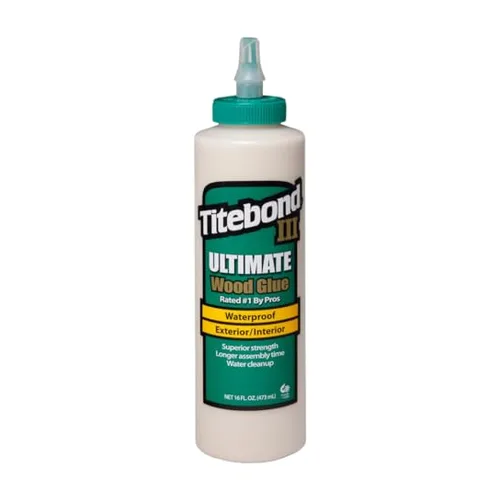 Option 1 Titebond III PVA Glue
|
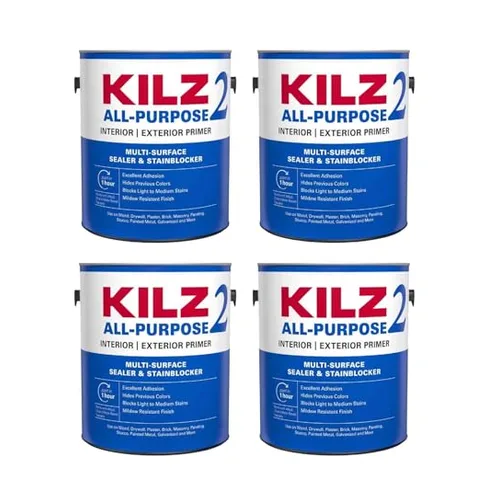 Option 2 Kilz 2 Primer Sealer
|
As an Amazon Associate we earn from qualifying purchases.
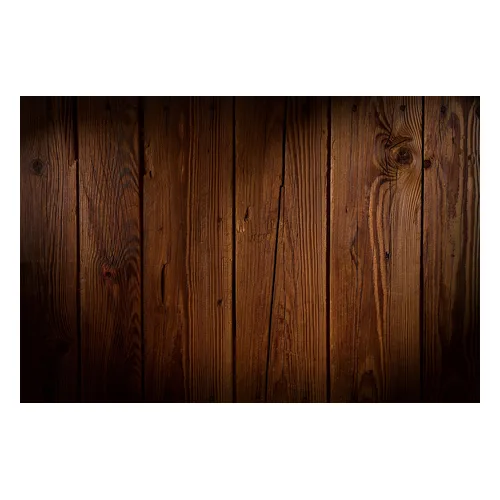
MDF stands for Medium Density Fiberboard. It is made from wood fibers. These fibers are mixed with wax and resin. Then, they are pressed into panels. The surface of MDF is smooth. This makes it easy to paint or cover. MDF is dense and has no knots or grain patterns. This makes it different from natural wood. It can swell if it gets wet. So, keeping it dry is important.
MDF is used in many pieces of furniture. It is found in cabinets and shelves. Tables and desks often use MDF – see our MDF vs OSB comparison if you’re deciding between panel materials. Its smooth surface is easy to paint. This makes it popular for decorative pieces. MDF is cheaper than solid wood. This makes it a popular choice in homes. It’s strong but needs care to avoid swelling.
Causes Of Swelling In Mdf
MDF swells because it absorbs water. Moisture makes the wood expand. This can cause damage. Keeping MDF dry is important. Use waterproof sealants. Store it in a dry place. Avoid wet areas like bathrooms. Even small water spills can be harmful.
Sudden changes in temperature affect MDF. It can expand and contract. This leads to swelling. Keeping a stable temperature helps. Use temperature control devices. Avoid placing MDF near heaters. Extreme cold or heat is bad. Protect it from direct sunlight.
📊 Standard MDF is capped at 11% thickness swell after a 24-hour water soak (ANSI A208.2); moisture-resistant (MR-MDF/”green MDF”) grades cap out at just 5.5% — Source: Uniboard MDF Technical Data Sheets
Protective Coatings
Sealants and varnishes help protect MDF from water. They create a barrier that stops moisture. This keeps MDF from swelling. Apply a coat evenly on the surface. Let it dry completely. Use a brush or roller for even coverage. Some sealants are clear, some are colored. Choose the one that fits your needs best.
Paints give MDF a strong surface. They block water from soaking in. Use good quality paint for best results. Laminates cover MDF with a hard layer. This layer stops water. They come in many colors and designs. Easy to clean and maintain. Choose laminates that match your decor. Both paints and laminates are great for MDF.
Proper Installation Techniques
“Most panels tend to absorb moisture into their edges more rapidly than through the panel surfaces” – which is exactly why edge-sealing, not just face-coating, is the step people skip.
Keep MDF boards away from water. Water makes MDF swell. Place MDF in dry spots. No water pipes nearby. Check for leaks often. Use sealants on edges. Sealants stop water. Protect your MDF. Keep it dry and safe.
Let air flow around MDF. Good air keeps MDF dry. Use fans if needed. Fans help air move. Don’t block vents. Open windows often. Fresh air is good. Keeps MDF in shape. No swell, no damage. Happy MDF.
Climate Control Solutions
MDF can swell if it gets too wet. Keeping it dry is important. Use a dehumidifier to control moisture. Ventilation helps too. Open windows when possible. Fans can move air around. This stops moisture build-up. Silica gel packs can absorb water. Place them near MDF. Keep indoor plants away from MDF. They release moisture. Regular checks are helpful. Look for any signs of wetness. Act fast to prevent damage.
Temperature changes can affect MDF. Keep it stable. Use insulation in rooms with MDF. It helps control heat. Air conditioners can cool down hot areas. Heaters are useful in cold rooms. Thermometers can track temperature changes. Check them often. Avoid direct sunlight on MDF. It can cause swelling. Curtains or blinds can block sun rays. They protect MDF from heat. Regular maintenance is key. Ensure devices work well. This keeps the environment stable.
Routine Maintenance
Inspect MDF surfaces regularly. Check for any signs of damage. Look for cracks or swelling spots. Early detection is key. Find problems before they grow. Use a flashlight for better view. Look under tables and shelves. Check the edges too.
Fix damaged areas quickly. Apply sealant to cracked spots. Sealant stops moisture. Moisture causes swelling. Replace any bad pieces if needed. Use sandpaper to smooth edges. Smooth edges stop water. Keep tools handy for quick repairs. Repairing fast saves money later.
Expert Recommendations
Always pick high-quality MDF for your projects. Check the label for details. Look for boards with a smooth surface. These boards resist moisture better. Avoid boards with rough edges. They can swell quickly. Ask the seller about the board’s water resistance. Some MDF is specially treated. This treatment helps prevent swelling.
Speak with professionals for advice on MDF. They know the best tips. Experts can guide you in selecting the right board. They have experience with different MDF types. They can also suggest protective coatings. This helps the MDF last longer. Consulting them saves you time and money.
Frequently Asked Questions
How To Prevent Mdf Swelling?
Seal MDF edges with waterproof paint or varnish to prevent swelling. Ensure MDF is kept dry and avoid direct water exposure. Use moisture-resistant MDF for high-humidity areas and maintain stable indoor conditions. Regularly inspect and maintain MDF surfaces to prolong durability and prevent damage.
How Do You Paint Mdf Without Swelling?
Seal MDF edges with a primer or diluted PVA glue (roughly 1 part PVA to 3 parts water) before painting – undiluted PVA straight from the bottle does not penetrate the fiber the same way. Apply thin, even coats, sanding lightly between coats and letting each dry fully before priming and painting.
How To Fix Swollen Mdf Board?
Dry the swollen MDF board thoroughly using a dehumidifier or fan. Sand the surface gently to remove bumps. Apply wood filler to smooth out imperfections. Seal with a water-resistant primer and paint to protect against future swelling. Regularly inspect for moisture and maintain a dry environment.
What Causes Mdf To Swell?
MDF swells due to moisture absorption, which penetrates its porous structure. High humidity and direct water contact trigger swelling. Proper sealing and maintaining a dry environment prevent MDF from absorbing water. Use waterproof coatings to protect MDF surfaces from swelling and damage.
Conclusion
Protecting MDF from swelling is essential for its longevity. Simple steps like sealing edges help. Always store MDF in a dry place. Use a dehumidifier if needed. Regularly check for moisture signs. Choose water-resistant MDF for humid areas. Act quickly on spills to prevent damage.
These practices save you time and money. Maintain your MDF well. Enjoy its lasting beauty and durability. Your efforts will pay off in the long run. Keep your MDF looking its best with these easy tips. Happy woodworking!
Sponsored / affiliate links. As an Amazon Associate I earn from qualifying purchases. I may earn additional commission from eligible campaigns.