Can Paint Thinner Remove Paint? Here’S The Honest Truth
Paint thinner can remove some types of paint, especially oil-based ones. However, it may not work on all paints, can damage surfaces, and often requires careful handling due to fumes. Always test in a hidden spot first.
Understanding Paint Thinner and Paint
So, what exactly is paint thinner? It’s not just one thing. Paint thinners are solvents.
They are liquids that can dissolve or break down other substances. Think of sugar dissolving in water. Paint thinner is like that, but for paint.
Different types of paint need different kinds of solvents to break them down.
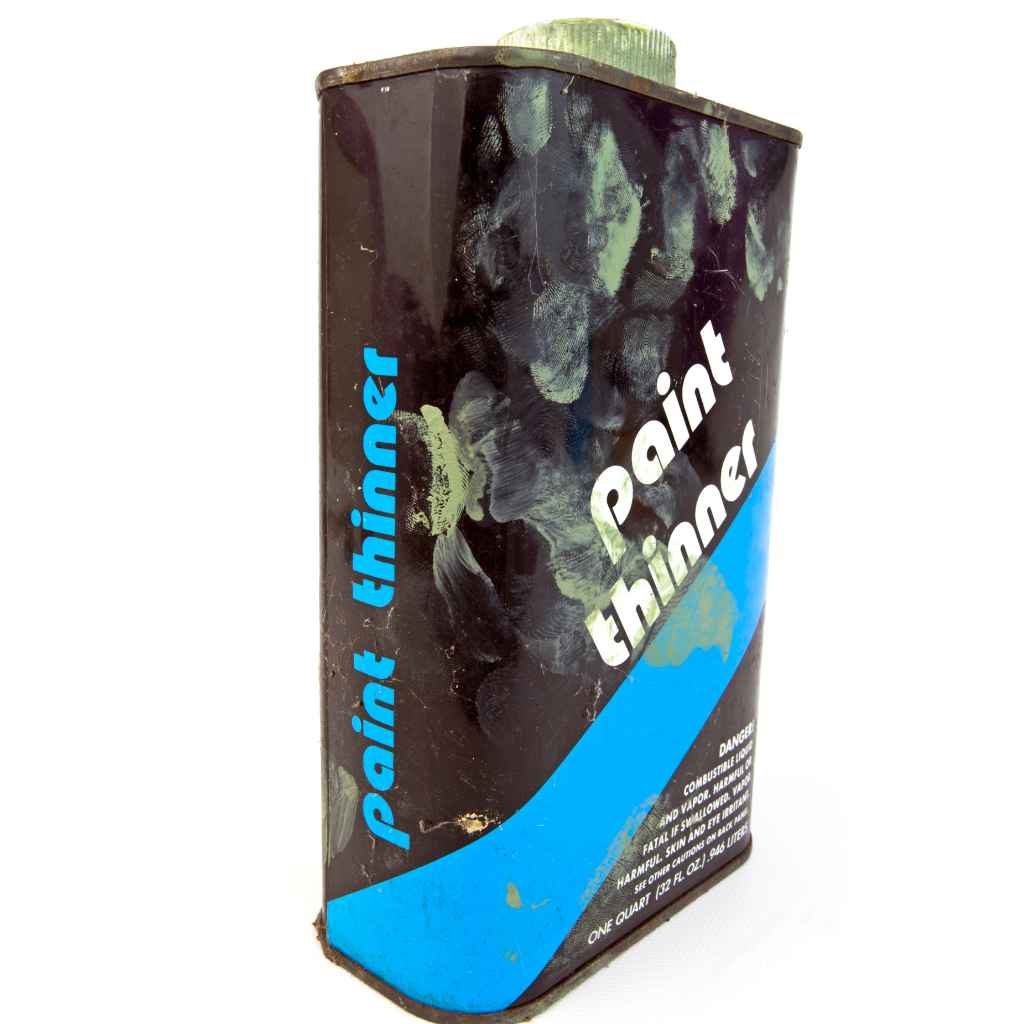
Most common paint thinners include mineral spirits, acetone, and lacquer thinner. Each has its own strength and purpose. Mineral spirits are milder.
They work well on oil-based paints and alkyd enamels. Acetone is much stronger. It can dissolve many things quickly, including some plastics.
Lacquer thinner is also very strong. It’s designed for lacquers and enamels.
Paint itself is made of several parts. There are pigments that give it color. There are binders that hold the pigments together and make the paint stick to surfaces.
And there are solvents that keep the paint liquid until you use it. When the paint dries, the solvents evaporate. What’s left is the pigment stuck to the surface by the binder.
When you use paint thinner, it attacks the binder. It breaks down the sticky stuff. This makes the paint soft again.
It can then be wiped away or scraped off. The type of binder in the paint matters a lot. That’s why some thinners work better on certain paints than others.
For example, water-based paints, like latex or acrylics, use a different kind of binder. These binders are usually not dissolved by mineral spirits or acetone. You would need water or a special latex paint remover for those.
Oil-based paints, however, have binders that are sensitive to solvents like mineral spirits.
It’s also important to remember that paint thinner is a chemical. It has fumes. These fumes can be strong.
They can also be harmful. Always use paint thinner in a well-ventilated area. Wear gloves.
Protect your skin and your lungs. This is not something to take lightly.
My Own Paint Thinner Mishap
I remember a time I was redoing a small bookshelf. It had a few coats of old, chipped oil-based paint on it. I thought, “Easy fix!
I’ll just grab the mineral spirits I have in the garage.” I’d used it before to clean brushes. I poured a good amount onto a rag and started wiping. The paint did soften up, which was a good sign.
I was feeling pretty confident. I kept rubbing, expecting the old paint to just lift right off. But then I noticed something odd.
The paint wasn’t disappearing. Instead, it was smearing. It was turning into a sticky, gooey mess.
It was spreading across the shelf and making things worse, not better. I had created a sticky, uneven disaster.
Panic started to set in. My nice, chipped shelf was now covered in a tacky, smeared layer of old paint and thinner. I had gotten paint on my hands, and it felt gross.
I realized I had used too much thinner too quickly. I had basically turned the paint into a sticky paste that was sticking to everything. I had to stop and rethink.
I ended up having to use a scraper and more elbow grease to get most of the mess off. It was a good lesson: sometimes, more is not better, and understanding the materials is key.
Paint Thinner vs. Paint Type: A Quick Look
Oil-Based Paint: Most paint thinners, like mineral spirits, work well here. They break down the binder. The paint usually becomes soft and can be wiped away.
This is where paint thinner shines the most.
Latex/Acrylic Paint: Water is usually the best thinner. Some strong solvents might affect them slightly, but they are generally resistant to mineral spirits. You might need special removers for tough jobs.
Enamel Paint: This can be tricky. Some enamels are oil-based and respond to thinners. Others are urethane-based and need stronger solvents like lacquer thinner.
Shellac and Lacquers: These need specific, strong solvents. Denatured alcohol works for shellac. Lacquer thinner is best for lacquers.
Mineral spirits won’t do much here.
When Paint Thinner Works (and When It Doesn’t)
The success of paint thinner depends heavily on the type of paint and the type of thinner. It’s like using the right key for the right lock.
When it generally works:
- Cleaning up fresh oil-based paint spills: If you spill oil-based paint and act fast, mineral spirits can often lift it easily from surfaces like concrete or tile.
- Removing old oil-based paint layers: For stripping furniture or walls with multiple layers of oil-based paint, a solvent like mineral spirits or even stronger options can help soften the paint for scraping.
- Cleaning oil-based paint brushes: This is a common use. Mineral spirits do a good job of dissolving the paint from bristles.
- Removing tar or grease stains: Some paint thinners are also good at dissolving other sticky, oily substances.
When it might not work or cause problems:
- Water-based paints (latex, acrylic): These paints are designed to be cleaned with water. Paint thinner won’t dissolve them effectively. It might just smear them around.
- Modern finishes: Some paints have very durable binders. Even strong solvents might struggle to break them down completely.
- Damaging surfaces: This is a big one. Paint thinner can melt or damage certain materials. Plastics, some varnishes, rubber, and even some types of wood finish can be harmed. Always test first!
- Fumes and ventilation: Even when it works, the fumes can be overwhelming. You need good airflow.
- Residue: Sometimes, the thinner leaves behind a residue that needs to be cleaned with soap and water afterwards.
Think about the paint you’re trying to remove. Is it an old, flaky coat on a metal gate? Probably oil-based.
Paint thinner might work there. Is it a fresh splash on your kitchen floor from painting the walls? If you used latex paint, water is your friend.
The thinner won’t help much and might make a sticky mess.
I’ve seen people try to use paint thinner on car paint to remove road tar. Sometimes it works if done very carefully and quickly. But it can also strip away the clear coat or damage the paint.
It’s a risky move. For car paint, there are usually safer, specialized tar removers.
Quick Check: What Kind of Paint is It?
- Smell Test: Oil-based paints often have a stronger, more solvent-like odor even when dry. Latex paints tend to smell more like wet plastic when wet, and less so when dry.
- Cleanup Method: Check the paint can. It usually says “Clean up with water” for latex/acrylic or “Clean up with mineral spirits” for oil-based.
- Flexibility: Older oil-based paints can become brittle and chip. Latex paints tend to remain more flexible over time.
The Science Behind the Smear
Let’s dive a little deeper into why paint thinner sometimes makes a bigger mess. It all comes down to how the solvent interacts with the paint binder. Paint binders are like the glue in paint.
They hold the color particles together.
When you apply paint, the solvent evaporates. This causes the binder molecules to get closer and closer. They link up, forming a strong, solid film.
This film is what makes the paint stick to your wall or object. It’s a chemical reaction, or rather, a physical change as the solvent leaves.
A paint thinner works by reversing this process. It re-introduces a solvent. This solvent gets between the binder molecules.
It pushes them apart, making the binder soft and gooey again. If the thinner is strong enough and the paint is compatible, the binder can become liquid enough to be wiped away.
However, if you use too much thinner, or a thinner that’s too aggressive for the paint type, you can create a different problem. Instead of dissolving the paint into a removable liquid, it can create an emulsion or a paste. The pigment particles get suspended in this softened binder.
This sticky goo is hard to remove. It smears easily.
This is what happened to me with the bookshelf. I saturated the old paint. The thinner didn’t just dissolve it; it seemed to break it into tiny pieces and suspend them in a sticky soup.
This paste then spread like mud when I tried to wipe it. It was a frustrating outcome because I thought I was making progress.
Another factor is the age of the paint. Old paint binders can become very hard and cross-linked. This makes them resistant to solvents.
Sometimes, even strong thinners will only soften the very surface layer. The bulk of the paint remains hard and difficult to remove without mechanical means, like sanding or scraping.
Also, consider the surface the paint is on. If the paint has deeply penetrated porous materials like unsealed wood, the thinner might soften the paint but also soak into the wood. This can lift the paint from the wood fibers, causing damage or making a mess that’s hard to clean.
For really stubborn old paint, sometimes a chemical stripper is needed. These are much stronger than typical paint thinners. They are specifically designed to break down old, tough paint binders.
But they are also more hazardous and require more caution. Always follow their instructions very carefully.
The Solvent’s Role: More Than Just Thinning
Evaporation Rate: Slower evaporating solvents (like mineral spirits) give you more working time. Faster ones (like acetone) evaporate quickly, which is good for fast drying but can be tricky for cleanup.
Penetration Power: How well does the solvent get into the paint binder? Stronger solvents penetrate better but can also damage surfaces.
Solubility: Does the solvent actually dissolve the specific type of binder used in the paint? This is the most crucial factor.
Safety: All solvents have risks. Always check the Material Safety Data Sheet (MSDS) for information on handling and hazards.
Real-World Scenarios: Where Paint Thinner Comes into Play
Paint thinner is a tool. Like any tool, it’s best used for the job it’s designed for. Let’s look at some common situations.
Scenario 1: The Accidental Spill on a Finished Floor
Imagine you’re painting a room with latex paint. You accidentally knock over a small amount. It lands on your sealed hardwood floor.
Your first instinct might be to grab paint thinner. But wait! Latex paint cleans up with water.
If you use mineral spirits, it might not remove the latex paint effectively. It could even dull or damage the floor’s finish. For latex spills, a damp cloth with a little mild soap is usually best.
If it’s an oil-based spill, then mineral spirits can work, but you still need to be careful not to damage the finish.
Scenario 2: Restoring an Old Metal Cabinet
You find an old metal filing cabinet. It’s covered in layers of chipped, glossy paint. You want to strip it down to bare metal.
This is a classic scenario where paint thinner can be helpful. If the paint is likely oil-based (common for older metal finishes), you can apply mineral spirits to a rag, saturate the paint, let it sit for a few minutes, and then scrape or wipe away the softened paint. You might need to repeat this.
For very stubborn paint, you might need a stronger chemical stripper, but a good quality paint thinner is often a starting point.
Scenario 3: Cleaning Painting Equipment
This is perhaps the most common and effective use. If you’ve been using oil-based paints or oil-based varnishes, your brushes, rollers, and trays will be caked with paint. Pouring paint thinner into a bucket and swishing your brushes around is a quick way to get them clean.
You want to get as much excess paint off first. Then, use the thinner to dissolve the rest. After cleaning with thinner, it’s a good idea to wash the brushes with soap and water to remove any remaining solvent and paint residue.
This extends the life of your tools significantly.
Scenario 4: Removing Old Stickers or Adhesive Residue
Sometimes, paint thinner can also help with sticky messes. If you’ve removed old price tags or bumper stickers and are left with gummy residue, a bit of mineral spirits on a rag can often dissolve the adhesive. Again, test in an inconspicuous area first, as some adhesives or the surface they are on might react poorly to the solvent.
Surfaces and Paint Thinner: A Delicate Dance
Metal: Generally safe for most metals, but always check for coatings or finishes.
Wood: Can be safe on bare wood, but may raise the grain. It can damage varnishes, lacquers, and some stains.
Plastic: Many plastics will melt or become cloudy with paint thinner. Avoid using it on plastic unless the thinner is specifically stated as safe.
Fabric: Will likely stain and damage most fabrics. Use with extreme caution.
Glass: Usually safe for glass, but be mindful of any seals or frames.
What This Means for Your Project
So, what’s the takeaway? Can paint thinner remove paint? Yes, but with important conditions.
It’s not a universal paint remover.
When it’s likely to be normal:
- Removing fresh oil-based paint spills.
- Cleaning up oil-based paint from tools.
- Softening layers of old oil-based paint for stripping.
When you might worry or need a different approach:
- Trying to remove latex or acrylic paint.
- Using it on delicate surfaces like plastic, certain wood finishes, or painted walls without testing.
- Not having proper ventilation, leading to strong fumes.
- Creating a sticky, smeared mess instead of a clean removal.
The key is to identify the type of paint you’re dealing with. Then, choose the right solvent or cleaning agent. For oil-based paints, paint thinner is often effective.
For water-based paints, water and soap are usually sufficient.
If you’re unsure about the paint type, always start with the gentlest cleaning method. For spills, try water first. If that doesn’t work, then consider a mild solvent.
For stripping paint, test the thinner in a small, hidden area. See how it reacts with the paint and the surface beneath. This small step can save you a lot of trouble.
Remember that safety is paramount. Wear gloves to protect your skin. Work in a well-ventilated area, or even wear a respirator if the fumes are strong or you’re working in a confined space.
Keep paint thinner away from open flames or sparks, as it is flammable.
Simple Checks Before You Start
1. Identify Paint Type: Check the can or recall what you used. If unsure, test with water first.
2. Check Surface Material: Is it wood, metal, plastic? Will the thinner damage it?
3. Test in Hidden Area: Apply a small amount of thinner to an inconspicuous spot. Wait a few minutes.
See if there’s any damage or unwanted reaction.
4. Ensure Ventilation: Open windows and doors. If indoors, consider a fan to move air.
Quick Tips for Using Paint Thinner Safely
If you decide paint thinner is the right tool for your job, here are some tips to make it work well and safely.
- Use the Right Thinner: Mineral spirits for oil-based. Acetone or lacquer thinner for tougher jobs, but with more risk.
- Apply Sparingly: Don’t flood the area. Apply to a rag first, then to the paint.
- Let it Work: Give the thinner a minute or two to soften the paint. Don’t rush it.
- Scrape Gently: Use a plastic scraper or putty knife for removal. Avoid metal ones that can scratch surfaces.
- Wipe Away Residue: After the paint is gone, wipe the area with a clean rag. Sometimes a follow-up with soap and water is needed to remove the thinner itself.
- Ventilate, Ventilate, Ventilate: This cannot be stressed enough. Good airflow is crucial.
- Wear Protection: Gloves and eye protection are essential.
- Dispose Properly: Never pour used paint thinner down the drain. Check with your local waste disposal service for guidelines.
Frequently Asked Questions about Paint Thinner
Can paint thinner remove latex paint?
Generally, no. Latex paint is water-based. Water is its primary solvent.
Paint thinner, like mineral spirits, is designed for oil-based products and won’t effectively dissolve latex paint. It might smear it, making a bigger mess.
Is paint thinner safe for wood?
It depends on the wood and its finish. Paint thinner can be used on bare wood, but it might raise the grain. If the wood is varnished, stained, or painted, the thinner can damage or remove that finish.
Always test in an inconspicuous spot first.
How do I clean up paint thinner from my skin?
Wash immediately with plenty of soap and water. If irritation occurs, seek medical advice. It’s best to wear gloves to avoid skin contact in the first place.
Can I use paint thinner to thin paint for spraying?
Yes, that’s one of its main purposes! You can use paint thinner to reduce the viscosity of oil-based paints for spraying. The amount needed varies by paint type and manufacturer’s instructions.
Always follow the paint can’s recommendations.
What’s the difference between paint thinner and mineral spirits?
Mineral spirits are a specific type of solvent. Paint thinner is a more general term. Often, mineral spirits are sold as “paint thinner.” However, other solvents like acetone or lacquer thinner are also considered paint thinners, but they are much stronger and used for different purposes.
How long does paint thinner smell last?
The smell can linger for a while, especially indoors. Good ventilation is key to dissipating the odor faster. It can take a few hours to a couple of days for the smell to completely disappear, depending on how much was used and how well the area is aired out.
Final Thoughts on Paint Removal
Paint thinner can be a useful tool for removing certain types of paint. It works best on oil-based finishes. Understanding the type of paint and the surface you’re working on is key.
Always prioritize safety and test in a small area. With the right approach, you can effectively use paint thinner or choose a safer alternative when needed.