Can Paint Go Bad? Signs Your Paint Has Expired
Many people assume paint lasts forever. After all, it’s just pigment and binder in a can, right? But the reality is a bit more complex.
Like many things we store, paint can indeed expire. And when it does, it can cause all sorts of headaches. We’re talking about unpleasant odors, weird textures, and paint that just won’t adhere properly.
This guide will walk you through everything you need to know about understanding your paint’s lifespan.
We’ll cover the tell-tale signs that your paint is past its prime. You’ll learn what causes paint to go bad and how to spot these issues before you even dip a brush. Plus, we’ll touch on what to do with old paint when it’s no longer usable.
Understanding these points can save you time, money, and a whole lot of frustration on your next painting adventure.
Paint can absolutely go bad over time. Signs include strong odors, mold, or separation that doesn’t mix back. Properly stored paint can last several years, but factors like temperature and seal affect its lifespan.
Checking for these indicators helps prevent poor application and ensure a good finish.
Understanding Paint Lifespan and Spoilage
So, can paint go bad? Yes, it certainly can. Think of paint as a living thing, in a way.
It has a shelf life. Over time, the ingredients inside can degrade. This is especially true if it hasn’t been stored perfectly.
Factors like temperature changes, exposure to air, and even how long it’s been sitting on the shelf can all play a role. Even when sealed, the chemical components within the paint begin to break down eventually.
The primary reason paint spoils is microbial growth. Yes, tiny organisms can grow in your paint! This usually happens when moisture gets into the can.
Mold and bacteria feed on the organic components in the paint. This leads to the unpleasant smells and sometimes visible mold you might see. The binders that hold the paint together can also break down.
This affects the paint’s ability to stick to surfaces and form a smooth coating.
The shelf life varies greatly. It depends on the type of paint, its formulation, and how well it’s been stored. Latex and acrylic paints, which are water-based, are more prone to spoilage from microbial growth than oil-based paints.
However, even oil-based paints can degrade. Their oils can go rancid, and the solvents can evaporate over time.
Signs Your Paint Has Expired
Spotting expired paint is key to avoiding a painting disaster. There are several clear indicators you can look for. You don’t need to be a paint expert to notice these.
They are usually quite obvious, and often, your nose will tell you before your eyes do!
The first and perhaps most common sign is a bad smell. If you open a can of paint and it smells strongly sour, like old milk, or like sewage, that’s a huge red flag. Fresh paint has a mild chemical odor, but it’s not usually offensive.
A foul odor means bacteria have been having a party in your can. This is a definite sign the paint has gone bad and should not be used.
Another visual cue is the presence of mold. You might see fuzzy green, black, or pinkish patches floating on top of the paint or clinging to the sides of the can. This is a clear sign of microbial contamination.
Moldy paint not only looks unpleasant but can also cause health issues and will not apply evenly.
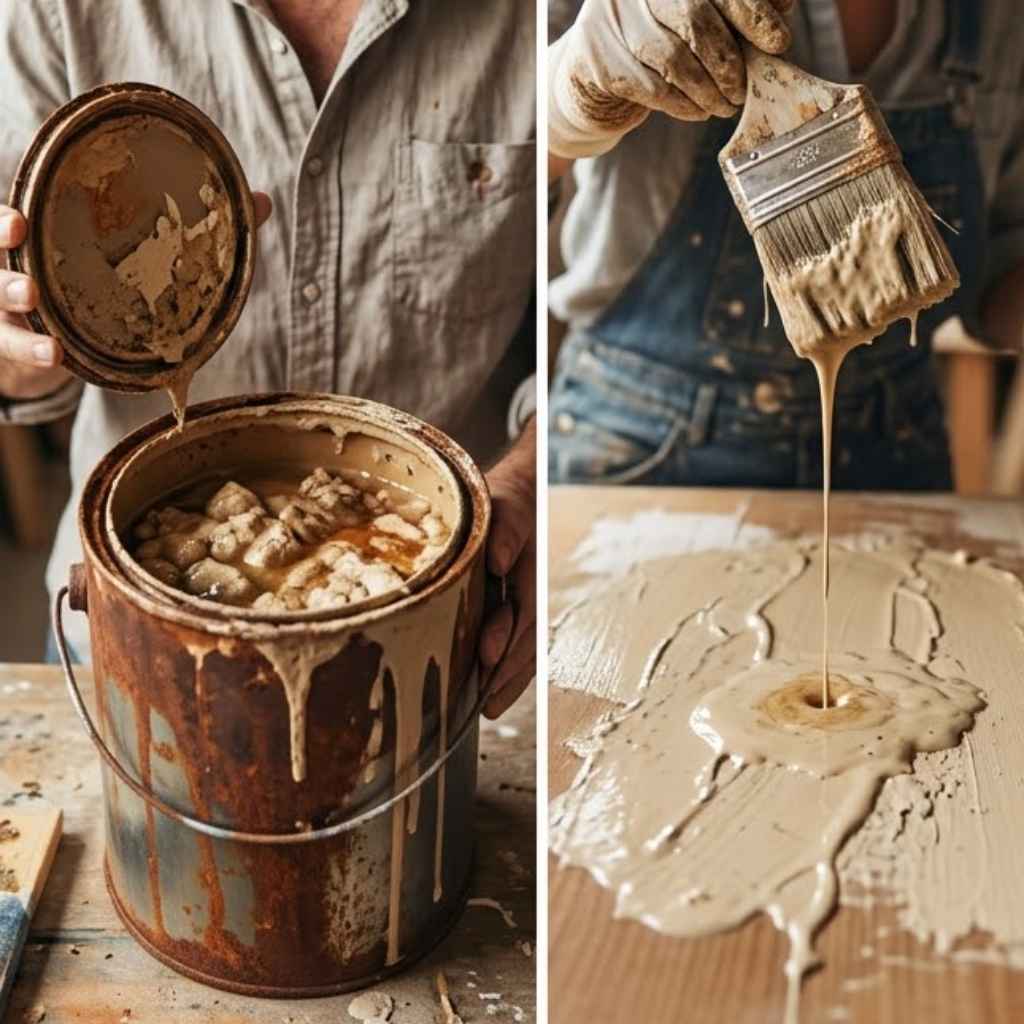
You might also notice significant separation. While some separation is normal in paint, especially water-based types, it should usually mix back together with stirring. If the paint has separated into distinct, hard layers that refuse to combine, or if there’s a thick, clumpy layer of solid material at the bottom, it’s likely spoiled.
This separation indicates the binders and pigments have broken down.
Sometimes, the paint can develop a hard, solid layer on top. This isn’t just dried paint from being opened; it’s a thick, rubbery or concrete-like mass that’s impossible to break up. This usually happens when the paint has been exposed to air for too long or at fluctuating temperatures.
It means the paint has lost its usable properties.
Texture is also important. If the paint feels lumpy, gritty, or stringy when you try to stir it, even after vigorous mixing, it’s probably bad. This can be due to dried-out bits, degraded binders, or the aforementioned microbial action.
Smooth, creamy consistency is what you want.
Lastly, check how the paint behaves if you try to apply a small test patch. If it doesn’t adhere properly, beads up, or peels off easily, it’s a sign the binders have failed. Expired paint often lacks its intended adhesive qualities.
It just won’t stick to the wall the way it should.
Quick Paint Check Guide
Smell Test: Take a whiff. Sour, rotten, or sewage smells mean NO.
Visual Inspection: Look for mold, fuzzy bits, or hard layers. Green, black, or pinkish growth is bad.
Consistency Check: Stir well. Does it mix smoothly? Gritty, lumpy, or stringy is a problem.
Separation: Some separation is okay, but if it’s hard to mix back or forms solid blocks, it’s expired.
Adhesion Test: If in doubt, paint a small scrap piece. Does it stick? If not, toss it.
What Causes Paint to Go Bad?
Several factors contribute to paint spoiling over time. Understanding these can help you store your paint better and extend its life. It’s not just about age; it’s about the conditions the paint is kept in.
Improper Storage Temperature: This is a big one. Extreme heat or cold can ruin paint. If paint freezes, the water in latex and acrylic paints can expand, breaking the emulsion.
This can cause the paint to separate permanently, making it unusable. High heat can accelerate chemical breakdown and drying. Try to store paint in a climate-controlled area, like inside your home if possible, rather than in a hot garage or cold shed.
Poor Seal on the Can: When you’re done with a can, it’s crucial to seal it tightly. If the lid isn’t on properly, air can get in. This leads to drying, the formation of a hard skin on top, and can also allow moisture to enter, which promotes mold growth.
Even a small gap can be enough to let contaminants in over time.
Age: While not the sole factor, age plays a part. Paint manufacturers have estimated shelf lives, and after a certain point, the chemical components just naturally degrade. A sealed can of latex paint might last 2-5 years, while an oil-based one could last 5-15 years.
But these are estimates; storage conditions are more important.
Contamination: If you’ve accidentally introduced water, dirt, or other foreign substances into the paint can, it can speed up spoilage. Always use clean tools when stirring or dipping into paint. Don’t reuse old stir sticks that might have dried paint on them.
Quality of the Paint: Cheaper, lower-quality paints might not have the same preservatives or stable formulations as premium brands. This can sometimes mean they have a shorter shelf life or are more susceptible to spoilage.
Real-World Scenarios and Experiences
I remember one particularly frustrating Saturday. I was supposed to be painting my daughter’s room. It was a simple job, just refreshing the walls with the same pale blue she loved.
I went to the basement where I kept my paint supplies. I grabbed a can I’d bought maybe three years prior, thinking it would be fine. It had been stored on a shelf, not directly on the concrete floor, which was good.
But when I opened it, the smell hit me. It was that unmistakable, rotten-egg, sour milk funk. My heart sank.
I looked inside, and sure enough, there were these murky greenish-black patches floating on the surface. Even after I tried to stir it, it remained lumpy and stringy. Some parts were like a thick sludge.
I knew instantly this paint was toast. The frustration wasn’t just about the wasted paint; it was about the wasted time and the immediate delay to my project. I had to run to the hardware store, hoping they had the same color in stock, and hope it matched closely enough.
It was a good reminder that you can’t just assume old paint is good paint.
Another time, I was helping a friend clean out her garage. She had several cans of interior white paint that were at least ten years old. We opened one, and it was completely solidified.
It was like a block of plaster inside the can. Another had a thick, dry skin that wouldn’t break up. The only one that seemed okay was a small, half-used can that she’d sealed very carefully with plastic wrap under the lid and then hammered the lid down tight.
It still had a bit of that chemical smell, but it mixed down to a usable consistency. That experience taught me the immense value of a proper seal.
Common Paint Storage Mistakes
Storing in Uncontrolled Temperatures: Freezing or extreme heat in garages or sheds is a killer for paint.
Not Sealing the Lid Properly: A loose lid lets in air and moisture, causing drying and mold.
Leaving Stir Sticks in the Can: These can introduce contaminants and prevent a good seal.
Storing on Concrete Floors: Concrete can leach moisture and cause temperature fluctuations.
Not Cleaning the Rim: Dried paint on the rim prevents the lid from sealing tightly.
What This Means for Your Projects
Knowing that paint can go bad is important for several reasons. It directly impacts the quality of your finished project and your wallet.
Poor Adhesion and Durability: Expired paint often loses its binding properties. This means it won’t stick well to the surface. You might end up with paint that peels, chips, or chalks off much sooner than expected.
This leads to premature failure of your paint job, requiring costly and time-consuming repainting.
Uneven Finish: Lumpy, gritty, or separated paint is impossible to apply smoothly. You’ll see brush strokes, roller marks, and an overall patchy appearance. Even if you try to strain it, the underlying chemical degradation means the finish won’t be uniform.
It will look amateurish and unappealing.
Color Inconsistency: Over time, pigments can settle or degrade. If the paint is spoiled, the color you apply might not be the color you expected. This is especially true for custom-mixed colors.
You might get streaks of different shades on your wall.
Health Concerns: Mold and bacteria in paint can release spores into the air as you paint. Inhaling these can cause respiratory problems, especially for those with allergies or asthma. Always ensure good ventilation, but it’s best to avoid painting with contaminated paint altogether.
Wasted Effort and Materials: Applying bad paint means you’ll likely have to scrape it off and start over. This wastes not only the bad paint but also primer, tape, drop cloths, and your valuable time. It’s far better to discover the paint is bad before you start.
When It’s Normal and When to Worry
It’s helpful to know what’s normal for paint and when it’s a sign of trouble. Most paints, especially water-based ones, will have a slight separation over time.
Normal: A thin layer of dried paint on the very top surface if the can wasn’t sealed perfectly. Some pigment settling at the bottom, which mixes back with stirring. A mild, fresh chemical smell when you first open it.
When to Worry: A strong, foul odor (sour, rotten, sewage). Visible mold growth (fuzzy green, black, pink). A thick, rubbery, or hard layer that won’t mix.
The paint being gritty, stringy, or lumpy even after prolonged stirring. The paint failing to adhere to a test surface. Water separating from the paint and refusing to reintegrate.
If you’re unsure, always err on the side of caution. It’s not worth risking a bad finish or health issues for the cost of a new can of paint.
Quick Fixes and Tips for Storing Paint
While you can’t “fix” spoiled paint, you can prevent it. Proper storage is key to making your paint last as long as possible.
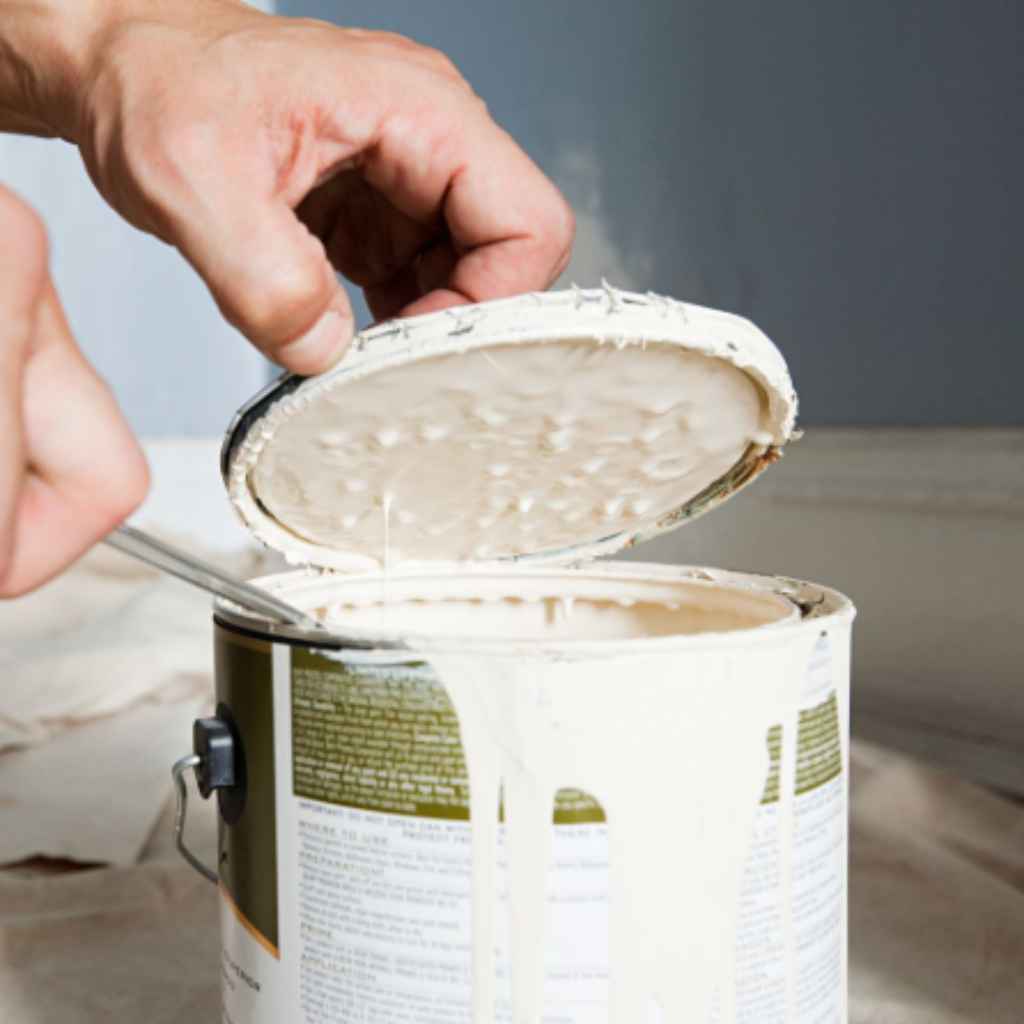
- Seal it Tight: After use, wipe the rim of the can clean with a damp cloth. Place a piece of plastic wrap over the opening before putting the lid back on. This creates an extra seal. Then, gently tap the lid down all around with a rubber mallet or the handle of a screwdriver. Never use a hammer, as it can damage the lid or rim.
- Store Upright: Always store paint cans upright. This minimizes the surface area exposed to air if the seal isn’t perfect and prevents leaks.
- Climate Control: The ideal storage temperature is between 50°F and 80°F (10°C and 27°C). Avoid extreme temperatures. If you live in a place with harsh winters or hot summers, consider storing leftover paint inside your home, perhaps in a closet or utility room, away from direct sunlight and heat sources.
- Avoid Concrete Floors: Dampness and temperature fluctuations from concrete can affect paint. Store cans on shelves or wooden pallets.
- Keep the Original Label: The label contains important information like the color name, code, sheen, and manufacturer. This is vital if you need to buy more later.
- Use Stirring Sticks Wisely: Don’t leave stir sticks in the can. If you must, let them dry completely before closing. Better yet, use a clean one each time.
- Buy Only What You Need: For small touch-ups, consider buying sample pots or mixing a small amount yourself if you have multiple open cans of the same color.
Paint Storage Best Practices
Tight Seal: Plastic wrap under the lid plus a tapped-down lid.
Upright Storage: Always store cans standing on their bottoms.
Ideal Temp: Aim for 50-80°F (10-27°C) – no freezing, no extreme heat.
Elevated Storage: Keep off cold, damp concrete floors.
Clean Rim: Wipe down the can’s rim before sealing.
Frequently Asked Questions about Expired Paint
How long does latex paint usually last?
Unopened, properly stored latex paint can last about 2 to 5 years. Once opened and resealed, it might last around 1 to 3 years, depending heavily on storage conditions and how well it was sealed.
Can I strain old paint to make it usable?
Straining paint can remove lumps or solid bits, but it won’t fix the underlying chemical breakdown or microbial contamination. If the paint smells bad or has mold, straining won’t make it safe or effective to use. It might help a little if it’s just slightly separated, but it’s a gamble.
Is it safe to paint with moldy paint?
No, it is generally not safe to paint with moldy paint. The mold can release spores into the air, which can cause respiratory issues and allergic reactions. Plus, the paint’s adhesion and finish will be compromised.
What’s the difference in shelf life between latex and oil-based paint?
Oil-based paints generally have a longer shelf life than latex paints. Unopened, oil-based paint can last anywhere from 5 to 15 years, while latex might only last 2 to 5 years. However, storage conditions are always the most critical factor for both types.
My paint has a thin, dry layer on top. Is it bad?
A very thin, brittle skin on top might be usable if it separates easily and the paint underneath mixes well and smells okay. However, if the skin is thick, rubbery, or doesn’t break up, or if the paint underneath has other signs of spoilage, it’s best to discard it.
Can I reuse paint that has frozen and thawed?
If latex or acrylic paint has frozen and thawed, it has likely been damaged. The emulsion can break, leading to permanent separation and a gritty texture. It’s usually not recommended to use paint that has been frozen, as it won’t perform well.
Conclusion: Trust Your Senses When It Comes to Paint
So, to wrap it up, yes, paint can and does go bad. The key is to pay attention to the signs. A foul smell, visible mold, or a strange texture are your biggest clues.
Proper storage is your best defense against premature spoilage. Always seal your cans tightly and store them in a moderate environment.
Don’t risk your projects or your health by trying to revive truly expired paint. A new can of paint is an investment, but it’s a small price to pay for a beautiful, durable finish that lasts. Trust your senses, store your paint wisely, and you’ll be ready for any painting task.
Sponsored / affiliate links. As an Amazon Associate I earn from qualifying purchases. I may earn additional commission from eligible campaigns.