Can Paint Go Down The Drain? What You Need To Know
It’s a common question that pops up when you’re cleaning brushes or clearing out old cans. You might be wondering, “Can paint go down the drain?” It seems easy to just rinse and forget. But this small act can lead to big problems for your pipes, your local sewer system, and even the environment.
Let’s dive into what really happens when paint meets your drain. We’ll explore the best ways to handle leftover paint so you can keep your home running smoothly and be kind to our planet.
No, paint should not go down the drain. Most types of paint, especially latex and oil-based, can clog pipes, damage plumbing and sewer systems, and harm the environment. Proper disposal is key to preventing these issues.
Understanding Paint and Your Plumbing
Paint is made of several parts. It has a pigment for color. It has a binder to hold the pigment together.
It also has a liquid carrier, like water or oil. When you wash paint off tools, some of these parts can go down the drain. Even water-based paints have binders and pigments.
These don’t just disappear. They can stick to pipe walls. Over time, this buildup gets thicker.
It can slow down water flow. Eventually, it can cause a complete blockage.
Oil-based paints are even trickier. Their oil component doesn’t mix with water. It can separate and coat pipes.
This is like grease buildup in your kitchen sink. It’s hard to remove. It attracts other debris.
This makes the clog worse. Sewer systems are designed to handle waste water. They are not designed for paint solids.
When paint gets into the sewer, it can mess up the treatment process. It can also harm the helpful bacteria that clean the water.
Think about your pipes like tiny rivers. If you dump sand or mud into a river, it slows down. It piles up.
Paint acts the same way. The pigment particles and binder can settle. They form a sticky layer.
This layer hardens over time. It becomes very difficult to break apart. So, that quick rinse might seem harmless now.
But it’s a small step that contributes to a larger problem down the line.
Even small amounts add up. Many people might think rinsing a single brush is fine. But when hundreds or thousands of homes do this, it creates a massive issue for the city’s water treatment plants.
These plants spend a lot of money and effort to clean water. Paint in the water makes their job much harder and more expensive. It’s a collective problem that needs collective awareness.
My Own Paint Mishap
I remember one time years ago. I was painting a small accent wall in my spare room. It was a lovely deep blue.
I finished late at night. My brushes were coated. I was tired.
My thought was, “Just a quick rinse.” I ran them under the tap. Water seemed clear enough when it went down. I didn’t think twice about it.
The next morning, my bathroom sink was draining very slowly. I figured it was just coincidental. Maybe some hair built up.
But then my kitchen sink started doing the same thing. It was slow. Then it stopped completely.
Panic set in. I called a plumber. He arrived with his snake.
He said, “Looks like a buildup. Grease, maybe?” I felt a knot in my stomach. I remembered the paint.
I sheepishly told him about my late-night painting session. He sighed. He explained that latex paint, even water-based, contains binders and plastic-like particles.
These harden over time.
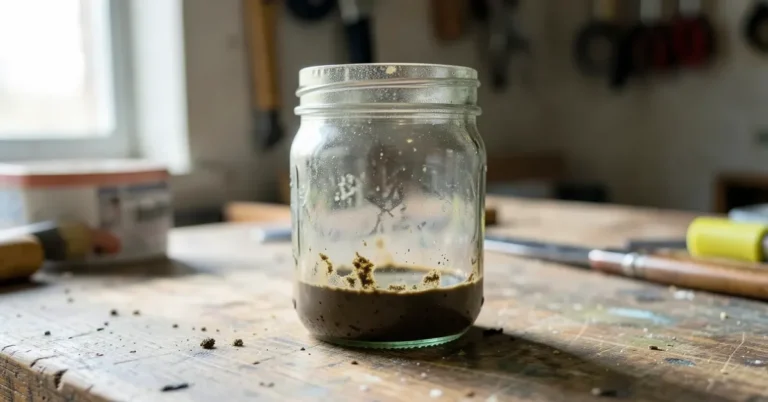
He showed me the gunk he pulled out. It was a thick, rubbery sludge. It was mixed with hair and soap scum.
He said, “This is becoming more common. People don’t realize paint isn’t like regular dirt. It’s designed to stick and dry.” The plumber’s visit was costly.
It was also a huge inconvenience. That experience taught me a valuable lesson. It’s not just about the immediate clog.
It’s about the long-term health of my home’s plumbing and the wider environment.
Ever since then, I’m super careful. I keep a separate bucket for rinsing brushes. I let the paint solids settle.
Then I pour off the cleaner water. The leftover sludge? That gets treated like trash.
It’s a small change in my routine. But it makes a big difference. It saved me plumber bills and a whole lot of stress.
It also makes me feel better knowing I’m not contributing to a bigger problem.
Paint Disposal: A Quick Guide
What to do with leftover paint:
- Use it up: Always try to use all the paint. Do touch-ups or paint another small item.
- Donate it: Local charities, community groups, or theater groups might need it.
- Dry it out: For latex paint, stir in cat litter or sawdust until it’s thick. Air dry it completely.
- Special disposal: Check with your local waste management for hazardous waste collection days or specific paint recycling programs.
Real-World Consequences of Draining Paint
The impact of paint going down the drain extends far beyond your own home. It’s a widespread issue that affects communities and ecosystems. Sewer systems are complex networks.
They are designed to carry waste water from homes and businesses to treatment plants. When paint enters this system, it can cause several problems.
One major issue is pipe corrosion. Some paints contain chemicals that can slowly eat away at metal pipes. This weakens them over time.
It can lead to leaks and costly repairs. For older homes with metal plumbing, this is a serious concern. The cost to repair or
Another consequence is the impact on wastewater treatment plants. These plants use biological processes to clean water. They rely on specific types of bacteria.
These bacteria break down waste. Paint solids and chemicals can kill these helpful bacteria. This disrupts the entire treatment process.
It means the water sent back into rivers or lakes might not be clean enough. This harms aquatic life and can make the water unsafe for other uses.
The U.S. Environmental Protection Agency (EPA) has guidelines on hazardous waste. Many paints, especially older oil-based ones, fall into this category.
They contain volatile organic compounds (VOCs). VOCs can evaporate into the air. They contribute to air pollution.
They can also cause health problems for people. Disposing of them improperly means these harmful chemicals end up in our water and air.
Local governments spend millions of dollars annually on sewer maintenance and repair. They deal with blockages caused by grease, wipes, and yes, paint. When homeowners properly dispose of paint, they reduce the burden on these public services.
They also protect the shared infrastructure that serves everyone.
Latex vs. Oil-Based Paint: What’s the Difference for Drains?
Latex Paint (Water-Based):
- Binder: Acrylic polymers.
- Carrier: Water.
- Drain Risk: Binders and pigments can dry and stick to pipes, forming a solid mass. Less toxic than oil-based but still causes clogs.
Oil-Based Paint:
- Binder: Alkyd resins.
- Carrier: Mineral spirits, turpentine, or other solvents.
- Drain Risk: Oils and solvents coat pipes, attract debris, and are very hard to remove. Often contain more VOCs and are considered hazardous.
When Is Paint Not a Problem (Or Less of One)?
It’s important to clarify that not all liquid waste is bad for drains. For instance, plain water is perfectly fine. Even dilute soapy water from washing dishes generally won’t harm your plumbing in the long run.
The issue with paint is its composition. It’s designed to form a durable coating. This is exactly what makes it problematic for pipes.
The key difference lies in what happens to the liquid once it enters the drain. Water evaporates or flows through. Soap breaks down and gets diluted.
Paint, on the other hand, contains solids (pigments) and binders. These don’t break down easily. They tend to stick.
Even water-based paint leaves behind these sticky residues.
Some very old or diluted stains might not cause an immediate issue. But the risk is always there. Experts agree that the safest approach is to avoid putting any paint down the drain, no matter how little or how diluted it seems.
Think of it as a preventative measure. It’s better to be safe than sorry when it comes to your plumbing and the environment.
Consider the context. If you’re rinsing a tiny bit of paint from a nearly dry brush, the volume of water might dilute it significantly. However, the solid particles and residual binder are still present.
These can adhere to pipe walls. This is especially true in older pipes with rough surfaces.
The most critical distinction is between paint that has dried and paint that is still wet. Once paint dries, it’s essentially a plastic film. You wouldn’t put plastic down your drain.
Wet paint has the potential to solidify inside your pipes. This is the primary danger. So, even if it seems harmless in liquid form, its tendency to dry and harden is its downfall for plumbing.
Normal vs. Concerning Paint Residue
Normal Paint Residue (after drying):
- A thin, dry film on tools if not cleaned properly.
- Small, dried flakes that might be brushed away.
Concerning Paint Residue (potentially going down the drain):
- Wet paint or paint sludge in a rinse bucket.
- Thick, creamy paint residue on brushes or rollers.
- Any paint that still has its liquid carrier (water or solvent).
What This Means for Your Home Projects
Knowing that paint shouldn’t go down the drain changes how you approach painting projects. It means you need a plan for cleanup before you start. This isn’t meant to scare you.
It’s about being prepared and making smart choices. Small changes in your routine can prevent big headaches later.
For latex paints, have a bucket ready. When you clean brushes or rollers, use this bucket. Don’t rinse directly under the tap.
Swish your tools in the bucket. Let the water and paint solids settle. The water on top will be much clearer.
You can carefully pour this off into a different container. The sludge and solids at the bottom are what need special attention.
For oil-based paints, disposal is often a bit stricter. Many local hazardous waste programs accept oil-based paints. Never pour these down the drain, even after settling.
The solvents in them are harmful to the environment and can damage plumbing more aggressively than latex binders.
What about empty paint cans? If they are truly empty and dry, they can often be recycled with regular metal. Some localities have specific rules.
Always check with your local waste management. A thin layer of dried paint inside the can is usually okay for recycling. But if there’s a significant amount of liquid or sludge, it needs different handling.
Consider the lifespan of your paint. If you have old paint that’s been sitting for years, it might be starting to thicken or separate. This is a sign that it’s nearing the end of its useful life.
It also means the binders might be breaking down. Proper disposal is even more important for older paint.
Smart Paint Cleanup Steps
- Step 1: Prepare a Rinse Station. Get a disposable bucket.
- Step 2: Initial Rinse. Rinse brushes/rollers in the bucket first.
- Step 3: Let it Settle. Allow paint solids and water to separate in the bucket.
- Step 4: Carefully Pour. Pour off the clearer water into a disposable container or down the drain if your local authority permits minimal, very dilute amounts (check first!).
- Step 5: Dry Out Sludge. Mix remaining paint sludge with cat litter, sawdust, or shredded paper in a cardboard box. Let it dry completely in a well-ventilated area away from children and pets.
- Step 6: Dispose of Solids. Once fully dry, dispose of the hardened paint solids in your regular trash, or follow local hazardous waste guidelines.
Quick Fixes and Tips for Paint Waste
When you have leftover paint or paint-related waste, it’s natural to look for quick fixes. The goal is always to get rid of it safely and easily. The best “fix” is often a proactive approach that prevents waste in the first place.
Use it up: Before you even think about disposal, ask yourself if you can use the paint. Maybe you need to touch up scuffs on walls. Or perhaps you have a small piece of furniture you could paint.
Donating is also a great option. Many community centers, schools, or Habitat for Humanity ReStores accept usable paint.
Drying latex paint: For water-based latex paints, the most common method for disposal is to dry them out. You can buy special paint hardeners. Or, you can use common household items.
Cat litter is excellent for this. Sawdust or even shredded newspaper works too. Mix it into the paint in a disposable container.
Stir until it becomes thick and won’t spill. Then, leave the container open in a well-ventilated area. Let it dry completely for several days.
Once it’s solid, you can usually throw it in your regular trash.
Oil-based paint: These are typically considered household hazardous waste. They should NOT be dried out and thrown in the regular trash. You need to take them to a designated hazardous waste collection site.
Your local sanitation department or county website will have information on these sites and their operating hours. Never pour oil-based paint or its solvents down the drain or onto the ground.
Empty cans: If a paint can is truly empty and dry, it can often be recycled. Check with your local recycling center. They might have specific instructions.
Some require the lids to be removed. Others want the cans with lids on. A thin layer of dried paint residue inside is usually acceptable.
Small amounts: For very small amounts of dried latex paint, like from a single brush cleaning after it has dried in the bottom of a bucket, these can typically go in your regular trash. The key is that it must be completely solid and dry. The goal is to prevent any liquid from entering the wastewater system.
Paint Disposal Flowchart (Simplified)
Have leftover paint?
- Use it up? (Touch-ups, other projects) -> Yes: Done!
- Donate it? (Charities, schools) -> Yes: Done!
- Latex Paint? -> Yes: Dry it out (cat litter, sawdust). Once solid, dispose in trash (check local rules).
- Oil-Based Paint? -> Yes: Take to Household Hazardous Waste (HHW) collection. DO NOT put in trash or down drain.
- Empty Can? -> Yes: Recycle (check local rules).
Frequently Asked Questions About Paint and Drains
Can I pour a little bit of latex paint down the drain?
It’s strongly advised not to. Even small amounts of latex paint contain binders and pigments that can accumulate in pipes. Over time, this buildup can cause clogs.
It’s best to dry out latex paint and dispose of it as solid waste.
What happens if oil-based paint goes down the drain?
Oil-based paint is more harmful. Its solvents can damage pipes and contaminate water. The oil component can coat pipe walls, attracting debris and leading to severe blockages.
It’s considered hazardous waste and needs special disposal.
How do I dry out latex paint to throw it away?
To dry out latex paint, mix it with an absorbent material like cat litter, sawdust, or shredded paper in a disposable container. Stir until it’s thick. Let it air dry completely in a well-ventilated area for several days.
Once solid, it can usually go in your regular trash.
Where can I take old paint for disposal?
Check with your local waste management authority. Many areas have designated Household Hazardous Waste (HHW) collection sites or special recycling events for paint. Some hardware stores also offer paint recycling programs.
Are dried paint cans safe to put in recycling?
Generally, yes, if the can is completely empty and dry. A thin layer of dried residue is usually okay. Always confirm with your local recycling facility, as rules can vary.
Does rinsing paint brushes with water harm my septic system?
Yes, it can. If you have a septic system, paint solids and binders can accumulate in the tank and leach field, causing serious damage and expensive repairs. It’s crucial to properly manage paint waste and avoid putting it into your septic system.
What if I accidentally poured paint down the drain?
If it was a very small amount of latex paint and it was recent, you might be able to flush it with a lot of hot water. However, if you notice slow drains or clogs, call a plumber. For larger spills or any oil-based paint, contact your local water authority or environmental agency for guidance.
Conclusion
So, can paint go down the drain? The simple answer is no. It’s a common habit that carries real risks.
From clogged pipes and damaged plumbing to harm to our environment, the consequences are significant. By taking a few extra steps, like drying out latex paint or using designated disposal sites for oil-based paints, you protect your home and our shared resources. Proper paint disposal is a small effort with a big positive impact.
Sponsored / affiliate links. As an Amazon Associate I earn from qualifying purchases. I may earn additional commission from eligible campaigns.