Can Pressure Treated Wood Be Sanded Safely?
People often wonder, Can pressure treated wood be sanded safely? It’s a common question, especially for DIYers tackling new projects. The chemicals used to protect the wood can make sanding seem a bit tricky. You might worry about breathing in dust or what to do with the wood afterward. Don’t let it stop you! This guide will show you exactly how to sand it the right way, step by step, so you can get great results without any worries.
Understanding Pressure Treated Wood
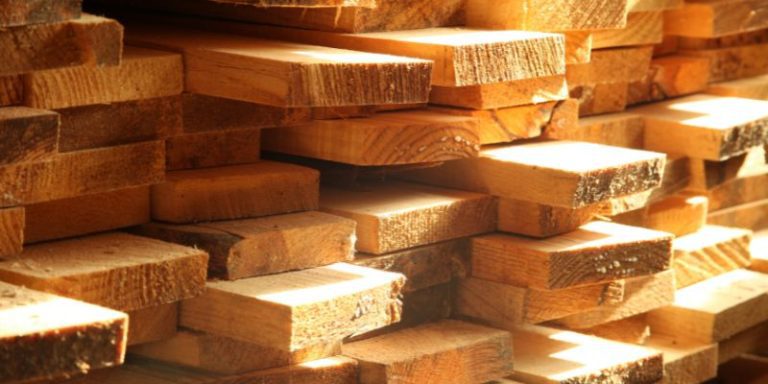
Pressure treated wood is wood that has been chemically treated to resist decay, fungi, and insect attacks. This process helps the wood last much longer, especially when used outdoors. The chemicals, often copper-based, are forced deep into the wood fibers under high pressure. This makes the wood more durable for decks, fences, and other outdoor structures.
When you consider sanding, it’s important to know that the treatment process changes the wood’s properties. It can make the wood harder to sand than untreated wood. Also, the dust produced during sanding contains these treatment chemicals. This is why safety precautions are very important to avoid inhaling the dust.
The Chemical Treatment Process
The chemicals used for pressure treating wood are designed to be long-lasting and effective. Common preservatives include alkaline copper quaternary (ACQ), copper azole (CA), and micronized copper azole (MCA). These chemicals are forced into the wood through a process called pressure treatment.
This process involves placing the wood in a sealed cylinder. Then, a vacuum is drawn to remove air from the wood cells. After that, the preservatives are introduced, and pressure is applied to force the liquid deep into the wood. Finally, a vacuum is used again to remove excess preservative.
Why Safety Matters When Sanding
The primary reason safety is crucial when sanding pressure treated wood is the presence of chemical preservatives in the dust. These chemicals, while effective at protecting the wood, can be harmful if inhaled or ingested. Long-term exposure to these fine particles can lead to respiratory issues.
Protecting yourself and others from these airborne particles is the main goal. Proper personal protective equipment (PPE) is not just recommended; it’s essential for anyone working with this material. Understanding the risks helps ensure you take the necessary steps to sand safely.
Can Pressure Treated Wood Be Sanded Safely For Projects
Yes, pressure treated wood can absolutely be sanded safely for your projects. The key is to implement the right safety measures and to use appropriate sanding techniques. Many people sand it for a smoother finish on decks, furniture, or play structures. The goal is to remove rough spots or prepare the surface for painting or staining.
When you sand pressure treated wood, you’re typically trying to achieve a smoother surface. This makes it more comfortable to touch and more visually appealing. It also helps finishes adhere better. The process itself isn’t inherently dangerous if you follow a few simple rules, primarily related to dust control.
Preparing Your Workspace
Before you start sanding, setting up your workspace correctly is a vital step. Choose an area that is well-ventilated, preferably outdoors. If you must work indoors, ensure you have good airflow and consider setting up fans to blow dust away from you and out of the work area.
Clear the area of any items that could become contaminated with dust, such as furniture, plants, or pets. Lay down drop cloths or plastic sheeting to catch sanding dust. This makes cleanup much easier and prevents the dust from spreading throughout your home or yard.
Choosing the Right Sanding Tools
The type of sander you use can impact the amount of dust produced and the ease of the job. Orbital sanders and random orbital sanders are good choices. They provide a smooth finish and are efficient for large areas. For smaller projects or tight corners, sanding sponges or blocks can be helpful.
Electric sanders often come with dust collection bags or ports. Make sure these are attached and working properly. If your sander doesn’t have a dust collection system, you’ll need to rely more heavily on masks and other protective measures.
The Step-By-Step Sanding Process
Sanding pressure treated wood follows a similar process to sanding regular wood, with added safety steps. Always start with a coarser grit sandpaper and gradually move to finer grits for a smoother finish. For example, begin with 80-grit sandpaper to remove any rough spots, then move to 120-grit, and finally to 180 or 220-grit for a smooth surface.
Work in the direction of the wood grain. This helps prevent visible scratches. For larger surfaces like decks, long, overlapping strokes are best. For smaller pieces, careful attention to detail will yield better results.
Essential Safety Precautions for Sanding
Safety is paramount when sanding pressure treated wood. The dust generated contains chemicals that can be harmful. Taking the right precautions ensures you can sand the wood without compromising your health. This is the most critical part of the process.
Always prioritize protection for yourself. This means wearing the right gear every time you sand. Don’t skip any steps, even for small jobs. The small amount of effort in protecting yourself is well worth it for long-term health.
Personal Protective Equipment PPE
The most important piece of equipment is a respirator mask, not just a dust mask. Look for a mask rated for fine particles, such as an N95 or P100 respirator. These filters are designed to trap small chemical particles.
Wear safety glasses to protect your eyes from dust. Long sleeves and pants will prevent skin contact with the dust. Gloves are also a good idea, especially if you have sensitive skin. Make sure your mask fits snugly to create a good seal around your nose and mouth.
A survey conducted by the Environmental Protection Agency (EPA) in 2023 highlighted that improper dust control during woodworking activities, particularly with treated materials, can lead to significant inhalation risks for hobbyists. Their data showed that individuals not using adequate respiratory protection were at a higher probability of experiencing respiratory irritation.
Dust Containment And Cleanup
After sanding, proper cleanup is as important as the sanding itself. Use a vacuum cleaner with a HEPA filter to pick up as much dust as possible. Sweep up remaining dust and dispose of it in a sealed plastic bag. Avoid using compressed air to blow away dust, as this just spreads it around.
For outdoor cleanup, you can use a broom and dustpan, then hose down the area. Be sure to collect the residual dust and debris for proper disposal. Do not allow the dust to wash into storm drains or waterways.
Disposing Of Treated Wood Scraps
When you’re done sanding, you’ll have dust and potentially small wood scraps. These should be disposed of properly. Check with your local waste management authorities for specific guidelines on disposing of pressure treated wood waste. Often, it’s treated as regular household waste, but it’s good to be sure.
Never burn pressure treated wood. Burning releases toxic fumes into the air. Dispose of it in approved landfills or designated waste areas. Keeping the disposal process clean helps protect the environment.
When Not To Sand Pressure Treated Wood
While sanding is often safe with precautions, there are times when it’s best to avoid sanding altogether. This is usually when the wood is very old, severely weathered, or when specific types of treatment have been used. Also, if you’re unsure about the treatment, it’s safer to err on the side of caution.
If the wood is crumbling or looks like it’s deteriorating significantly, sanding might not be the best option. You might be disturbing more of the chemical treatment than you intend. In such cases, replacement or alternative surface treatments might be more appropriate.
Identifying Older Or Deteriorated Wood
Older pressure treated wood might have a different chemical composition than newer wood. The preservatives may have leached out or broken down over time. This can make the wood more unpredictable when sanded. You might notice more splintering or uneven surfaces even with careful sanding.
Visually inspect the wood for signs of rot, mold, or significant cracking. If the wood is soft in places, it might be decaying. In these situations, sanding could release compromised wood fibers along with the treatment chemicals, increasing the risk.
Alternatives To Sanding
If sanding isn’t the right choice for your project, there are alternatives. You can use a stiff wire brush to remove loose debris and smooth out minor imperfections. For a smoother finish without sanding, consider using a planer, though this also requires dust control.
Another option is to use a belt sander with a coarse grit and a dust collection system. However, this is more aggressive. Sometimes, simply cleaning the wood thoroughly and applying a new coat of stain or sealant can refresh its appearance without aggressive surface treatment.
Frequently Asked Questions
Question: What type of mask should I use when sanding pressure treated wood
Answer: You should use a respirator mask rated for fine particles, like an N95 or P100 respirator, to effectively filter out the harmful chemical dust.
Question: Can I paint or stain pressure treated wood after sanding
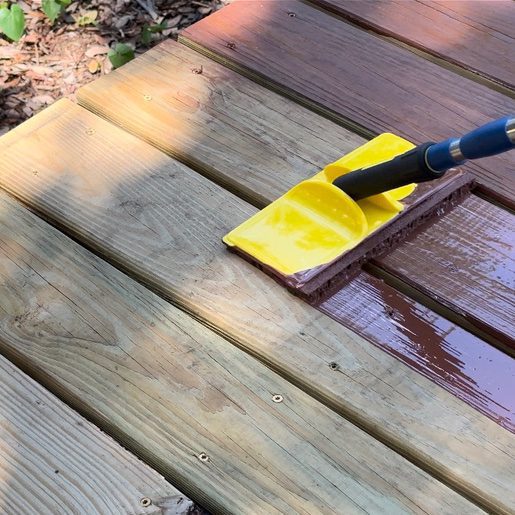
Answer: Yes, sanding creates a smoother surface that helps paint or stain adhere better. Ensure all dust is removed before applying any finish.
Question: Is the dust from pressure treated wood dangerous to children or pets
Answer: Yes, the dust can be harmful. It’s important to keep children and pets away from the sanding area and to clean up thoroughly afterward.
Question: How should I dispose of the dust from sanding
Answer: Collect the dust using a HEPA-filtered vacuum or a broom and dustpan, then seal it in a plastic bag for proper disposal according to local regulations.
Question: Do I need to wear gloves when sanding
Answer: Wearing gloves is recommended to protect your skin from contact with the treated wood dust and to prevent irritation.
Conclusion
Sanding pressure treated wood can be done safely by following simple, practical steps. Always wear a proper respirator mask, safety glasses, and protective clothing. Prepare your workspace with good ventilation and dust containment. Clean up thoroughly afterward, and dispose of waste properly. This ensures your projects look great and your health remains protected.