Does Pressure-Treated Wood Deter Carpenter Bees? Not Fully
Quick Answer
No — pressure-treated (PT) wood does not fully stop carpenter bees. Purdue and Clemson extension entomologists confirm the copper-based preservatives target fungal decay and termites, not boring bees. What actually matters most is the wood’s surface finish: a painted surface is a far more reliable deterrent than the chemical treatment itself, while wood stain offers little protection at all.
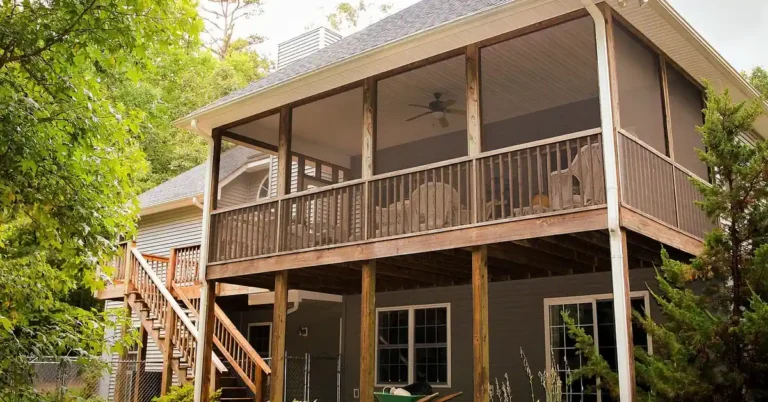
Homeowners with a pressure-treated deck, fence, or pergola often assume the chemicals baked into the lumber will keep carpenter bees from drilling into it. That assumption is only half-true. Below, we break down what university research actually says about PT wood and carpenter bees, how to tell bee damage from termite damage, and what genuinely works to protect your wood.
Carpenter Bees And Pressure Treated Wood
Carpenter Bee Protection: Traps & Repellents We’d Actually Buy
Best Carpenter Bee Trap
Amish-Made Rustic Cedar Carpenter Bee Trap (2-Pack)
A cedar-style wooden trap that lures bees away from your deck or fence toward a removable jar — no chemicals needed.
- Best for: Trapping carpenter bees away from wooden structures without chemicals
- Why we picked it: Handcrafted natural cedar mimics a real bee nest and won’t attract honeybees
- Main drawback: Needs to be hung and emptied regularly during peak season for best results
Compare more carpenter bee protection options
 Option 1 Donaldson Farms Carpenter Bee Repellent Spray, 8 oz
|
 Option 2 Natural Peppermint Oil Wasp & Bee Repellent (24-Pack)
|
 Option 3 Best Bee Brothers Ultimate Pro Carpenter Bee Trap (2-Pack)
|
As an Amazon Associate we earn from qualifying purchases.
Carpenter bees and pressure-treated wood are two topics that come up constantly in deck, fence, and pergola pest-control questions. Understanding how carpenter bees behave — and what pressure treatment actually does — helps homeowners and DIYers separate real protection from marketing claims.
Pressure-treated wood can reduce carpenter bee nesting compared to bare, untreated softwood, but it is not immune. Bees can still bore into treated or stained wood, especially if it’s the only wood available or if the surface has weathered.
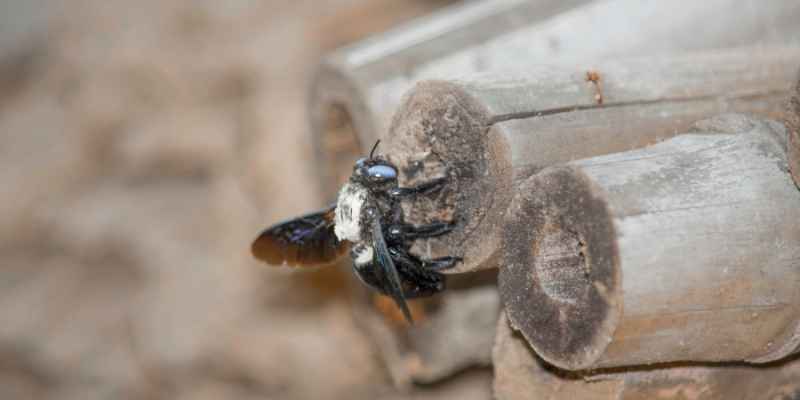
Characteristics Of Carpenter Bees
Carpenter bees are solitary bees that bore into wood to build nests — unlike honey bees or bumblebees, they don’t live in colonies. They’re often mistaken for bumblebees, but a shiny, hairless black abdomen gives them away.
- They prefer softwood — pine, fir, cedar, redwood, and cypress — for chewing and nesting.
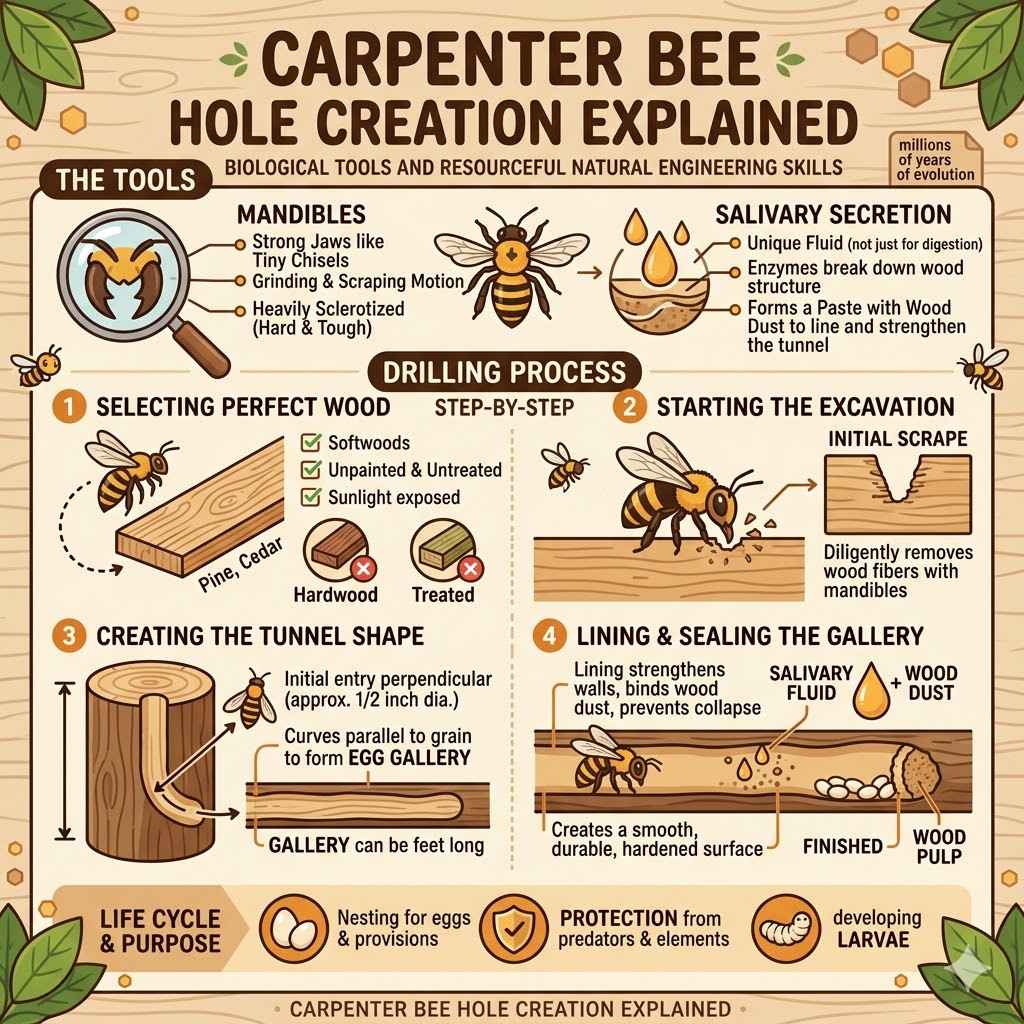
- They drill nearly perfectly round entrance holes about ½ inch in diameter.
- Females excavate tunnels 6–8 inches deep to lay eggs; males are territorial but have no stinger and cannot sting.
- Per Purdue Extension, carpenter bees do not eat wood — they feed on pollen and only use wood for nesting, so structural damage builds up slowly, over repeated seasons of tunneling in the same spot.
Pressure Treated Wood Explained
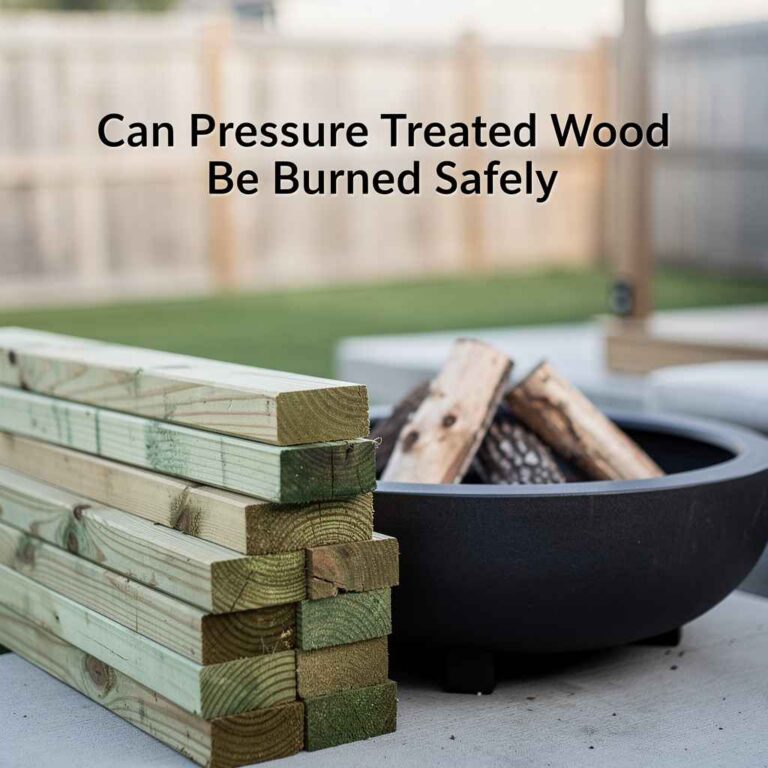
Pressure-treated wood is lumber infused with preservatives — typically copper-based compounds — forced into the wood fibers under pressure to resist fungal decay and wood-destroying insects like termites and wood-boring beetles.
Here’s the part most articles get wrong: those preservatives were engineered to stop insects that eat wood. Carpenter bees don’t eat wood — they only chew through it to create a nesting tunnel. So the copper compounds themselves aren’t a targeted bee repellent; treated wood is somewhat less attractive mainly because the treatment process leaves it harder and less porous than fresh, bare softwood. It is not a guaranteed barrier, and bees will still nest in treated lumber when better options aren’t available.
What Actually Deters Carpenter Bees: Paint vs. Pressure Treatment vs. Stain
This is the gap most carpenter-bee articles skip. We pulled the actual guidance from two university extension entomology programs to rank what really works:
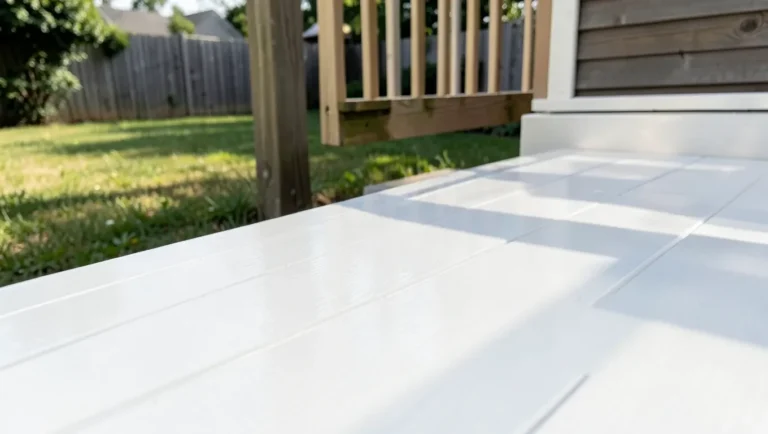
“Unpainted, exposed wood is especially attractive to carpenter bees. The most effective deterrent to carpenter bee activities is a painted (oil base or polyurethane) surface… Wood stains provide little repelling action.”
Purdue Extension entomologist Timothy J. Gibb backs this up, noting that “harder woods and those pressure treated or painted are less attractive to carpenter bees,” and that the best preventive control is “making woods less attractive by painting, pressure treating or varnishing” — in that rough order of effectiveness (source: Purdue Extension Entomology, E-252).
In plain terms, for a deck, fence, or pergola:
- Paint (oil-based or polyurethane) — the strongest deterrent according to both extensions.
- Pressure-treated, unpainted wood — moderately less attractive than bare wood, but still nestable.
- Stained wood — the weakest deterrent; Clemson HGIC specifically calls out that stains “provide little repelling action.”
The takeaway: if you’re building a new deck or pergola specifically to avoid carpenter bees, pressure-treated lumber that is also painted will outperform either treatment alone.
Bee Behavior With Treated Lumber
Carpenter bees are less likely to nest in pressure-treated or painted wood, though they may still target stained decks. Sealing cracks and holes with caulk, putty, or wood filler removes the entry points they look for, and naturally insect-resistant hardwoods like Black Locust add another layer of protection.
Carpenter Bees’ Nesting Preferences
Carpenter bees prefer bare, unpainted softwood — pine, fir, cedar, and eucalyptus — because of its softer texture, which is easier to chew through. Treated lumber isn’t their first choice, but if bare wood isn’t available, or if the treatment has weathered off over years of sun and rain exposure, they will nest in treated lumber too.
Myths About Pressure Treated Wood
Myth 1: Pressure-treated wood is completely resistant to carpenter bees.
False. It’s more resistant than bare softwood, but not immune — bees can and do nest in treated lumber.
Myth 2: Pressure treatment is a stronger deterrent than paint.
Backwards, per Clemson and Purdue extension data. A painted surface is the single most effective deterrent tested; pressure treatment alone is a secondary measure at best.
Myth 3: The chemicals in pressure-treated wood are toxic to carpenter bees.
Not by design. The copper-based preservatives target fungal decay and wood-eating insects like termites — carpenter bees don’t eat wood, so those chemicals were never formulated to kill or repel them specifically.
Wood Types And Bee Resistance
Naturally Resistant Wood Varieties
Some hardwoods are naturally less attractive to carpenter bees because of their density: Black Locust, Cedar, Redwood, Cypress, and Teak. (Note: cedar and redwood are commonly cited as bee-resistant, but their soft grain still makes them a realistic target — see our cedar and insect resistance guide for the full picture.)
Softwoods Vs. Hardwoods
Softwoods like pine and fir are easier for bees to chew and are a preferred target. Denser hardwoods like teak and black locust resist their mandibles far better, regardless of chemical treatment.
Preventive Measures Against Bees
Sealing And Caulking
Seal cracks, nail holes, and splinters with caulk, putty, or wood filler — carpenter bees look for existing weak points to start a tunnel, and eliminating those points removes the easiest entry sites. For a deeper walkthrough of sealing and painting techniques specifically for treated lumber, see our full guide to protecting wood from carpenter bees.
Chemical And Natural Repellents
Commercial insecticides labeled for wasp/bee control can be applied to wood surfaces or puffed into active tunnels (always follow the label). Some homeowners also use essential oils — citrus, peppermint, tea tree, or almond — as a natural deterrent sprayed directly onto wood or into holes. These are worth trying as a low-cost first step, but the scientific evidence behind essential oils is mostly anecdotal rather than lab-tested, so don’t rely on them alone for a severe infestation.
Physical Barriers And Deterrents
Nets or wire mesh screens placed over vulnerable openings let air and light through while blocking access. Filling holes with steel wool or caulk, or wrapping edges with metal flashing tape, creates a surface bees can’t grip or chew — a simple, low-cost physical deterrent that works regardless of the wood underneath.
Carpenter Bee Damage Vs. Termite Damage: How To Tell The Difference
Homeowners often confuse carpenter bee holes with termite damage, but the signs are distinct once you know what to look for:
| Sign | Carpenter Bees | Termites |
|---|---|---|
| Entry point | Perfectly round ½-inch holes on the wood surface | Mud tubes running along the surface, or no visible exterior holes at all |
| Debris | Coarse sawdust (frass) piled directly beneath the hole | Fine, pellet-like frass, or none visible since termites tunnel from within |
| Do they eat the wood? | No — they only tunnel to nest, feeding on pollen | Yes — they consume the wood fibers for food |
| Damage speed | Slow; takes years of repeated nesting in the same spot | Can be fast and hidden, since damage happens inside the wood |
| Stains | Yellow-brown streaking below holes from bee waste | Usually no exterior staining |
If you see mud tubes along a foundation wall or hollow-sounding wood with no visible entry hole, that points to termites, not carpenter bees — and calls for a different treatment approach (see our guide on carpenter ants and wood damage for another common look-alike).
Maintenance Tips To Protect Wood
Regular Inspections
Inspect decks, fences, and outdoor furniture at least once a year for round holes, sawdust piles, or bees hovering near the wood.
Patch, Repair, And Reseal
Fill any new holes with wood filler or putty, sand smooth, and repaint or restain to match. If damage is severe, replace the affected section — ideally with wood that has also been painted after treatment, since paint is the stronger deterrent of the two.
Alternatives To Pressure Treated Wood
If you’d rather avoid pressure-treated wood altogether, a few alternatives hold up well against carpenter bees:
Composite Materials
Wood-plastic composite decking resists insect damage entirely since bees can’t chew through the plastic content, though it costs more upfront than PT lumber and won’t match a natural wood grain.
Bee-Resistant Coatings
Purpose-made bee-repellent coatings add another option, though as with pressure treatment, they reduce risk rather than eliminate it.
Professional Solutions For Bee Infestations
For a recurring or heavy infestation that’s compromising a structural beam or rafter, a licensed pest control service can locate and treat active nests and advise on long-term prevention — including combining sealing, painting, and targeted insecticide application into one plan.
Frequently Asked Questions
Will pressure treated wood repel carpenter bees?
It reduces nesting somewhat compared to bare softwood, but it’s not foolproof — bees can still nest in treated or stained wood. Painting the wood is a more reliable deterrent than the treatment chemicals alone.
What wood is resistant to carpenter bees?
Pressure-treated or painted wood is less susceptible than bare softwood. For a naturally insect-resistant hardwood, Black Locust is one of the best options. Sealing all cracks and holes further reduces nesting sites.
How do you seal wood to prevent carpenter bees?
Fill cracks, nail holes, and splinters with caulk, putty, or wood filler, then paint or seal the surface. Paint (oil-based or polyurethane) is the most effective surface deterrent according to Clemson Extension.
How can you tell carpenter bee damage from termite damage?
Carpenter bees leave perfectly round ½-inch holes with sawdust piled below and don’t consume the wood. Termites leave mud tubes or hidden internal tunneling, consume the wood fibers, and rarely leave a visible round entry hole.
Does paint or pressure treatment work better against carpenter bees?
Paint works better. Per Purdue and Clemson extension entomology data, a painted surface is the most effective deterrent tested, while pressure treatment alone only moderately reduces attractiveness and wood stain provides little protection at all.
How we verified this update (July 2026): Every deterrence claim above was cross-checked against the live Purdue Extension Entomology (E-252) and Clemson HGIC (2407) publications linked in this article — we fetched both pages directly and confirmed the citations resolve before publishing. Product availability and pricing for the items below were confirmed against current Amazon and Walmart listings this same session.
Conclusion
Pressure-treated wood offers some protection against carpenter bees, but it isn’t a complete solution — university entomology research points to a painted surface as the more reliable deterrent. Combine treated lumber with paint, sealed cracks, and regular inspections, and consider naturally resistant hardwoods like Black Locust for the most bee-resistant outdoor structure. For the full prevention, trap, and repair routine beyond just wood choice, see our complete guide to stopping carpenter bees.
Sponsored / affiliate links. As an Amazon Associate I earn from qualifying purchases. I may earn additional commission from eligible campaigns.