How Long Should Treated Lumber Dry Before Staining?
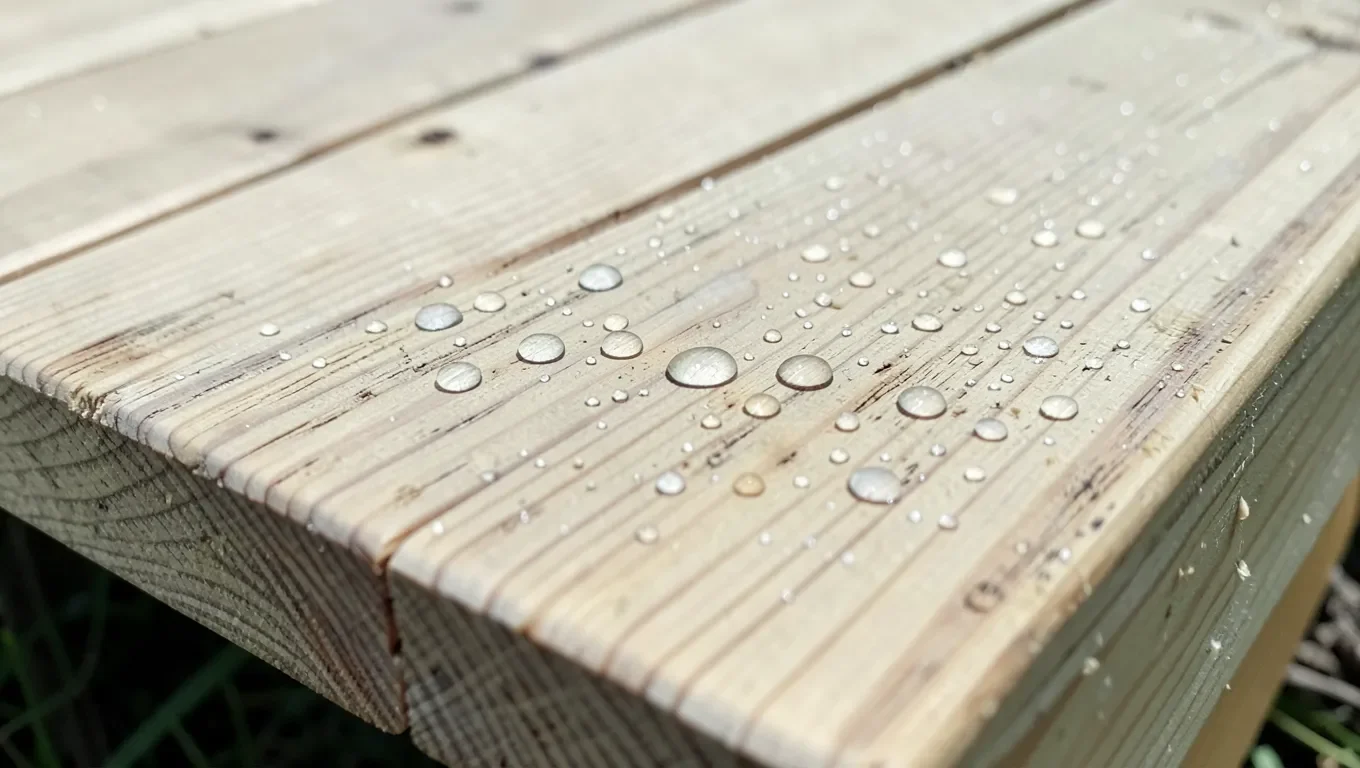
KDAT (kiln-dried after treatment) lumber can be stained almost right away. Standard “wet” treated lumber typically needs 2-4 weeks to dry in a warm, dry climate, 6-8 weeks or longer somewhere humid, and can take 2-3 months over a cold, wet winter. The real test isn’t a calendar date – it’s whether water beads on the surface instead of soaking in.
This page is a quick lookup for how long that actually takes based on your lumber and climate. For the full step-by-step method to test your specific boards, see our guide to testing pressure-treated wood dryness.
Quick Reference: Drying Time by Lumber Type and Climate
Ready When Your Wood Is
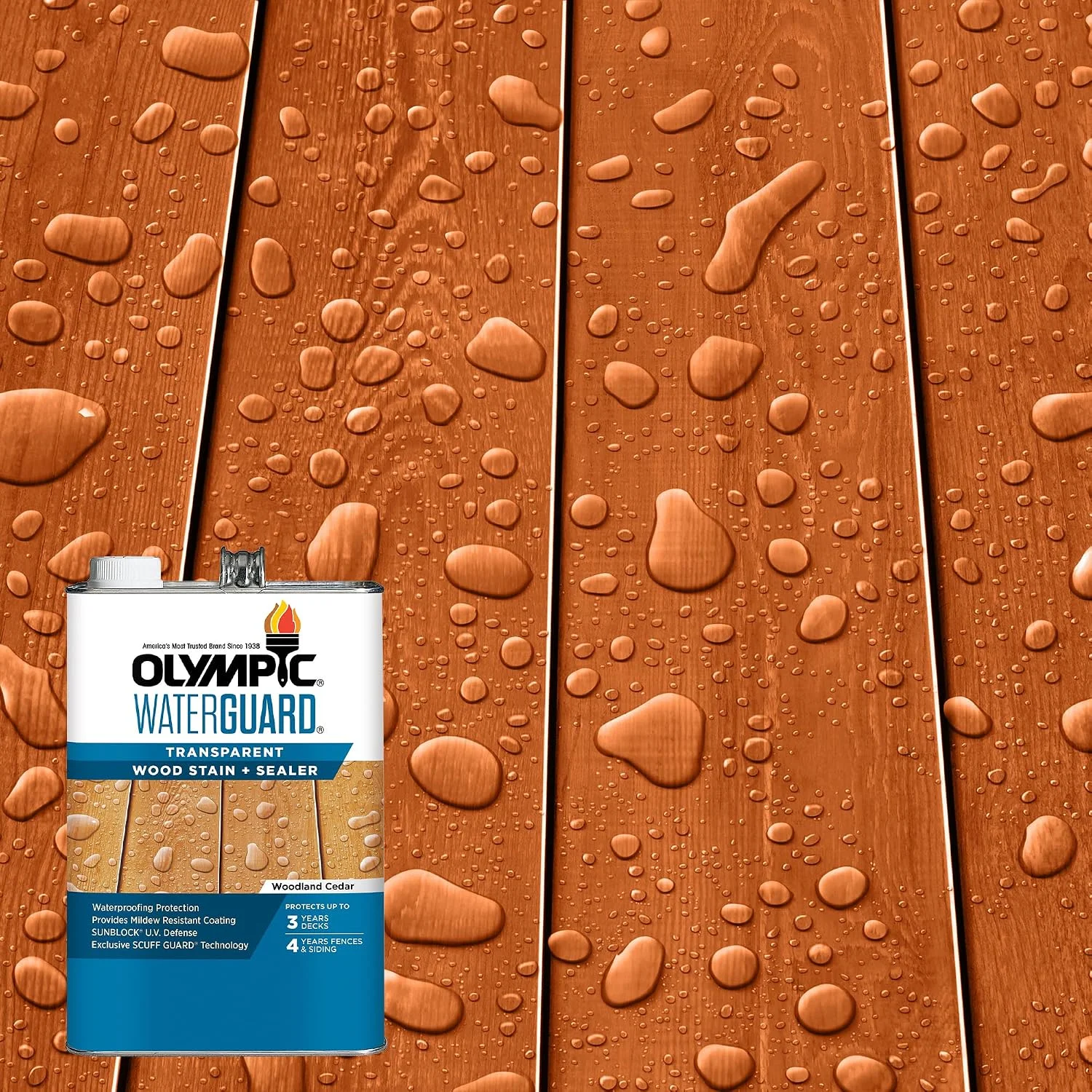 |
Olympic WaterGuard Transparent Stain & Sealer, 1 Gal Formulated specifically for pressure-treated wood, combining color and waterproofing in one coat once your lumber passes the water-bead test.
|
| Lumber Type / Climate | Typical Time Before Staining |
|---|---|
| KDAT (kiln-dried after treatment) | Ready almost immediately – check the tag |
| Standard treated lumber, warm/dry climate | 2-4 weeks |
| Standard treated lumber, humid climate | 6-8 weeks |
| Standard treated lumber, cold/wet season | 2-3 months |
These are starting estimates, not guarantees – two identical boards can dry at different rates depending on how they were stored, so always confirm with a moisture check rather than staining strictly by the calendar.
How to Confirm It’s Actually Ready
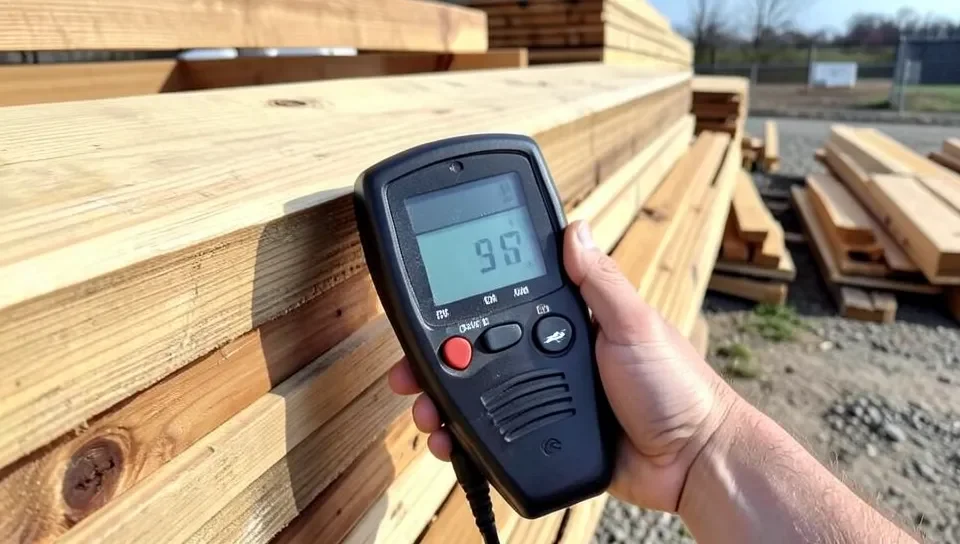
The water-bead test is the fastest check: sprinkle water on the surface. If it beads up and rolls off, the wood is still too wet to absorb stain evenly. If it soaks in within a few seconds, the wood is dry enough to stain. For a more precise reading, a moisture meter pressed against the board should read below 15% before staining – use this consistently rather than switching between the water test and a meter, since the two can occasionally disagree on borderline boards.
Always check the tag first. KDAT lumber is dried in a kiln after treatment specifically so it’s ready for finishing sooner – staining it right away is fine. Standard treated lumber is still saturated with the treatment solution when it leaves the mill and needs real drying time regardless of what the calendar estimates above suggest.
For a deeper walkthrough of the visual, tactile, and moisture-meter tests — including pin vs. pinless meters — see our guide to telling if pressure-treated wood is dry.Why the Range Is So Wide
The treatment process itself is the main reason drying takes so long compared to untreated lumber. Pressure treatment forces preservative solution deep into the wood fibers under high pressure, which means the board is fully saturated with liquid the moment it leaves the mill – not just surface-wet the way rained-on lumber would be. That solution has to migrate back out through the wood’s natural pores before the board behaves like normal dry lumber again, and that migration rate depends heavily on the wood species, the board’s thickness, and how much surface area is exposed to air.
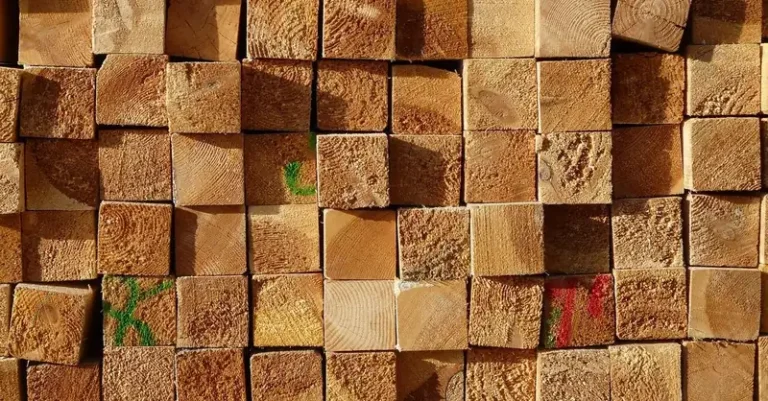
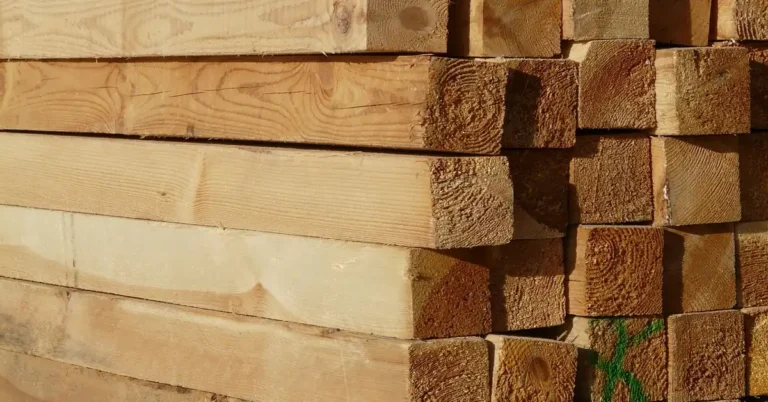
This is also why a stack of lumber sitting flat on the ground dries unevenly – the top and sides exposed to air and sun dry first, while the bottom face trapped against the ground or other boards can stay wet for weeks longer. Spacing boards apart with stickers (small spacer strips) between layers, the same technique used in a proper lumber-drying stack, meaningfully speeds this up compared to leaving boards in a solid pile.
What Speeds Up or Slows Down Drying
- Sun and warm temperatures speed drying considerably; shaded or north-facing installations dry slower.
- Board thickness matters – a 2×4 dries faster than a 4×4 or a 6×6 post of the same species.
- Airflow underneath and between boards speeds drying; lumber stacked flat on the ground traps moisture against the bottom face.
- Humidity and rain slow drying regardless of temperature – a warm, humid climate can take as long to dry as a cooler, drier one.
Common Mistakes to Avoid
- Staining by the calendar alone – two boards from the same batch can dry at different rates depending on storage and sun exposure.
- Skipping the water-bead test on installed lumber – a deck already built and exposed to weather dries differently than the same boards would stacked in a yard.
- Covering wet lumber with plastic to “protect” it – this traps moisture instead of letting it escape and can actually slow drying.
- Ignoring the KDAT tag – treating kiln-dried-after-treatment lumber like standard wet lumber means waiting weeks longer than necessary.
Applying the Stain Once It’s Ready
Once the wood passes the water-bead test or reads below 15% moisture, clean the surface of any dirt or mill residue before staining – a quick sweep or a light wash is usually enough on new lumber. Apply the stain in thin, even coats following the product’s direction, working with the grain, and avoid staining in direct midday sun or right before rain, both of which affect how evenly the stain cures.
Frequently Asked Questions
What happens if you stain treated wood too soon?
Staining before the wood is dry traps moisture underneath the coating, which typically causes the finish to peel, bubble, or dry unevenly within the first season.
How can I tell if pressure-treated wood is ready for staining?
Sprinkle water on the surface – if it soaks in within a few seconds rather than beading up, the wood is ready. A moisture meter reading below 15% confirms it more precisely.
Can you stain pressure-treated wood right away?
Only if it’s KDAT (kiln-dried after treatment) lumber, which is labeled as ready for immediate finishing. Standard treated lumber needs real drying time first, typically 2-8 weeks depending on climate.
Does the drying time change between staining and painting?
The moisture threshold is roughly the same for both, but paint forms a thicker film that can trap slightly more moisture if the wood isn’t fully dry. See our guide to drying time before painting treated lumber for the painting-specific breakdown.
Conclusion
How long treated lumber needs to dry depends far more on the type of lumber and your climate than on any single fixed number. Check the tag for KDAT lumber first, then use the water-bead test or a moisture meter reading below 15% to confirm the wood is actually ready, rather than staining strictly by a calendar estimate.
Sponsored / affiliate links. As an Amazon Associate I earn from qualifying purchases. I may earn additional commission from eligible campaigns.