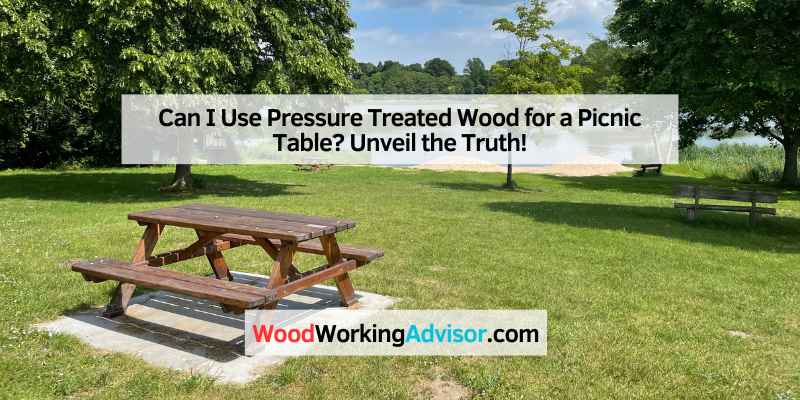
Can You Use Pressure-Treated Wood for a Picnic Table? Yes, Seal It First
Yes, you can use pressure-treated wood for a picnic table — it’s a standard, code-approved use. The real safety question people mean to ask is narrower: is it safe to eat directly off the tabletop? You shouldn’t need to find out, because a picnic table is a serving surface, not a food-prep surface — and sealing the top removes the only real objection anyway.
Today’s treated lumber is also not the same product it was 20 years ago. Modern residential pressure-treated wood uses copper-based preservatives (ACQ or micronized copper azole), not the arsenic-based CCA formula that was phased out of home use in 2003 — a distinction covered in more detail below, since it also affects which screws and hardware are safe to build with.
Introduction To Pressure Treated Wood
TOP PICK FOR SEALING A TREATED-WOOD PICNIC TABLE
 |
Thompson’s WaterSeal Clear Wood Sealer, 1 Gallon – $19.94 A clear penetrating sealer for exactly the maintenance step this guide recommends — sealing the tabletop keeps the surface from graying and roughening so it stays comfortable and splinter-free to sit and eat at.
|
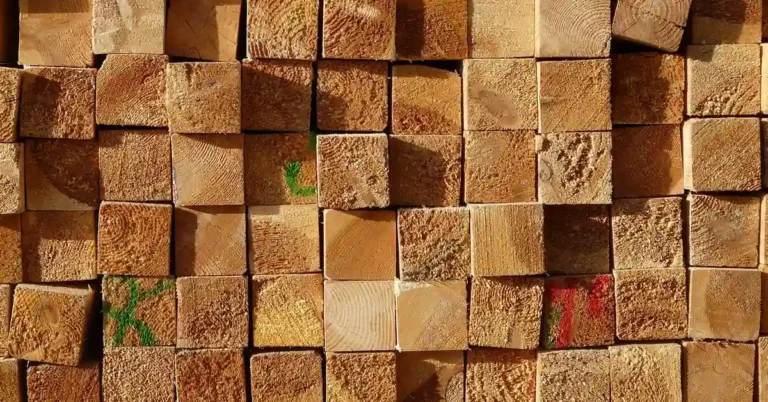
Pressure treated wood is commonly used for outdoor projects. This type of wood resists rot, insects, and moisture. It undergoes a process that infuses chemicals deep into the wood fibers.
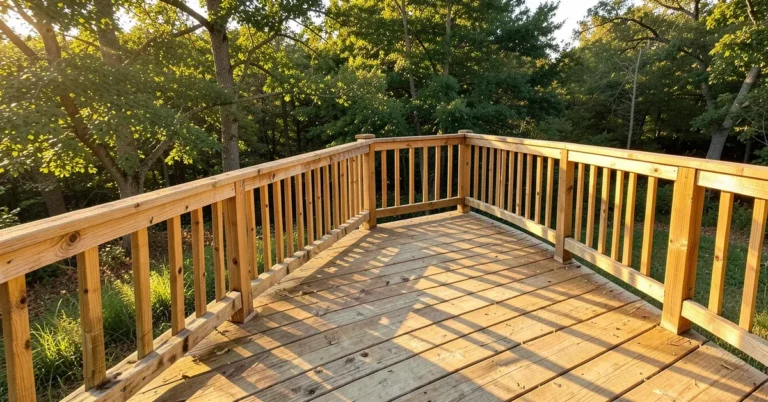
Many people use pressure treated lumber for decks, fences, and picnic tables. Its durability makes it a popular choice for items exposed to the elements.
| Common Uses | Description |
|---|---|
| Decks | Perfect for outdoor flooring due to its strength. |
| Fences | Helps keep your yard secure and private. |
| Picnic Tables | Ideal for outdoor dining and gatherings. |
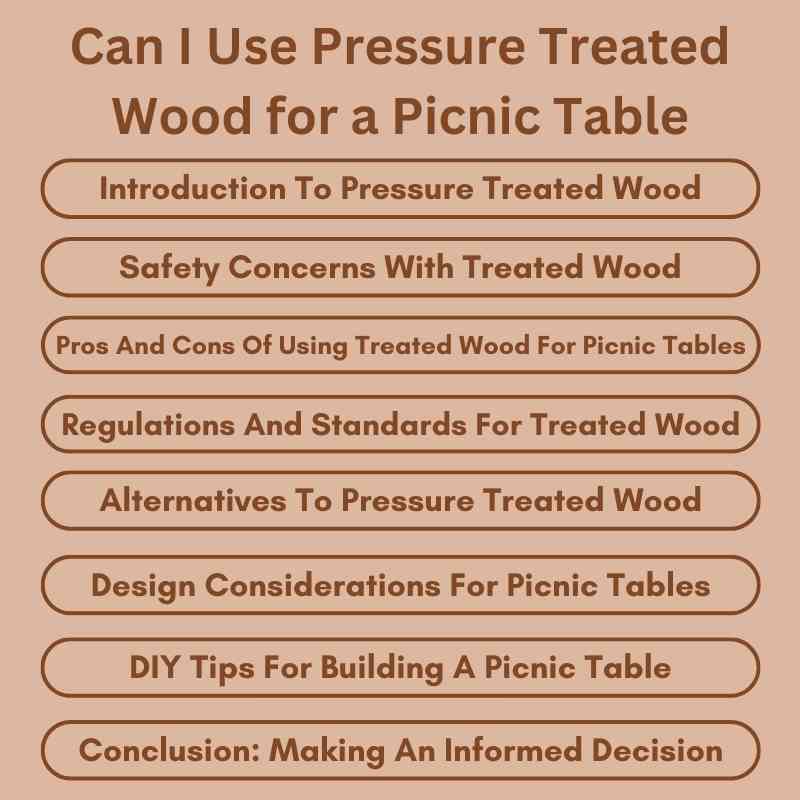
Safety Concerns With Treated Wood
Pressure treated wood contains chemicals that help it resist rot and insects. These chemicals can be harmful to human health and the environment.
One common myth: most people assume today’s pressure-treated lumber still uses chromated copper arsenate (CCA). It doesn’t — the EPA phased CCA out of residential lumber back in 2003. Home-center treated lumber sold today is almost always treated with ACQ (alkaline copper quaternary) or micronized copper azole (MCA) instead, which use copper as the main preservative rather than arsenic. That’s why current fastener hardware for treated lumber has to be hot-dip galvanized or stainless — the higher copper content in ACQ/MCA corrodes standard steel screws and joist hangers much faster than old CCA lumber did.
When using treated wood, it is crucial to consider safety. Always wash hands after handling it. Avoid using treated wood for items that come into direct contact with food.
Here are some health and environmental risks:
| Risk | Description |
|---|---|
| Skin Irritation | Direct contact can cause rashes or irritation. |
| Inhalation Risks | Fumes from burning treated wood can be toxic. |
| Leaching | Chemicals can leach into soil and water. |
Pros And Cons Of Using Treated Wood For Picnic Tables
Pressure treated wood offers great durability against weather and insects. This means your picnic table can last many years. It resists decay and is less likely to warp. A longer lifespan reduces the need for frequent replacements.
On the other hand, pressure treated wood can be more expensive upfront. However, the long-term savings are clear. Fewer repairs and replacements save money over time. Regular maintenance is necessary to keep it looking good. Sealing and staining can help extend its life.
Regulations And Standards For Treated Wood
Many regulations affect the use of pressure treated wood. These rules ensure safety and health. Government policies guide how treated lumber is made and used. They focus on reducing harmful chemicals in wood products.
Certifications play a crucial role in consumer safety. Look for labels like the American Wood Protection Association (AWPA). These labels confirm that the wood meets safety standards. Always choose certified products to ensure quality and safety.
Alternatives To Pressure Treated Wood
Many people seek natural wood options for picnic tables. Cedar and redwood are popular choices. They resist rot and insects without chemicals. These woods are beautiful and durable, making them great for outdoor use.
For a more eco-friendly approach, consider composite and recycled materials. These materials combine wood fibers and plastic. They look like wood but require less maintenance. Also, they won’t splinter or warp. This makes them safe for kids and pets.
Design Considerations For Picnic Tables
Choosing the right wood for your picnic table is very important. Pressure treated wood is a popular option. It resists decay and insects, making it durable for outdoor use. This wood is treated with chemicals, ensuring longevity even in harsh conditions.
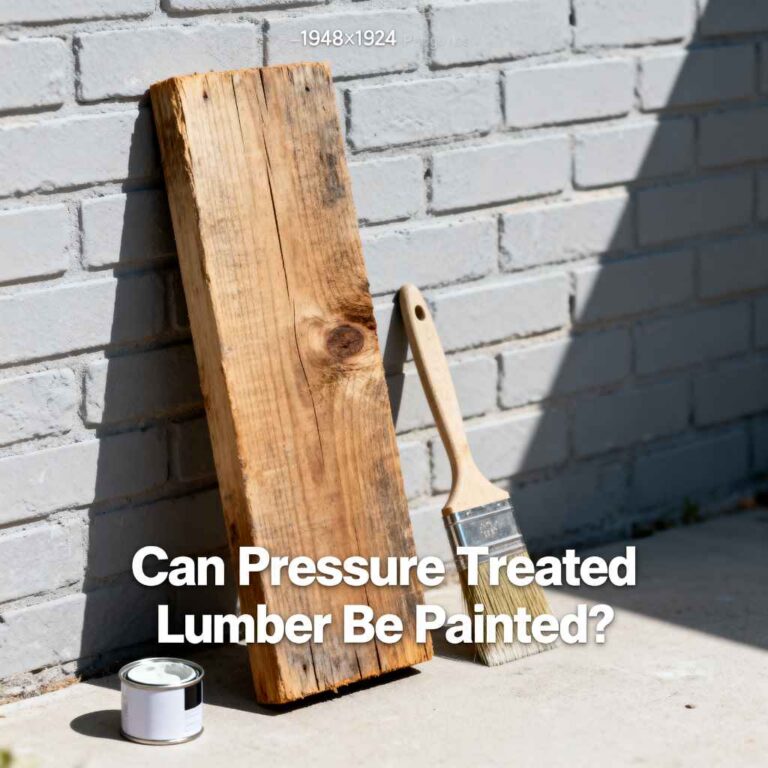
Aesthetic aspects should also be considered. Pressure treated wood can be stained or painted easily. This allows for a variety of colors and finishes. You can match your picnic table to your yard or patio.
Functional aspects are crucial as well. Pressure treated wood is strong and can hold weight well. It can withstand the wear and tear of regular use. Make sure to check for any safety concerns before use, especially for food contact.
DIY Tips For Building A Picnic Table
Building a picnic table can be fun and rewarding. Start with pressure-treated wood for durability. This wood resists rot and insects. It is perfect for outdoor furniture.
Follow these steps for construction:
- Gather all necessary materials and tools.
- Measure and cut the wood pieces.
- Assemble the tabletop and legs securely.
- Sand the surfaces to avoid splinters.
After building, focus on finishing and preservation. Applying a protective sealant helps extend the wood’s life. Use paint or stain for added aesthetic appeal. Regular maintenance keeps your picnic table looking great.
Conclusion: Making An Informed Decision
Using pressure treated wood for a picnic table has both risks and benefits. The wood is treated to resist rot and insects, making it durable. Yet, some treatments can contain harmful chemicals. Always consider the safety of those who will use the table, especially children.
Consumers should evaluate their needs carefully. If the table will be used frequently, pressure treated wood might be a good choice. For occasional use, natural wood could be safer. Always check for certifications that ensure safety standards.
| Factor | Pressure Treated Wood | Natural Wood |
|---|---|---|
| Durability | High | Medium |
| Safety | Risk of chemicals | Generally safe |
| Cost | Higher | Lower |

Frequently Asked Questions
Can Pressure Treated Wood Be Used Outdoors?
Yes, pressure treated wood is designed for outdoor use. It is chemically treated to resist moisture, insects, and decay. This makes it an excellent choice for outdoor furniture like picnic tables. However, consider using a sealant for additional protection against weather elements.
Is Pressure Treated Wood Safe For Food?
While pressure treated wood is durable, it may not be the best choice for food contact. Chemicals used in the treatment can leach into food. To ensure safety, use food-safe sealants or opt for untreated wood that meets safety standards for picnic tables.
How Long Does Pressure Treated Wood Last?
Pressure treated wood typically lasts 15 to 25 years. Its longevity depends on factors like climate, maintenance, and installation. Regularly sealing and cleaning the wood can extend its lifespan. Always check for signs of wear to ensure safety and durability.
What Are The Benefits Of Pressure Treated Wood?
The primary benefits include resistance to rot, insects, and moisture. This makes it ideal for outdoor structures like picnic tables. Additionally, it requires less maintenance compared to untreated wood. Its cost-effectiveness and durability make it a popular choice among homeowners.
Conclusion
Choosing pressure-treated wood for your picnic table can be a smart decision. It offers durability and resistance to the elements. Just ensure proper care and maintenance to prolong its lifespan. With the right treatment, your picnic table can provide years of enjoyment for family and friends.
Enjoy your outdoor gatherings!
Sponsored / affiliate links. As an Amazon Associate I earn from qualifying purchases. I may earn additional commission from eligible campaigns.