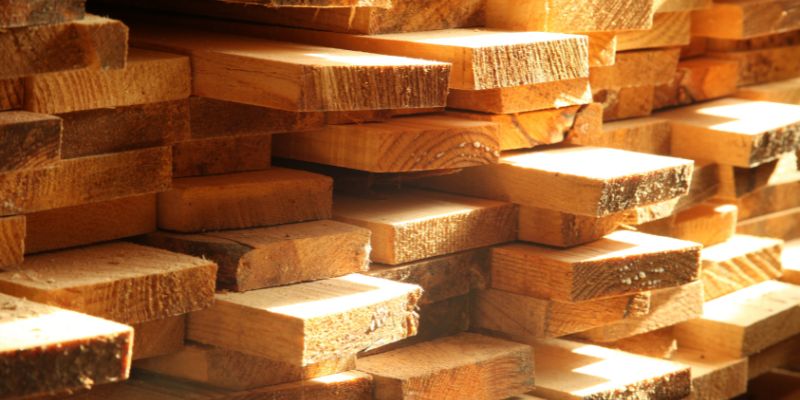
How Long Should Treated Lumber Dry Before Painting?
Treated lumber is ready to paint once it reads 12–15% moisture on a meter — not on a fixed calendar date, despite the popular “wait six months” rule. Paint applied over wet ACQ or CCA lumber traps moisture and blisters within a season, but kiln-dried-after-treatment (KDAT) stock can often go straight to primer. This guide covers real drying-time ranges by treatment type, the moisture-meter trap that skews ACQ readings, and how to speed drying safely.
[Insert your Affiliate Disclosure reusable block here]
Why Wet Treated Lumber Ruins a Paint Job
Best Moisture Meter Pick
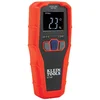
Klein Tools ET140 Pinless Moisture Meter
Non-destructive pinless meter that reads up to 3/4-inch below the surface, which matters for catching a wet core under a dry-feeling face on treated lumber.
- Best for: Checking treated deck boards, fence pickets, and framing lumber before priming
- Why we picked it: Sub-surface reading depth catches the exact ACQ-meter-skew problem this guide covers
- Main drawback: Calibrated for drywall, masonry, and wood only — not a substitute for a full building-moisture inspection
Compare more moisture meter options
 Option 1 General Tools MMD4E Moisture Meter
|
 Option 2 Dr.meter 2-in-1 Pin & Pinless Meter
|
 Option 3 General Tools MMD7NP Pinless Meter
|
As an Amazon Associate we earn from qualifying purchases.
Pressure-treated lumber is forced full of a waterborne preservative — usually alkaline copper quaternary (ACQ) or chromated copper arsenate (CCA) — that leaves fresh stock at 45–90% moisture content straight from the mill, far above the roughly 12–19% a painted surface can tolerate. Paint is a film, not a sponge: it can’t pass that trapped water, so as the wood keeps drying underneath, vapor pushes up through the coating and blisters or peels it loose. That’s why a paint job on wet treated wood almost always fails within one wet-dry cycle, not years later.
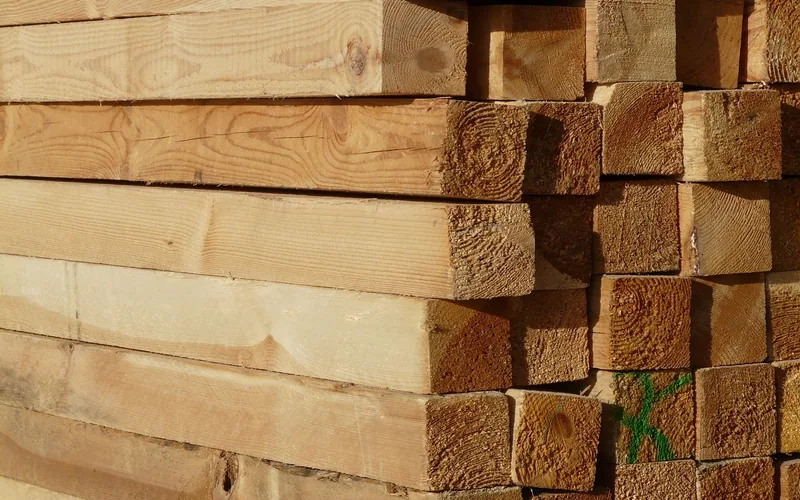
The Real Rule: Moisture Content, Not a Calendar
Drying time is the interval a piece of treated lumber needs after milling for its internal moisture to drop low enough that paint will bond and cure normally. The number that actually matters is the meter reading, not the number of months since delivery — two boards bought the same day can be paint-ready weeks apart depending on thickness, stacking, and weather.
According to the University of Missouri Extension, citing USDA Forest Products Laboratory research, ACQ- and CCA-treated wood can be painted immediately after installation — before any weathering — as long as the wood is already dry when it goes up. The traditional “let it weather 6 to 12 months” advice grew out of lumber that was still wet when installed, not out of any rule that treated wood itself needs to age before it will accept paint.
📊 Fresh treated lumber leaves the mill at 45–90% moisture content — it must drop to roughly 12–15% before most exterior paints will bond and cure correctly. Source: USDA Forest Products Laboratory, via University of Missouri Extension, 2024.
Treated-Lumber Drying Times by Type
Not all treated lumber dries at the same rate. The treatment method and how the mill finished the wood after treating make the biggest difference — often a bigger difference than weather.
| Lumber Type | Typical Drying Time | Best For |
|---|---|---|
| KDAT (kiln-dried after treatment) | 2–4 weeks, often paint-ready now | Decks, fences bought pre-dried |
| Standard wet ACQ / CCA | 60–180 days (2–6 months) | Decking, posts, framing lumber |
| Oil-borne (creosote, pentachlorophenol) | 6+ months, some grades never fully paint-ready | Utility poles, ground-contact posts (rarely painted) |
| Thick timbers (4×4 and larger, any treatment) | Add 30–50% to the standard range | Posts, beams, structural framing |
If you’re working with lumber that isn’t pressure-treated at all — kiln-dried studs, freshly milled boards, or hardwood stock — the moisture targets are similar but the timelines are shorter; see our general guide to how long wood needs to dry before painting for species-by-species ranges.
How to Test If Treated Lumber Is Dry Enough to Paint
Guessing by feel gets people in trouble — treated lumber can feel bone-dry on the surface while the core is still saturated. Two tests catch that.
- Take a moisture meter reading below the surface, not just on top: Press a pinless moisture meter flat against the board and read the display. For ACQ and CCA lumber specifically, the copper-based preservative compounds can skew a shallow reading, so set the meter to measure at least 1/4 inch deep rather than trusting a surface-only pass.
- Confirm the reading is at or below 15%: A reading of 12–15% is the general green light for exterior paint; anything above that, wait and retest in a few days rather than painting on a guess.
- Run the water-bead test as a free backup check: Sprinkle a few drops of water on the wood. If it beads and sits on the surface, the wood is dry enough to paint. If it soaks in within a few seconds, the wood is still too wet.
- Check more than one board and more than one spot: Moisture varies by board thickness and by how much sun or shade each piece got, so test several boards before committing the whole project to paint.
What Slows Drying Down
- Treatment chemical: Water-based ACQ and CCA hold moisture longer than oil-based treatments simply because water is the carrier — check the tag stapled to the board for the treatment type.
- Board thickness: Moisture has to travel farther to reach the surface in a 4×4 post than a 1-inch deck board, so posts and beams can take 30–50% longer than the standard range in the table above.
- Humidity and airflow: Wood can’t release moisture into air that’s already saturated with it — a shaded, still corner of a yard dries lumber much slower than an open, breezy spot.
- Stacking method: Boards stacked flat with no gap between them trap moisture against each other and dry unevenly, even outdoors in good weather.
How to Speed Up Drying Safely
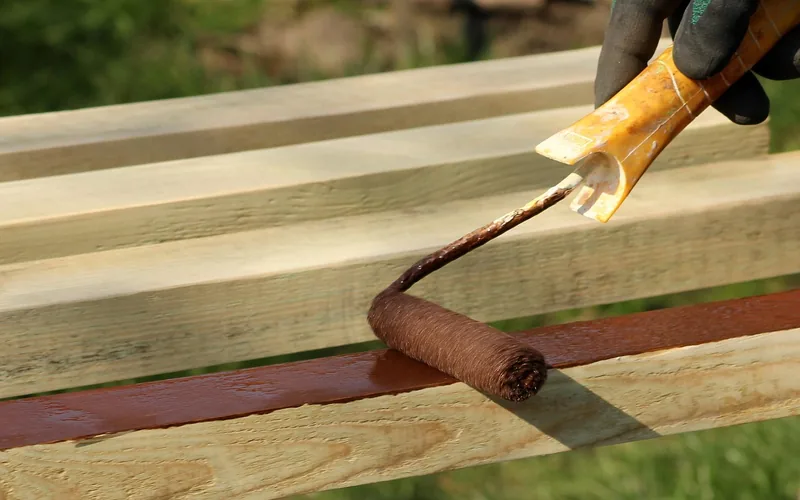
You can’t force treated lumber dry overnight, but you can stop working against it:
- Stack boards with 3/4-inch wood stickers between each layer so air moves on every face, not just the top and bottom of the pile.
- Store the stack under a roof or open-sided cover — keeping rain off without wrapping it in plastic, which traps humidity instead of releasing it.
- Choose a sunny, breezy spot over a shaded, still one; direct sun and moving air both pull moisture out faster than either alone.
- Run a dehumidifier in an enclosed garage or shed if you’re drying lumber indoors in a humid climate, and empty the tank regularly so it keeps working.
- Re-check with a moisture meter every few days rather than assuming a fixed number of weeks — conditions change the timeline more than the calendar does.
Common Mistakes to Avoid
- Trusting a dry-feeling surface: The outside of a board can feel bone-dry while the core is still well above 15% — always confirm with a meter reading taken below the surface, not a touch test.
- Wrapping stacked lumber in plastic sheeting: This traps humidity against the wood and can slow drying dramatically compared to an open, covered stack.
- Skipping primer on treated wood: Even properly dried treated lumber benefits from a primer formulated for exterior or treated wood — it improves adhesion and evens out how the topcoat absorbs.
- Painting right after a rain: Even lumber that tested dry a week ago can pick moisture back up after a storm — retest before painting, don’t assume the earlier reading still holds.
Frequently Asked Questions
What happens if you paint treated lumber too soon?
Paint applied over treated lumber that’s still above roughly 15–19% moisture traps that moisture under the film. As the wood keeps releasing water vapor, it pushes the coating up from underneath, causing blistering and peeling — often within one season rather than years later. The fix is to let the wood dry to a confirmed low moisture reading before the first coat, not to use a thicker paint or extra coats to compensate.
How do you know when pressure-treated wood is dry enough to paint?
Test with a pinless moisture meter set to read at least 1/4 inch below the surface, since ACQ and CCA copper compounds can skew a shallow reading. A result of 12–15% or lower means the wood is ready. As a free backup check, sprinkle water on the surface — if it beads instead of soaking in within a few seconds, the wood is dry enough.
Can you paint pressure-treated wood right away?
Yes, if it’s already dry — see our full breakdown on whether you can paint pressure-treated wood right away. Kiln-dried-after-treatment (KDAT) lumber is often ready within 2–4 weeks of purchase and can sometimes be primed immediately — check the tag or ask the lumberyard. Standard wet ACQ or CCA stock usually isn’t ready right away and needs 60–180 days, confirmed with a moisture meter rather than a calendar guess.
What should never be done with pressure-treated wood?
Never burn pressure-treated wood — the preservative compounds release toxic fumes and ash. Don’t use it for cutting boards, countertops, or anything in direct contact with food, and keep it away from animal feed troughs or enclosures. Wear a dust mask when cutting or sanding it, and dispose of scraps and sawdust according to local hazardous-waste guidelines rather than a regular burn pile.
Does kiln-dried-after-treatment (KDAT) lumber still need to dry before painting?
Usually only a short wait, if any. KDAT lumber is kiln-dried at the mill after the pressure-treating process, so it typically arrives close to paint-ready moisture levels already. It’s still worth a quick moisture-meter check before priming, since storage conditions at the lumberyard or in transit can add moisture back in humid climates.
Treated lumber is ready to paint at 12–15% moisture, not on a fixed wait — KDAT stock is often ready within weeks, while standard wet ACQ or CCA lumber typically needs 60–180 days. Confirm with a meter read below the surface, prime with a product made for treated or exterior wood, and you’ll get a finish that holds instead of one that blisters by next season. For staining instead of painting, see our guide on how long treated lumber needs to dry before staining, and if you’re not sure treated wood is even the right call for your project, start with can you paint treated wood.
Sponsored / affiliate links. As an Amazon Associate I earn from qualifying purchases. I may earn additional commission from eligible campaigns.