Can Water Stains Bleed Through Paint And Kilz Over Time? Discover Why
Have you ever painted over a wall only to find that unsightly water stains keep reappearing? You might wonder, “Can water stains bleed through paint and Kilz over time?”
You’re not alone. Many people face this frustrating problem, and understanding why it happens is crucial to finding a lasting solution. Imagine spending time and effort to give your walls a fresh look, only to see those stubborn stains ruin your hard work.
It’s enough to drive anyone crazy! But don’t worry, there’s hope. You’ll discover why water stains bleed through paint and primer like Kilz, and learn effective strategies to stop them once and for all. Let’s dive in and uncover the secrets to achieving spotless walls that stay beautiful for years. Keep reading to arm yourself with the knowledge you need to tackle this challenge head-on.
Credit: www.sanlorenzolumber.com
Causes Of Water Stains
Water stains often appear due to leaky pipes. These leaks can happen anywhere in the home. Dripping water can damage walls and ceilings. This leads to ugly marks. Fixing the leaks is crucial to prevent stains. Stains might appear even after painting.
Roofs protect us from rain and snow. Damage to roofs can cause water stains. Broken tiles or holes let water inside. Wet ceilings and walls result from this damage. Paint might hide stains but not stop them. Repair the roof to prevent stains.
Air must circulate well in homes. Poor ventilationcan cause moisture buildup. Moist walls lead to water stains. Paint covers stains but does not solve the problem. Improve ventilation to stop stain formation.
Effects Of Water Stains On Walls
Water stains can leave ugly marks on walls. These marks are often yellow or brown. They can make walls look dirty. Even with paint, stains might come back. The stain can soak through paint. This makes the wall look bad again.
Water can damage the wall structure. Wet walls might get soft. This makes them weak. Over time, walls may crack or crumble. Repairing damaged walls can be costly. It’s important to fix water issues quickly.
Mold loves wet places. Water stains can lead to mold. Mold can grow behind walls. It’s not always visible. Mold can make people sick. It can cause breathing problems. Keeping walls dry helps stop mold.
Painting Over Water Stains
Cleaning the surface is the first step. Dirt and grime can stop the paint from sticking. Use a cloth and soapy water to clean. Let the wall dry fully. Dry walls are important for painting. Sand the area to make it smooth. This helps paint stick better. Sandpaper with medium grit is best. Remember to cover the floor. Dust and paint can fall and make a mess. Use tape to protect edges. This keeps lines straight and neat.
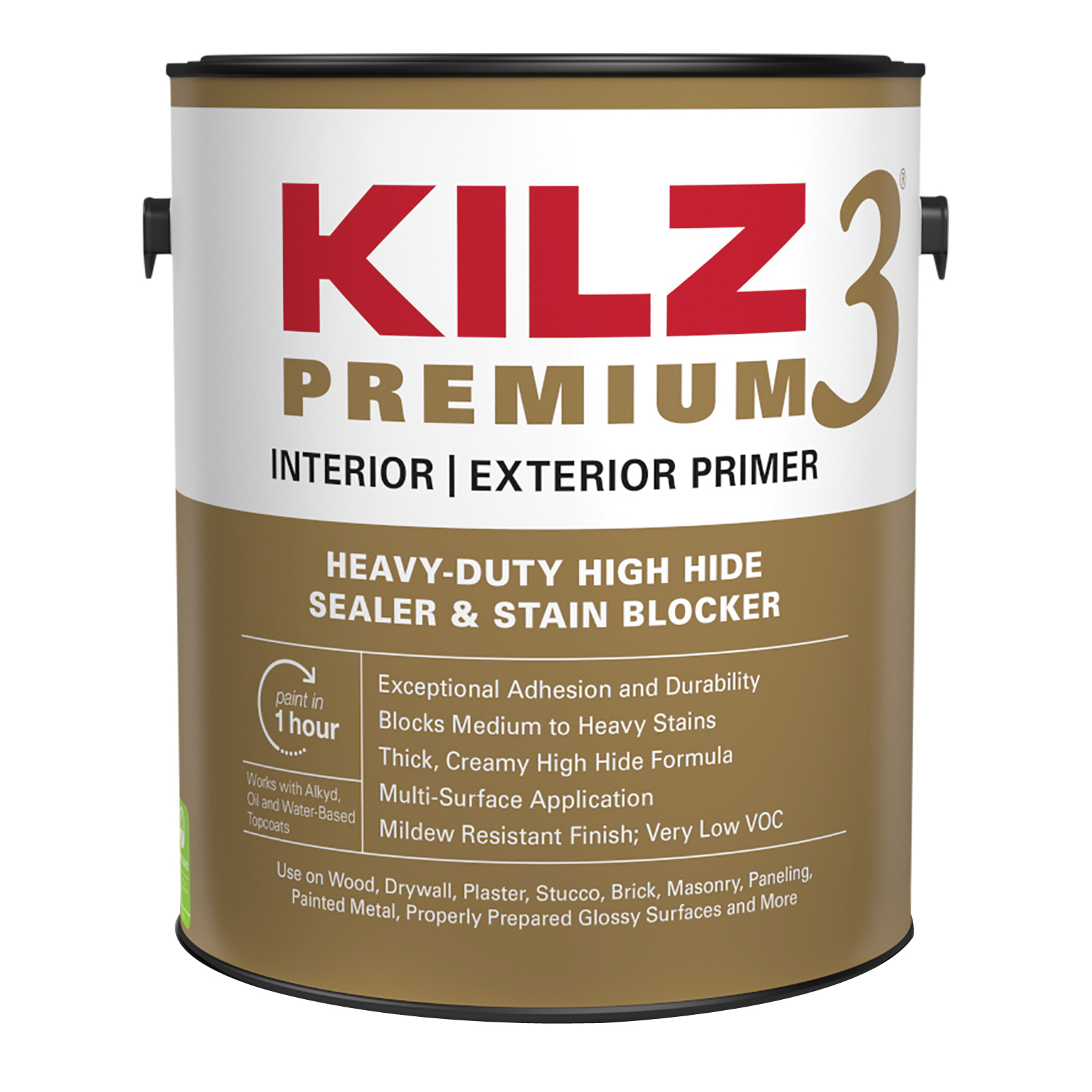
Stain-blocking primers are a good choice. They stop stains from showing. Kilz is a popular brand for this. Choose a primer that works on water stains. Oil-based paints can cover stains well. They make a strong layer on the wall. Water-based paints are also good. They dry fast and have less smell. Look for paints labeled as stain-resistant. These paints are strong and durable.
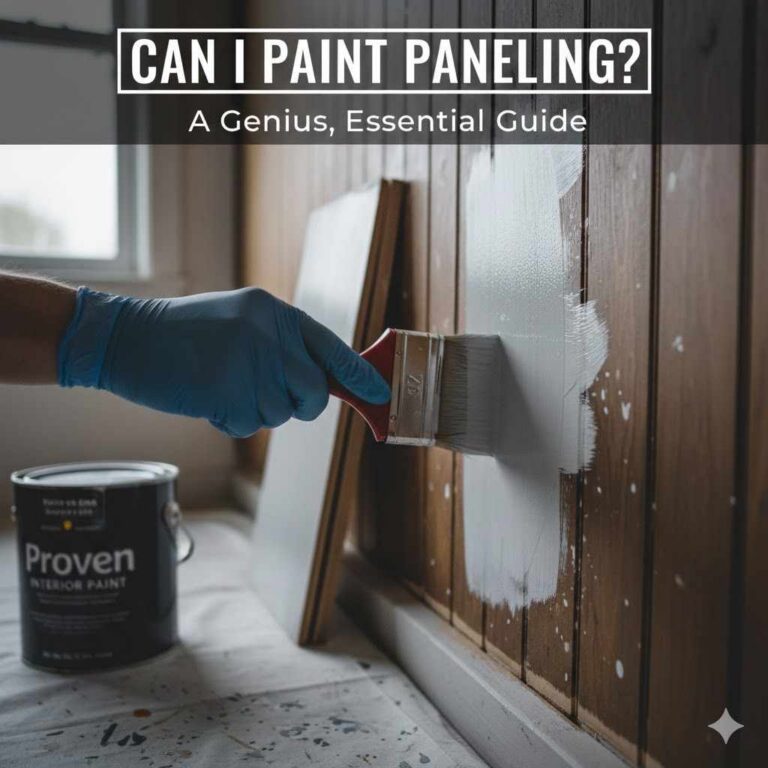
Use a brush for small areas. Brushes help with details. Rollers are best for big spaces. They cover quickly. Apply the primer first. Let it dry completely. This usually takes a few hours. Then apply the paint. Use even strokes for a smooth finish. Two coats of paint are often needed. This ensures the stain stays hidden. Check for any missed spots. Touch up if needed. Let the final coat dry fully.
Credit: www.kilz.com
Kilz Primer As A Solution
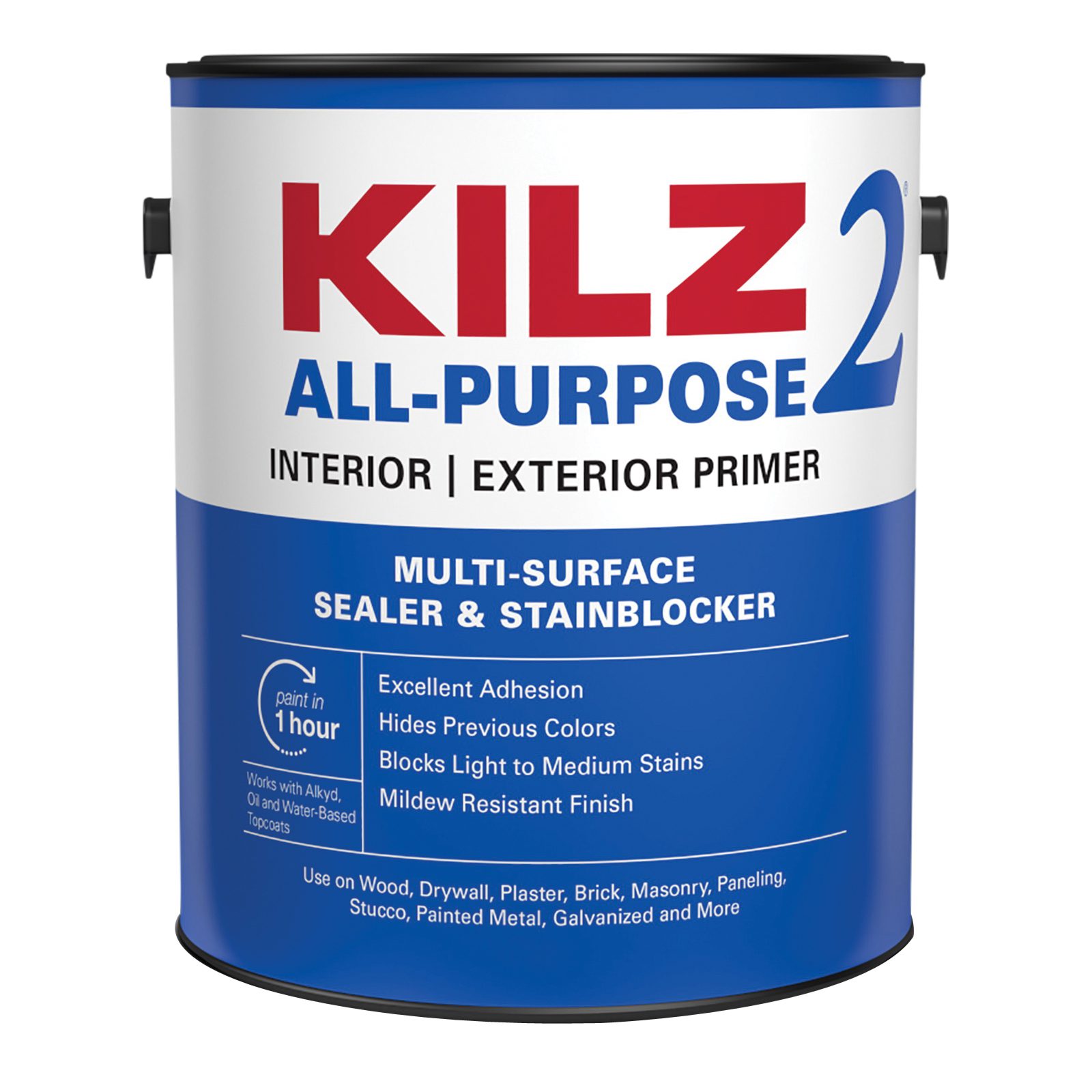
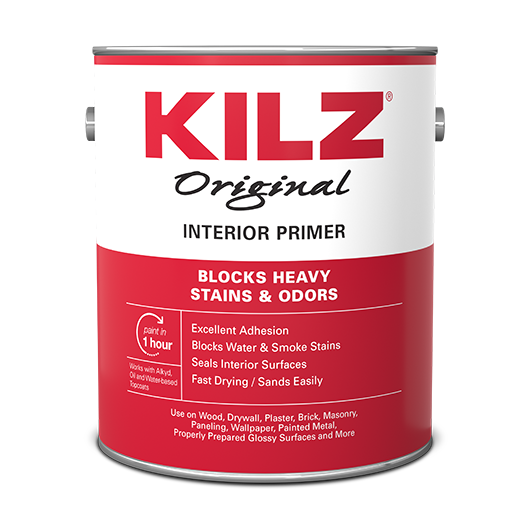
Kilz Primer is known for its strong stain-blockingability. It can cover tough stains, including water stains. The primer also offers great adhesionto surfaces. This helps in creating a smooth base for paint. Kilz can be used on different surfaces like wood and drywall. It dries quickly, which saves time. It also has a low odor, making it user-friendly.
Before using Kilz, clean the surface well. Use a brush or roller for the best result. Apply a thin coat first and let it dry. Check for any missed spots. Add a second coat if needed. Ensure good ventilation while applying. This helps in quicker drying.
Kilz might not block all stains completely. Some tough stains can bleed through. It is not ideal for outdoor use as it may not withstand harsh weather. Kilz also requires a topcoat for the best finish. It is not a complete solution on its own.
Long-term Effects On Paint
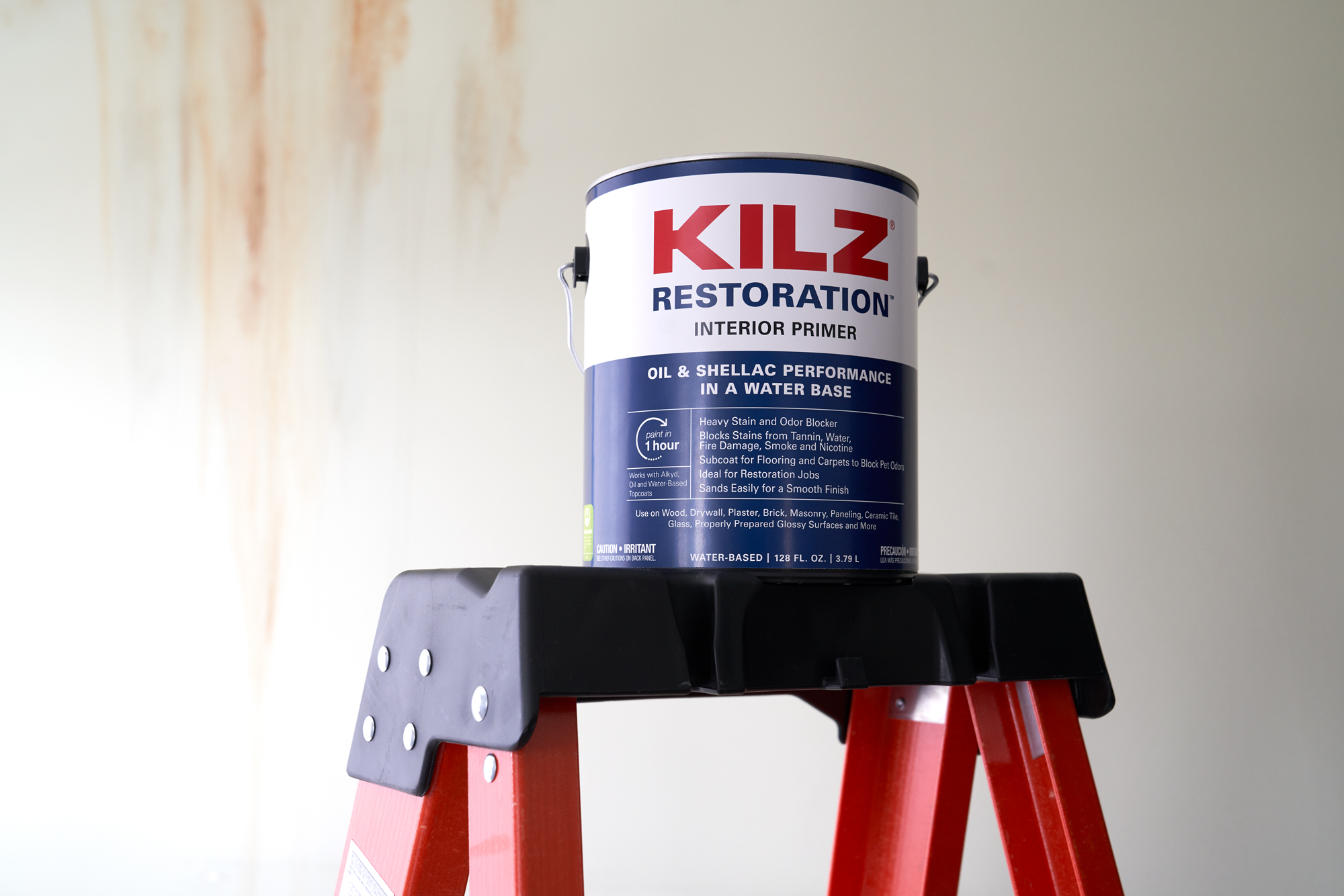
Water stains can cause paint to look bad. They can bleed through layers of paint and Kilz. Over time, this can make walls look dirty. Stains can appear as dark spots. These spots may spread and grow. It is hard to hide them with just paint.
Water stains can hurt paint durability. Paint may peel or crack. Stains weaken the paint layer. Walls may need repainting often. This can be costly and time-consuming. Proper care can help paint last longer.
Stopping water stains is important. Fix leaks quickly. Seal cracks in walls. Use a good primer before painting. Kilz can help stop stains. Choose the right paint type for your walls. Regular checks can help spot problems early.
Credit: www.kilz.com
Preventing Recurrence Of Water Stains
Water stains can come back if not cared for. Regular checks help spot early issues. Clean walls often. Look for cracks or leaks. Fix them fast. Keep gutters clear. This stops water pooling. Paint touch-ups also help. Cover small stains right away. Be sure to use waterproof paint.
Moisture is a big problem. It makes stains worse. Find where water comes from. Check roofs and pipes. Look for leaks. Use a dehumidifier inside. This reduces indoor moisture. Seal windows and doors well. Keep outside water out.
Good materials stop stains. Choose the right paint. Kilz is a good option. It blocks stains. Use sealants for extra protection. Apply them on walls and ceilings. Quality paint and primer are key. They make surfaces strong. Water stains are less likely to return.
Frequently Asked Questions
Can Water Stains Reappear Through Paint?
Yes, water stains can reappear if not treated properly. Moisture may seep through paint layers, causing discoloration. Using a high-quality primer like Kilz can help prevent stains from bleeding through. Ensure the surface is dry and properly sealed before painting to minimize the risk of recurrence.
Does Kilz Prevent Water Stains Long-term?
Kilz is effective in blocking water stains when applied correctly. It acts as a barrier, preventing moisture and stains from bleeding through. For long-term effectiveness, ensure proper surface preparation and apply multiple coats if necessary. Regular maintenance and inspections can help maintain its protective properties over time.
How Do I Stop Water Stains From Bleeding?
To stop water stains, ensure the surface is dry before painting. Use a stain-blocking primer like Kilz for effective coverage. Apply multiple coats for better protection and seal any moisture sources. Regularly check for leaks or dampness to prevent stains from reappearing on painted surfaces.
Can Moisture Affect Painted Surfaces?
Yes, moisture can affect painted surfaces by causing stains and peeling. It can lead to water damage and discoloration over time. Proper surface preparation and using moisture-resistant primers can help. Regular maintenance and addressing moisture issues promptly can prevent damage and ensure paint longevity.
Conclusion
Water stains can indeed bleed through paint and Kilz over time. Proper preparation helps prevent this issue. Clean the surface before painting. Repair any damage and let it dry. Use a quality primer like Kilz. It blocks stains effectively. Apply it evenly for better protection.
Regular maintenance is key. Check for leaks and fix them promptly. This keeps water stains at bay. Remember, prevention saves time and effort. A well-prepared surface ensures lasting results. No more surprises from water stains! Keep these tips in mind for a flawless finish.
Your walls will thank you.