Do You Sand the Final Coat of Polyurethane? (Not Required)
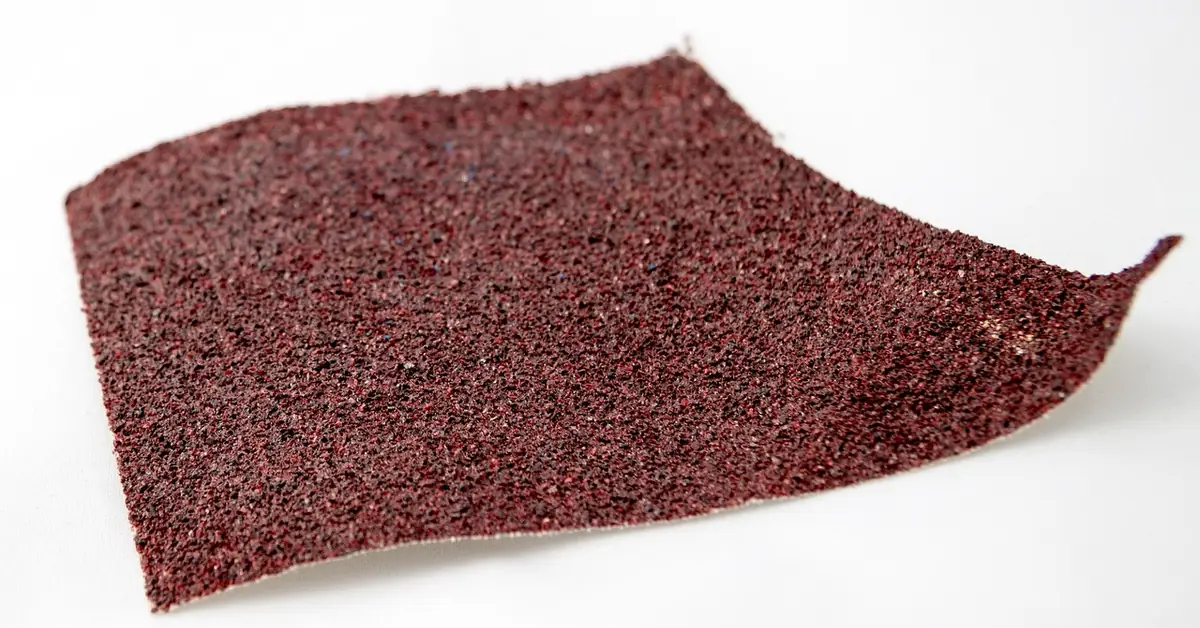
You typically don’t need to sand the final coat of polyurethane — it’s the last step, and sanding after it only matters if the finish dried with dust nibs, brush marks, or an orange-peel texture. Sanding through a thin final coat can leave a cloudy “ghosting” ring where the layer below shows through. This guide covers when sanding the last coat actually helps, how to wet sand it safely, and what grit to use at each stage.
Quick Answer
No — a properly applied final coat of polyurethane shouldn’t need sanding. Only sand it if you see dust nibs, brush strokes, or a cloudy haze, and only after it has cured for at least 24 hours. Use wet sanding with 600–1,500 grit, never dry 220-grit paper, or you risk sanding straight through the thin top layer.
Polyurethane Basics: Oil-Based vs. Water-Based
Best Wet-Sanding Kit Pick
45-Pc Wet/Dry Sandpaper Assortment (400-3000 Grit) – $8.99
Covers the 600 to 1,500-grit range this guide recommends for wet sanding a final polyurethane coat, without buying separate packs.
- Best for: wet sanding a final poly coat to a smooth, even sheen
- Why we picked it: spans the full 600–1,500 grit progression this guide walks through in one pack
- Main drawback: wet/dry paper wears faster than dry-sanding paper, so buy a few extra sheets per grit
Compare more wet-sanding options
 Option 1 Milescraft Sand-It Multi-Surface Sanding Block – $6.99
|
 Option 2 Howard Restor-A-Shine Wood Finish Polishing Compound – $8.99
|
 Option 3 Varathane Scratch Repair Polyurethane Pen – $8.92
|
As an Amazon Associate we earn from qualifying purchases.
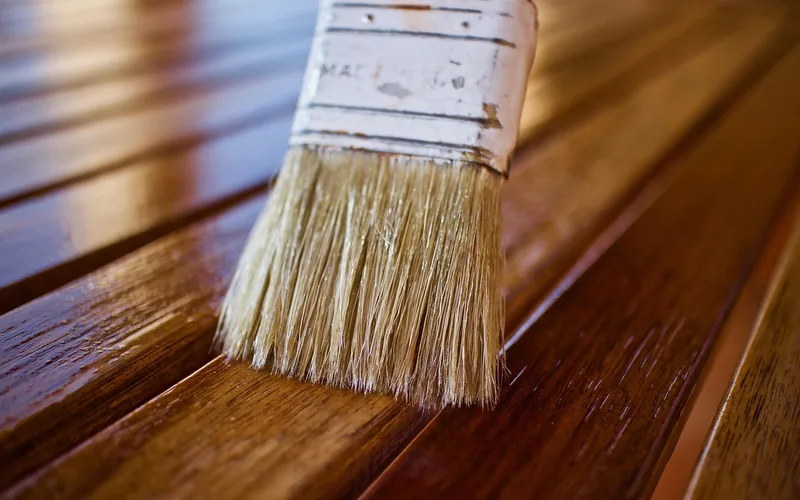
Both oil-based and water-based polyurethane protect wood from scratches, stains, and moisture, but they cure at different speeds — and cure speed is what determines when it’s safe to sand.
| Type | Recoat Time | Full Cure | Between-Coat Sanding |
|---|---|---|---|
| Oil-based | 8–12 hours | Up to 30 days | 220–320 grit, lightly |
| Water-based | 1–2 hours | ~21 days | 320–400 grit, lightly |
Oil-based poly stays soft longer, so sanding it too soon tears the finish instead of smoothing it. Water-based poly firms up faster but is also thinner per coat, which makes it easier to sand through by accident.
Should You Sand the Final Coat? Pros and Cons
Most finishers leave the last coat alone. Sanding it adds a step that can backfire if the coat is thin, but it can rescue a flawed finish when done carefully.
| Situation | Sand It | Leave It |
|---|---|---|
| Finish is smooth and even | – | Recommended |
| Dust nibs or brush marks visible | Recommended | – |
| Coat is thin (last of 2–3 total) | Risky – use wet sanding only | Safer choice |
| Want a glass-smooth, satin-buffed look | Recommended (wet sand + buff) | – |
The main risk of sanding a final coat is sanding through it — because it’s usually the thinnest layer, coarse paper (220–320 grit) can cut straight down to the coat underneath and leave a faint white “ghosting” ring where the layers no longer match in sheen.
How to Wet Sand the Final Coat for a Glass-Smooth Finish
Wet sanding is the safer method if you do decide to sand the last coat — the water (or mineral spirits) acts as a lubricant, so the abrasive cuts the finish instead of scratching it. This is the technique to reach for a mirror-smooth tabletop, not the 220-grit paper used between earlier coats.
- Let it cure fully: Wait at least 24 hours, and ideally 48–72 hours, before wet sanding a final coat. Sanding too early tears soft, uncured polyurethane instead of leveling it.
- Wet the surface: Use clean water (or mineral spirits for oil-based poly) to keep the sandpaper lubricated the whole time.
- Start at 600 grit: Sand lightly in the direction of the grain using a sanding block, not your bare hand, to keep pressure even.
- Wipe and inspect: Clean off the slurry with a damp cloth and check for any dull or shiny spots — those show where more (or less) leveling is needed.
- Step up to 1,000, then 1,500 grit: Each finer grit removes the scratch pattern left by the one before it.
- Buff if you want gloss back: Wet sanding leaves a satin haze. A light pass with polishing compound restores shine if you want a glossy finish instead of satin.
Never dry-sand a final coat with 220-grit paper the way you would between coats — on a thin top layer that’s the fastest way to sand through and cause ghosting.
📊 Oil-based polyurethane needs up to 30 days to fully cure and reach maximum hardness; water-based poly reaches near-full hardness in about a week but isn’t fully cured until roughly 21 days. — Source: WOODWEB, Polyurethane Cure Times
“For sanding between coats, use 220-grit sandpaper or an equivalent grit pad or screen designed for sanding between coats, and allow at least 24 hours before light use of the finished surface.”
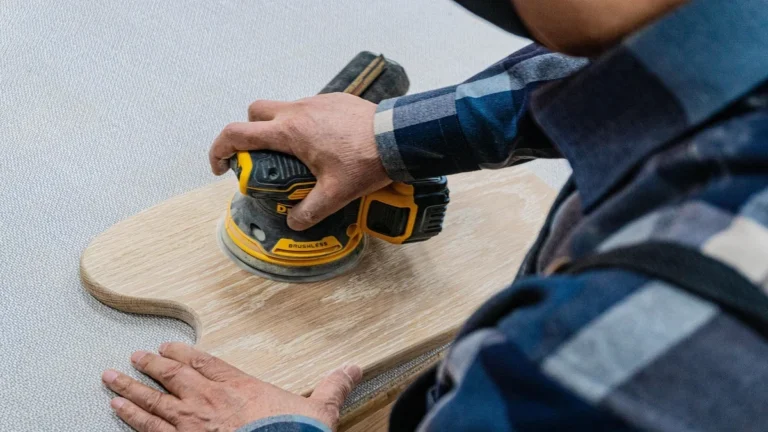
Need to go further than a light sanding pass? Our guide on using an orbital sander between coats of polyurethane covers when power tools are safe to use and when hand-sanding is the better call.
Sanding Between Coats vs. Sanding the Final Coat
These are two different jobs. Sanding between coats roughens the surface slightly so the next coat can grip — that’s where 220–400 grit dry sandpaper belongs. Sanding the final coat is purely cosmetic, done wet, and at a much finer grit.
| Sandpaper Grit | Where It’s Used |
|---|---|
| 220 grit | Between coats, or scuffing raw wood before the first coat |
| 320–400 grit | Between later coats, on delicate or thin veneers |
| 600 grit | Final coat, first wet-sanding pass |
| 1,000–1,500 grit | Final coat, leveling pass before an optional buff |
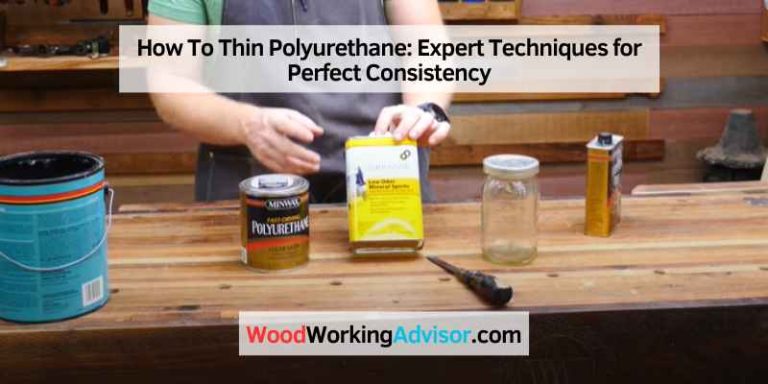
If you’d rather skip sanding altogether, thinning the polyurethane before your final coat reduces brush marks and dust nibs in the first place, which is often the real fix for a rough final coat.
Alternatives to Sanding the Final Coat
Buffing
Buffing with a soft pad and a polyurethane-safe polishing compound restores shine and removes light dust nibs without cutting into the finish the way sandpaper does. It’s the lower-risk option if the only problem is a slightly dull sheen.
A Sanding Sealer on the Coats Before the Final One
A sanding sealer fills wood pores before your earlier coats go on, so by the time you reach the final coat there’s less texture to fix and less temptation to sand it at all.
Fixing a Damaged Final Coat
If you already sanded through the final coat and see a cloudy ring (ghosting), don’t keep sanding — it usually gets worse, not better.
- Stop sanding immediately once you notice a dull or white ring forming.
- Clean the area with a lint-free cloth and let it dry fully.
- Feather the edges of the damaged spot with 400-grit paper so the repair blends in.
- Apply a thin repair coat of the same polyurethane over the feathered area and slightly beyond it.
- Let it cure the full 24–72 hours before judging whether it matches, since sheen can shift slightly as it cures.
For deeper scratches or peeling, see our full guide on repairing a damaged polyurethane finish.
Frequently Asked Questions
Do you need to sand between polyurethane coats?
Yes. Sanding between coats (not the final one) with 220–400 grit sandpaper creates a slightly rough surface so the next coat can grip. Skipping it risks peeling or a cloudy, uneven build-up between layers.
How long should I wait before sanding polyurethane?
Wait at least 24 hours, and ideally 48–72 hours, before sanding a final coat. Oil-based poly can take up to 30 days to fully cure, so give it longer in cold or humid conditions before you sand or wet-sand.
What grit sandpaper is best for the final coat of polyurethane?
Use 600 grit for the first wet-sanding pass on a final coat, then step up to 1,000 or 1,500 grit for leveling. That’s finer than the 220–400 grit used between earlier coats, since the goal is polishing, not adhesion.
Can you apply polyurethane without sanding?
You can skip sanding between coats if each coat goes on within its recoat window (check the can, often 2–12 hours) while the previous coat is still slightly tacky, since fresh poly can chemically bond without mechanical sanding. Outside that window, skipping sanding risks poor adhesion.
What causes ghosting when sanding the final coat of polyurethane?
Ghosting is a faint white or cloudy ring left when sandpaper cuts through the thin final coat into the layer below, exposing a seam between coats with slightly different sheen. It’s the main reason to wet sand with fine grit instead of dry-sanding a final coat with 220-grit paper.
Can wet sanding fix a cloudy polyurethane finish?
Often, yes. A light wet-sand pass with 1,000–1,500 grit followed by buffing can clear up a hazy or cloudy final coat, as long as the cloudiness is on the surface and not trapped moisture underneath the finish.
Whether or not you sand it, treat the final coat gently: our full wood finishing guide covers cure times, recoat windows, and maintenance for every finish type, and our polyurethane hub has the full application-to-repair walkthrough for this specific topcoat.
Sponsored / affiliate links. As an Amazon Associate I earn from qualifying purchases. I may earn additional commission from eligible campaigns.