Can You Convert a Propane Fireplace to Wood Burning: Expert Guide
Have you ever found yourself mesmerized by the comforting crackle and woody aroma of a traditional fireplace? If your current setup is a propane fireplace, you might be wondering if it’s possible to convert it to a wood-burning one.
This change could transform your living space into a cozy haven, where the ambiance of real logs burning adds warmth and charm. But before you make a decision, it’s essential to weigh the pros and cons, understand the conversion process, and consider safety issues.
We’ll uncover everything you need to know about converting your propane fireplace to wood burning, ensuring you make an informed choice that aligns perfectly with your home and lifestyle desires. Curious to learn more? Let’s dive into the details and explore your options!
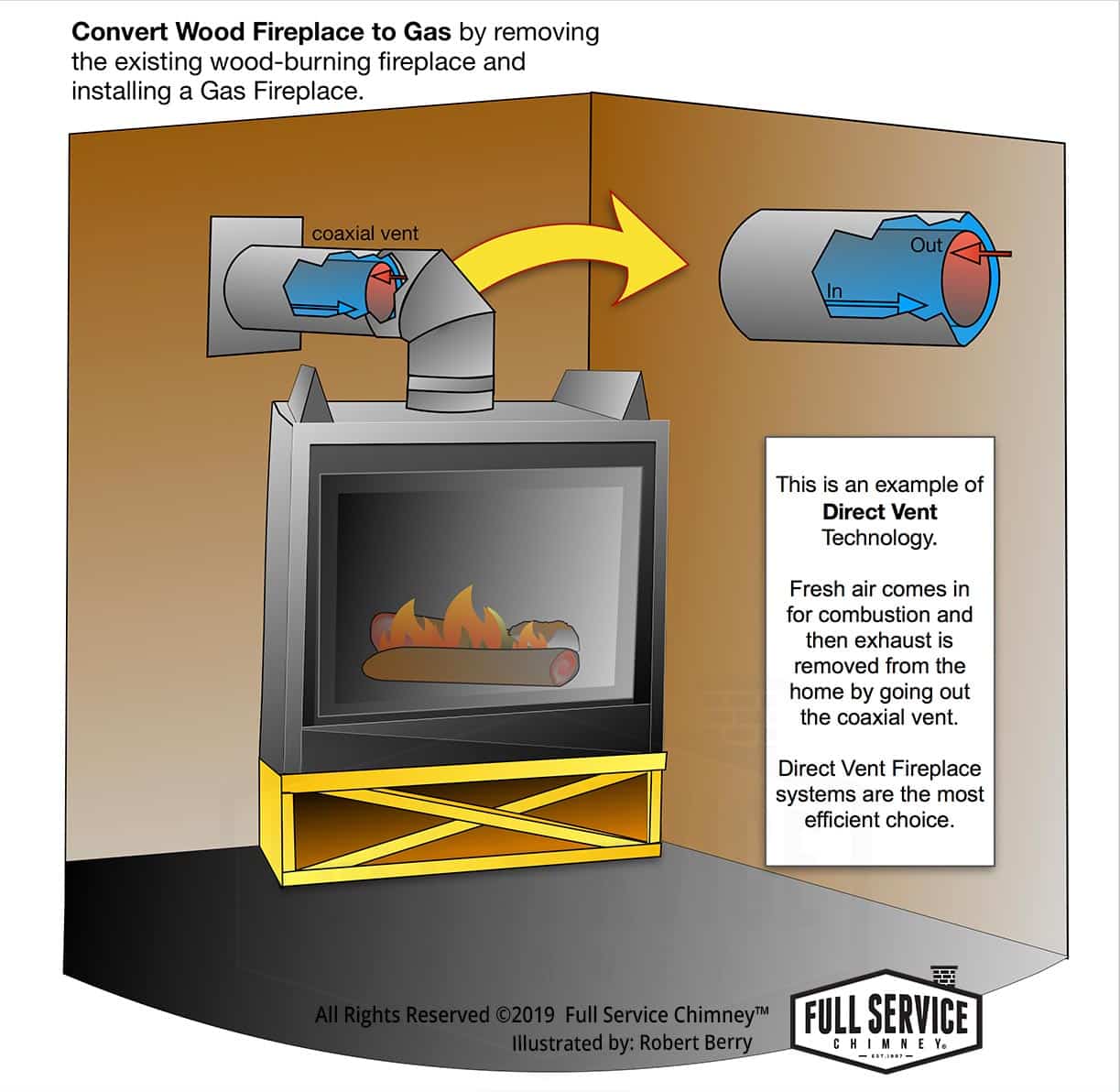
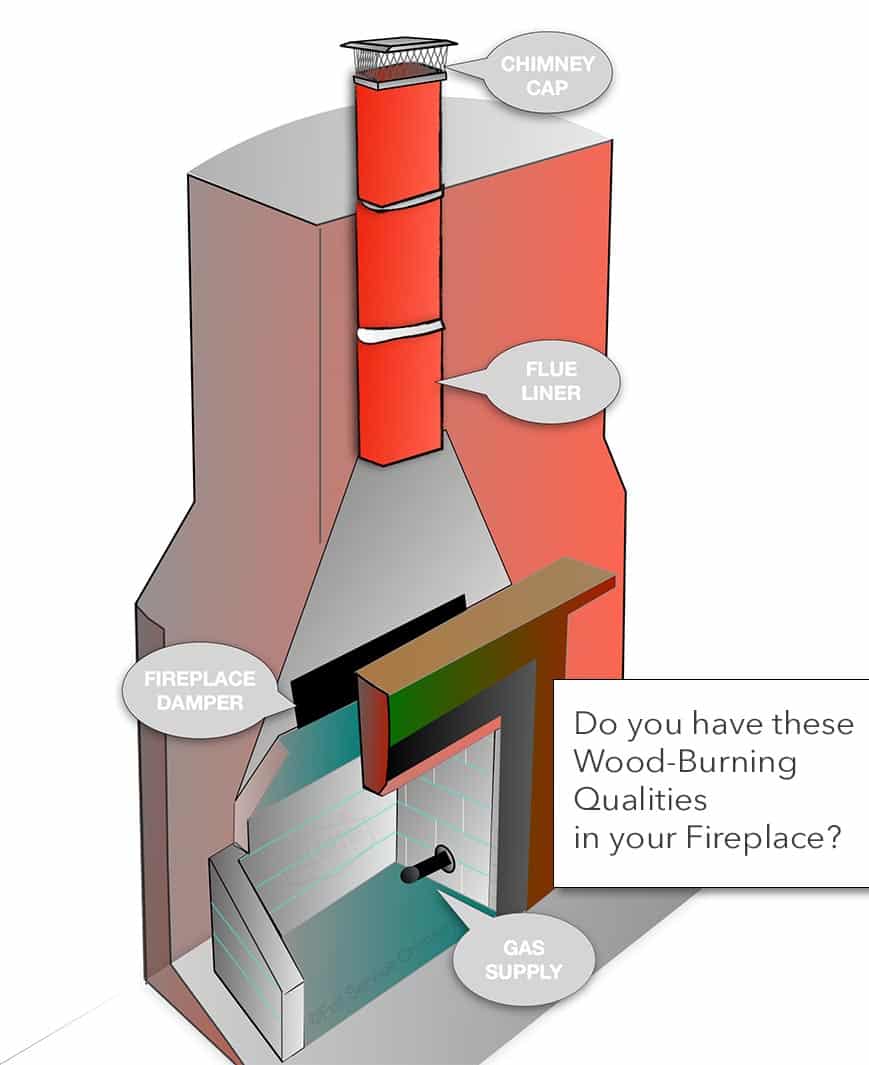
Credit: fullservicechimney.com
Propane Vs. Wood Fireplaces
Propane fireplacesare easy to use. They light up with a switch. They do not make much mess. Wood fireplacesgive a warm glow. They smell like nature. Both have good and bad sides.
Propane does not need wood chopping. It saves time and effort. Wood is cheaper, but you need to store it. Propane is clean. Wood makes ash and smoke.
Wood fireplaces need more work. You have to clean them. You also need a chimney. Propane fireplaces are less work. They fit in small spaces.
Choosingthe right fireplace is important. Think about your needs. Think about your home. Each type gives a different feeling.
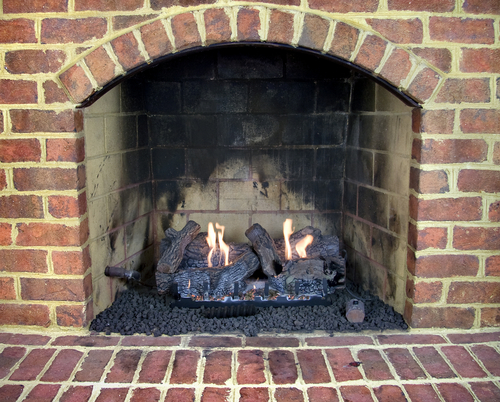
Credit: www.nypropane.com
Assessing The Feasibility
Converting a propane fireplace to wood requires important structural checks. The fireplace must be built for wood burning. Many propane fireplaces lack the needed support and structure. The walls should withstand higher heat from wood fires. This often means changes to the fireplace box.
Safety is crucial. Wood fires create more ash and embers. Proper materials can help prevent fire risks. Always check with a professional for advice. The fireplace’s design may not allow for easy conversion. Consider all aspects before proceeding.
A suitable chimney is vital for wood fires. Chimneys for propane might not be safe for wood smoke. Wood creates more smoke and creosote. These can build up and cause chimney fires. Ensure the chimney is lined correctly. It should be able to handle hotter smoke.
A professional inspection is necessary. They can check for blockages or damage. Cleaning the chimney regularly is also important. This keeps it safe and efficient. Proper ventilation is key to a safe wood-burning experience.
Tools And Materials Needed
Changing a propane fireplace to wood needs special toolsand materials. A wrenchhelps in removing old fittings. A screwdriveris useful for unscrewing parts. A hammeris needed for adjustments. Fireplace grateis essential for holding wood logs. Firebricksline the base and sides of the fireplace. These bricks resist heat and protect the structure.
A chimney brushcleans the chimney. It removes soot and debris. Glovesprotect hands from sharp edges and dirt. Safety gogglesprotect eyes from dust. Face maskprevents inhaling harmful particles. Wood logsare needed for burning. Choose dry wood for better heat and less smoke.
Safety Precautions
A certified professional must inspect your fireplace. They check for any damage or wear. This ensures it is safe for wood burning. Look for cracks or broken parts. These can cause fires or smoke leaks. The chimney is also checked. It must be clear of any blockages. The professional will also check for any loose bricks or mortar.
Proper ventilation is crucial for wood fireplaces. It keeps smoke out of your home. Make sure the chimney flue works well. This lets smoke escape easily. Closed windows can trap smoke. Always keep a window cracked open. Check for any drafts that may cause smoke issues. Proper airflow is a must. Without it, smoke may fill your home.
Step-by-step Conversion Process
First, ensure the propane supplyis turned off. Disconnect the propane linecarefully. Remove any burnersand other components. Make sure all connections are sealed properly. Safety is very important. Check for any remaining gas smells. If you smell gas, call a professional. Clean the entire fireplace area. Remove any debris left behind. Now you are ready for the next step.
Prepare the fireplace for wood burning. Install a fireboxsuitable for wood. Ensure the chimney is clean and clear. Place a grateinside the firebox. This holds the wood safely. Check that the damperworks well. It controls smoke flow. Lastly, test everything before lighting your first fire. Enjoy your cozy wood fireplace. Stay warm and safe.
Cost Implications
Material and Labor Costscan vary greatly. Changing a propane fireplace to wood burning involves several steps. First, you need to remove the propane setup. This requires special tools and skills. Hiring a professional is often necessary. They charge fees for labor and expertise. Then, you need new materials. Wood-burning fireplaces require a chimney or flue. These parts can be expensive. The total cost might surprise you. Always plan a budget before starting.
Long-term Maintenanceis another factor to consider. Wood fireplaces need regular cleaning. Ash and soot build up over time. This can affect air quality. You might need a chimney sweep. This service costs money. Wood is also required for burning. Buying or chopping wood can be a chore. This takes time and effort. Consider if you are ready for this commitment. Maintenance is ongoing and important.
Benefits And Drawbacks
Converting a propane fireplace to wood offers a cozy ambiance with natural flames. It might require significant modifications and higher maintenance. Weigh the warmth and charm of wood against the convenience of propane.
Efficiency And Heat Output
Propane fireplaces are efficient. They heat up quickly. Wood fireplaces can be less efficient. They need time to burn. Propane gives a constant heat. Wood can vary in heat. Propane fireplaces are easy to control. Wood burning needs more attention. Some people love the crackling sound of wood. It feels cozy. Others prefer the clean flame of propane.
Environmental Impact
Propane is a cleaner fuel. It burns without smoke. Wood fireplaces can make smoke. Smoke can pollute the air. Propane does not make ash. Wood makes ash that you must clean. Using wood can harm trees. Trees take time to grow back. Propane does not harm trees. Wood burning can hurt air quality. Propane is better for the air.

Credit: www.angi.com
Consulting Professionals
Converting a propane fireplace to wood burning involves safety checks and local regulations. Consulting professionals ensure proper installation and compliance. They provide guidance on necessary modifications for a seamless transition, ensuring both safety and efficiency.
When To Seek Expert Help
Knowing when to ask for expert help is vital. Some tasks are complex. Fireplace conversion can be tricky. It involves many safety concerns. Experts know the best practices. They ensure everything is done correctly. Mistakes can be costly and dangerous. Always consider a professional for such tasks.
Finding Qualified Contractors
Finding the right contractor is important. Look for people with experience. Check if they have the right certifications. Ask for references. Speak to past clients. Make sure they have a good reputation. A good contractor makes the process smooth and safe. Don’t rush the decision.
Frequently Asked Questions
How Much To Convert A Propane Fireplace To Wood?
Converting a propane fireplace to wood can cost $500 to $2,500. Costs vary based on labor, materials, and complexity. Always consult a professional for accurate estimates.
How To Convert Propane Fireplace To Wood?
Converting a propane fireplace to wood requires professional assessment. Consult a certified technician to ensure safety and compliance. They will inspect the chimney, make necessary modifications, and install a wood-burning insert if needed. Always prioritize safety and local regulations during conversion.
Can I Burn Wood In A Propane Fireplace?
Burning wood in a propane fireplace is unsafe and not recommended. Propane fireplaces are designed for gas use only. Using wood can cause damage and create a fire hazard. Always follow the manufacturer’s guidelines for safe operation. Consider installing a wood-burning fireplace if you prefer burning wood.
Can You Replace A Propane Fireplace With A Wood Stove?
Yes, you can replace a propane fireplace with a wood stove. Ensure proper ventilation and comply with local building codes. Consult a professional to handle the installation safely. Consider the space requirements for a wood stove. Regular maintenance is essential for optimal performance and safety.
Conclusion
Deciding on a fireplace conversion involves careful thought. Safety and costs are key. Converting from propane to wood requires professional help. Each fireplace system is unique. Check local regulations before starting. Wood burning offers a traditional feel. Yet, propane provides convenience.
Weigh the pros and cons of each option. Your choice should fit your lifestyle. Consider maintenance and environmental impact too. Consult a professional for advice. Making the right choice can enhance your home. Enjoy your cozy fireplace, whichever you choose.