Can You Drill into Concrete Without a Hammer Drill? Discover How!
Have you ever faced the daunting task of trying to drill into concrete without the help of a trusty hammer drill? It might seem impossible at first, but with the right approach and tools, you can achieve this DIY challenge.
Imagine the satisfaction of completing your project without having to invest in expensive equipment. We’ll uncover the secrets to successfully drilling into concrete using alternative methods that you might already have at your disposal. You’ll discover practical tips and tricks that not only save you money but also make your DIY projects more accessible.
So, if you’re ready to tackle concrete with confidence, keep reading to learn how to master this skill and impress yourself with what you can accomplish.

Credit: nootancrafts.com
Alternative Tools For Drilling
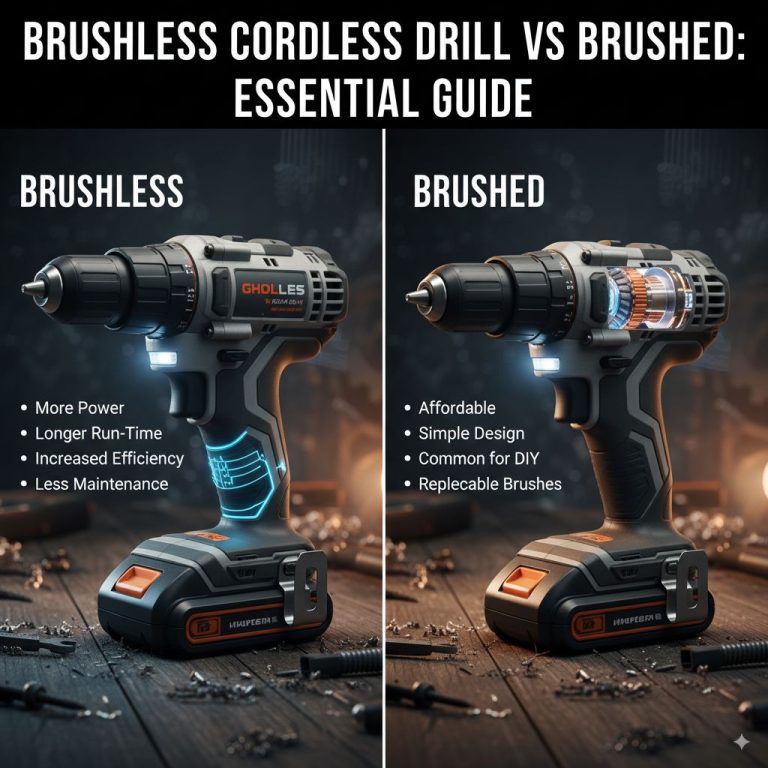
Rotary drills can work for concrete. They are not as fast as hammer drills. For small jobs, they are fine. Use a masonry bit for best results. Go slow and steady. Press with even pressure. It takes time but can be done.
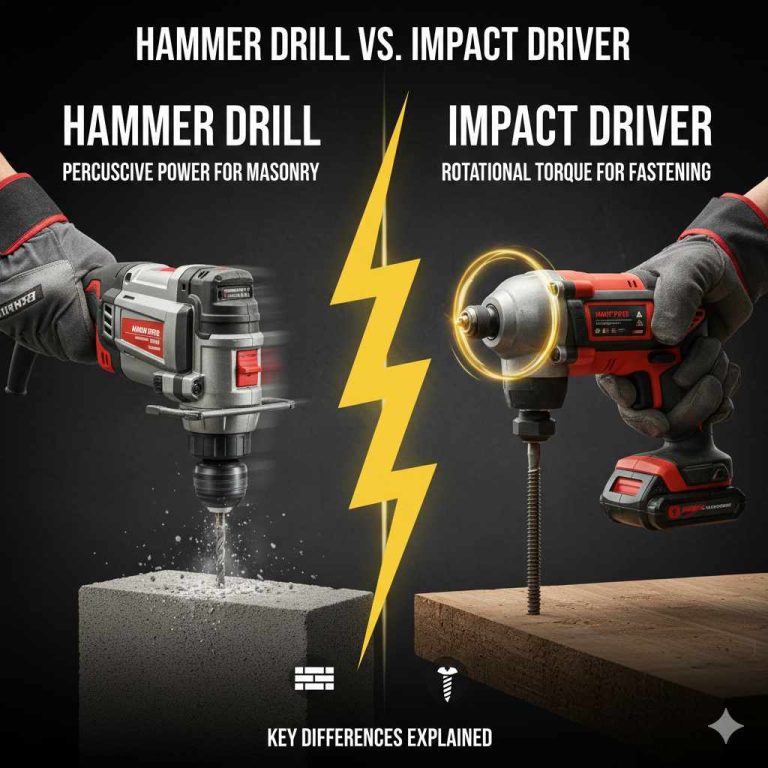
Impact drivers are useful for many tasks. They are not as effective on concrete. Good for softer materials. They spin fast and strong. Not ideal for concrete. Can be used in a pinch. Wear safety gear to protect eyes and ears.

Credit: www.youtube.com
Choosing The Right Drill Bit
Masonry drill bits are strong. They can drill through hard concrete. They have a special design. This design helps them cut through tough surfaces. Always choose the right size for your project. This makes the job easier and faster. A good bit will last longer. It won’t break easily.
Carbide-tipped bits are very hard. They are tougher than regular bits. They handle heat better. This is important when drilling concrete. These bits stay sharp longer. They reduce wear and tear. They make clean holes. Perfect for concrete walls and floors.
Preparation Steps
Marking and Measuringis very important before drilling. First, find the exact spot you need to drill. Use a pencil or marker to make a clear mark. Measure the spot to ensure accuracy. Accurate measurements help in proper drilling. Use a ruler or measuring tape. Double-check your measurements to avoid mistakes. This helps in drilling the right place.
Safety Precautionsare crucial. Wear protective gear like goggles and gloves. Protect your eyes and hands from dust and debris. Keep your work area clean. Clear away any loose objects or clutter. This prevents accidents and ensures safety. Be aware of your surroundings. Make sure there is enough light. Proper light helps in seeing clearly while drilling.
/SPR-how-to-drill-into-concrete-5025037-hero-de019c17ce5c4fe2adb7f6dd9f3ad193.jpg)
Credit: www.thespruce.com
Drilling Techniques
Drilling into concrete needs care. Begin with a small pilot hole. This helps guide the larger drill bit. Use a masonry bit for the pilot hole. The pilot hole should be shallow. Avoid deep drilling at first. Keep the drill steady while working. This makes the larger hole easier to drill later.
Apply pressure gently on the drill. Steady pressure is crucial. Don’t push too hard. It can break the drill bit. The drill should move slowly but surely. Let the drill bit do its work. This keeps the drill bit safe and the hole neat. Take breaks to cool the drill bit. This prevents overheating.
Managing Dust And Debris
Dust and debriscan be a big problem when drilling into concrete. It’s important to manage these for a clean and safe work area.
Using A Vacuum Attachment
A vacuum attachment helps collect dust while you drill. This tool connects to your drill. It sucks up the dust as you work. This keeps the area clean. It also helps you see better while drilling.
Maintaining A Clean Work Area
Keeping the work area clean is very important. Sweep or vacuum often to remove debris. This prevents accidents and keeps tools from getting stuck. Use a brush to clear dust off surfaces. Wear a mask to protect from breathing in particles. Clean work areas also make it easier to move around.
Common Challenges
Drilling into hard concreteis tough. Regular drills might not work well. The drill bit can slip and slide. This makes the job harder. Use a special masonry bit. It can handle the tough surface. Apply steady pressure. Let the drill do the work. Take breaks often. This helps avoid overworking the drill.
Drill bits can get hot quickly. Overheatingmakes them dull fast. This can damage the bit. Use water to keep it cool. Dip it in water between uses. This helps keep the bit sharp. Go slow and steady. Fast drilling causes heat. Remember to take breaks. This keeps the drill bit in good shape.
Tips For Success
Drilling into concrete without a hammer drill is possible with the right techniques. Using a masonry bit and steady pressure can help. Pre-marking the spot ensures accuracy.
Patience And Persistence
Drilling into concrete without a hammer drill needs patience. Take your time and work slowly. This helps avoid mistakes and keeps you safe. Concrete is tough, so be ready for a challenge. Stay focused and don’t rush. Small breaks can help keep your energy up. Drilling can be tiring, but patience is key to success.
Regular Bit Inspection
Checking your drill bit often is very important. Concrete is hard and can damage your bit. Look for wear and tear on the bit. If the bit is dull, change it. Sharp bits make drilling easier and faster. Inspect the bit after every few minutes of drilling. This helps keep your work smooth and avoids problems.
Frequently Asked Questions
Can I Use A Regular Drill To Drill Concrete?
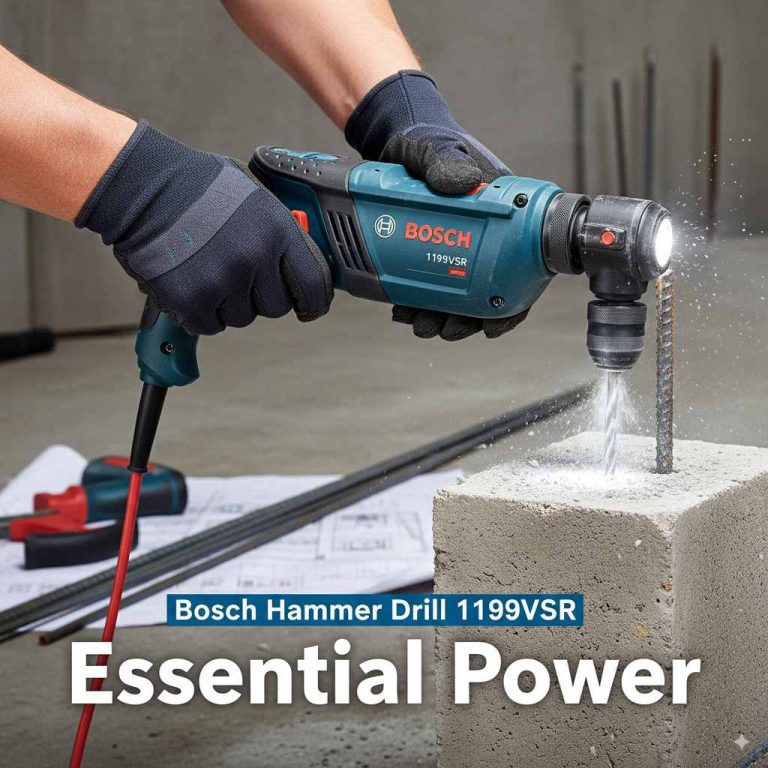
Yes, you can use a regular drill for concrete. Use a carbide-tipped masonry bit for best results. Ensure your drill has a hammer function for efficient drilling. Without the hammer function, progress will be slow and challenging. Always wear safety gear and follow precautions to avoid accidents.
What Can I Use If I Don’t Have A Hammer Drill?
Use a regular drill with masonry bits for light tasks. Apply steady pressure and increase speed gradually. For stubborn surfaces, consider using a rotary drill or a manual hammer with a nail punch. Ensure the drill bit is suitable for the material to avoid damage.
How To Screw Into Concrete Without A Hammer Drill?
Use a masonry bit with a regular drill to create a pilot hole. Insert a concrete screw and turn it with a screwdriver. Apply steady pressure for effective penetration into the concrete. Ensure the screw is designed for masonry use to avoid damage or ineffective installation.
Can You Use A Regular Drill Instead Of A Hammer Drill?
A regular drill can work for light tasks but lacks power for hard surfaces. Hammer drills excel in drilling concrete or masonry. Choose based on the material and project needs. Regular drills are suitable for wood and metal, while hammer drills are ideal for tough surfaces.
Conclusion
Drilling into concrete without a hammer drill is possible. It requires patience. Use a regular drill with a masonry bit. Apply steady pressure and work slowly. Keep the drill cool to avoid overheating. This method works for small projects. For larger tasks, a hammer drill is better.
Safety is crucial; wear protective gear. Consider the project’s size and importance. Choose the best tool for the job. Proper preparation leads to better results. Enjoy your DIY projects with confidence and care.