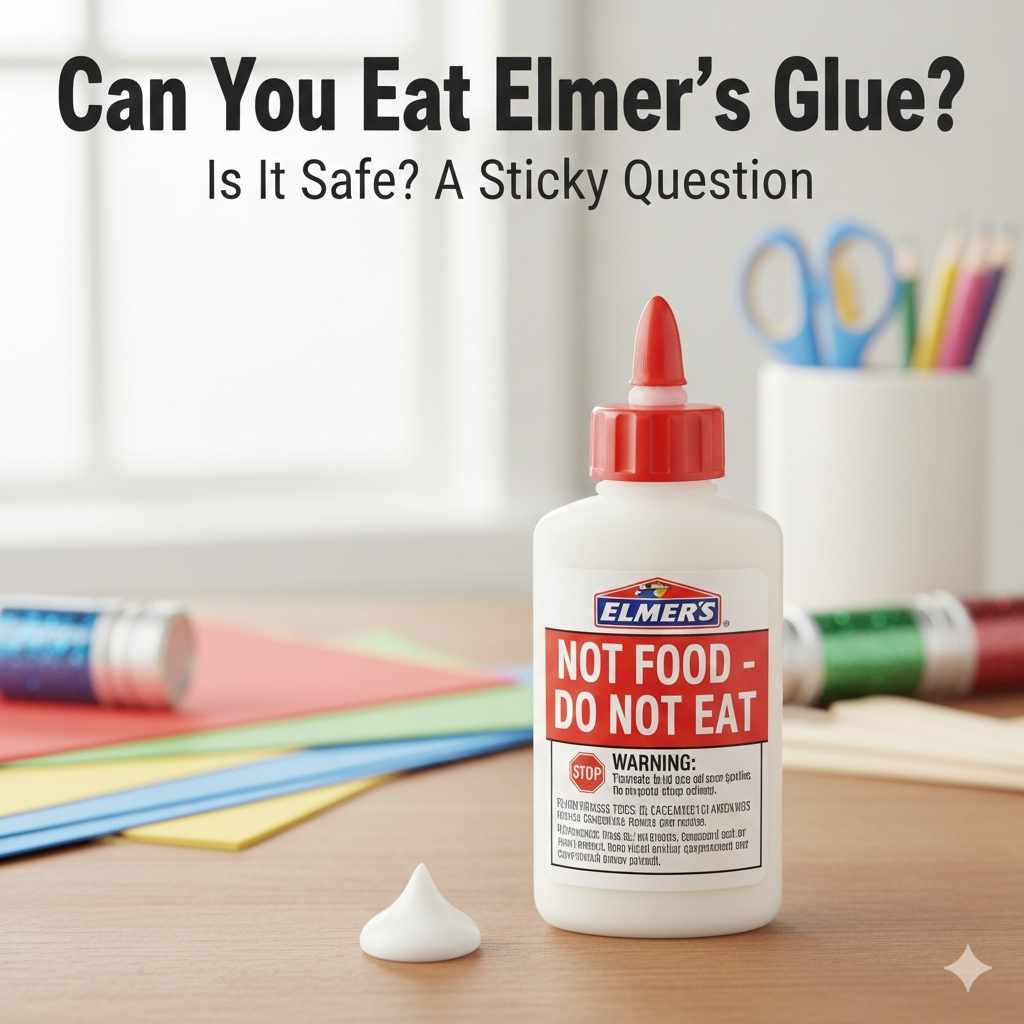
Can You Eat Elmer’s Glue? Is It Safe? A Sticky Question
The question, Can You Eat Elmer’s Glue? Is It Safe?, often pops up in classrooms and at home. It seems like a simple query, but the answer isn’t always clear to everyone. Figuring out if something is safe to ingest can be tricky, especially for beginners. Don’t worry, though! This post will break down the topic in an easy-to-follow way. We’ll explore the ingredients, possible effects, and everything else you need to know. Let’s start by looking at what makes up Elmer’s Glue.
What’s Inside Elmer’s Glue?
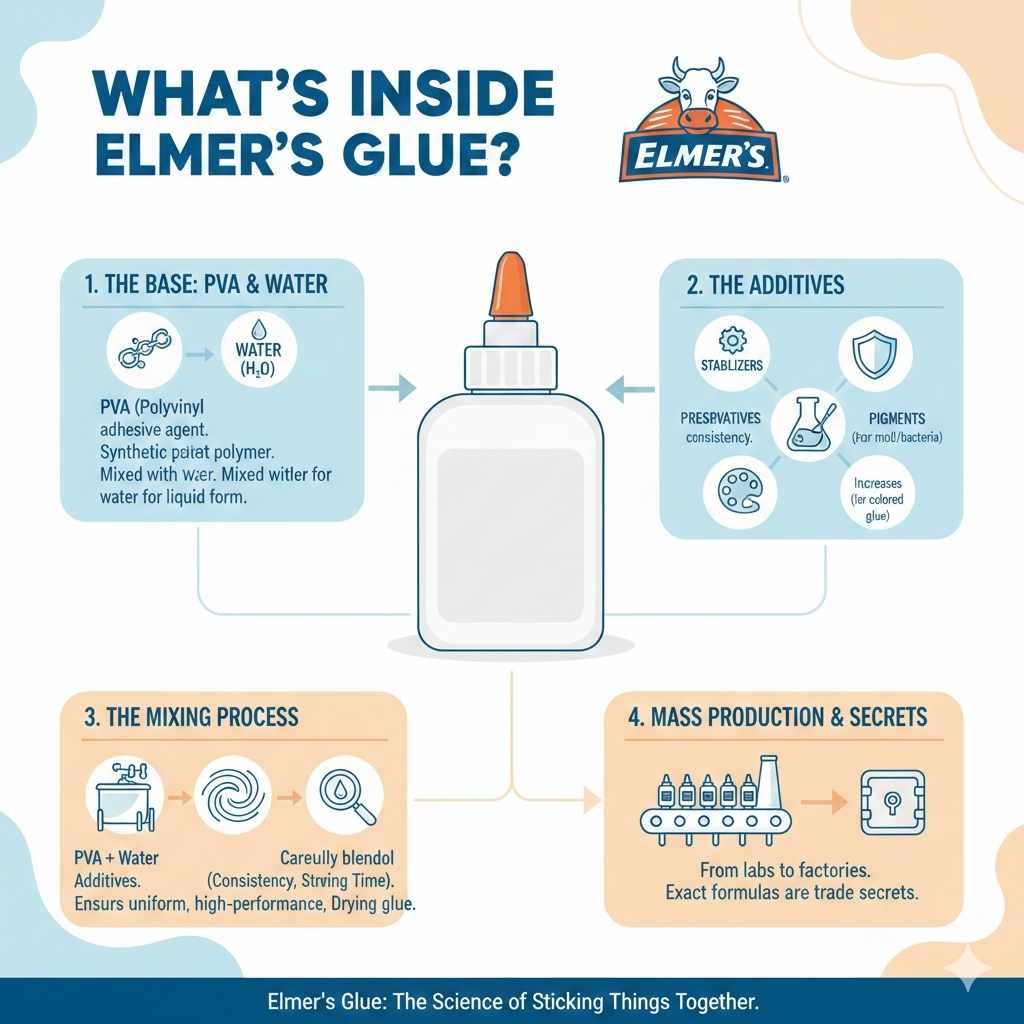
Before we can answer the big question, we have to explore what Elmer’s Glue is made of. The main ingredient is usually polyvinyl acetate, often shortened to PVA. PVA is a synthetic resin, which means it’s a type of plastic. This plastic is mixed with water to give it a liquid form. Additional ingredients include things like stabilizers, which stop the glue from changing, and preservatives, to keep it from going bad. Pigments might also be added if the glue is colored. These ingredients together create the familiar white liquid that sticks things together.
Polyvinyl Acetate: The Sticky Stuff
Polyvinyl Acetate (PVA) is the main ingredient of many types of glue, including Elmer’s. It’s a type of polymer, which means it’s made up of many small molecules linked together to create a larger chain. These chains are what give the glue its sticking power. PVA is a pretty versatile substance and is also used in other products like coatings for paper and textiles. The properties of PVA can be adjusted by changing the way the molecules are linked together or by adding different ingredients. This allows manufacturers to make glue that is suitable for different materials and uses. The manufacturing process involves creating these long chains through a chemical reaction called polymerization. It’s the backbone of the glue’s ability to bind things together.
- PVA is the primary adhesive agent in Elmer’s Glue, providing its stickiness.
- It’s a synthetic polymer made from the polymerization of vinyl acetate monomers.
- The properties of PVA can be altered, affecting its flexibility, strength, and drying time.
- PVA is also used in other applications like paints and coatings due to its binding properties.
Additives and Their Roles
Beyond PVA, Elmer’s Glue contains several other ingredients, each serving a specific purpose. These additives ensure that the glue functions as it should and keeps for an extended period. For instance, stabilizers maintain the glue’s consistency and stop it from separating. Preservatives are important to stop the growth of bacteria and mold, extending the shelf life. Pigments are added for colored glue to give it its unique look. Some glues may also contain plasticizers to make the glue more flexible and less brittle. The exact mixture of these additives can vary slightly based on the type of glue, like school glue versus craft glue.
- Stabilizers ensure the glue remains consistent and doesn’t separate.
- Preservatives prevent the growth of mold and bacteria.
- Pigments are added for color, making the glue more visually appealing.
- Plasticizers might be included to make the glue more flexible.
The Manufacturing Process Explained
The making of Elmer’s Glue starts with mixing polyvinyl acetate with water. This base mixture is then combined with the needed additives. These can include preservatives, stabilizers, and any desired pigments. The mixing is carefully controlled to guarantee that all ingredients are well-blended, leading to a smooth, uniform product. Quality control is vital to ensure that the final glue has the right properties, like stickiness, drying time, and color. The process is scaled up for mass production. It starts from tiny batches in labs, and the precise formulations and manufacturing steps are carefully kept as trade secrets by the glue makers.
- PVA and water form the base, setting the stage for the glue’s adhesive properties.
- Additives are carefully combined to ensure the right consistency and performance.
- Quality control ensures the glue meets performance standards.
- The process is carefully planned for mass production in the factory.
Is It Safe to Consume Elmer’s Glue?
The safety of eating Elmer’s Glue is a major concern, and it’s essential to look at the ingredients and potential consequences. While Elmer’s Glue is considered non-toxic in small amounts, that doesn’t mean it’s good to eat. Most of the ingredients aren’t intended for consumption. The main issue is the potential for digestive upset or other mild symptoms if consumed in large quantities. There can be differences between the ingredients in the glue based on where it’s made or its intended use. So, while it’s generally considered non-toxic, it’s not something you should make a habit of eating.
Understanding Toxicity and Its Meaning
Toxicity is the potential of a substance to cause harm to a person. It is often measured by the amount of the substance needed to cause harm, known as the dose. Some substances are highly toxic, meaning a small dose can cause serious damage, while others have low toxicity, where it takes a considerable amount to have any effect. When we talk about whether something is “toxic,” we need to consider both the substance itself and how much of it a person is exposed to. Elmer’s Glue is generally regarded as having low toxicity because the amount you would need to eat to cause serious harm would be quite significant. However, it’s not made to be eaten, and it doesn’t offer any nutritional benefit.
- Toxicity refers to a substance’s ability to cause harm.
- The amount of a substance (the dose) is a key factor in determining its toxicity.
- Elmer’s Glue has low toxicity, but it’s still not meant for consumption.
- Ingesting large amounts of glue can cause stomach problems and potentially other symptoms.
Possible Health Effects
Eating a small amount of Elmer’s Glue likely won’t cause serious health problems, but some minor effects are possible. The most common issues are stomach upset, like nausea, stomach aches, or diarrhea. In larger amounts, the glue might cause a blockage in the digestive tract. Some people may also experience allergic reactions to the glue’s ingredients, though this is rare. The effects can vary depending on a person’s age, health, and the amount consumed. It is important to remember that Elmer’s Glue is not designed as food, so it should not be eaten regularly.
- Minor stomach upset, such as nausea or diarrhea, is the most common result.
- Eating large amounts may lead to blockages in the digestive system.
- Allergic reactions are rare but possible.
- Individual responses vary depending on factors like age and health.
What to Do If Someone Eats Elmer’s Glue
If someone accidentally eats Elmer’s Glue, don’t panic. The steps to take depend on how much was eaten and whether there are any symptoms. For small amounts, it’s usually best to observe the person and watch for any signs of an issue. Encourage them to drink water, which can help in digestion. If the person ate a lot of glue or they show symptoms like stomach pain, vomiting, or difficulty breathing, seek medical advice. In cases of significant ingestion or severe symptoms, it’s always better to consult a doctor or call for emergency assistance. Remember to provide as much information as possible about the amount eaten and any observed symptoms.
- Stay calm and assess the situation.
- For small amounts, offer water.
- If there are signs of sickness, seek medical help.
- Provide details on the amount eaten and any symptoms.
Alternatives and Safety Tips
There are many safer options when it comes to crafts and sticking things together. Always read the labels on any product to understand the ingredients and safety recommendations. If you’re looking for a safer alternative to Elmer’s Glue, consider using glue sticks or other craft adhesives specifically designed for kids. It’s also important to store glue and other craft supplies out of reach of very young children. These simple steps can help to ensure a safe and enjoyable experience while working on crafts or other projects. Remember, even with safe products, it’s always best to use them as instructed and be mindful of potential hazards.
Safe Crafting Alternatives
Several crafting alternatives are available to provide a safer experience, especially for children. Glue sticks are often a good option, as they typically contain less harsh chemicals and are easier to control, reducing the likelihood of accidental ingestion. Other options include specific craft glues that are labeled as non-toxic and designed for children’s use. These glues often come in squeeze bottles for controlled application. Always check the labels on products for age recommendations and safety instructions. Products certified by trusted organizations such as the Art and Creative Materials Institute (ACMI) also offer assurance. Consider using alternatives that are made from natural ingredients, such as homemade glue from flour and water. Always supervise kids during craft activities to make sure they follow the proper usage.
- Glue sticks offer a safer and easier alternative for young children.
- Look for craft glues that are non-toxic and created for kids.
- Check product labels for age recommendations and safety advice.
- Consider homemade glue alternatives made from natural materials.
Label Reading and Product Safety
Reading the label is a simple but important step in using any product, and it is a crucial step when dealing with Elmer’s Glue. The label provides details about the product’s ingredients, how to use it safely, and any potential hazards. Look for phrases like “non-toxic” or “safe for kids,” which can provide extra peace of mind. Check for warnings, such as “avoid contact with eyes” or “keep out of reach of children.” If you are unsure about an ingredient, do some research or consult a healthcare professional. Understanding these product details can prevent accidents and help to avoid any unexpected health issues. Always remember that the manufacturer has included important information on the label for your protection.
- Always read the label to understand a product’s safety information.
- Look for “non-toxic” or “safe for kids” claims.
- Check for warnings related to the usage of the product.
- Be mindful of ingredients and how they interact with users.
Storage and Handling Guidelines
Correct storage and handling of Elmer’s Glue are vital for safety and to maintain its quality. Store glue in a cool, dry place away from direct sunlight and extreme temperatures. Direct sunlight can change the glue’s consistency or make it less effective. Ensure the lid is always tightly closed to prevent the glue from drying out. When handling the glue, keep it away from open flames and sources of heat, as it’s flammable. Teach children how to use glue safely, stressing the importance of not putting it in their mouths or getting it in their eyes. Always supervise young kids when they are using glue, and teach them to clean up spills immediately.
- Store Elmer’s Glue in a cool, dry place away from sunlight.
- Always make sure the lid is securely closed after usage.
- Keep the glue away from heat sources and open flames.
- Teach kids how to use glue safely, emphasizing they should not eat it.
Frequently Asked Questions
Question: Is Elmer’s Glue edible?
Answer: Elmer’s Glue is not designed for eating, and it’s not recommended. While it’s generally considered non-toxic in small amounts, it’s not meant to be consumed and offers no nutritional value. Eating it can potentially lead to some stomach upset.
Question: What happens if you eat Elmer’s Glue?
Answer: Eating Elmer’s Glue can sometimes cause minor problems, such as nausea, stomach pain, or loose stools. In larger amounts, it could cause digestive blockage. However, serious health issues are rare.
Question: Are there any safe alternatives to Elmer’s Glue?
Answer: Yes, there are several safe alternatives. Glue sticks are a great option because they are easier to use and typically contain less harsh chemicals. Other craft glues designed specifically for kids are also a better choice.
Question: Is Elmer’s Glue made from harmful ingredients?
Answer: The primary ingredient in Elmer’s Glue, polyvinyl acetate, is not typically harmful in small amounts. However, the other additives and preservatives aren’t meant for eating. Always read product labels for more information.
Question: What should I do if my child eats Elmer’s Glue?
Answer: If your child eats a small amount of glue, stay calm and encourage them to drink some water. If they ate a large amount, or if they have any symptoms like stomach pain or vomiting, contact your doctor or seek medical help.
Final Thoughts
So, Can You Eat Elmer’s Glue? Is It Safe? The answer is complex. While not extremely dangerous in small amounts, consuming it isn’t a good idea. Elmer’s Glue isn’t meant for eating, and it’s always best to avoid it. If someone accidentally eats some, don’t immediately panic, but watch for any signs of a problem. Remember, there are many safe alternatives, such as glue sticks or kid-friendly craft glues. Always teach children about the safe use of craft supplies and the importance of not putting them in their mouths. Using common sense, reading product labels, and providing a safe crafting environment will help keep everyone safe and sound.