Can You Glue HDPE? What Actually Bonds It (2026)
Yes, HDPE can be glued, but only with the right system. Regular wood glue, standard super glue, PVC cement and ordinary epoxy are poor bets on it. What works is a cyanoacrylate glue paired with a polyolefin primer or activator, a structural acrylic made for low surface energy plastics, or a hot-air weld. For anything that carries weight, add screws or bolts.
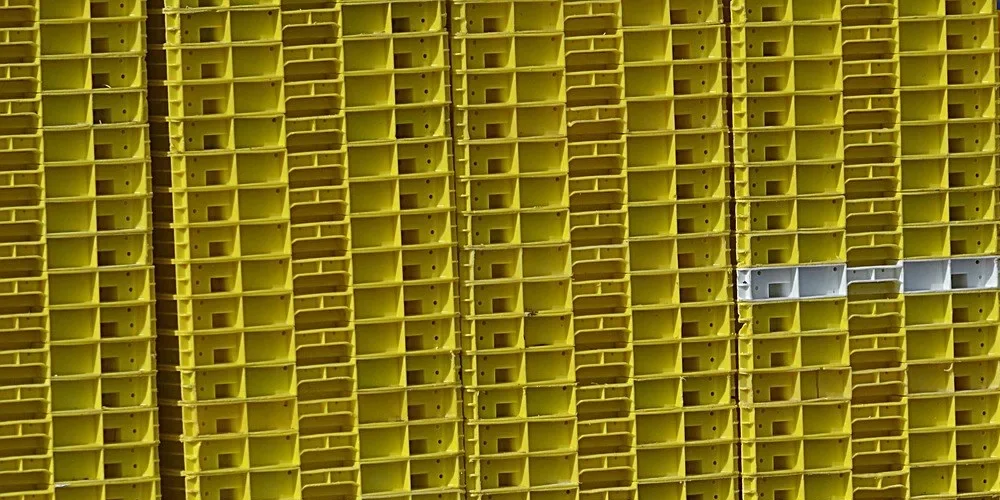
HDPE (high-density polyethylene) is the slick, waxy plastic in milk jugs, storage totes, cutting boards, plastic lumber and POLYWOOD outdoor furniture. Its surface has very little “grab” for adhesives, so most glues sit on top of it and peel off.
This guide covers which products manufacturers actually say bond polyethylene, what their data sheets show (and do not show), and how to prep and clamp a joint. We have not bench-tested these adhesives ourselves, so every strength number below comes from a manufacturer data sheet we read, and we say when a number does not apply to HDPE specifically. An earlier version of this page suggested flame treating and generic two-part epoxy as go-to fixes. We took both out because we could not back them up with a manufacturer source.
Quick Answer: What Glue Works on HDPE
BEST SMALL HDPE REPAIR PICK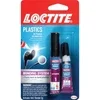 |
Loctite Super Glue Plastics Bonding System (Activator + Glue Kit)
|
For a small repair, a plastics bonding kit that pairs an activator with cyanoacrylate is the simplest route. For a bigger or stronger joint, look at a structural acrylic such as 3M Scotch-Weld DP8010, which 3M says bonds many grades of polyethylene and polypropylene without special surface preparation. Amazon’s listing for that 3M product is marked for industrial or occupational use only, so it is not something we link to here. For a permanent, structural part, welding or mechanical fasteners beat any glue.
| Method | What the maker says | Limits to know |
|---|---|---|
| Cyanoacrylate plus polyolefin primer or activator | Loctite’s plastics kit lists polyethylene, polypropylene and PTFE as bondable; its SF 770 primer sheet says primed polyolefins reach CA performance “generally similar” to the CA’s own data sheet | Primer data sheet says not recommended where high peel strength is required; small quantities; solvent is highly flammable |
| Structural acrylic for low surface energy plastics (3M DP8010) | 10:1 two-part acrylic that bonds many grades of polyethylene without special prep; designed for metal, wood and most plastics | No HDPE-specific number on the data sheet; 8 minute work life, 60 minute set, 24 hour full cure at 23 C; industrial-use listing on Amazon |
| Hot-air or extrusion welding with HDPE filler rod | Fuses the plastic to itself instead of gluing it | Needs a welder and practice; melting plastic needs good ventilation |
| Screws, bolts, T-nuts, rivets | No chemistry needed | Best choice for anything load-bearing; needs oversized or slotted holes for movement |
| Wood glue, standard super glue, PVC or ABS cement, generic epoxy | Not designed for polyolefins | Expect a joint that peels clean off the surface |
Why the Numbers on the Data Sheets Are Lower Than You Expect
Most articles on this topic just say “use special glue.” The more useful move is to read how the joint failed, not only how strong it was. 3M’s data sheet for DP8010 lists overlap shear strength after a seven-day cure at 23 C (73 F), and the substrate matters far more than the adhesive:
| Substrate (3M DP8010) | Prep used in the test | Overlap shear (psi) | Where it failed |
|---|---|---|---|
| Aluminum | MEK, abrade, MEK | 1,960 | Cohesive (inside the adhesive) |
| Polycarbonate | IPA wipe, abrade, IPA wipe | 1,150 | Substrate (the plastic gave way) |
| UHMWPE | IPA wipe only | 770 | Cohesive (inside the adhesive) |
| Low density polyethylene (LDPE) | IPA wipe only | 360 | Substrate (the plastic gave way) |
Two things stand out. First, in the LDPE test the failure mode was substrate failure, meaning the plastic itself tore before the glue let go, so 360 psi describes how strong that plastic is more than how strong the glue is. Second, the numbers on polyethylene are a fraction of what the same adhesive does on aluminum. That is normal for a soft, waxy plastic, and it is why a glued HDPE joint should be designed with a large overlap and, for structural work, a mechanical backup. 3M does not print a number for high-density polyethylene on this sheet, so treat these figures as a guide to the polyethylene family, not a promise for your part.
Loctite’s data sheet for its SF 770 primer (sold as Loctite 770) reports 15 N/mm2 (2,200 psi) block shear for HDPE treated with that primer and bonded with Loctite 406 to grit-blasted mild steel, measured after 24 hours at 23 C. Again, that is HDPE to steel, not HDPE to HDPE, and Loctite says the primer is not recommended where high peel strength is required. We do not know whether the activator in the consumer plastics kit is the same chemistry as SF 770, so do not read that number as a rating for the kit.
How to Glue HDPE Step by Step
The steps below follow the surface prep 3M gives for plastics (wipe with isopropyl alcohol, abrade with fine abrasive, wipe again) and the directions Loctite gives for its polyolefin primer. Always follow the instructions on the exact product you buy, since they override any general guide.
Prep the surfaces
- Wipe with isopropyl alcohol. Use a clean lint-free cloth to remove dust, oils and any mold-release residue. This is step one in 3M’s plastics prep.
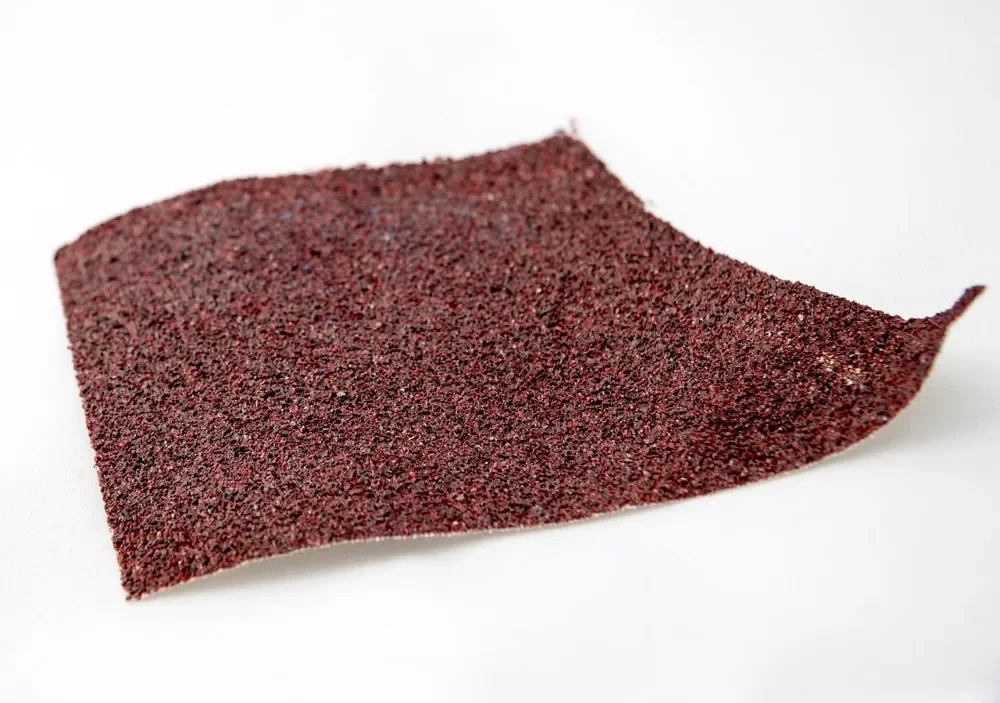
- Abrade lightly. Scuff the bond area with fine-grit abrasive. You want a dull, uniform surface, not deep grooves. On soft polyethylene, deep scratches just create weak ridges.
- Wipe again with alcohol to remove dust, and do not touch the area with bare fingers afterward.
- Test the solvent first. Loctite warns that its primer solvent can affect certain plastics and coatings, so try it on a hidden spot.
Bond with primer plus cyanoacrylate
- Apply the primer or activator thinly. Loctite says excess primer should be avoided, and that if a polyolefin is being joined to an easier-to-bond material, the primer goes on the polyolefin only. Its data sheet lists a drying time of about 8 seconds on polyethylene at 23 C.
- Bond right after the primer dries. The primer data sheet says to apply the cyanoacrylate and close the joint immediately after the primer dries on the surface.
- Hold the parts still and let the joint cure fully before loading it. Loctite’s test data was taken after 24 hours at 23 C, so give it that long before stressing it.
- Add mechanical backup if the part will be pulled, pried or flexed, because peel loads are the weak spot for primed cyanoacrylate.
Bond with a structural acrylic
If you use 3M DP8010 or a similar product, follow the data sheet: mix through the static mixer, apply and join within the 10 minute open time, keep the parts from moving, and let it cure at 60 F (16 C) or above until fully firm. 3M lists an 8 minute work life in the mixing nozzle, a 60 minute set time and a 24 hour full cure at 23 C. Keep the bond line thin: 3M gives an optimum range of 0.005 to 0.020 inch. Uncured adhesive cleans up with ketone-type solvents, and 3M says to extinguish all ignition sources first.
Ventilation and Safety
The Loctite plastics kit package we looked at warns that it contains ethyl cyanoacrylate and heptane. Loctite’s primer data sheet says its primer must be handled as a highly flammable material. In practice that means working in a ventilated space, keeping the primer away from pilot lights, sparks and hot tools, and reading the Safety Data Sheet for whatever product you buy. The same goes for alcohol wipes and ketone cleaners: extinguish ignition sources before using them. If you ever weld HDPE, melting plastic gives off fumes, so ventilate that job too and check the welding rod maker’s safety data.
Gluing HDPE to Wood
This is the version of the question woodworkers ask most: a strip of plastic lumber or a cutting-board blank on a wooden frame. Treat it as two separate problems. The wood side bonds easily; the HDPE side is the hard part, so the adhesive has to be one rated for polyethylene. 3M states that its Scotch-Weld structural plastic adhesives are designed for metal, wood and most plastic surfaces, which makes that family a logical fit for a wood-to-HDPE joint, although you still need to follow the industrial-use guidance on the product.
Plan for movement too. Plastic and wood expand and shrink by different amounts as the weather changes, so long glued seams between wood and plastic outdoors are asking for trouble. Glue plus fasteners in slotted or oversized holes is the safer build. For a broader look at wood-to-plastic joints across plastic types, see our guide on the best glue for gluing wood to plastic.
POLYWOOD and Other Plastic Lumber
POLYWOOD says its lumber is made from recycled HDPE plus UV inhibitors, colorfast pigments and stabilizers. That means everything above applies to it, and it also means bonding a POLYWOOD part is a repair job, not a normal glue-up. For cutting and alteration rules, including the warranty angle, read our POLYWOOD cutting guide before you modify a piece. If a slat or fitting cracks, contact the manufacturer first about repair options, and use screws or bolts for structural repairs instead of relying on adhesive alone.
Welding and Fasteners: When Not to Glue
Welding is the only method that joins HDPE to itself as one piece of plastic. Hot-air welders melt a matching HDPE filler rod into a groove along the joint. Welding guides from equipment sellers describe a V-groove of at least about 60 degrees on butt joints and an alcohol wipe before welding, but the temperatures they quote range widely, from roughly 450 to over 600 F, so follow the instructions for your welder and rod rather than a single number. It takes practice on scrap, and it is the better answer for water troughs, tanks and anything else that has to be leak-tight.
For furniture, jigs and shop fixtures, screws and bolts through oversized holes are simpler than either. Pre-drill, use washers to spread the load, and leave room for the plastic to move.
Common Mistakes When Gluing HDPE
- Trusting the label “plastic glue.” Check that the product names polyethylene or polyolefins. If it does not, assume it will not bond HDPE.
- Over-sanding. A dull scuff is enough. Deep gouges on soft plastic weaken the surface layer you are trying to bond.
- Waiting too long after priming. Loctite’s directions say to bond right after the primer dries.
- Using too much primer. The data sheet warns against excess.
- Loading the joint early. Loctite’s test data is after 24 hours and 3M’s is after 7 days, so give the joint the full cure time the maker lists.
- Butt joints. A simple end-to-end joint has almost no bond area. Use a lap or a wide overlap and add fasteners.
Frequently Asked Questions
Can I use wood glue on HDPE?
No. Wood glue is designed for porous wood. HDPE is non-porous and slick, so the glue has nothing to grip and will peel off. Use an adhesive that lists polyethylene as a compatible material.
What is the best glue for HDPE?
It depends on the job. For small repairs, a cyanoacrylate paired with a polyolefin primer or activator is the simplest option. For stronger joints, structural acrylics made for low surface energy plastics, such as 3M Scotch-Weld DP8010, are designed for polyethylene. For structural parts, welding or fasteners are better than any glue.
Does super glue work on HDPE?
Not on its own. Loctite’s own primer data sheet says polyolefins like polyethylene need a primer before cyanoacrylate adhesives will perform like they do on easier surfaces.
Do I have to sand HDPE before gluing?
3M’s plastics prep for its structural plastic adhesive is an alcohol wipe, a light abrasion with fine abrasive, then another alcohol wipe. Its own strength table shows LDPE and UHMWPE tested with only an alcohol wipe, so check your product’s directions for what it needs.
Can I glue HDPE to wood?
Yes, if the adhesive is rated for polyethylene, but movement between wood and plastic is a problem outdoors. Use the right adhesive, add fasteners in slotted or oversized holes, and keep the glue line thin.
Is POLYWOOD lumber HDPE?
Yes. POLYWOOD says its lumber is made from recycled HDPE plus UV inhibitors, pigments and stabilizers, so the same glue limits apply.
Conclusion
HDPE is not impossible to glue, but it punishes shortcuts. Use an adhesive that names polyethylene, clean and lightly scuff the surface, prime if the system calls for it, join promptly and cure fully. Keep expectations realistic: even a good glued joint on polyethylene is weaker than the same adhesive on metal, so use overlap area and fasteners where the part carries load. If you want a low-cost way to try a small repair, the Loctite kit above is where we would start.
Sponsored / affiliate links. As an Amazon Associate I earn from qualifying purchases. I may earn additional commission from eligible campaigns.