How Long Does Wood Glue Take to Cure? (24-Hr Chart by Type)
Wood glue reaches handling strength in 30-60 minutes but needs a full 24 hours to cure to maximum strength — longer if your shop is below 50°F or the wood is wet. Stressing a joint before then is the #1 cause of glue failure. This guide covers cure times by glue type (PVA, Titebond, Gorilla, epoxy, CA), what slows curing down, and how to tell a joint is truly ready.
Understanding Wood Glue Curing Times
Best Wood Glue Pick
Titebond III Ultimate Wood Glue
Waterproof, food-safe PVA formula built for structural joints that may see moisture before they fully cure.
- Best for: outdoor furniture, cutting boards, joints exposed to moisture
- Why we picked it: same 24-hour full cure as standard PVA but tolerates the rain/wet-wood scenarios covered above
- Main drawback: costs more per ounce than standard interior PVA
Compare more wood glue options
 Option 1 Titebond Original Wood Glue, 8 oz
|
 Option 2 Gorilla Wood Glue 8oz
|
 Option 3 Gorilla Ultimate Waterproof Wood Glue
|
As an Amazon Associate we earn from qualifying purchases.
When you join two pieces of wood with glue, you’re not just sticking them together; you’re creating a chemical bond that needs time to fully develop its strength. The time it takes for wood glue to cure is not a single, fixed number. It depends on several things, including the type of glue you use, the humidity in your workshop, the temperature, and how much glue you applied.
Getting this right means the difference between a joint that holds strong for years and one that might separate under pressure — see our full wood glue and adhesives hub for other bonding questions. Let’s break down what influences this important curing process.
Different Types of Wood Glue
The most common wood glues fall into a few main categories, each with its own set of properties and curing characteristics. Understanding these differences is the first step to knowing how long to wait.
PVA Glues (Polyvinyl Acetate)
These are your everyday wood glues, often found in yellow bottles. They are water-based and generally considered safe and easy to use. PVA glues come in different formulations, like interior and exterior grades, and some dry faster than others.
- Standard White/Yellow PVA: These are the most common and are great for most indoor projects. They typically set within 30 minutes to an hour, with full cure taking 24 hours.
- Fast-Grab PVA: As the name suggests, these are formulated to grab more quickly, often allowing for repositioning to be done within just a few minutes. Full strength is still usually around 24 hours.
- Waterproof/Exterior PVA: These offer better resistance to moisture but may take a bit longer to reach full strength compared to standard interior glues.
Polyurethane Glues
Polyurethane glues are known for their incredible strength and ability to bond dissimilar materials, not just wood. They react with moisture to cure, making them suitable for outdoor projects. They often expand slightly as they cure, which can help fill small gaps.
- These glues start to foam and expand within an hour.
- They achieve handling strength within a few hours.
- Full cure and maximum strength can take up to 24 hours.
Cyanoacrylate (CA) Glue (Super Glue)
While not a traditional wood glue for large projects, CA glue is fantastic for quick fixes, small repairs, or bonding delicate pieces. It cures very rapidly, often within seconds to minutes, but it doesn’t fill gaps well and can be brittle.
- Sets in seconds, achieving handling strength almost immediately.
- Full strength is typically reached within a few hours, though this can vary.
Hide Glue
This is one of the oldest types of wood glue, made from animal hides. It’s reversible with heat and moisture, making it a favorite for antique repairs and instruments. It cures by drying out and forms a strong, brittle bond.
- Sets relatively quickly, often within 15-30 minutes.
- Full cure can take up to 24 hours.
Epoxy Resins
Epoxy is a two-part adhesive that creates an extremely strong and waterproof bond. It’s excellent for structural repairs, filling large voids, and situations where maximum durability is needed.
- Many epoxies are “workable” for 30-60 minutes after mixing.
- Handling strength is often achieved within 2-6 hours.
- Full cure and maximum strength typically take 24-72 hours.
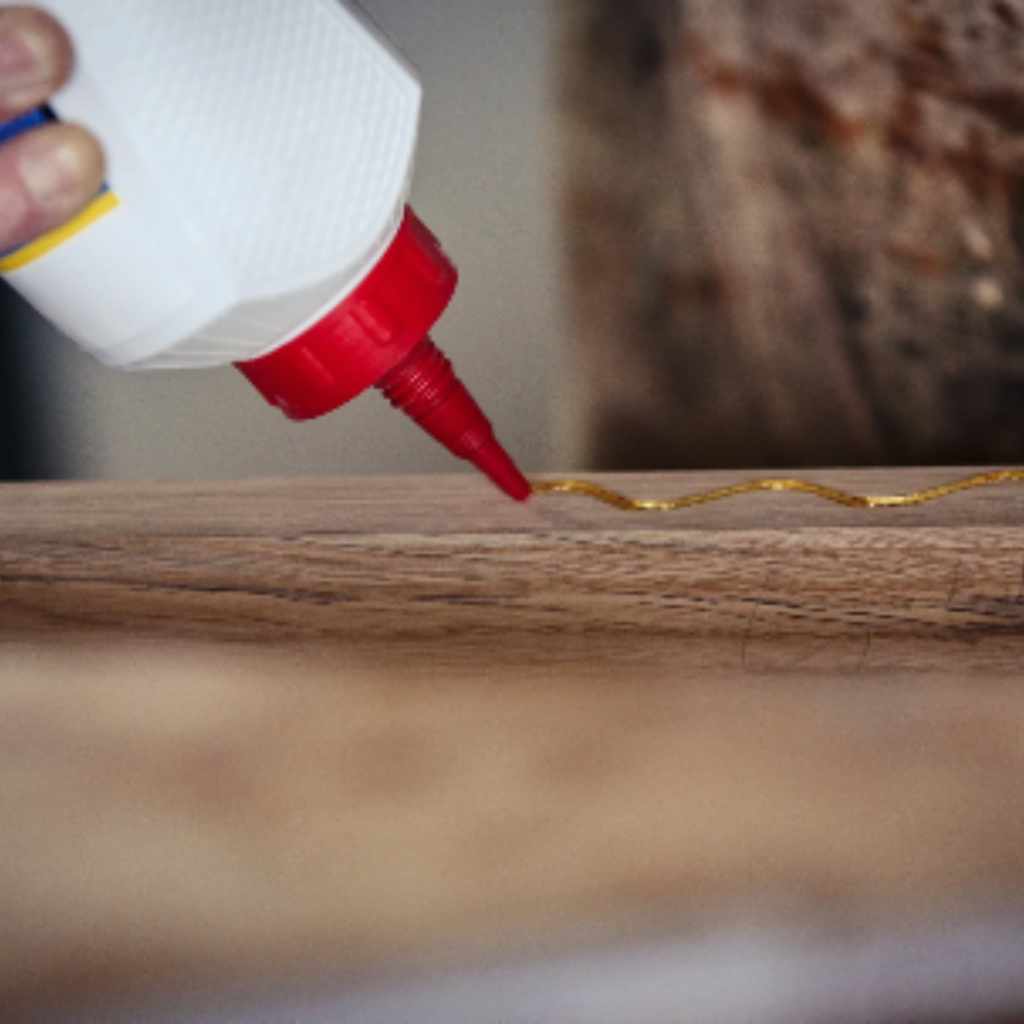
Factors Affecting Glue Curing Time
Beyond the glue itself, several environmental and application factors play a significant role in how quickly and effectively your wood glue cures.
Temperature
Glue cures faster in warmer temperatures. Cold can significantly slow down the chemical reactions that cause the glue to harden and strengthen. Aim for a workshop temperature between 60-80°F (15-27°C) for optimal results.
Humidity
Humidity also plays a part, especially with water-based glues like PVA. While some moisture is needed for certain glues to cure (like polyurethane), excessively high humidity can slow down the evaporation process for water-based glues. Very low humidity might cause some glues to dry too quickly on the surface before a good bond forms.
Wood Type and Porosity
Denser woods or woods with very tight grain can sometimes take slightly longer to bond effectively as the glue may not penetrate as deeply. Very porous woods can absorb glue quickly, potentially leading to a weaker bond if not enough glue is applied or if the glue dries out too fast.
Application Thickness
Applying too much glue can extend the curing time because there’s more moisture or solvent that needs to evaporate or react. Conversely, too little glue means you won’t achieve a strong bond, regardless of how long you wait. The ideal is a thin, even layer.
Clamping Pressure
Proper clamping is essential. It holds the pieces firmly together while the glue cures, ensuring maximum contact between the wood surfaces. Insufficient clamping can lead to gaps and a weaker bond, even after the expected cure time.
Cold Weather: Why Curing Takes 2-3x Longer Below 50°F
Cold is the biggest variable the glue bottle label doesn’t spell out. Most PVA wood glues, including Titebond Original and Titebond III, need a shop temperature above 50°F (10°C) to cure properly — below that, water can’t evaporate from the glue line fast enough and the bond may never reach full strength. In an unheated garage running 50-60°F, expect 2-3x longer: 48-72 hours instead of the standard 24. If you’re gluing in a cold shop, move the piece somewhere warmer for the first 24 hours rather than just waiting longer in the cold.
Rain, Wet Wood, and Curing Outdoors
Uncured PVA and hide glue are water-soluble — rain or standing water on a fresh glue line before it sets can wash the bond out or leave it permanently weak, even after it dries. Gluing wood above 16% moisture content can prevent a PVA joint from curing at all, and even at 10%+ moisture, cure time roughly doubles. For outdoor glue-ups exposed to weather before the joint sets, use a waterproof polyurethane glue like Gorilla Wood Glue Ultimate or Titebond III instead of standard interior PVA.
📊 Lumber moisture above 16% can stop a PVA glue joint from curing at all. — Source: Titebond Wood Glue FAQ, 2026
“Moisture levels above 10% can slow the drying of water-based wood glues, and wood above 16% moisture content may not dry at all.”
Determining When Glue is Fully Cured
So, how do you know for sure? Relying solely on time is often the easiest method, but there are other indicators.
- Handling Strength: This is the point where the joint is strong enough to be moved or worked on without falling apart. For most common PVA glues, this is typically after 30 minutes to an hour.
- Working Strength: This is a stronger bond, allowing for more vigorous work or assembly with other components. This is usually achieved after a few hours for PVA glues.
- Full Cure Strength: This is the maximum strength the glue will ever achieve. For most wood glues, this means waiting at least 24 hours. For epoxies, it can be 48-72 hours.
A good rule of thumb is to always aim for the full cure time before putting significant stress on the joint, especially if the item will be used in a demanding way or exposed to the elements.
Wood Glue Cure Time Chart: All Types Compared
Here’s the same data in one chart — handling strength, working strength, and full cure time for every common wood glue type.
| Glue Type | Handling Strength (approx.) | Working Strength (approx.) | Full Cure Strength (approx.) |
|---|---|---|---|
| Standard White/Yellow PVA | 30-60 minutes | 2-4 hours | 24 hours |
| Fast-Grab PVA | 5-15 minutes | 1-2 hours | 24 hours |
| Polyurethane Glue | 1-2 hours (foaming begins) | 4-6 hours | 24 hours |
| Cyanoacrylate (CA) Glue | Seconds to minutes | 1-2 hours | 4-24 hours |
| Epoxy Resin (general purpose) | 30-60 minutes (workable time) | 2-6 hours | 24-72 hours |
| Hide Glue | 15-30 minutes | 2-4 hours | 24 hours |
Remember, these are averages. Always check the manufacturer’s instructions on the glue bottle, as specific formulations can have slightly different recommendations.
Optimizing Your Glue-Up Process
To ensure you get the best results and the strongest bond, follow these tips:
- Prepare Your Surfaces: Make sure wood surfaces are clean, dry, and free of dust or old finishes. A good fit between pieces is also critical.
- Apply Glue Evenly: Use a brush, roller, or applicator to spread a thin, even layer of glue on one or both surfaces. Don’t go overboard.
- Clamp Appropriately: Apply enough clamping pressure to squeeze out a very thin bead of glue along the joint. This shows you have sufficient pressure.
- Wipe Away Excess: Clean up squeeze-out while the glue is still wet. For water-based glues, a damp cloth works well. For others, you might need a solvent.
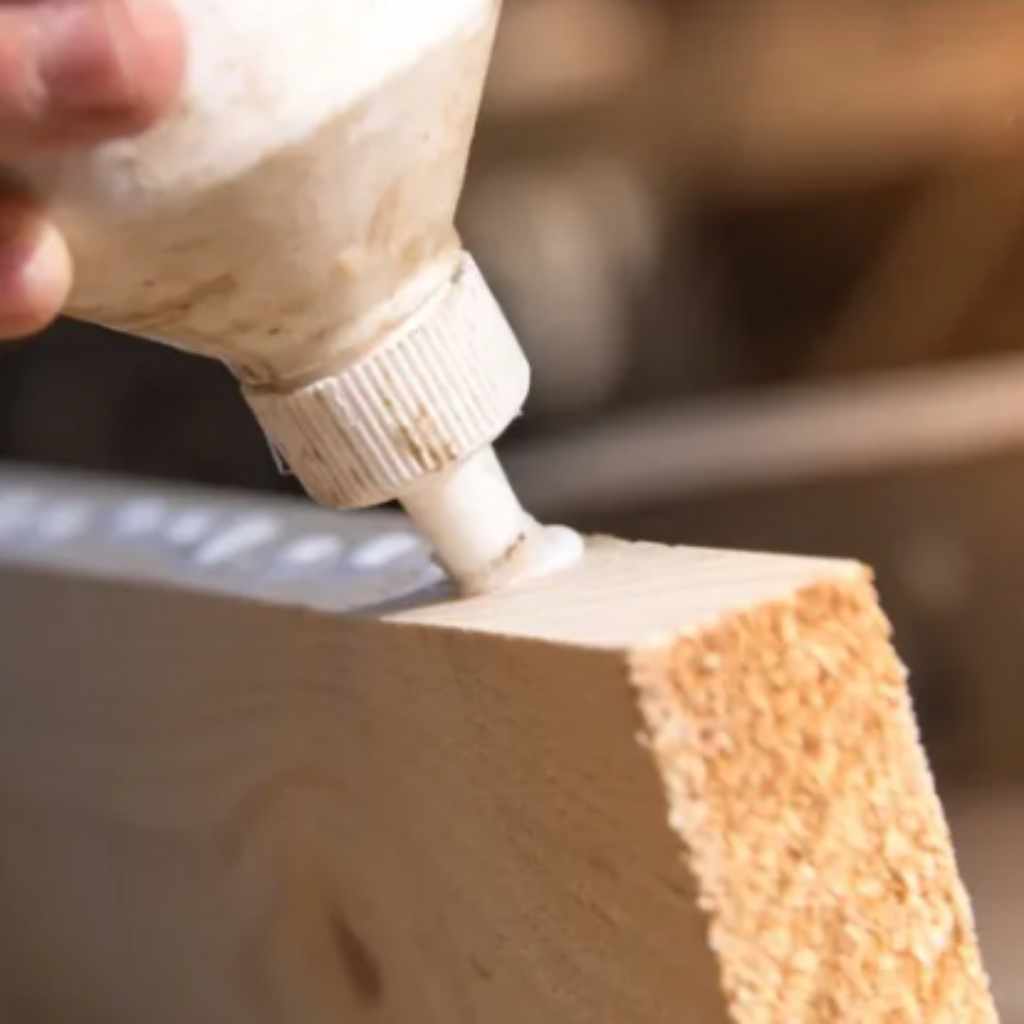
- Allow Full Cure Time: Resist the urge to stress the joint before the glue has reached its full cure strength. This is the most common mistake leading to joint failure.
Frequently Asked Questions
How long does wood glue take to dry enough to sand?
For most standard PVA wood glues, you can usually start sanding after about 2-4 hours, once the glue has reached “working strength” and is firm. However, it’s best to wait the full 24 hours for complete cure to avoid damaging the bond.
Can you speed up wood glue drying time with heat?
Yes, gently increasing the temperature can speed up the drying process. However, avoid excessive heat, which can damage the wood or weaken the glue bond. A warm, well-ventilated space is ideal.
What happens if you don’t wait for wood glue to fully cure?
If you put stress on a joint before the glue has fully cured, you risk the joint failing. It might appear to hold initially but could come apart later, especially under load or environmental changes.
Is there a wood glue that cures instantly?
Cyanoacrylate (super glue) cures very rapidly, often in seconds, and is suitable for small repairs or quick bonding. However, it’s not a good choice for structural joints in woodworking as it can be brittle.
Does cold weather affect wood glue curing time?
Yes, cold temperatures significantly slow down the curing process for most wood glues. Wood glue should be applied and allowed to cure in temperatures generally above 50°F (10°C); below that, cure time can stretch to 48-72 hours instead of the standard 24.
What happens if wood glue gets rained on or wet before it cures?
Rain or standing water on an uncured PVA glue line can wash out the bond or leave it permanently weak, since PVA is water-soluble until fully cured. If a glue-up must sit outside while curing, use a waterproof glue like Titebond III or Gorilla Wood Glue Ultimate instead of standard interior PVA, and shield the joint from direct rain for at least the first 24 hours.
How long do Titebond and Gorilla Wood Glue take to reach full strength?
Both reach handling strength in 20-60 minutes and full cure strength in 24 hours at room temperature, per their manufacturer instructions. Titebond III and Gorilla Wood Glue Ultimate are the better picks if the joint will see moisture or outdoor exposure before it fully sets.
Final Thoughts
Patience with your wood glue pays off. Knowing how long it needs to cure to full strength — not just how long it takes to feel dry — is what makes projects durable. The general rule of thumb is to wait a full 24 hours for most common PVA glues to reach maximum strength, even though they might feel solid much sooner.
For more demanding applications or specialty glues like epoxies, that waiting period can extend to 48 or even 72 hours. Pay attention to the environmental conditions in your workshop; temperature and humidity are key players. Warmer, drier conditions generally lead to faster curing, while cold and dampness will slow things down considerably.
Always check the manufacturer’s specific recommendations on the glue bottle, as formulations vary. Giving the joint its full cure time — not just handling or working strength — is what actually determines whether it holds for years or fails under load.
Sponsored / affiliate links. As an Amazon Associate I earn from qualifying purchases. I may earn additional commission from eligible campaigns.