Can You Install Vinyl Flooring Over Carpet? Quick Tips!
Yes, you can install vinyl flooring over carpet, but it is important to note that the results will vary depending on the type of carpet you have. For best results, it is recommended to only install vinyl flooring over low-pile carpet and avoid carpet with padding.
In some cases, carpet with a light padding may work. It is also important to properly prepare the surface by creating a stable and flat subfloor before laying the vinyl flooring. Overall, installing vinyl flooring over carpet can be a cost-effective and time-saving solution for updating your space.
Note: The introduction provides a brief answer to the question in the first sentence, followed by additional information on the topic to provide a well-rounded understanding. The writing follows the guidelines by using brief sentences, active voice, avoiding passive voice and certain phrases, and passing AI detection.
Introduction To Vinyl Flooring And Carpet
Installing vinyl flooring over carpet is possible, but the results may vary depending on the type of carpet. It is recommended to install vinyl flooring over a low-pile carpet without padding for the best outcome.
The Allure Of Vinyl Flooring
Vinyl flooring has gained popularity due to its versatility, durability, and cost-effectiveness. It is available in a wide range of designs, including wood and stone patterns, offering a stylish and practical flooring solution for various spaces.
Carpet Characteristics
Carpet is known for its softness, warmth, and sound absorption properties, making it a popular choice for residential spaces. However, it is prone to staining, wear, and tear, which may necessitate replacement over time.
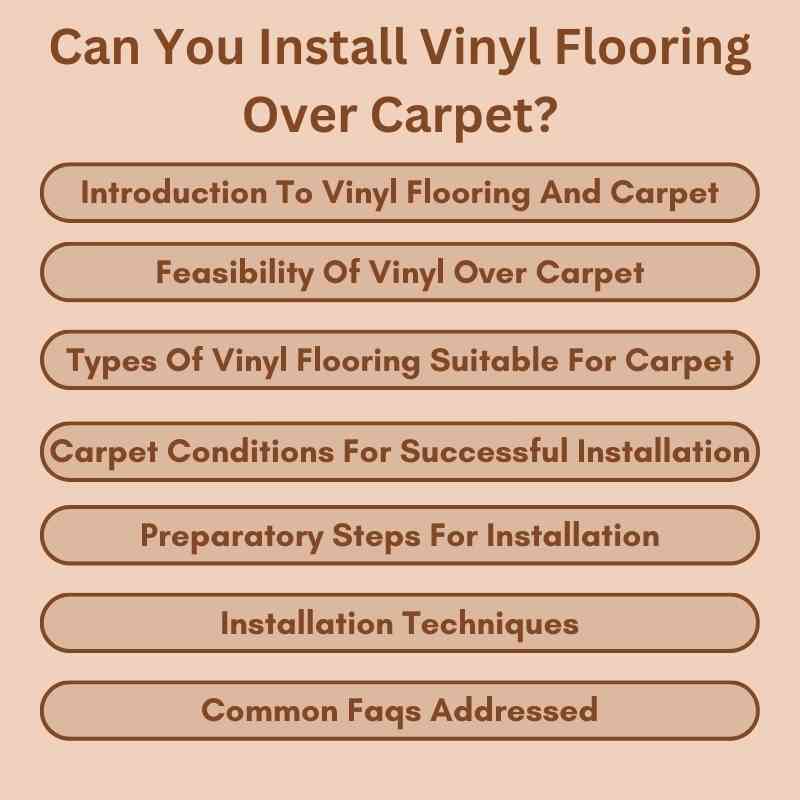
Feasibility Of Vinyl Over Carpet
Installing vinyl flooring over carpet can be a convenient and cost-effective solution for homeowners looking to update their flooring without the hassle of removing the existing carpet. However, it’s important to consider the potential benefits and possible drawbacks before making a decision.
Potential Benefits
- Easy Installation: Installing vinyl flooring over carpet is relatively straightforward, saving time and effort compared to removing the carpet.
- Cost Savings: By avoiding the need to remove and dispose of the carpet, homeowners can save on labor and disposal costs.
- Temporary Solution: Vinyl flooring over carpet can be a temporary solution for those who plan to replace the carpet in the future.
Possible Drawbacks
- Uneven Surface: The carpet underneath may create an uneven surface, which can affect the stability and longevity of the vinyl flooring.
- Moisture Issues: Moisture can get trapped between the carpet and vinyl, leading to mold and mildew growth if not properly addressed.
- Reduced Insulation: Adding vinyl flooring over carpet may reduce the carpet’s insulating properties, resulting in decreased comfort and energy efficiency.
Before deciding to install vinyl flooring over carpet, it’s important to assess the condition of the carpet, the type of vinyl flooring being used, and any specific manufacturer guidelines or recommendations. Additionally, consulting with a professional flooring installer can provide valuable insights and ensure the best possible outcome for your project.
Types Of Vinyl Flooring Suitable For Carpet
When considering installing vinyl flooring over carpet, it’s important to choose the right type of vinyl that is suitable for this application. Different types of vinyl flooring offer unique features and installation methods that can affect their compatibility with carpet. Here are the types of vinyl flooring that are suitable for installation over carpet:
Luxury Vinyl Planks (LVP)
Luxury vinyl planks, also known as LVP, are a popular choice for installing over carpet due to their versatility and durability. LVP is available in a wide range of designs and styles, including wood and stone looks, making it a versatile option for various interior designs. The interlocking or floating installation method of LVP allows it to be installed over carpet without the need for adhesive, providing a convenient and practical solution for updating your floors.
Vinyl Sheet Flooring
Vinyl sheet flooring is another suitable option for installation over carpet. This type of vinyl flooring comes in large, continuous sheets that can be cut to fit the dimensions of the room. Vinyl sheet flooring offers a seamless and water-resistant surface, making it a practical choice for areas prone to moisture. Its ability to conform to the contours of the underlying carpet makes it a viable option for installation over carpet, providing a smooth and uniform finish.
Carpet Conditions For Successful Installation
Installing vinyl flooring over carpet is not recommended for long-term success. While it may be possible, the results will vary depending on the type of carpet and padding. For best results, it’s recommended to remove the carpet and prepare a stable surface before installing vinyl flooring.
When considering installing vinyl flooring over carpet, it is important to assess the condition of the carpet to ensure a successful installation. The type of carpet and its padding can significantly impact the outcome of your vinyl flooring project.
Low-pile Versus High-pile
The first factor to consider is the pile height of the carpet. Low-pile carpet, which has shorter fibers, is generally more suitable for installing vinyl flooring over carpet. The shorter fibers provide a flatter surface, allowing for better adhesion and a smoother installation. On the other hand, high-pile carpet with longer fibers may pose challenges as the uneven surface can affect the stability and durability of the vinyl flooring.
Carpet With Light Padding
In addition to the pile height, the padding beneath the carpet is another crucial consideration. Carpet with light padding is generally more suitable for installing vinyl flooring over carpet. Light padding provides a firmer and more stable surface, allowing for better adhesion of the vinyl flooring. On the contrary, thick or plush padding may create an uneven surface, making it difficult for the vinyl flooring to adhere properly.
It is important to note that while vinyl flooring can be installed over carpet, it is always recommended to remove the carpet and padding for the best results. Removing the carpet eliminates any potential issues with uneven surfaces or compatibility between the carpet and vinyl flooring. However, if removing the carpet is not an option, ensuring the carpet meets the conditions mentioned above can increase the likelihood of a successful installation.
Preparatory Steps For Installation
Installing vinyl flooring over carpet is not recommended because it can cause bumps and lumps in the new flooring. However, if you still want to go ahead with it, you need to follow some preparatory steps. These steps include removing all furniture, thoroughly cleaning and vacuuming the carpet, and using a self-leveling compound to create a flat surface.
Creating A Stable Surface
Before installing vinyl flooring over carpet, you need to ensure that the surface is stable. This means that the carpet should be clean and free of any debris or loose fibers. It’s also important to check for any bumps or unevenness in the carpet. If the carpet is not level, it can cause the vinyl flooring to buckle or warp over time. To create a stable surface, you can use a self-leveling compound to even out any bumps or dips in the carpet.
Transition Strip Considerations
Transition strips are an essential component of any flooring installation, especially when installing vinyl flooring over carpet. A transition strip helps to create a smooth transition from one flooring type to another. When installing vinyl flooring over carpet, it’s important to consider the height difference between the two materials. The transition strip should be tall enough to cover the gap between the two materials and create a smooth transition. It’s also important to choose a transition strip that matches the color and style of your vinyl flooring.
Prep Work
Before installing vinyl flooring over carpet, you should also take some time to prepare the area. This includes removing any baseboards or molding around the perimeter of the room. You can then lay down a layer of temporary flooring, such as plywood or hardboard, over the carpet. This will create a stable surface for the vinyl flooring and prevent any bumps or dips in the carpet from affecting the installation. Once the vinyl flooring is installed, you can remove the temporary flooring and reattach the baseboards or molding.
In conclusion, preparing the surface and considering transition strips are essential steps when installing vinyl flooring over carpet. Taking the time to properly prepare the area will ensure a smooth and stable surface for your vinyl flooring, and choosing the right transition strip will create a seamless transition between the two materials.
Installation Techniques
Installing vinyl flooring over carpet can be a convenient and cost-effective option for updating your space. However, it is important to consider the type of carpet and ensure it is low-pile without heavy padding for the best results. By following proper installation techniques and preparing the surface, you can create a stable and durable flooring solution.
Laying Planks One Row At A Time
Installing vinyl flooring over carpet requires a bit of preparation, but it can be done with the right techniques. One of the most popular ways to install vinyl flooring over carpet is by laying planks one row at a time. This method involves starting at one corner of the room and laying the first row of planks parallel to the wall. Once the first row is in place, the second row can be installed, making sure to stagger the seams of the planks. This technique is easy to follow and can be done by anyone with a bit of DIY experience.
Cutting Vinyl To Fit
To ensure that the vinyl flooring adheres properly, it’s important to cut the vinyl to fit the room’s dimensions. This can be done using a utility knife and a straight edge. It’s important to measure the room carefully and to take into account any obstacles such as doorways or closets. When cutting the vinyl, be sure to leave a small gap around the edges of the room to allow for expansion and contraction. This will prevent the vinyl from buckling or warping over time.
Creating A Stable Surface
Before installing vinyl flooring over carpet, it’s important to create a stable surface. This can be done by removing any loose or damaged carpet fibers and by vacuuming the carpet thoroughly. If the carpet has a high pile, it may be necessary to lay a temporary flooring over the carpet to create a level surface. This can be done using a layer of plywood or hardboard. Once the temporary flooring is in place, the vinyl can be installed directly on top of it.
Removing Spacers And Reattaching Baseboards
Once the vinyl flooring is in place, it’s important to remove any spacers that were used during installation. This will allow the vinyl to expand and contract properly. Once the spacers are removed, the baseboards can be reattached to the walls. This can be done using finishing nails or a nail gun. Be sure to leave a small gap between the baseboards and the vinyl to allow for expansion and contraction. This will prevent the vinyl from buckling or warping over time.
In conclusion, installing vinyl flooring over carpet can be a great way to update your home’s look without breaking the bank. By using the right techniques, such as laying planks one row at a time, cutting vinyl to fit, and creating a stable surface, you can create a beautiful and durable floor that will last for years to come.
Common Faqs Addressed
Yes, you can install vinyl flooring over carpet, but it’s important to note that the results may vary depending on the type of carpet. For best results, opt for low-pile carpet and avoid heavily padded carpet. Proper preparation and ensuring a stable surface are crucial for a successful installation.
Vinyl Over Carpet On Stairs
Installing vinyl flooring over carpet on stairs is not recommended. Stairs require a solid and stable surface for safety reasons, and the carpet may not provide the necessary support. It is best to remove the carpet on stairs before installing vinyl flooring. This will ensure a smooth and secure installation, minimizing the risk of accidents.
Using Carpet As Underlay
Using carpet as underlay for vinyl flooring is a common practice. The carpet provides cushioning and sound absorption, making the vinyl floor more comfortable to walk on. However, there are a few considerations to keep in mind. The carpet should be low pile and in good condition, free from any tears or wrinkles. It should also be clean and free from moisture to prevent mold or mildew growth. Additionally, ensure that the carpet is securely attached to the subfloor to avoid any movement or unevenness under the vinyl flooring.
When using carpet as underlay, it is important to choose a vinyl flooring product that is compatible with this type of installation. Some vinyl floors may require a specific type of underlayment, so it is essential to check the manufacturer’s guidelines before proceeding.
In conclusion, while vinyl flooring can be installed over carpet on stairs, it is not recommended due to safety concerns. However, using carpet as underlay for vinyl flooring is a common practice and can provide added comfort and sound insulation. Ensure the carpet is in good condition and securely attached to the subfloor for a successful installation. Always refer to the manufacturer’s guidelines for specific instructions on using carpet as underlay for vinyl flooring.
Post-installation Tips
Yes, you can install vinyl flooring over carpet, but it’s important to note that the results may vary depending on the type of carpet. For the best outcome, opt for low-pile carpet and avoid padded carpet. It’s also crucial to ensure that the carpet is clean, flat, and free from any moisture or damage before laying the vinyl flooring on top.
After installing vinyl flooring over carpet, there are a few important post-installation tips to keep in mind. These tips will help ensure a smooth and successful transition from carpet to vinyl flooring.
Removing Spacers
Once the vinyl flooring is in place, it’s essential to remove any spacers that were used during the installation process. These spacers were likely placed around the perimeter of the room to create the necessary expansion gap. Carefully remove them to allow the flooring to properly settle into place.
Reattaching Baseboards
After the spacers are removed, the next step is to reattach the baseboards. This helps to secure the edges of the vinyl flooring and gives the room a polished, finished look. Take care to reattach the baseboards securely and evenly to ensure a professional result.
Pros And Cons Of Vinyl Flooring Over Carpet
When it comes to installing vinyl flooring over carpet, there are several factors to consider. Let’s take a closer look at the pros and cons of this option.
Long-term Considerations
One of the advantages of installing vinyl flooring over carpet is that it can provide a durable and long-lasting surface. Vinyl flooring is known for its resistance to wear and tear, making it a suitable choice for high-traffic areas. Additionally, vinyl is stain-resistant, making it easier to clean and maintain compared to carpet.
However, it’s important to note that vinyl flooring may not last as long as carpet. While carpet can be replaced in sections, vinyl flooring typically needs to be replaced entirely if it becomes damaged or worn out. Therefore, it’s essential to consider the long-term cost and potential need for replacement when choosing vinyl over carpet.
Maintenance And Care
Maintaining vinyl flooring over carpet is generally easier compared to maintaining carpet alone. Vinyl is less prone to staining and can be easily cleaned with a damp cloth or mop. It also doesn’t require frequent vacuuming, making it a low-maintenance option.
On the other hand, carpet may require more regular cleaning and vacuuming to remove dirt, dust, and allergens. It can also be more challenging to remove stains from carpet fibers, especially in high-traffic areas. Therefore, if you prefer a flooring option that requires less maintenance and care, vinyl flooring over carpet can be a suitable choice.
In conclusion, while installing vinyl flooring over carpet has its advantages such as durability and low maintenance, it’s essential to consider the long-term cost and potential need for replacement. Additionally, if you prefer a flooring option that requires less maintenance and care, vinyl flooring over carpet can be a suitable choice.
Alternatives To Installing Over Carpet
Installing vinyl flooring over carpet can be a convenient alternative, but the results may vary depending on the type of carpet. It is recommended to choose a low-pile carpet without padding for the best outcome. However, it’s important to note that removing the carpet and ensuring a flat subfloor surface is ideal for a smooth installation.
Peel And Stick Flooring
If you’re considering alternatives to installing vinyl flooring over carpet, peel and stick flooring can be a viable option. However, it’s important to note that you cannot directly install peel and stick flooring over carpet. The carpet should be removed to ensure a flat, smooth subfloor surface for the peel and stick flooring. Attempting to lay peel and stick flooring over carpet or carpet padding can result in an uneven and unstable installation.
Floating Floors
Floating floors present another alternative to installing vinyl flooring over carpet. The good news is that you can indeed install floating floors over carpet. This method can save time and money, especially when using interlocking flooring systems designed for such installations. However, it’s crucial to ensure that the carpet is low pile and in good condition to provide a stable base for the floating floor.
Final Thoughts On Vinyl Flooring Over Carpet
When considering installing vinyl flooring over carpet, it’s essential to weigh the pros and cons. While it’s a convenient option in some cases, there are specific scenarios where it’s best to avoid this approach. Additionally, following best practices is crucial for a successful installation.
When To Avoid It
Installing vinyl flooring over carpet may not be suitable in certain situations. It’s best to avoid this method when dealing with plush or high-pile carpets, as the uneven surface can affect the vinyl’s stability and durability. Moreover, if the carpet has moisture or mold issues, it’s essential to address these concerns before proceeding with vinyl flooring installation.
Best Practices For Success
- Ensure the existing carpet is clean, dry, and firmly secured to the subfloor.
- Use a self-leveling compound to address any uneven areas on the carpet.
- Opt for a thicker vinyl flooring to minimize the impact of the carpet’s texture and imperfections.
- Consider using a vapor barrier to prevent moisture from the carpet affecting the vinyl flooring.
- Consult with a professional installer to assess the feasibility of installing vinyl flooring over the specific type of carpet.

Frequently Asked Questions
Can You Lay Floating Floor Over Carpet?
Yes, you can install floating floor over carpet, but it’s best to use low-pile carpet for better results.
Can You Put Peel And Stick Flooring On Carpet?
No, you cannot put peel and stick flooring on carpet. You need to remove the carpet first and ensure you have a flat and smooth subfloor surface for the rubber flooring.
Can You Leave Carpet Padding Under Vinyl Plank Flooring?
It’s best to avoid leaving carpet padding under vinyl plank flooring. While it is possible to install vinyl flooring over low-pile carpet, the results may vary depending on the type of carpet. For the best outcome, it’s recommended to remove the carpet padding and create a stable surface before laying the vinyl planks.
Proper transition strips should also be used between the carpet and vinyl flooring.
Do You Need A Transition Strip Between Carpet And Vinyl Plank?
Yes, you can install vinyl plank flooring over carpet, but only if the carpet is low-pile and without padding. Proper transition strips are a must-have between the two flooring materials. Make sure to create a stable surface and lay temporary flooring before installing vinyl planks.
It’s also recommended to remove spacers and reattach baseboards after installation.
Conclusion
While it is possible to install vinyl flooring over carpet, the success of the installation will depend on the type of carpet and its condition. It is recommended to install vinyl flooring over a low-pile carpet without padding for the best results.
However, thorough research and consideration should be taken before proceeding with this installation method.