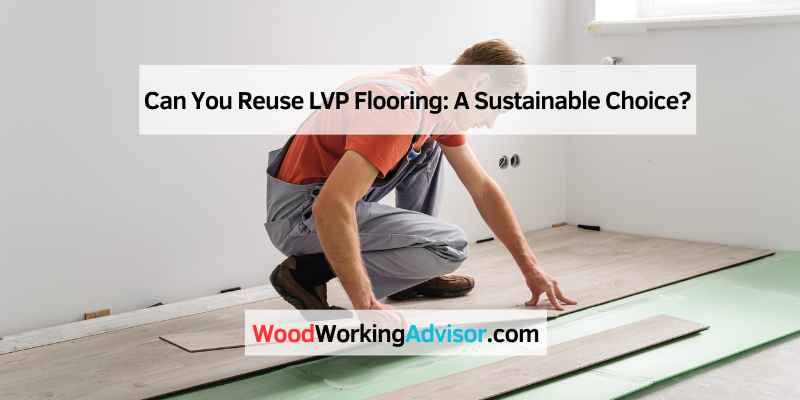
Can You Reuse LVP Flooring: A Sustainable Choice?
Yes, both vinyl plank flooring and LVT flooring can be removed and reinstalled when installed with the floating floor technique. Newer laminate flooring can also be reused if removed carefully as it is not attached to the subfloor.
This floating floor system allows for easy removal and reinstallation of the flooring. Vinyl plank flooring can be separated, dried thoroughly, and reused under certain conditions. Reusing LVP or vinyl plank flooring is feasible in many cases, especially when installed using the floating floor method.
With proper care and handling, you can successfully remove and reinstall LVP flooring, making it a cost-effective and eco-friendly option for your space.
Introduction To Lvp Flooring
When it comes to durable and cost-effective flooring options, Luxury Vinyl Plank (LVP) flooring stands out as a popular choice for homeowners and businesses alike. In this section, we will delve into the introduction of LVP flooring, its characteristics, and the benefits it offers to eco-conscious consumers.
What Is Lvp Flooring?
LVP, or Luxury Vinyl Plank, is a type of resilient flooring that mimics the look of hardwood with realistic textures and colors. It is composed of multiple layers, including a resilient vinyl core, a decorative print layer, and a protective top layer. This flooring type is known for its water resistance, durability, and easy installation, making it suitable for various indoor settings.
Benefits Of Lvp For Eco-conscious Consumers
- Environmentally-Friendly: LVP flooring is often made from recycled materials and is recyclable, making it a sustainable choice for eco-conscious consumers.
- Low Emissions: Many LVP products are low in volatile organic compounds (VOCs), contributing to better indoor air quality.
- Energy-Efficient Production: The manufacturing process of LVP flooring consumes less energy compared to traditional hardwood flooring production, reducing its environmental impact.
- Longevity: LVP’s long lifespan and low maintenance requirements contribute to reduced material consumption and waste over time.
Lifespan And Durability Of Lvp
LVP, or Luxury Vinyl Plank flooring, is known for its exceptional durability and longevity. Whether you are considering installing LVP or looking to reuse existing LVP flooring, understanding its lifespan and durability is crucial. In this article, we will explore the factors affecting LVP longevity and compare LVP to other types of flooring.
Factors Affecting Lvp Longevity
Several factors contribute to the lifespan of LVP flooring:
- Quality of the product: High-quality LVP flooring is designed to withstand heavy foot traffic and resist scratches, stains, and fading.
- Installation technique: Proper installation ensures that the LVP planks are securely attached and less prone to damage or shifting over time.
- Maintenance routine: Regular cleaning and maintenance, such as sweeping and using recommended cleaning products, can prolong the lifespan of LVP.
- Environmental conditions: Extreme temperature changes and exposure to excessive moisture can affect the integrity of LVP flooring.
Comparing Lvp To Other Flooring Types
When it comes to durability and lifespan, LVP holds its own against other popular flooring options. Here is a comparison:
| Flooring Type | Lifespan | Durability |
|---|---|---|
| LVP | 15-25 years | Highly durable; resistant to scratches, stains, and fading |
| Laminate | 10-30 years | Durable; susceptible to moisture damage |
| Hardwood | 20-100+ years | Durable; prone to scratches and water damage |
| Tile | 20-100+ years | Highly durable; susceptible to cracks and grout issues |
As you can see, LVP offers a solid lifespan and exceptional durability when compared to other flooring types. Its resistance to scratches, stains, and fading makes it a popular choice for high-traffic areas in residential and commercial spaces.
Reusability Of Lvp Flooring
When it comes to LVP (luxury vinyl plank) flooring, homeowners often wonder about its reusability. Whether you’re renovating a space or simply want to repurpose your flooring, understanding the reusability of LVP is essential. Let’s explore the conditions for LVP reusability and methods to safely dismantle it.
Conditions For Lvp Reusability
Before considering the reuse of LVP flooring, certain conditions need to be met to ensure its viability. The following factors determine whether LVP can be safely reused:
- Condition of the Flooring: The LVP should be in good condition with minimal wear and tear to ensure it can be reused effectively.
- Proper Installation: The flooring must have been installed using the floating floor technique, allowing for easier removal and reinstallation.
- Thorough Cleaning and Drying: If the LVP has been exposed to moisture, it should be thoroughly cleaned, dried, and inspected for any damage before considering reuse.
- Compatibility with New Space: The dimensions and condition of the LVP should align with the new space to ensure a seamless fit.
Methods To Safely Dismantle Lvp
When it comes to safely dismantling LVP flooring for potential reuse, certain methods should be followed to minimize damage and ensure the integrity of the planks. Here are the steps to safely dismantle LVP:
- Gather Necessary Tools: Prepare tools such as a pry bar, putty knife, and adhesive remover to aid in the removal process.
- Start from the Edges: Begin by gently lifting the edges of the LVP planks using a pry bar to avoid breakage or damage.
- Work in Sections: Proceed to work in small sections, gradually lifting and removing the planks while taking care not to force them, which could lead to breakage.
- Clean the Subfloor: Once the LVP is removed, thoroughly clean the subfloor to prepare it for potential reinstallation or alternative flooring.
By adhering to these methods, you can safely dismantle LVP flooring and assess its reusability for future projects or spaces.
Environmental Impact Of Reusing Flooring
When considering the Environmental Impact of Reusing Flooring, it is essential to delve into the benefits it offers in terms of waste reduction, recycling, energy savings, and carbon footprint reduction.
Waste Reduction And Recycling
- Reduce landfill waste: Reusing LVP flooring helps in minimizing the amount of flooring material ending up in landfills.
- Promote recycling: By reusing flooring, we contribute to the circular economy by reducing the need for new materials.
- Extend product lifecycle: Reusing LVP extends the lifespan of the material, reducing the demand for new resources.
Energy Savings And Carbon Footprint
- Energy-efficient: Reusing flooring eliminates the energy required for manufacturing new materials.
- Carbon footprint reduction: By reusing LVP, we decrease greenhouse gas emissions associated with production and transportation.
- Sustainable practice: Choosing to reuse flooring aligns with eco-friendly practices, contributing to a greener environment.
Installation Techniques For Lvp
When it comes to installing Luxury Vinyl Plank (LVP) flooring, there are different techniques you can use. Each technique offers its own advantages and considerations, so it’s important to choose the one that best suits your needs. In this section, we will explore two popular installation techniques for LVP: Floating Floor Installation and Glue-Down Method.
Floating Floor Installation
The floating floor installation method is a popular choice for LVP flooring. It involves laying the LVP planks over a foam underlayment without any adhesive or nails. The planks are designed to interlock with each other, creating a stable and secure floor surface. This technique offers several benefits:
- Easy installation: The interlocking mechanism makes it simple to install the LVP planks without the need for specialized tools or skills.
- Flexibility: Since the floor is not permanently attached to the subfloor, it can be easily removed and reinstalled if needed.
- Moisture resistance: The foam underlayment provides a moisture barrier, protecting the LVP planks from potential damage.
- Sound absorption: The foam underlayment also helps to reduce noise transmission, making the floor quieter underfoot.
To install LVP using the floating floor method, follow these steps:
- Prepare the subfloor: Ensure the subfloor is clean, dry, and level. Remove any existing flooring and repair any imperfections.
- Acclimate the LVP planks: Allow the LVP planks to acclimate to the room’s temperature and humidity for at least 48 hours.
- Lay the foam underlayment: Roll out the foam underlayment over the subfloor, ensuring it covers the entire area. Trim any excess.
- Begin installation: Start in one corner of the room and lay the first row of LVP planks, ensuring they are tightly interlocked.
- Continue installation: Lay subsequent rows of LVP planks, staggering the seams and maintaining a consistent pattern.
- Trim as necessary: Use a utility knife or a jigsaw to trim the planks to fit around doorways, corners, and other obstacles.
- Complete the installation: Once all the planks are in place, install baseboards or trim to cover the expansion gap around the perimeter of the room.
Glue-down Method
The glue-down method is another installation technique commonly used for LVP flooring. As the name suggests, this method involves adhering the LVP planks directly to the subfloor using a specific adhesive. Here are some key points to consider:
- Enhanced stability: Gluing the LVP planks to the subfloor provides added stability, reducing the potential for movement or shifting.
- Reduced noise: The adhesive helps to minimize noise transmission, resulting in a quieter floor.
- Long-lasting bond: The adhesive creates a strong bond between the LVP planks and the subfloor, ensuring a durable and secure installation.
To install LVP using the glue-down method, follow these steps:
- Prepare the subfloor: Clean the subfloor thoroughly, ensuring it is dry, smooth, and free of any debris.
- Apply the adhesive: Use a trowel to spread the adhesive evenly over the subfloor, following the manufacturer’s instructions.
- Lay the LVP planks: Begin laying the LVP planks, pressing them firmly into the adhesive to ensure a secure bond.
- Stagger the seams: As you lay each row of planks, make sure to stagger the seams for a more visually appealing and stable installation.
- Trim as necessary: Use a utility knife or a jigsaw to trim the planks to fit around doorways, corners, and other obstacles.
- Clean up excess adhesive: Wipe away any excess adhesive that may have squeezed out between the planks using a damp cloth or sponge.
- Allow for curing time: Give the adhesive sufficient time to cure according to the manufacturer’s recommendations before allowing foot traffic.
By understanding these installation techniques for LVP, you can confidently choose the method that best fits your needs and achieve a beautiful and long-lasting flooring result.
Challenges In Repurposing Lvp
As homeowners, we are always looking for ways to reuse or repurpose things we already have. When it comes to LVP flooring, also known as luxury vinyl plank flooring, repurposing can be a bit of a challenge. While it is possible to remove and reinstall LVP, there are some considerations that need to be taken into account.
Wear And Tear Considerations
The first consideration when repurposing LVP is the wear and tear on the flooring. LVP is designed to be a long-lasting and durable flooring option, but it can still experience wear and tear over time. When removing LVP, it is important to inspect the flooring for any damage or wear. If the flooring has been heavily used or damaged, it may not be suitable for reuse.
Technical Difficulties In Reinstallation
Another challenge in repurposing LVP is the technical difficulties in reinstalling the flooring. LVP is often installed using a floating floor technique, which means that the planks are not glued or nailed down to the subfloor. Instead, they are connected to each other using interlocking mechanisms. This makes removal and reinstallation easier, but it can still be a technical challenge to get the flooring to fit together properly when reinstalling it.
Additionally, if the flooring was originally installed using an adhesive or glue, removing it without damaging the planks can be difficult. In some cases, it may be necessary to replace damaged or broken planks with new ones.
While it is possible to repurpose LVP flooring, it is important to consider the wear and tear on the flooring and the technical difficulties in reinstalling it. If the flooring is heavily damaged or worn, it may not be suitable for reuse. Additionally, reinstalling LVP can be a technical challenge, especially if the flooring was originally installed using an adhesive or glue.
If you are considering repurposing LVP flooring, it is important to weigh the benefits and challenges carefully. With proper planning and preparation, it is possible to reuse LVP and give it a second life in your home.
Cleaning And Maintenance For Longevity
When it comes to LVP flooring, proper cleaning and maintenance play a crucial role in prolonging its lifespan. By following the right cleaning techniques and addressing damages promptly, you can ensure that your LVP flooring stays in top condition for years to come.
Routine Cleaning Tips
Regular cleaning is essential for maintaining the appearance and integrity of LVP flooring. Here are some routine cleaning tips to keep your LVP flooring looking its best:
- Vacuum or Sweep: Remove dirt, dust, and debris regularly to prevent scratching.
- Mop with Manufacturer-Approved Cleaner: Use a damp mop with a recommended cleaner to remove stains and spills.
- Avoid Harsh Chemicals: Refrain from using abrasive cleaners or harsh chemicals that can damage the flooring.
- Use Furniture Pads: Place protective pads under furniture legs to prevent scratches and dents.
Repairing Damages To Extend Use
Addressing damages promptly is crucial for extending the use of LVP flooring. Here are some steps to repair damages and maintain the longevity of your flooring:
- Fixing Scratches: Use a touch-up kit or specialized filler to repair minor scratches and maintain the floor’s appearance.
- Replacing Damaged Planks: If a plank is severely damaged, consider replacing it to prevent further issues and maintain the overall integrity of the flooring.
- Dealing with Water Damage: Act quickly to dry and assess any water damage to prevent mold or warping of the planks.
- Professional Inspection: If you encounter significant damage, consider consulting a professional to assess and repair the flooring effectively.
By implementing these routine cleaning tips and addressing damages promptly, you can maximize the longevity of your LVP flooring and enjoy its benefits for years to come.
Creative Ways To Repurpose Lvp
Discover innovative ways to repurpose LVP flooring by considering its reusability. LVP and LVT can be removed and reinstalled, especially when installed using the floating floor method. Consider reusing your vinyl plank flooring for a sustainable and cost-effective flooring solution.
DIY Projects With Old Lvp
Transform your old LVP into stunning DIY creations. Whether it’s a stylish headboard, a unique photo backdrop, or a one-of-a-kind tabletop, the possibilities are endless. With a little creativity and some basic tools, you can give your old LVP a new lease on life.
Donating Lvp For Community Use
Consider donating your unused LVP to community organizations or local schools. By giving back to your community, you not only reduce waste but also provide materials for educational and artistic projects. Your donation could inspire creativity and learning in others while helping the environment.
Case Studies: Successful Lvp Reuse
Discover the success stories of reusing LVP flooring, showcasing how it can be effectively removed and reinstalled, especially when installed using the floating floor technique. Vinyl plank flooring and LVT flooring can be reused, offering a sustainable and cost-effective flooring solution.
Residential Reuse Examples
Vinyl plank flooring, or LVP, is a popular choice for homeowners due to its durability and affordable price. However, homeowners may eventually want to replace their LVP for various reasons, such as changing their interior design or upgrading to a higher quality flooring material. The good news is, LVP can be reused in some cases.
One example of successful LVP reuse is when a homeowner decided to install new LVP in their living room but wanted to reuse the old flooring in their basement. The old LVP was carefully removed and cleaned, then installed in the basement with the floating floor technique. The result was a cost-effective and sustainable flooring solution that still looks great.
Another example is a homeowner who repurposed their old LVP as a protective layer in their garage. The LVP was cut into interlocking tiles that could be easily installed and removed, providing a durable and water-resistant surface for their garage.
Commercial Flooring Reuse
Commercial spaces often have larger areas of LVP flooring that may need to be replaced due to wear and tear. However, LVP can still be reused in some cases to save costs and reduce waste.
One successful example is a retail store that replaced their old LVP but decided to reuse it in their backroom area. The old LVP was removed and cleaned, then installed in the backroom with the floating floor technique. The result was a cost-effective and practical solution that still maintained the durability and water-resistance of LVP.
Another example is a school that reused their old LVP in their gymnasium. The LVP was carefully removed, cleaned, and installed with a new floating floor technique, providing a durable and safe surface for their students to play on.
In conclusion, LVP can be successfully reused in both residential and commercial settings with proper removal and installation techniques. Not only does this save costs and reduce waste, but it also promotes sustainability in the flooring industry.
Conclusion: Embracing Sustainable Flooring
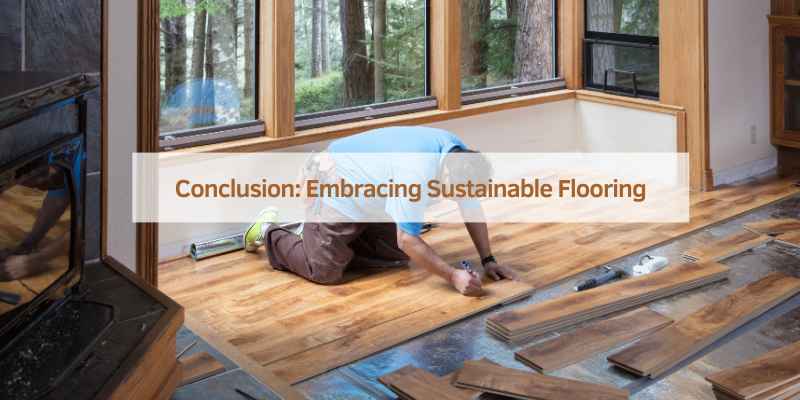
Embracing sustainable flooring is a smart choice for the environment, but can you reuse LVP flooring? The answer is yes! LVP flooring can be removed and reinstalled when installed with the floating floor technique, making it a versatile and eco-friendly option for your home.
Summary Of Lvp Reuse Benefits
When it comes to sustainable flooring options, reusing Luxury Vinyl Plank (LVP) flooring is a viable and eco-friendly choice. There are several benefits to consider:
- Cost-effective: Reusing LVP flooring can save you money compared to purchasing new flooring materials.
- Reduced waste: By reusing LVP, you contribute to waste reduction and minimize the environmental impact of disposal.
- Eco-friendly: Choosing to reuse LVP promotes sustainability by conserving resources and reducing the need for new manufacturing processes.
- Easy installation: Since the LVP is already used, it can be easily installed using the floating floor technique, saving you time and effort.
- Versatility: LVP flooring can be reused in various areas of your home, providing flexibility in design and functionality.
By embracing the reuse of LVP flooring, you not only make an environmentally conscious choice but also enjoy the practical benefits it offers.
Future Trends In Sustainable Flooring
The demand for sustainable flooring options continues to grow as more people recognize the importance of protecting the environment. Here are some future trends to look out for:
- Bio-based materials: Flooring made from renewable resources like bamboo, cork, or reclaimed wood are gaining popularity for their eco-friendly attributes.
- Recycled materials: Manufacturers are increasingly using recycled materials, such as plastic bottles or rubber, to create innovative and sustainable flooring options.
- Energy-efficient flooring: With a focus on energy conservation, flooring options that help regulate temperature and reduce energy consumption are becoming more prevalent.
- Non-toxic finishes: Many consumers are seeking flooring products that do not emit harmful chemicals or volatile organic compounds (VOCs) to promote healthier indoor air quality.
- Smart flooring solutions: Integration of technology into flooring, such as energy-harvesting tiles or interactive flooring systems, is an emerging trend for both residential and commercial spaces.
As sustainability and environmental awareness become increasingly important, these future trends in sustainable flooring aim to provide more eco-friendly and innovative options for homeowners and businesses alike.
Frequently Asked Questions
Can You Pull Up Lvp And Reuse It?
Yes, both LVP and vinyl plank flooring can be removed and reused, especially when installed using the floating floor technique.
Can Lvp Be Reinstalled?
Yes, LVP can be reinstalled if it was originally installed using the floating floor technique. This applies to both vinyl plank flooring and LVT flooring. However, it’s important to remove the flooring carefully to avoid damage and ensure that it’s thoroughly dried before reinstallation.
Can You Remove And Install Lvp Flooring?
Yes, both LVP and vinyl plank flooring can be removed and reinstalled, especially with floating floor installation.
Can You Reuse Floating Floors?
Yes, floating floors like LVP can be reused by carefully removing and reinstalling them. This is possible due to the floating floor technique used during installation.
Conclusion
Ultimately, it is possible to reuse LVP flooring if installed with the floating floor technique. When removed carefully, both vinyl plank and LVT flooring can be salvaged and reinstalled. This eco-friendly practice not only saves money but also reduces waste, making it a sustainable option for homeowners.