Best Bedroom Flooring: Cost, Quietest & Allergy-Friendly Options (2026)
Hardwood and luxury vinyl plank are the best bedroom flooring choices for most homes — both resist wear for 15+ years and cost less over time than replacing carpet every 8-10 years. Carpet wins on comfort and noise control, but wood and LVP score higher on allergies and resale value. This guide compares real installed costs, quietness, and allergy performance for hardwood, engineered wood, LVP, laminate, carpet, and cork so you can pick the right one for your bedroom.
Insert your Affiliate Disclosure reusable block here
Quick Answer
For most bedrooms, engineered hardwood or luxury vinyl plank (LVP) is the best balance of cost, durability, and comfort — both run $6-$15 per square foot installed and resist scratches and moisture better than solid hardwood. If quiet footsteps and warmth matter more than resale value, carpet with a dense pad ($2-$8/sq ft) is still the most comfortable option, especially over a bedroom that sits above another room.
What Makes a Bedroom Floor “Best”? 5 Criteria That Actually Matter
Best Bedroom Flooring Pick
Art3d Wood-Look Peel & Stick Vinyl Floor Planks (36-Pack, $76.64)
Interlocking peel-and-stick LVP planks that cover roughly 54 sq ft per box — enough for most standard bedrooms in one order.
- Best for: DIY bedroom re-floors without hiring an installer
- Why we picked it: 100% waterproof core and a realistic wood grain finish at a lower cost per square foot than solid hardwood
- Main drawback: peel-and-stick bond needs a clean, flat subfloor — uneven concrete or old adhesive residue will telegraph through
Compare more bedroom flooring options
 Option 1 INMOZATA Waterproof Peel & Stick Vinyl Plank ($74.57)
|
 Option 2 SULSUMIC Wood-Look Luxury Vinyl Plank ($75.99)
|
 Option 3 Allure Wide Plank Click-Lock LVP ($78.43)
|
As an Amazon Associate we earn from qualifying purchases.
A living room floor and a bedroom floor are judged by different standards. In a bedroom you’re barefoot more, you’re trying to sleep, and the room usually sits above or below another living space. Weigh these five factors before picking a material:
- Comfort underfoot — how the floor feels on bare feet first thing in the morning, especially in colder climates.
- Sound absorption — how much footstep and furniture noise the floor transmits to the room below or the hallway outside.
- Allergy performance — whether the surface traps dust, pet dander, and dust mites, or sheds them easily during cleaning.
- Moisture and durability — resistance to humidity swings, pet accidents, and daily wear over 10-25 years.
- Installed cost and resale value — what you pay per square foot now, and what buyers expect to see later.
Bedroom Flooring Cost, Comfort & Quietness Compared
Most bedroom flooring guides compare materials on looks alone. The table below stacks installed cost against comfort, noise transmission, and allergy performance side by side — the combination that actually decides whether a floor works for a bedroom, not just whether it looks good in a photo.
| Flooring Type | Installed Cost / sq ft | Quietness | Allergy-Friendly | Best For |
|---|---|---|---|---|
| Carpet + pad | $2 – $8 | Best (absorbs impact noise) | Worst (traps dust, dander) | Cold climates, no allergies |
| Cork | $5 – $11 | Very good (natural vibration dampening) | Good (antimicrobial surface) | Allergy sufferers who want warmth |
| Luxury vinyl plank (LVP) | $3 – $10 | Good with underlayment | Very good (sealed, wipeable) | Pets, kids, rental-friendly budgets |
| Laminate | $3 – $8 | Fair (hollow sound without pad) | Good (sealed surface) | Tight budgets wanting a wood look |
| Engineered hardwood | $6 – $15 | Fair to good | Very good | Buyers who want real wood + resale value |
| Solid hardwood | $8 – $14 (material $4-$12) | Fair (transmits impact noise) | Very good | Long-term resale, ground-floor bedrooms |
Ranges reflect typical installed pricing for 2026; actual cost depends on subfloor prep, region, and material grade.
Hardwood and Engineered Hardwood: Best for Resale Value
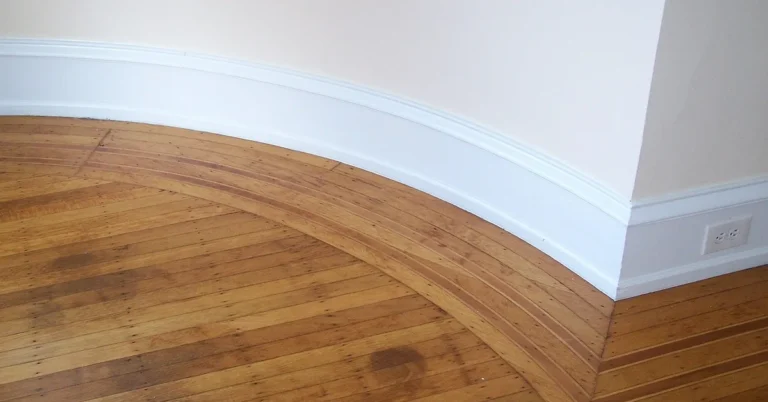
Solid hardwood is the classic bedroom choice — it can be sanded and refinished multiple times over a 50+ year lifespan, and it consistently shows up as a buyer preference in resale comparisons. Engineered hardwood uses a real wood veneer over a plywood core, which makes it more stable in humidity swings and a common pick for bedrooms above concrete slabs or in homes with seasonal humidity changes. If your existing hardwood is original to the house, learn how to care for hardwood floors before deciding whether to refinish or replace.
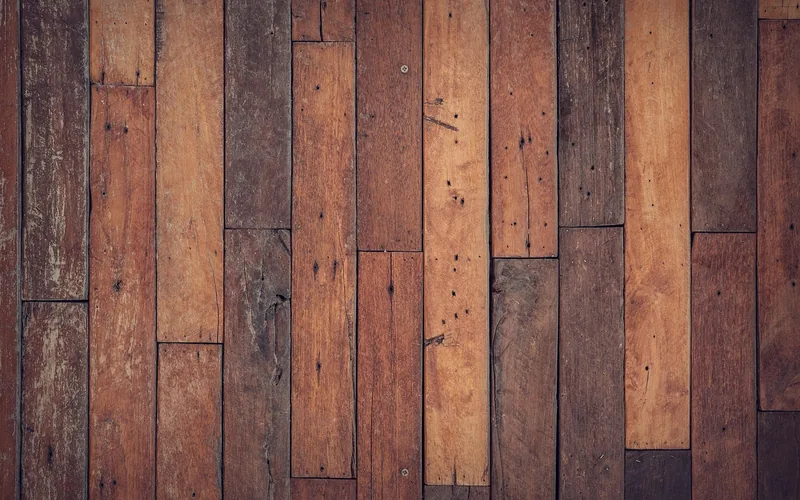
Species matters for a bedroom too: oak and hickory rank near the top of the Janka hardness scale and resist dents from furniture legs, while walnut is softer but shows fewer scratches because of its darker, more forgiving grain. If you’re torn between two common species, see this hickory vs. oak flooring comparison for hardness and cost differences.
Luxury Vinyl Plank (LVP): Best for Moisture, Pets, and Budget
LVP is the fastest-growing bedroom flooring choice because it’s 100% waterproof, resists scratches from pet nails, and installs without nails or wet adhesive in most click-lock versions — a weekend DIY project for a single bedroom. It runs $3-$10 per square foot installed, noticeably less than solid hardwood, and a quality wood-look plank is difficult to tell apart from real wood at normal viewing distance. The tradeoff is sound: without an acoustic underlayment pad, LVP transmits more footstep noise than carpet or cork, so pair it with a premium underlayment if the bedroom sits above a living space.
Laminate: The Budget Wood Look
Laminate is a photographic wood image fused under a clear wear layer over a fiberboard core — it costs $3-$8 per square foot installed, similar to LVP, but it isn’t waterproof and can swell if water sits on a seam. It’s a reasonable bedroom choice when budget is the deciding factor and the room has no plumbing nearby. Choosing the right underlayment matters more for laminate than any other material, since a thin or missing pad is the main reason laminate floors sound hollow underfoot; see this laminate flooring underlayment guide for thickness and material recommendations.
Quietest Flooring for Light Sleepers and Upstairs Bedrooms
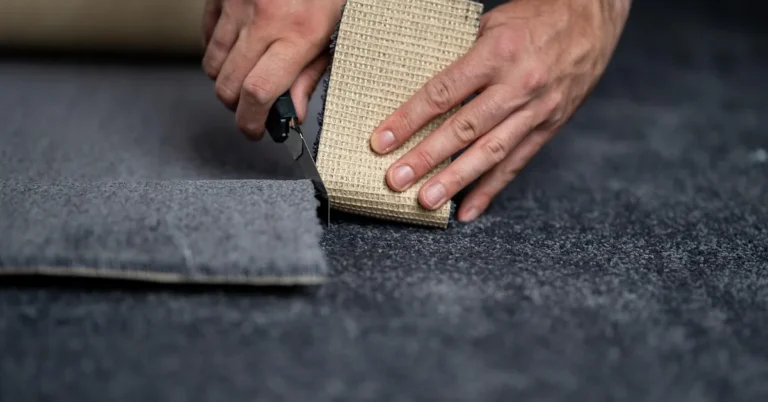
If the bedroom sits above another room, impact noise — footsteps, dropped items, dragged furniture — matters more than surface noise. Carpet with a dense pad remains the quietest option because the fibers and cushioned backing absorb both impact and airborne sound before it reaches the joists. Cork ranks second: its cellular structure has natural vibration-dampening properties that outperform most hard surfaces, which is why it shows up often in condos and apartments with shared floor-ceiling assemblies. Hard surfaces like LVP, laminate, and hardwood can get close to carpet-level quiet, but only with a rated acoustic underlayment pad underneath — skipping the pad to save a few dollars per square foot is the most common reason a “quiet” hard floor ends up sounding hollow.
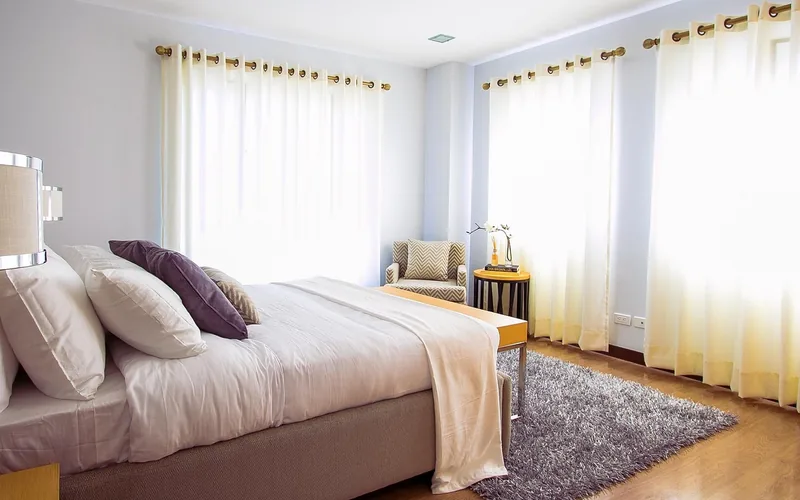
A practical middle ground: install hardwood, engineered wood, or LVP for durability and allergy performance, then layer a thick area rug with a rubber rug pad over the areas where you walk most — beside the bed and in front of the closet. This keeps the resale-friendly hard surface while closing most of the comfort and noise gap with carpet.
Which Flooring Is Best for Allergies?
Hard, sealed surfaces are best for allergy sufferers. LVP, hardwood, engineered hardwood, and laminate all have a smooth, sealed surface that doesn’t trap dust mites, pet dander, or pollen the way carpet fibers do — and they wipe clean instead of requiring deep-cleaning equipment. Carpet is the least allergy-friendly option regardless of pile height or fiber type, because dust and allergens settle down into the pad, not just the visible fibers. If allergies are a top priority but you still want warmth, cork is the best compromise: its surface is naturally antimicrobial and doesn’t off-gas the way some synthetic pads do.
Best Flooring for Bedrooms With Kids or Pets
LVP is the strongest all-around choice for a kid or pet bedroom: it’s 100% waterproof, scratch-resistant enough to handle claws and toy trucks, and far easier to clean up an accident on than carpet or unsealed hardwood. Laminate is a reasonable second choice on a tighter budget, but avoid it in a room with a water bowl or a child prone to spills, since standing water at a seam is what causes laminate to swell and delaminate.
Common Mistakes When Choosing Bedroom Flooring
- Skipping the underlayment to save money. A cheap or missing pad is the single biggest reason a hard floor sounds hollow or feels cold — the pad often matters more than the plank quality itself.
- Choosing carpet without checking allergy history. Carpet traps dust mites and dander at the pad level, not just the surface, which can worsen symptoms for sensitive sleepers.
- Installing solid hardwood over a damp basement or slab. Solid wood expands and contracts with moisture; engineered hardwood or LVP handles below-grade humidity far better.
- Ignoring resale value on a short-term-owned home. Buyers consistently rate hardwood and engineered hardwood higher than carpet or laminate in resale comparisons, even in bedrooms.
Frequently Asked Questions
What is the best flooring for a bedroom on a budget?
Laminate and peel-and-stick LVP are the most budget-friendly options, both running $3-$8 per square foot installed. LVP is the better pick if there’s any chance of moisture, since laminate can swell at the seams if it gets wet.
Is carpet or hardwood better for a bedroom?
Carpet is warmer and quieter underfoot, making it a strong choice in cold climates or upstairs bedrooms. Hardwood lasts longer, adds more resale value, and is far better for allergy sufferers since it doesn’t trap dust and dander the way carpet fibers do.
What flooring is quietest for an upstairs bedroom?
Carpet with a dense pad is the quietest option, followed by cork. If you want a hard surface like LVP or hardwood instead, pair it with a rated acoustic underlayment pad — without one, hard floors transmit noticeably more impact noise to the room below.
Can you install luxury vinyl plank flooring yourself?
Yes. Peel-and-stick and click-lock LVP are both designed for DIY installation over a clean, flat subfloor — no specialized tools or adhesive are required for most bedroom-sized rooms, and a single bedroom typically takes a weekend.
Does bedroom flooring affect home resale value?
Yes. Hardwood and engineered hardwood consistently rank as buyer-preferred flooring in resale comparisons, even in bedrooms that buyers may plan to carpet or rug themselves. Carpet and laminate are viewed as lower-cost, shorter-lifespan materials by comparison.
For the full breakdown of every wood flooring type, installation method, and long-term cost, see our complete wood flooring guide.
Conclusion
There’s no single best bedroom flooring for every home — the right choice depends on what you’re solving for. Choose engineered hardwood or solid hardwood if resale value and longevity matter most. Choose LVP if you want a waterproof, pet- and kid-proof surface at a lower cost than wood. Choose carpet if warmth and quiet outweigh allergy concerns, or cork if you want both. Whatever material you pick, don’t skip the underlayment — it does more for comfort and noise than most homeowners expect.
Sponsored / affiliate links. As an Amazon Associate I earn from qualifying purchases. I may earn additional commission from eligible campaigns.