Can You Shou Sugi Ban Any Wood? A Woodworking Guide
Thinking about charring some wood? Many people ask, Can You Shou Sugi Ban Any Wood? It’s a popular woodworking technique, but getting started can feel a bit tricky. Don’t worry, though! This guide breaks down the process in an easy way. We’ll explore the best types of wood for this method and show you how to do it safely and successfully. You’ll learn everything you need to know to get started.
What is Shou Sugi Ban?
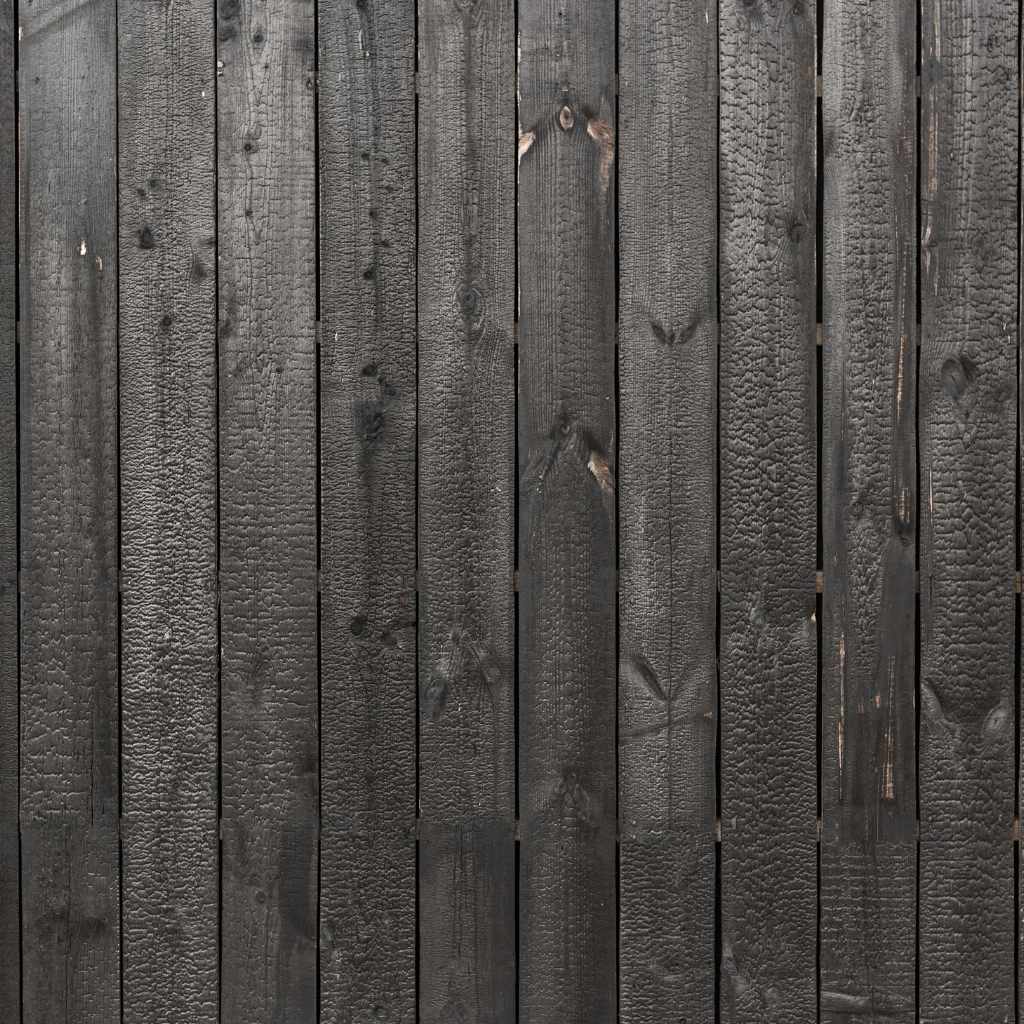
Shou Sugi Ban, sometimes called Yakisugi, is a traditional Japanese wood preservation technique. It involves charring the surface of wood to make it more durable and resistant to the elements. This method gives the wood a unique, textured look that’s both beautiful and practical. The charring process creates a protective layer, helping the wood stand up to rain, sun, and even pests. It’s a sustainable choice for siding, fencing, and other outdoor projects. This approach minimizes the need for chemical treatments.
This ancient practice has gained popularity across the globe. It’s a great choice for those seeking to create long-lasting and aesthetically unique woodwork. The process alters the wood’s appearance, bringing out its natural grain while adding an eye-catching, almost three-dimensional depth. The visual appeal and the increased lifespan of the wood are major advantages of the technique.
The History and Origin of Shou Sugi Ban
The origins of Shou Sugi Ban trace back centuries. It was developed in Japan as a method to protect wood from the harsh climate. The technique was particularly useful in regions with high humidity and frequent rainfall. It helped to extend the life of wooden structures. It prevented rot and insect damage. The method’s effectiveness quickly made it a staple in Japanese carpentry.
The name “Shou Sugi Ban” translates roughly to “burnt cedar board”. The “Sugi” refers to Japanese cedar, the type of wood that was originally used. Over time, the practice has adapted. Different types of wood are now used to create a variety of looks and levels of protection. While the method may have been simple at its inception, its effects have been remarkable and have lasted over the years.
The Benefits of Charring Wood
There are several benefits to using the Shou Sugi Ban method. The most important is increased durability. Charring the wood creates a hardened surface. This protects against moisture, rot, and insect infestations. This process greatly extends the life of the wood. Charring also provides some fire resistance. Burnt wood is less likely to catch fire compared to untreated wood.
Beyond these practical advantages, the visual appeal is a major selling point. The charring process brings out the natural beauty of the wood’s grain. It gives a unique, textured surface that’s both elegant and rustic. You can choose different charring levels, from a light char to a deep, dramatic black. This allows for a great deal of customization. Moreover, it’s an eco-friendly approach, reducing the need for chemical preservatives.
What Woods Work Best for Shou Sugi Ban?
The short answer to the question Can You Shou Sugi Ban Any Wood? is not exactly. Not all types of wood char equally well. Some wood species respond better to the charring process than others. The results can vary depending on the wood’s density, resin content, and grain pattern. It’s important to choose the right wood for the best results. Some woods are great and others, not so much.
Choosing the right wood helps ensure a beautiful and long-lasting finish. Consider the wood’s natural properties when making your choice. Certain woods offer better resistance to the elements after charring. Other woods might be too soft, or too hard to char correctly. Let’s explore some of the best and worst choices.
Wood Recommendations: The Best Choices
-
- Cedar: This is the traditional choice, especially Japanese cedar (Sugi). Cedar has natural oils that help it resist rot and insects. The charring process enhances these properties. The grain pattern on cedar is also beautiful when charred, producing a deep, rich color.
Cedar’s natural resistance to decay and insects makes it perfect for outdoor use. The charring strengthens this defense. It creates a striking visual contrast that enhances any project. In addition, cedar is relatively lightweight and easy to work with. These characteristics make it a good selection for both beginners and experienced woodworkers.
-
- Larch: Larch is a tough softwood with a good density. It chars well and becomes very durable. It can withstand harsh weather conditions. The grain of larch often becomes pronounced after charring, giving it a unique visual texture.
This wood is suitable for exterior siding and decking. Larch also provides strong performance against weathering, making it ideal for outdoor projects. The resulting charred surface protects against moisture and sun damage. It also adds a layer of fire resistance.
-
- Douglas Fir: A popular choice for its strength and affordability, Douglas fir is commonly used in construction. It chars well, especially when using the “kuma” or “alligator” char technique. This approach offers a rustic, textured look.
Douglas fir’s charring gives it a distinct aesthetic. Douglas fir is readily available and moderately priced. Douglas fir can be a good option for those seeking a balance of cost and performance. This wood provides a protective layer against the elements.
Woods to Avoid or Use With Caution
-
- Pine: While pine can be charred, the results can be inconsistent. Pine has a high resin content, which can cause the wood to burn unevenly. The char can also flake off easily. However, with careful charring and finishing, it’s possible to get an acceptable result.
Pine’s resin content complicates the charring process. You must control the heat carefully to avoid excessive flaring. After charring, it’s also important to stabilize the wood. This can be done by applying a sealant. Pine is generally less durable than other options. Using it might need more maintenance over time.
-
- Poplar: Poplar is a soft hardwood. It tends to absorb moisture. It doesn’t char as effectively as denser woods. Poplar is typically not a good option. The charred surface might not be as durable or visually appealing.
Poplar’s softness makes it unsuitable for long-term outdoor use. The char might erode quickly. It does not provide the same degree of protection. Poplar lacks the natural oils and density that help other woods withstand the charring process. It is generally not recommended.
-
- Woods with High Resin Content (Like Some Types of Fir): Excessive resin can cause uneven burning and bubbling. This can result in an unsightly finish. It is best to avoid these or experiment with small samples first.
High resin can make it challenging to achieve a uniform char. It can also lead to issues with the wood’s structural integrity. Resin-rich woods may also release more smoke and volatile compounds during charring. It’s important to take extra precautions. Consider the risks before working with this type of wood.
Step-by-Step Guide to Shou Sugi Ban
Now, let’s explore how to actually do Shou Sugi Ban. This process may appear complex, but with the right steps, you can create a beautiful finish. This section walks you through everything from preparing the wood to applying the final finish. Following these instructions will allow you to achieve professional-looking results. Let’s get started.
Safety is the first step. You’ll be working with fire. You must always exercise caution. Make sure you have the right equipment and the proper work area. Follow these steps to prepare your wood and create a long-lasting finish.
Preparing Your Wood for Charring
-
- Choose Your Wood: As discussed, select a wood species that’s suitable for Shou Sugi Ban. Cedar, larch, and Douglas fir are great options. Make sure your wood is dry and free from any coatings or treatments.
Proper wood selection is crucial for the best results. Start with dry wood to prevent issues during charring. Wood that is not treated or coated will allow the char to adhere properly. Taking the time to select the right wood will make all the difference in the final look and durability.
-
- Cut and Sand: Cut your wood to the desired size and shape. Lightly sand the wood surface to remove any imperfections. This will provide a smooth surface for the charring process. The level of sanding depends on your preference for smoothness.
Accurate cutting and surface preparation are important to obtain a professional finish. Ensure precise cuts to fit your project. A smooth surface guarantees the char will adhere consistently. It also affects the final appearance. Taking these steps makes the charring process easier and more effective.
-
- Set Up Your Work Area: Prepare a safe and well-ventilated area for charring. Set up your tools and equipment. Have a water source nearby to extinguish any accidental flames. Avoid charring indoors.
Safety is the top priority. Good ventilation is essential to avoid inhaling smoke. Ensure that there are no flammable items nearby. Proper setup contributes to a safer and more enjoyable working environment. It also minimizes potential risks associated with open flames.
The Charring Process
-
- Charring Methods: There are several methods for charring wood, including the torch, burner, and open flame techniques. The torch method involves using a propane torch to evenly char the wood’s surface. The burner method utilizes a dedicated burner for controlled charring. The open flame method involves building a small fire and charring the wood over the flames.
Each method has its advantages. The torch provides good control for intricate charring. Burners provide a more consistent char. Open flames add a unique rustic look. Choose the method based on your project and the desired effect.
-
- Charring Time and Technique: Apply the flame evenly across the wood’s surface. Keep the flame moving to avoid burning any one spot. The charring time depends on your desired outcome. A light char will take less time than a deep char. Monitor the progress closely.
Consistent charring ensures the final look is even. Be careful not to burn the wood too much. A light char can accentuate the wood’s grain. Deeper charring will add increased weather resistance. Watch for any signs of the wood beginning to smolder.
-
- Cooling the Wood: Once the charring is complete, cool the wood quickly to stop the charring process. You can do this by spraying the wood with water or using a wet rag. The water will help to stop the char from continuing and remove any excess soot.
Rapid cooling is key. It ensures the charred surface doesn’t continue burning. It also helps to set the char. Use a water source. Ensure you fully extinguish the flame and soot.
Finishing the Wood
-
- Brushing and Cleaning: After the wood has cooled, brush off the loose char from the surface. A stiff brush is helpful for this. Be gentle to avoid removing the char. Remove the excess soot.
Carefully removing the char reveals the texture and color. Using a brush removes any particles that could affect the finish. It helps prepare the wood for the next stages. The right brush ensures the char remains intact.
-
- Applying a Sealer or Oil: To protect the charred surface and prevent the char from rubbing off, apply a sealer or oil. Options include linseed oil, tung oil, or a specialized UV-resistant sealant. Apply the finish according to the manufacturer’s instructions.
The sealer or oil is critical. It will make the wood more resistant to wear and tear. It will also help preserve the char. Choose a product that works best for your project. Be sure it offers protection against sun and moisture.
-
- Allowing the Finish to Cure: After applying the finish, allow the wood to cure fully. This process depends on the type of finish used. Protect the wood from rain and excessive sunlight during the curing process.
Proper curing is crucial for durability. Following the manufacturer’s instructions will ensure the finish hardens correctly. This process creates a lasting finish that protects the wood. Proper care makes your Shou Sugi Ban project last longer.
Can You Shou Sugi Ban Any Wood: Advanced Techniques
Once you are comfortable with the basic process of Shou Sugi Ban, you can explore several advanced techniques. These can add depth and character to your projects. Experimentation with these methods can lead to unique and captivating results. Let’s explore these more advanced techniques. You will quickly realize, Can You Shou Sugi Ban Any Wood? has more complexities than you’d expect.
These advanced techniques let you add custom details and aesthetics. By experimenting, you can find looks that match your style. Each method offers a unique aspect. Take the time to get acquainted with the differences.
Variations in Charring Intensity
-
- Light Char (Gleaming): A light char involves a quick pass of the flame across the wood’s surface. This technique brings out the wood’s natural grain. It creates a subtle, elegant look. The wood retains much of its original color.
This method works well for those wanting to maintain the wood’s natural beauty. It protects the wood from the elements. It provides an understated yet beautiful effect. This technique’s subtle char minimizes the visual impact of the charring.
-
- Medium Char (Classic Yakisugi): This is the traditional level of charring. It involves charring the wood until the surface is black and slightly textured. This provides moderate protection and a classic Shou Sugi Ban look. It’s suitable for various wood species.
The medium char level is a favorite for its balance of aesthetics and protection. The texture is usually slightly more pronounced. The color is deep, rich black. It is also an adaptable technique. It is perfect for both interior and exterior use.
-
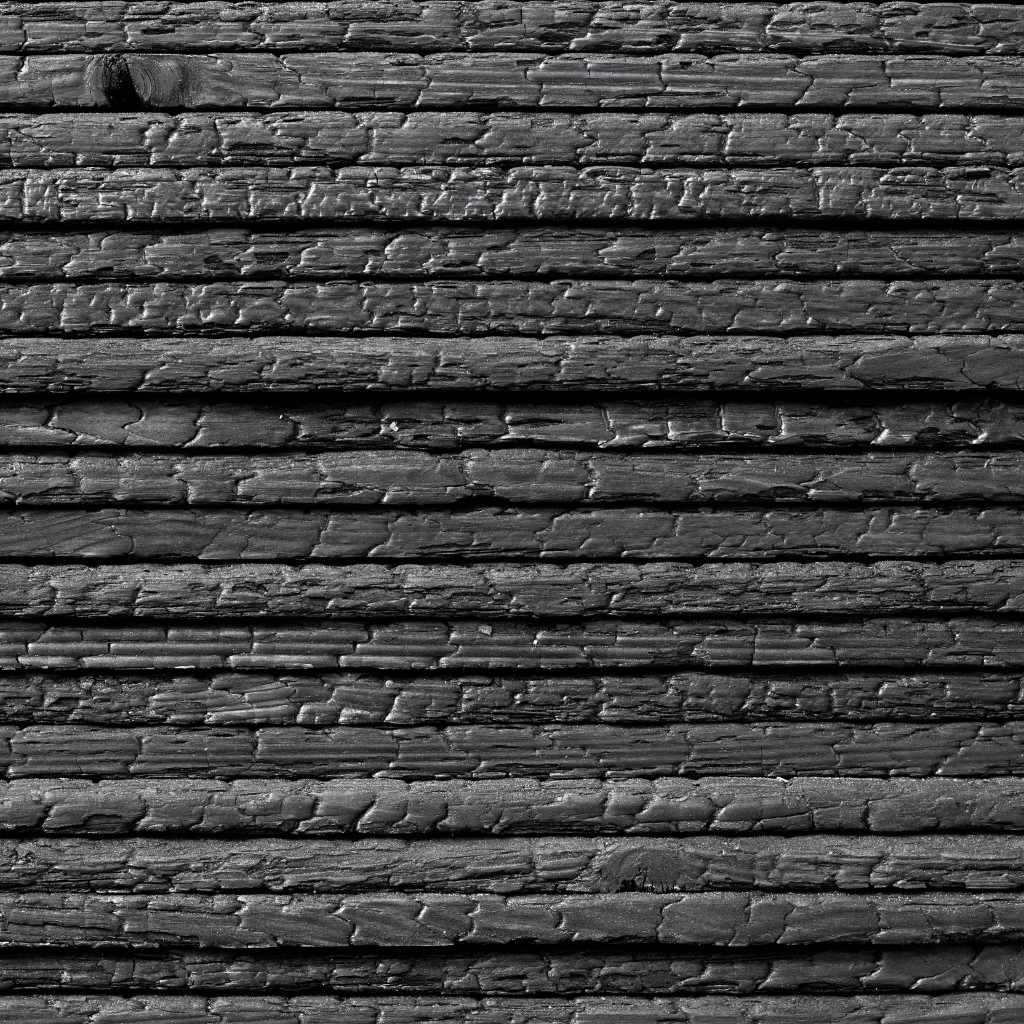
- Deep Char (Alligator Skin): Also known as “kuma” or “alligator,” this method chars the wood deeply. This creates a highly textured surface. It provides the highest level of protection. The texture resembles alligator skin.
Deep char offers the most protection and the most dramatic appearance. This approach is best for outdoor applications needing maximum weather resistance. It creates a visually striking, three-dimensional effect. It is best to practice on a test piece first. This can help to avoid damaging your main piece.
Incorporating Color and Finish
-
- Adding Color: After charring, you can add color using stains, dyes, or paints. This can create unique effects. It can be used to add a contrast to the black char. You can choose colors that complement the charred surface.
Color can add a personalized feel to the wood. You can create different visual effects. Using stains or dyes can highlight the grain. This can also provide a distinct color. Experiment with different colors to find the best look.
-
- Using Different Finishes: The choice of finish can greatly affect the final appearance. Linseed oil, tung oil, and UV-resistant sealants offer different levels of protection. They also offer unique visual characteristics. Choose the finish that best suits your project and desired aesthetic.
The finish affects both the look and durability. Oils deepen the color and enrich the grain. Sealants provide a protective barrier. Make sure you select the right finish for the best possible outcome. Choosing the right finish is essential.
-
- Experimenting with Textured Finishes: Try different techniques to make unique textures. You can experiment with adding grit or texture. You can create different tactile sensations and visual effects. Consider layering finishes for additional layers of protection.
Layering and texturing offer a unique and custom look. Mixing finishes can provide extra depth and visual interest. It offers an advanced level of detail. It can bring a distinctive look to your project.
Frequently Asked Questions
Question: Is Shou Sugi Ban difficult to learn?
Answer: No, it’s not. The basic technique is straightforward. You can achieve good results with some practice and the right safety measures.
Question: Can I use Shou Sugi Ban on interior projects?
Answer: Yes, you can. It provides a unique look for interior elements, such as wall paneling. Proper ventilation is very important when charring indoors.
Question: How long does Shou Sugi Ban last?
Answer: With proper maintenance and the correct wood, a Shou Sugi Ban finish can last for many decades.
Question: Does Shou Sugi Ban require special tools?
Answer: No, you can get started with a propane torch, a wire brush, and some basic safety gear.
Question: Is Shou Sugi Ban safe for the environment?
Answer: Yes, it is a relatively eco-friendly method. It reduces the need for chemical treatments. It also uses a sustainable approach to protect wood.
Final Thoughts
So, the question, Can You Shou Sugi Ban Any Wood? is not always straightforward. While the basic process of charring wood is relatively simple, the choice of wood and the techniques you use are very important. Remember, selecting the right wood, like cedar or larch, is key. Following the proper charring and finishing steps will give you a beautiful and long-lasting result. Also, you have many options. Experiment with different charring intensities and finishes to find the perfect look for your project.
Now that you know the basics, gather your supplies and prepare to get started. Don’t be afraid to try different techniques and learn from your experiences. Each project will help you hone your skills and discover the many possibilities of this amazing woodworking technique. Happy charring!