Can You Smoke Meat With Pine Wood Safety Guide
Many folks wonder if they can use pine wood for smoking meat. It’s a common question, especially for those new to smoking. Some people say it’s a no-go because of bad flavors or safety concerns.
But don’t worry! We’re going to walk through this step-by-step and make it super simple. You’ll learn exactly what you need to know to decide if pine is right for your next cookout.
Let’s find out the facts about Can You Smoke Meat With Pine Wood? Safety Guide.
Smoking Meat With Pine Wood Explained
This section looks at the basics of using pine wood for smoking. We will talk about why some people are hesitant and what makes pine different from other smoking woods. Understanding these points will help you make a good choice for your cooking.
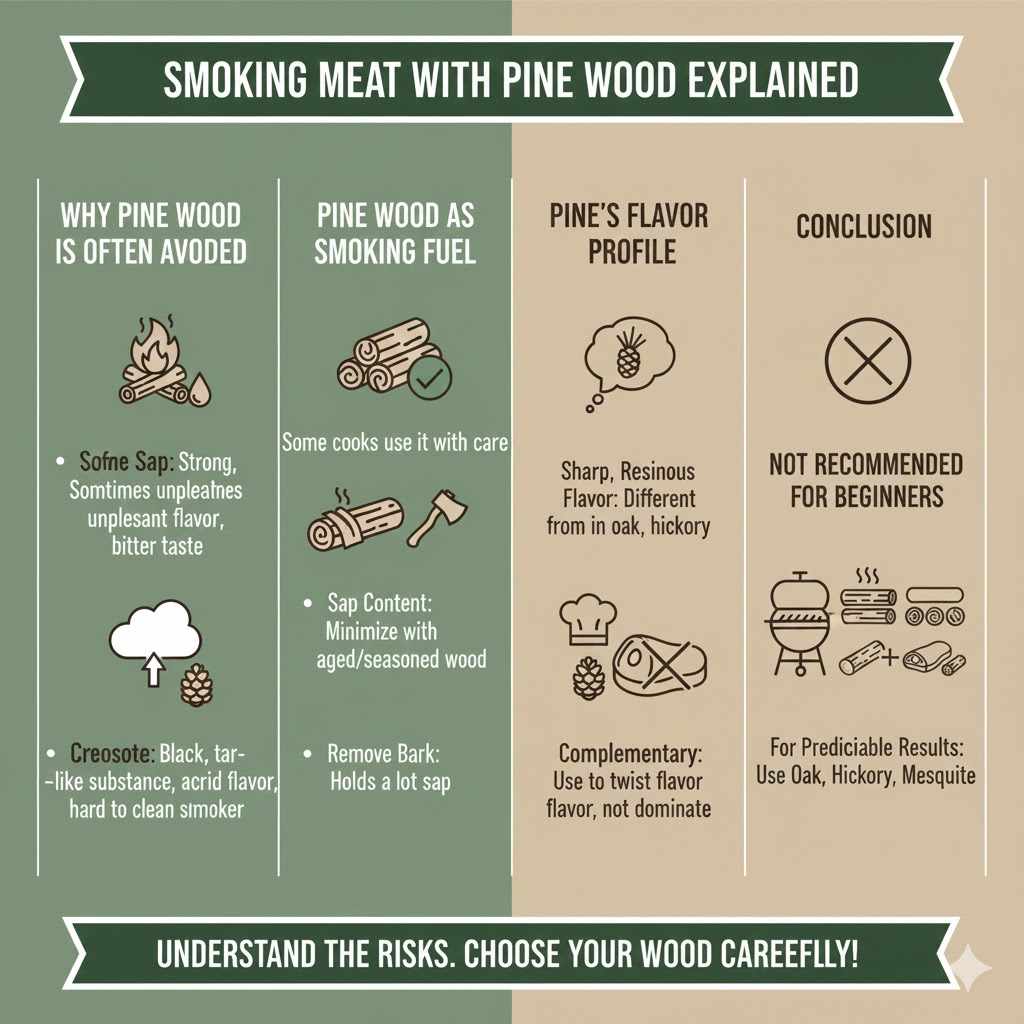
Why Pine Wood is Often Avoided
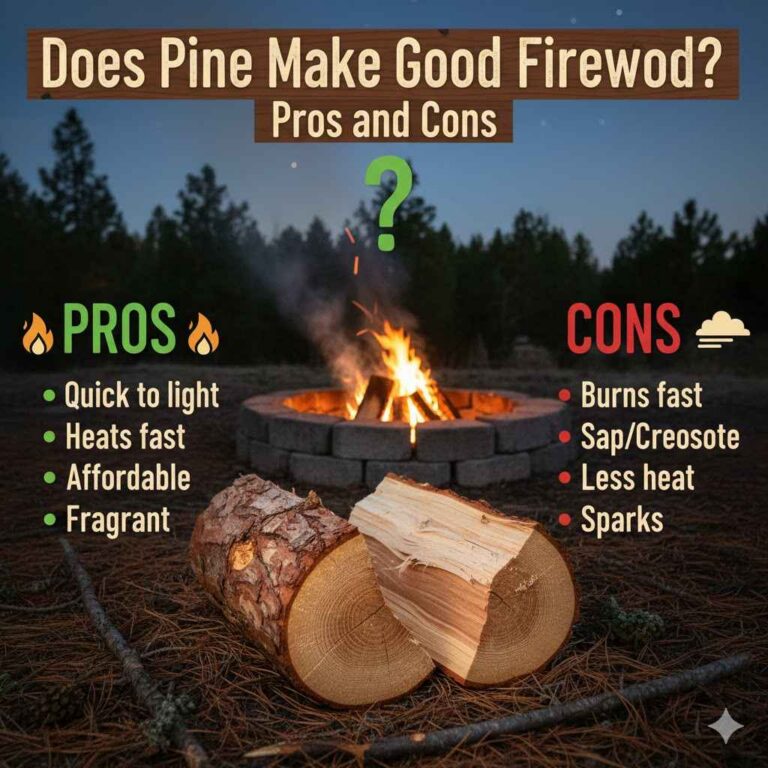
Pine wood is often on the ‘avoid’ list for smoking because it’s a softwood. Softwoods tend to burn faster and hotter than hardwoods. This can lead to uneven cooking and a bitter, sooty taste on your meat.
Also, pine sap can create a strong, sometimes unpleasant flavor that many smokers don’t prefer. It’s not just about taste; some people worry about the chemicals released when burning pine.
When pine burns, it can produce a lot of creosote. Creosote is a black, tar-like substance. Too much creosote can make your food taste acrid and bitter.
It can also build up in your smoker, making it harder to clean. For these reasons, traditional advice often steers beginners away from using pine. They suggest sticking to hardwoods like oak, hickory, or mesquite for more predictable results.
Pine Wood as a Smoking Fuel
While many avoid it, some cooks do use pine wood. The key is how it’s prepared and used. Pine can give a unique flavor, but it needs careful handling.
It’s not a wood you can just throw into your smoker without thinking. Preparation is important to manage its burn rate and the taste it imparts.
The sap content in pine is a major factor. This sap can vaporize and stick to your food, creating off-flavors. To use pine effectively, you need to minimize its sap.
This often involves using aged or seasoned wood and sometimes even removing the bark, which holds a lot of sap.
Pine’s Flavor Profile
Pine wood imparts a sharp, resinous flavor. It’s very different from the mellow, smoky notes of oak or the bold, savory taste of mesquite. Some people find this pine flavor too strong or even chemically.
Others might enjoy its distinctiveness in small amounts or for specific types of meat.
Think of it like using a strong spice. A little bit can add an interesting twist, but too much can overpower everything. The goal is to use pine in a way that complements, not dominates, the taste of the meat.
This is where understanding the science of smoke and combustion comes in handy.
Safety Concerns With Smoking Pine Wood
This part focuses on the safety aspects of using pine wood. We’ll cover why it can be risky and what steps you can take to make it safer if you choose to use it.
Understanding Creosote Buildup
Creosote is a sticky substance that forms when wood doesn’t burn completely. Softwoods like pine produce more creosote than hardwoods. This happens because softwoods have higher moisture content and burn less efficiently.
The unburned particles in the smoke condense on surfaces, including your food and smoker walls.
A lot of creosote is bad for two main reasons. First, it tastes terrible. It can make your food bitter and acrid, ruining a perfectly good meal.
Second, creosote is flammable. If it builds up too much in your smoker or chimney, it can cause a dangerous flare-up or even a fire. Keeping your smoker clean is vital, especially when using woods that produce a lot of creosote.
Toxicity of Pine Smoke
There’s a common concern about the chemicals in pine smoke. Pine trees contain resins and volatile organic compounds (VOCs) that can be released when burned. Some of these compounds can be irritating to the lungs or might have long-term health effects if inhaled in large quantities.
This is why good ventilation is crucial when smoking, especially with woods like pine.
When you are smoking, the smoke is what flavors your food. However, you are also breathing in a certain amount of that smoke. If the wood you are burning releases harmful compounds, it’s a health risk.
The key is to ensure the wood burns as cleanly as possible to minimize these harmful byproducts. This often means using aged wood and maintaining the right smoking temperature.
Best Practices for Safe Smoking
To smoke safely with pine, you must prepare it properly. Use only well-seasoned pine. This means the wood should be dry, usually for at least six months to a year.
Drying the wood helps reduce its moisture and sap content. Some people even remove the bark from pine logs, as the bark holds a lot of sap and can burn quickly.
Always ensure your smoker has good airflow. Proper ventilation helps the wood burn hotter and cleaner, reducing creosote and the release of harmful compounds. Maintain a consistent, moderate temperature in your smoker.
Avoid letting the fire smolder or get too hot and smoky. This careful approach to preparation and management is key to making pine smoking safer.
Preparing Pine Wood for Smoking
This section explains the steps you should take to get pine wood ready for smoking. Proper preparation is crucial for good flavor and safety.
Choosing the Right Kind of Pine
Not all pine is created equal when it comes to smoking. It’s best to use dead, standing pine trees that have been seasoned for at least six months to a year. Freshly cut pine is too wet and sappy.
Look for pine that has a dry, gray appearance. Avoid pine that has a strong, fresh pine scent, as this indicates high sap content.
Some species of pine are better than others. For example, Ponderosa pine and lodgepole pine are sometimes used. However, it’s often recommended to avoid pitch pine or slash pine, as they have particularly high sap content.
The goal is to find pine that has dried out significantly, reducing both moisture and sap.
Seasoning and Drying Pine Wood
Seasoning is the process of drying out wood so it burns cleaner and produces less smoke. For pine, this means storing it in a dry, well-ventilated area for an extended period. Ideally, pine should be seasoned for a year or more.
This process allows moisture to evaporate and sap to harden or dissipate.
You can season wood by stacking it off the ground, allowing air to circulate around it. Cover the top to protect it from rain, but leave the sides open for ventilation. Well-seasoned wood will sound hollow when you knock on it and will be lighter in weight compared to green wood.
Removing Bark and Sap
For smoking, it’s often a good idea to remove the bark from pine logs. The bark tends to burn quickly and can release a lot of sap and bitter flavors. After seasoning, you can use a knife or scraper to peel away the bark.
This also helps the wood dry more evenly.
Some people go a step further and try to remove visible sap veins. While this is difficult to do completely, focusing on the bark can make a big difference. The less sap, the cleaner the smoke, and the better the flavor.
This preparation is key to mitigating the negative aspects of pine.
How to Use Pine Wood in Your Smoker
This section gives practical advice on how to actually use pine wood in your smoker. We will look at different methods and tips for best results.
Using Pine Chunks or Chips
For smoking, pine wood is usually used in chunks or chips. Chunks are larger pieces that burn for a longer time, producing a more consistent smoke. Chips are smaller and burn faster, ideal for shorter smoking sessions or adding a quick burst of smoke flavor.
When using pine chunks, soak them in water for about 30 minutes to an hour before adding them to your coals or heat source. This helps them smolder rather than burn up too quickly. Soaking also helps to produce a more consistent, wispy smoke, which is generally preferred for good flavor.
Avoid soaking chips for too long, as they can become too wet.
Managing Smoke Flavor and Temperature
The key to using pine is temperature control. You want to achieve a clean, thin blue smoke, not a thick, white, acrid smoke. This means your fire should be burning efficiently.
If you are using a charcoal smoker, add your pine chunks once the coals are mostly gray and glowing.
Avoid adding too much pine at once. Start with one or two chunks and see how the smoke smells and tastes. If it’s pleasant, you can add more cautiously.
The temperature of your smoker should also be stable. For most meats, aim for a temperature between 225°F and 275°F (107°C to 135°C). Too high a temperature can burn the pine too quickly and produce bitter smoke.
Pine Wood in Different Smoker Types
The way you use pine can vary depending on your smoker type. For charcoal smokers, you’ll place pine chunks on or near the hot coals. For gas smokers, you’ll put them in a smoker box or pouch above the burners.
Electric smokers often use a tray or pan where wood chips can smolder.
If you are using a pellet grill, you might use pine-flavored pellets. However, it’s important to check if these are made from pure pine or a blend. Some manufacturers create pellets from pine sawdust and other materials.
Always read the product description carefully. When using wood chunks or chips in any smoker, remember that less is often more with pine.
Comparing Pine Wood to Other Smoking Woods
This part compares pine wood to more commonly used smoking woods. This will help you understand where pine fits in and what makes it unique.
Pine Versus Hardwoods Oak Hickory and Mesquite
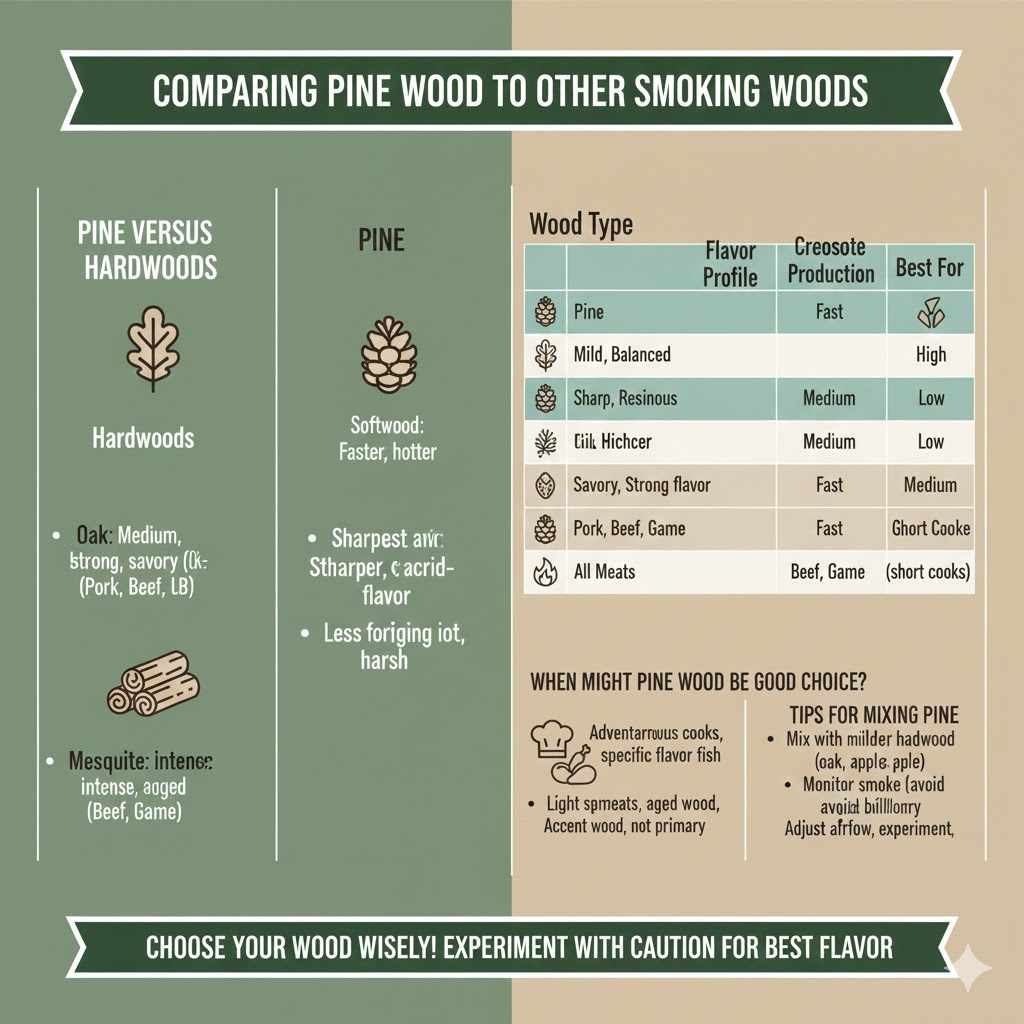
Hardwoods like oak, hickory, and mesquite are the go-to woods for most pitmasters. Oak provides a medium, balanced smoke that works well with almost any meat. Hickory offers a stronger, more savory smoke, great for pork and beef.
Mesquite is very strong and pungent, often used for quicker cooks or for meats that can stand up to intense flavor, like beef or game.
Pine, as a softwood, is quite different. Its smoke is sharper and more resinous. While hardwoods burn slower and produce a more stable, mild smoke, pine burns faster and can produce a more volatile flavor.
This makes it less forgiving. If you want a classic smoky flavor, hardwoods are generally a safer bet. Pine offers something distinct and requires a more skilled hand.
| Wood Type | Flavor Profile | Burn Rate | Creosote Production | Best For |
|---|---|---|---|---|
| Pine | Sharp Resinous | Fast | High | Very Specific Uses (with caution) |
| Oak | Mild Balanced | Medium | Low | All Meats |
| Hickory | Savory Strong | Medium | Low | Pork, Beef, Game |
| Mesquite | Intense Pungent | Fast | Medium | Beef, Game (short cooks) |
The table above shows a clear difference. Pine’s fast burn rate and higher creosote potential set it apart from the more stable hardwoods. While oak and hickory provide a steady stream of flavorful smoke, pine requires more attention to prevent it from becoming too harsh.
When Might Pine Wood Be a Good Choice
Pine might be a good choice for adventurous cooks looking for a very specific flavor profile. It could work for lighter meats like poultry or fish if used very sparingly and carefully prepared. Some chefs have experimented with using aged pine wood to add a unique aromatic note, almost like a spice.
Think of it as an accent wood, not a primary smoke wood. Using a small amount of aged pine along with a hardwood could provide an interesting complexity. However, for most standard smoking applications, especially for beginners, it’s usually best to stick with hardwoods.
The risk of overpowering or ruining your food with pine is significant.
Tips for Mixing Pine with Other Woods
If you decide to try pine, mixing it with a milder hardwood is a smart strategy. For example, you could use mostly oak or apple wood and add just one small chunk of well-seasoned pine. This allows you to get a hint of the pine flavor without it becoming dominant.
When blending, put the pine in a place where it will smolder and not burn too hot. Observe the smoke closely. If it turns white and billowy, you may have too much pine or it’s burning too fast.
Adjust your airflow or remove some of the pine. This experimental approach can help you find a balance that works for your palate.
Frequently Asked Questions
Question: Can you smoke meat with pine wood chips
Answer: Yes, you can use pine wood chips, but it’s best to use them sparingly and only after proper seasoning. Pine chips burn quickly and can produce a strong, resinous flavor. Ensure the chips are well-aged and consider soaking them briefly to control the burn rate and smoke production.
Question: Is pine wood safe to smoke with
Answer: Pine wood can be used for smoking if prepared correctly and with caution. The main safety concerns are creosote buildup, which can cause bitter flavors and fire hazards, and the potential release of irritating compounds from its resins. Proper seasoning and ventilation are key to minimizing these risks.
Question: What kind of pine is best for smoking
Answer: It’s best to use dead, standing pine that has been seasoned for at least six months to a year. Species like Ponderosa pine or lodgepole pine are sometimes used, but the most important factor is that the wood is dry and has a reduced sap content. Avoid freshly cut pine.
Question: Will pine wood make my meat taste bad
Answer: Pine wood can impart a strong, resinous flavor that some people find unpleasant or acrid. This is due to its high sap content and faster burning nature. To avoid a bad taste, use pine in moderation, season it thoroughly, and focus on achieving thin blue smoke rather than thick white smoke.
Question: How do I prepare pine wood for smoking
Answer: Prepare pine wood by seasoning it for at least six months to a year in a dry, ventilated area. Remove the bark to reduce sap and consider scraping away visible sap veins. Using aged wood helps it burn cleaner and produce a more desirable smoke flavor.
Conclusion
Using pine wood for smoking meat is possible but comes with challenges. It requires careful preparation and management to avoid bitter flavors and excessive creosote. Seasoned pine, used in moderation and with good ventilation, can offer a unique taste.
For consistent, pleasing results, hardwoods like oak or hickory remain the preferred choice for most cooks.