Is Southern Yellow Pine Strong? Structural Facts Explained
Southern yellow pine is one of the strongest common softwoods used in construction, with a specific gravity and bending strength that rivals or beats many hardwoods used structurally. It rates around 690 on the Janka hardness scale – softer than oak, but its real strength advantage shows up in structural properties like modulus of rupture and stiffness, not surface hardness, which is why it’s a preferred species for framing lumber, beams, and utility poles rather than furniture.
Structural Strength vs. Surface Hardness
Best for Checking Framing Lumber Moisture
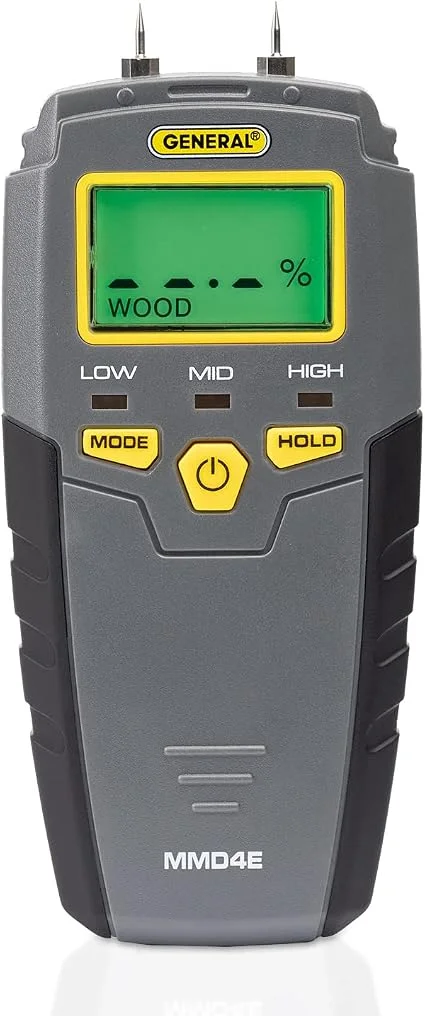 |
General Tools MMD4E Moisture Meter – $38.83 Confirming southern yellow pine’s moisture content before fastening structural framing matters more given its open cell structure, which absorbs and releases moisture readily.
|
Janka hardness measures resistance to denting and wear at the surface – a useful number for flooring or furniture, but a poor proxy for structural strength in a beam or joist. Southern yellow pine’s actual structural ratings (bending strength, compression strength, and stiffness under load) are calculated separately by grading agencies and published in span tables used by engineers and builders, and on those measures it consistently outperforms lower-density softwoods like white fir or spruce at the same dimension.
Why It’s the Default Choice for Framing in the Southeast
Southern yellow pine grows fast, straight, and dense in the climate conditions common across the southeastern U.S., which makes it both locally abundant and structurally efficient – a shorter growing cycle than many hardwoods, paired with genuinely strong wood, is an unusual combination that’s part of why it dominates regional framing lumber markets. It also takes pressure treatment exceptionally well, with an open cell structure that absorbs preservative more evenly than tighter-grained species, which is why the large majority of pressure-treated lumber sold in the U.S. is southern yellow pine.
Grading Affects the Strength Number You Actually Get
“Southern yellow pine” is actually a group of several related species (loblolly, longleaf, shortleaf, and slash pine among them) graded together under shared lumber standards – the specific grade stamped on a board (like No. 2 or Select Structural) matters more for a given piece’s actual strength rating than which of the four species it happens to be, since grading accounts for knots, grain slope, and other defects that directly affect real-world load capacity.
Southern Yellow Pine vs. Douglas Fir
Douglas fir is the other dominant structural softwood in U.S. construction, and the two are frequently compared since both outperform generic “SPF” (spruce-pine-fir) lumber. Southern yellow pine generally edges out Douglas fir in raw compression strength, while Douglas fir has a slight edge in stiffness (resistance to bending under load) – the practical difference is usually smaller than regional availability and price, which is why builders typically default to whichever species dominates their local market rather than choosing based on the marginal strength difference.
Where the Strength Actually Matters for a DIY Project
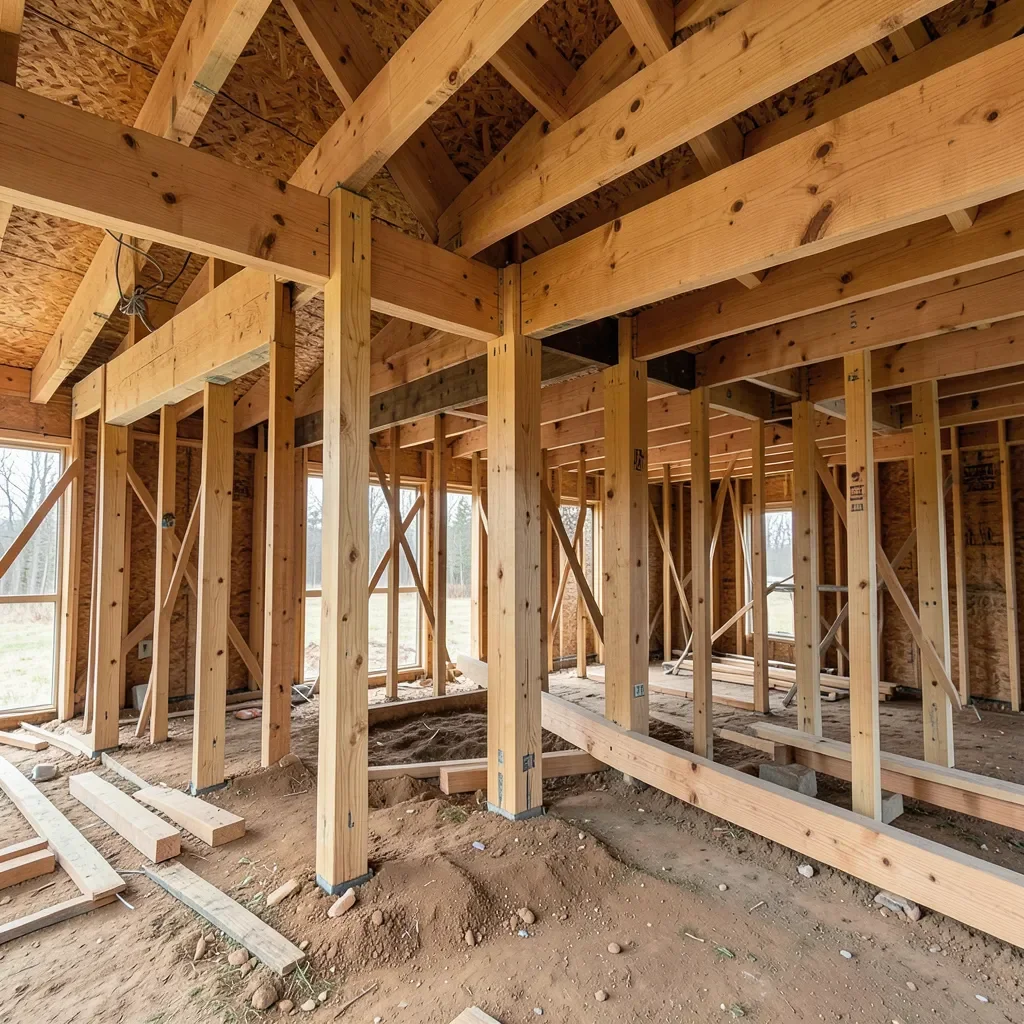
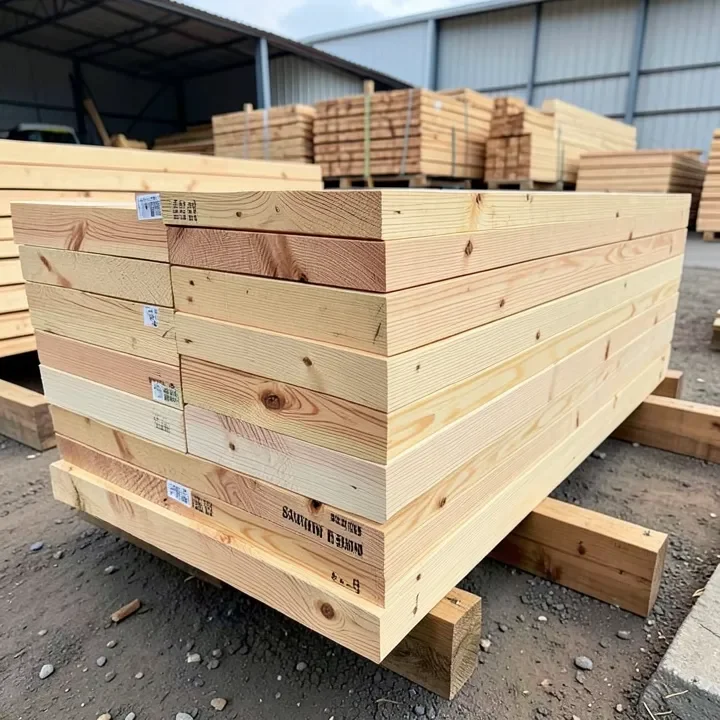
For deck framing, joists, and structural posts, southern yellow pine’s strength lets it span further at a given dimension than weaker softwoods – always check the load span tables for the actual grade and dimension being used rather than assuming “it’s SYP so it’s strong enough,” since grade and moisture content both affect the real rating a specific board carries. For non-structural trim, fencing, and other light-duty uses, the strength advantage is mostly irrelevant and a cheaper, more workable species may be the more practical choice.
Kiln-Dried vs. Green Southern Yellow Pine
Green (undried) SYP holds significantly more moisture than kiln-dried stock, which affects both its working strength during construction and how much it will shrink as it dries in place – kiln-dried SYP (often stamped KD or KD-HT) is more dimensionally stable once installed, while green SYP is sometimes preferred for framing specifically because it is easier to nail and less prone to splitting, with the understanding that some shrinkage and settling will occur over its first year in service.
Regional Availability and Cost
Southern yellow pine is cheapest and most available in the Southeast where it is grown and milled, while other regions may pay a modest freight premium compared to locally dominant species like Douglas fir in the Pacific Northwest – checking what a local yard stocks as its default structural lumber is more useful than assuming SYP is available everywhere at the same price.
Frequently Asked Questions
Is southern yellow pine stronger than regular pine?
Yes, significantly – “regular” white pine or other softer pine species rate much lower in both hardness and structural strength than southern yellow pine, which is specifically why SYP dominates structural lumber markets.
Is southern yellow pine good for outdoor furniture?
Only when pressure-treated – untreated SYP has no special rot resistance, but it accepts pressure treatment unusually well, which is why most treated outdoor lumber is this species.
Why does southern yellow pine grade matter so much?
The grade stamp accounts for knots, grain slope, and other defects that directly reduce a board’s real load capacity – two boards of the same species and dimension can have meaningfully different strength ratings based on grade alone.
Sponsored / affiliate links. As an Amazon Associate I earn from qualifying purchases. I may earn additional commission from eligible campaigns.