Is Pine Good for Cutting Boards? What the FDA Food Code Says
Pine is not a good choice for a everyday cutting board — it fails the FDA Food Code’s hardness standard for wood food-contact surfaces, and its resin pockets can taint food flavor. Eastern white pine measures roughly 380 on the Janka hardness scale, well under the “hard, close-grained wood” the Food Code requires (maple sits around 1,450). Pine can still work for occasional light chopping or a decorative board if you seal it well and replace it sooner than a hardwood one.
Note: Insert your Affiliate Disclosure reusable block here.
Quick Answer
Pine works for light, occasional cutting boards but isn’t recommended for daily food prep. Its softness (~380–870 Janka depending on species) means knife grooves cut deeper and trap moisture faster than in maple or walnut, and resin pockets can leach flavor into food. For daily use, choose a closed-grain hardwood; if you already own a pine board, seal it with food-grade mineral oil and retire it once deep grooves appear.
Is Pine Food-Safe? What the FDA Food Code Actually Says
Best Pine Alternative Pick
 |
Sonder Los Angeles Hard Maple Wood Cutting Board, 17x13x1.5 in A hard-maple board that actually meets the FDA Food Code’s “close-grained hardwood” bar pine can’t reach.
|
Compare more cutting board care options
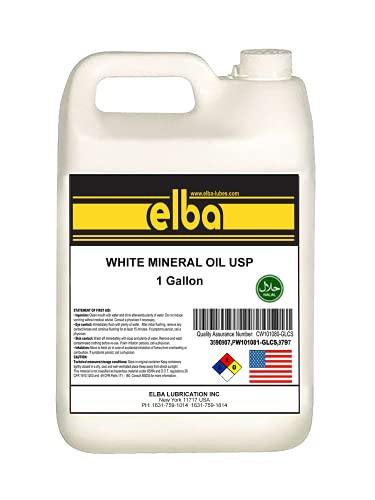
 Option 1 Howard Products Food Grade Mineral Oil, 12 oz
|
 Option 2 CLARK’S Cutting Board Wax & Conditioner, Beeswax
|
 Option 3 THETCHRY Walnut End Grain Cutting Board
|
As an Amazon Associate we earn from qualifying purchases.
A lot of cutting-board articles cite “FDA-approved wood” without naming an actual regulation, and some cite the wrong one entirely (21 CFR 178.3800 covers wood preservatives, not cutting boards, but you’ll see it misquoted online). The real rule that matters for wood cutting boards is Section 4-101.11 of the FDA Food Code — the model code most U.S. health departments adopt for restaurants and food-service kitchens. It states that wood may not be used as a food-contact surface except for “hard maple or an equivalently hard, close-grained wood” used for cutting boards, cutting blocks, and similar utensils.
Pine doesn’t meet that bar. It’s an open-grained softwood, and even the harder pine species (southern yellow pine, ~690–870 Janka) fall well short of hard maple’s density. That’s why a professional kitchen won’t hand you a pine cutting board — but the Food Code governs commercial food service, not what’s in your own kitchen. At home, the risk with pine is practical rather than regulatory: knife cuts open the wood grain faster, and open grain holds moisture and food residue longer than a tight-grained hardwood does.
Why Pine’s Resin and Sap Are the Bigger Concern Than People Realize
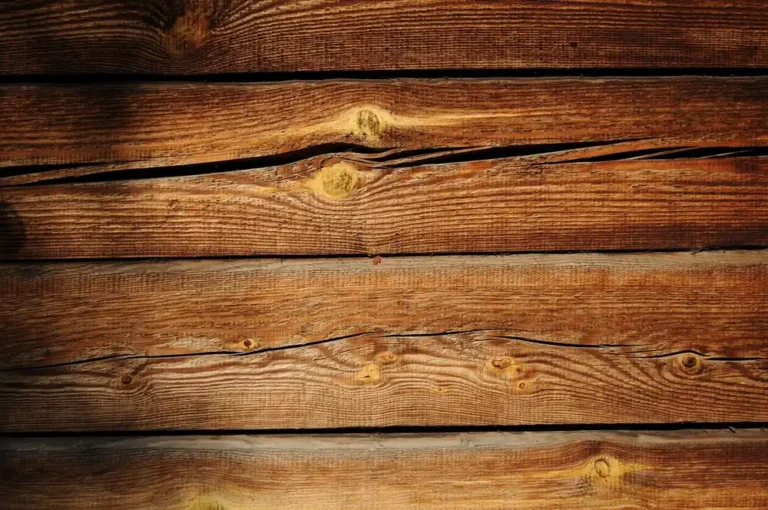
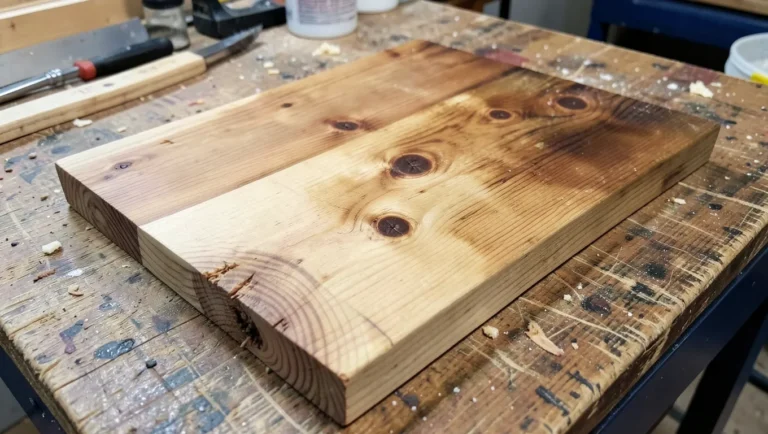
Most articles on this topic focus only on softness and stop there. The resin issue gets less attention, and it’s the part that actually affects food directly rather than just board lifespan. Pine boards, cut from lumber with visible pitch pockets or knots, can weep resin when the wood warms up — from a hot pan set nearby, from friction during cutting, or simply from a warm kitchen. That resin can transfer a sticky residue and a noticeable turpentine-like taste to food, especially anything with a mild flavor like bread dough or poultry.
- Buy clear boards, not knotty ones. If you’re set on a pine board, pick lumber without visible knots or amber-colored pitch pockets — those are where resin concentrates.
- Kiln-dried pine is safer than green pine. Kiln drying drives off most of the volatile resin; air-dried or “green” pine still carries active sap.
- Heat is the trigger. Never set a pine board near a stovetop, in direct sun, or use it as a trivet — warmth reactivates resin that looked dry.
Pine vs. Hardwoods: A Real Comparison
Here’s how pine stacks up against the hardwoods usually recommended for cutting boards, using actual Janka hardness numbers rather than vague “soft vs. hard” language.
| Wood | Janka Hardness (lbf) | Grain Type | Best For |
|---|---|---|---|
| Eastern white pine | ~380 | Open, resinous | Occasional/decorative use only |
| Southern yellow pine | ~690–870 | Open, resinous | Light use if kiln-dried and clear |
| Black walnut | ~1,010 | Closed | Daily use, low-glare dark color |
| Hard (sugar) maple | ~1,450 | Closed, tight | Daily heavy use — meets Food Code standard |
The gap between pine and maple isn’t marginal — maple is roughly 3.8 to nearly 4 times harder than eastern white pine. That difference shows up directly in how fast knife grooves form and how much moisture the board’s surface can hold onto between washes. If you’re deciding between a hickory, acacia, or maple board, all three clear the Food Code bar comfortably — pine does not.
If You Already Have a Pine Cutting Board: How to Use It Safely
Plenty of readers land on this page because they already own a pine board, not because they’re shopping for one. It doesn’t need to go straight in the trash — treat it as a light-duty board and it can still earn its keep.
- Seal it before first use: Apply food-grade mineral oil generously, let it soak 20 minutes, wipe off the excess, and repeat once more. This slows resin bleed and reduces how fast the open grain absorbs moisture.
- Reserve it for light tasks: Bread, fruit, cheese boards, and serving — not raw meat, poultry, or anything that needs heavy scrubbing afterward.
- Hand-wash only, dry immediately: Never soak it or run it through a dishwasher; standing water is what causes warping and deep grain-swelling in softwoods.
- Re-oil every 1–2 weeks: More often than a hardwood board needs, because pine’s open grain loses its protective oil layer faster.
- Retire it once grooves get deep: Once knife cuts are visible as grooves you can catch a fingernail on, food debris collects faster than cleaning can remove it — replace the board.
What 12 Years in the Shop Taught Me About Softwood Boards
I’ve built cutting boards from both pine offcuts and hard maple, and the difference shows up faster than most people expect. A pine board I made for my own kitchen as a quick weekend project started showing visible knife grooves within about six weeks of daily use — a maple board I’ve had for years still looks nearly new. That’s not a knock on pine as a material; it’s simply the wrong tool for a job that involves a blade every day. I still use pine boards for cheese and bread service, where the wear is minimal and the lighter weight is actually convenient.
Frequently Asked Questions
Is pine toxic or unsafe to eat off of?
No, pine itself is not toxic. Standard construction and craft-grade pine (not treated lumber) is not poisonous to eat off of. The safety concern is practical, not toxicological: pine’s open grain and resin pockets make it harder to keep clean and can transfer a resinous taste to food, not that the wood itself is harmful.
Can you use pine for a cutting board at all?
Yes, for light or occasional use — bread, cheese, fruit, or as a serving board. It’s a poor choice for daily raw-meat prep or heavy chopping, where a hard, closed-grain wood like maple or walnut holds up far longer and cleans more thoroughly.
Does pine really absorb food odors and stains more than hardwood?
Yes. Pine’s open, resinous grain structure absorbs liquids faster than a tight, closed grain like maple’s, so odors, colors from beets or turmeric, and moisture all penetrate deeper and are harder to fully clean out. Regular oiling reduces this but doesn’t eliminate it the way a denser hardwood naturally does.
What’s the difference between pine and treated lumber for a cutting board?
Never use pressure-treated lumber for anything food-related. Standard kiln-dried construction or craft pine has no chemical treatment and is safe to use as wood, but pressure-treated pine contains preservative chemicals (historically chromated copper arsenate, now typically copper-based compounds) that are explicitly not rated for food contact.
Conclusion
Pine isn’t unsafe to eat off of, but it isn’t the right wood for a primary, everyday cutting board. Its Janka hardness sits far below the FDA Food Code’s “hard, close-grained wood” standard, and resin pockets can transfer flavor into food once the board warms up. If you’re buying new, a hard maple or walnut board clears that bar comfortably. If you already have a pine board, seal it well, keep it for light tasks, and retire it once the grooves get deep.
Sponsored / affiliate links. As an Amazon Associate I earn from qualifying purchases. I may earn additional commission from eligible campaigns.