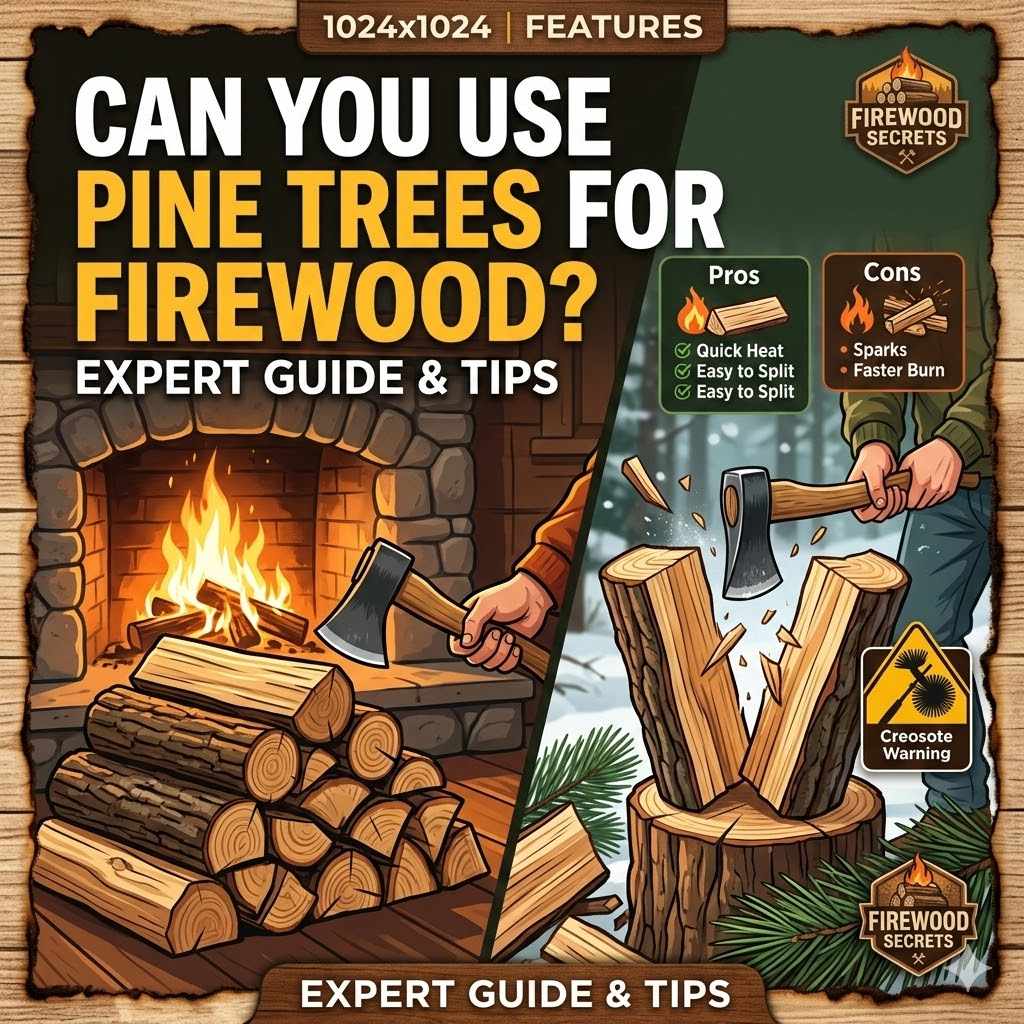
Can You Use Pine Trees for Firewood? Expert Guide
Many people wonder about burning pine in their fireplace. It seems like an easy source of wood, but is it a good idea? For beginners, this question can be tricky because there are strong opinions both ways.
Some say it’s fine, while others warn against it. Don’t worry, we’re here to help! This guide breaks down everything you need to know about Can You Use Pine Trees for Firewood?
Expert Guide. We will walk you through the pros, cons, and how to do it safely, step by step.
Burning Pine Wood For Firewood Is It Safe
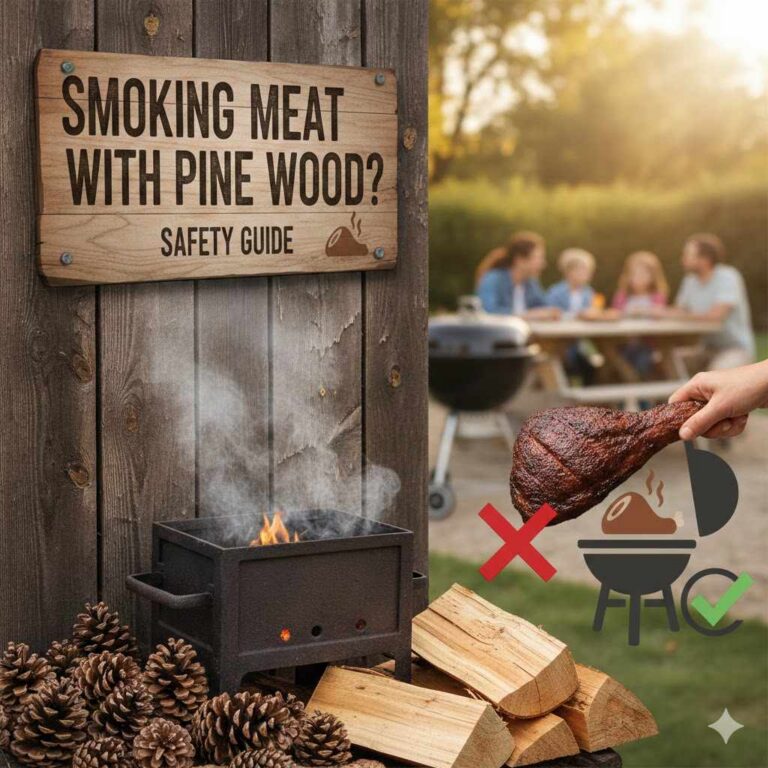
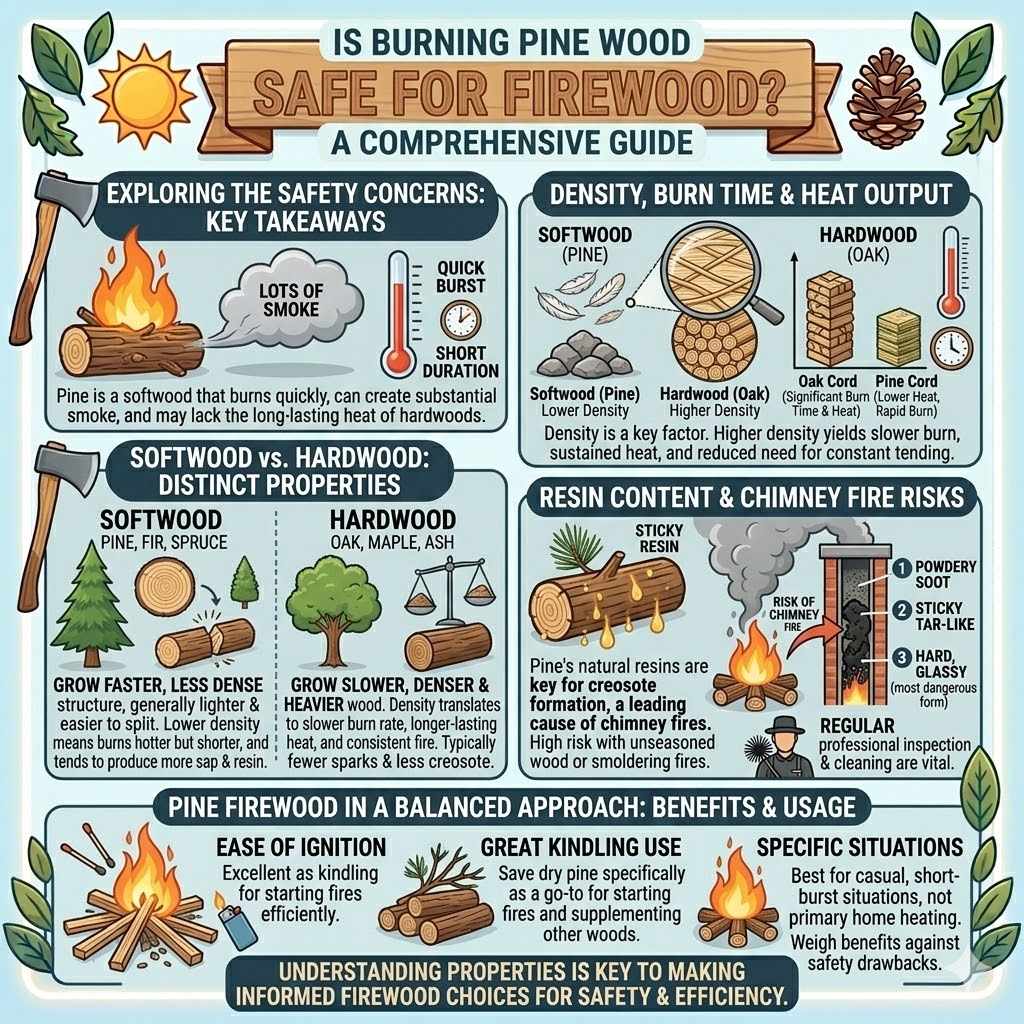
Pine is a softwood that burns quickly and can create a lot of smoke. This is often the main concern for people asking if they Can You Use Pine Trees for Firewood? Expert Guide.
Because it burns fast, it might not provide the long-lasting heat that hardwoods offer. Also, the resin inside pine can contribute to creosote buildup in chimneys. Creosote is a sticky substance that can be a fire hazard if it accumulates too much.
Understanding these aspects is key to making informed decisions about your firewood choices.
What Is Softwood Versus Hardwood
Softwoods and hardwoods come from different types of trees and have distinct properties that affect how they burn. This difference is important when considering if you Can You Use Pine Trees for Firewood? Expert Guide.
Softwoods, like pine, fir, and spruce, grow faster and have a less dense structure. This means they are generally lighter and easier to cut and split. However, their lower density also means they burn hotter but for a shorter duration compared to hardwoods.
They also tend to produce more sap and resin.
Hardwoods, such as oak, maple, and ash, grow much slower. Their wood is denser and heavier. This density translates to a slower burn rate, providing longer-lasting heat and a more consistent fire.
Hardwoods typically produce fewer sparks and less creosote than softwoods, making them a preferred choice for many homeowners for primary heating. The choice between softwood and hardwood often depends on your heating needs and how you plan to use the wood.
Density and Burn Time Comparison
The density of wood is a primary factor in its burn time and heat output. Softwoods like pine have lower density, meaning there are fewer wood fibers packed into the same volume. This results in a faster burn.
Think of it like comparing a pile of feathers to a pile of rocks of the same size; the rocks are much heavier and more compact. The same principle applies to wood. A less dense structure allows air to move through it more easily, leading to quicker combustion.
Hardwoods, with their high density, have wood fibers packed very tightly. This makes them burn much slower. You get more heat from each piece of hardwood because there’s more fuel in a given space.
This slower, more controlled burn is ideal for maintaining warmth over extended periods, such as overnight. For instance, a cord of seasoned oak can provide significantly more burn time and total heat energy than a cord of pine.
- Lower density in softwoods leads to rapid combustion.
When wood is less dense, it ignites easily and burns through quickly. This means you’ll need to add more wood to your fire more frequently to maintain a desired heat level.
- Higher density in hardwoods results in a slower burn.
Denser hardwoods require more effort to ignite but then burn steadily for longer periods. This makes them excellent for sustained heat and reducing the need for constant tending.
- Heat Output Differences
While softwoods burn fast, they can produce a quick burst of heat. However, hardwoods often provide a more sustained and consistent heat output over their longer burn time, making them more efficient for heating a home.
Resin Content and Chimney Fires
Pine trees are known for their high resin content. This sticky, flammable sap is a major consideration when asking Can You Use Pine Trees for Firewood? Expert Guide.
When pine burns, this resin can vaporize and contribute to the formation of creosote. Creosote is a tar-like substance that coats the inside of your chimney. It is highly flammable and a leading cause of chimney fires.
The more resinous the wood, and the less efficiently it burns (e.g., smoldering fires), the faster creosote can build up.
The risk is particularly high if the pine wood is not properly seasoned or if the fire is not burning hot enough. A cool, smoldering fire from green or wet pine produces more smoke and less heat, which is the perfect recipe for heavy creosote deposits. Over time, these deposits can become quite thick.
If a spark or flame ignites this creosote, it can lead to a dangerous chimney fire that can spread to the rest of the house.
Creosote Formation Explained
Creosote is a byproduct of incomplete combustion. When wood burns, especially at lower temperatures or with insufficient oxygen, volatile organic compounds are released. These compounds don’t fully combust.
Instead, they cool and condense on cooler surfaces, such as the interior of a chimney flue. Pine’s natural resins are a significant contributor to these volatile compounds. As these vapors cool and solidify, they form layers of creosote.
Creosote can appear in different forms. The first stage is often a powdery soot. With continued incomplete combustion, it can turn into a sticky, tar-like substance.
The most dangerous form is a hard, glassy layer that is very difficult to remove. This is why understanding the properties of the wood you burn is so important for fire safety.
- Pine’s sticky resin is a key ingredient for creosote.
The natural sap in pine trees contains compounds that easily turn into creosote when burned, especially under less than ideal conditions. This makes pine a higher risk for creosote buildup compared to many other woods.
- Incomplete combustion fuels creosote growth.
When wood doesn’t burn completely due to low temperatures or lack of air, more unburned particles and vapors are released. These then condense to form creosote on your chimney walls.
- Regular chimney cleaning is crucial.
Because of the increased risk with woods like pine, it is vital to have your chimney inspected and cleaned regularly by a professional. This helps prevent dangerous creosote buildup.
Benefits of Burning Pine Wood
Despite the concerns, there are reasons why people consider burning pine. When answering Can You Use Pine Trees for Firewood? Expert Guide, it’s important to look at the advantages too.
Pine is often readily available and can be cheaper than other types of firewood. It also ignites very easily, which can be helpful for starting fires. If you’re looking to quickly get a fire going or need to supplement another type of wood, pine can serve a purpose.
Pine burns with a bright, lively flame. It produces a pleasant aroma that many people enjoy. For a quick campfire or a short burst of heat, pine can be quite effective.
However, these benefits must be weighed against its drawbacks, particularly regarding efficiency and safety. It’s often best used in specific situations rather than as a primary heating fuel.
Ease of Ignition and Kindling Use
Pine is renowned for its ease of ignition. This makes it an excellent choice for starting fires. The lower density and higher resin content mean that pine kindling catches fire very quickly and burns hot enough to ignite larger pieces of wood.
This characteristic is highly valued by campers and anyone who needs to start a fire efficiently, especially in damp conditions.
Many people specifically save dry pine branches and small pine logs to use as kindling. They light quickly and help establish a strong base of coals. This allows you to build a larger, more sustainable fire using denser, slower-burning woods.
So, while burning large amounts of pine might not be ideal for heating, its properties make it invaluable for fire starting.
- Pine ignites very easily.
The porous structure and resin content of pine allow it to catch fire rapidly. This makes it an excellent choice for starting a fire quickly.
- Great for starting fires.
Pine is a go-to wood for kindling because it burns hot and fast, helping to ignite larger pieces of wood in your fireplace or campfire.
- Pleasant aroma.
Many people find the scent of burning pine to be pleasant and reminiscent of forests, adding to the ambiance of a fire.
Can You Use Pine Trees for Firewood Expert Guide To Burning Safely
So, Can You Use Pine Trees for Firewood? Expert Guide says yes, but with important caveats. The key to safely burning pine lies in how you manage the fire and maintain your chimney.
It’s not as simple as just tossing any pine log into your fire. Proper preparation, burning techniques, and regular maintenance can mitigate many of the risks associated with burning pine. Let’s explore how to do this effectively.
Seasoning Your Pine Firewood
The most critical step in preparing any firewood, including pine, is proper seasoning. Seasoned wood has been dried for a significant period, typically six months to a year, allowing most of its moisture content to evaporate. Unseasoned or “green” pine is much wetter.
Burning wet wood is inefficient, produces more smoke, and significantly increases creosote buildup. Therefore, always ensure your pine is well-seasoned before burning it.
Seasoning reduces the wood’s moisture content to around 15-20%. This low moisture allows the wood to burn hotter and cleaner. It also makes the wood lighter and easier to split.
You can tell if pine is seasoned by looking for cracks at the ends of the logs, a lighter color, and a hollow sound when two pieces are knocked together. Green wood will sound dull and feel heavier.
Moisture Content and Its Impact
Moisture content is the single most important factor for firewood quality. When wood is burned wet, a large amount of the energy released by combustion is used to evaporate the remaining water instead of producing heat. This leads to a much less efficient fire.
For example, wood with 50% moisture content might only produce half the heat of wood with 20% moisture content.
High moisture content also means the fire will burn cooler. Cooler fires produce more smoke, and it is this smoke that carries unburned particles and vapors, which then condense into creosote. So, burning unseasoned pine is a double whammy: it provides less heat and creates more creosote, increasing the risk of a chimney fire.
Always aim for firewood with a moisture content below 20%.
- Seasoned wood has low moisture content.
Properly seasoned wood has had most of its water removed. This is essential for efficient burning and reduced creosote formation.
- Moisture affects heat output.
Wet wood wastes energy on evaporation, producing less heat. Dry wood burns hotter and more efficiently, giving you more warmth from less fuel.
- How to test for seasoning.
Look for checks or cracks at the ends of logs, a grayish, faded appearance, and listen for a hollow sound when pieces are tapped together. If it feels heavy or smells “green,” it needs more drying time.
Burning Techniques for Pine Wood
When burning pine, employ techniques that promote complete combustion and a hot fire. This means ensuring there is adequate airflow to the fire. Avoid smoldering fires.
A hot, fast-burning fire will extract more heat from the pine and produce less creosote than a cool, slow burn. You might need to tend the fire more often than you would with hardwood.
It’s often recommended to use pine as a supplement to hardwoods. You can start your fire with pine kindling and then add denser hardwoods to maintain a long-lasting heat. This approach allows you to benefit from pine’s ease of ignition while minimizing the risks associated with burning large quantities of it for extended periods.
Think of pine as a starter or a quick boost, not the main event for heating.
Optimizing Airflow for Combustion
Adequate airflow is paramount for complete combustion. Your fireplace or wood stove has adjustable vents or dampers designed to control the amount of air entering the fire. For pine, you’ll want to keep these open enough to ensure a vigorous burn.
When you first light the fire, you might want to open them fully to establish a strong flame and hot coals.
As the fire burns, monitor its intensity. If the flames are flickering brightly, you likely have good airflow. If the fire is smoldering with a lot of smoke, you may need to open the vents further or add more dry kindling to invigorate it.
Over time, you’ll learn the right balance for your specific heating appliance and the type of wood you are burning.
- Ensure plenty of air reaches the fire.
A hot fire needs oxygen. Make sure your stove or fireplace vents are open sufficiently to allow enough air in for efficient burning of the pine.
- Avoid smoldering fires.
Smoldering fires burn inefficiently, produce more smoke and creosote, and waste fuel. Aim for bright, active flames instead.
- Use pine for quick heat bursts.
Pine is excellent for quickly warming up a room or getting a fire established before adding slower-burning hardwoods for sustained heat.
Chimney Maintenance and Cleaning
Regular chimney maintenance is non-negotiable when burning any wood, but especially so when burning pine. Because pine can contribute to faster creosote buildup, it’s essential to have your chimney inspected and cleaned more frequently. A professional chimney sweep can assess the amount of creosote and remove it safely.
Installing a chimney cap can help prevent rain and debris from entering the chimney, which can affect draft and contribute to moisture problems. Also, ensure your damper is working correctly and fully opens and closes. A properly functioning damper controls airflow and helps prevent heat loss when the fireplace is not in use.
Safety first is the guiding principle here.
Frequency of Cleaning
The National Fire Protection Association (NFPA) recommends annual chimney inspections. However, if you frequently burn wood, especially softer woods like pine, you might need more frequent cleanings. A buildup of creosote as thin as 1/8 inch can significantly increase the risk of a chimney fire.
This buildup can happen relatively quickly with resinous woods and less efficient burning.
Your chimney sweep will be able to advise you on the best cleaning schedule based on your burning habits and the type of wood you use. Don’t wait for visible problems; proactive cleaning is the best way to prevent a dangerous situation. A clean chimney draws better, making your fire burn more efficiently and safely.
- Annual chimney inspections are recommended.
Have your chimney checked by a professional at least once a year. This ensures it is structurally sound and free from dangerous obstructions like creosote.
- More frequent cleaning may be needed for pine.
Because pine can create creosote faster, you might need to clean your chimney more often than annually, especially if you burn it regularly.
- Signs of a clogged or dirty chimney.
Look for reduced draft (smoke entering the room), a strong smoky smell when the fireplace is cold, or visible creosote buildup. These are signs that cleaning is needed.
Pros and Cons of Burning Pine Firewood
When considering if you Can You Use Pine Trees for Firewood? Expert Guide, it’s helpful to summarize the advantages and disadvantages. Pine offers some benefits, but its downsides require careful management.
Understanding these trade-offs helps you make the best choices for your heating needs and safety.
Advantages of Burning Pine
- Readily available and often inexpensive.
Pine trees are common in many regions, making pine firewood accessible and often more affordable than other wood types. This can be a significant advantage for those on a budget.
- Easy to light and starts fires quickly.
Pine’s low density and high resin content make it an excellent choice for kindling, helping to start fires rapidly and efficiently.
- Produces a bright, lively flame.
The fast burn of pine creates a visually appealing, bright flame that many people enjoy for ambiance and a quick boost of heat.
- Pleasant aroma.
The scent of burning pine is often considered pleasant, adding a natural, fresh aroma to your home.
Disadvantages of Burning Pine
- Burns quickly and provides less sustained heat.
Due to its low density, pine burns through fast, meaning you’ll need to refuel your fire more frequently than with hardwoods. This makes it less efficient for long-term heating.
- High resin content leads to creosote buildup.
The resins in pine contribute significantly to creosote formation in chimneys, increasing the risk of dangerous chimney fires if not managed properly.
- Produces more smoke.
Pine tends to produce more smoke than hardwoods, especially if not fully seasoned or burned at optimal temperatures. Smoke can carry irritants and unburned particles.
- Can spark and pop more.
The rapid combustion and resin content can cause pine logs to spark and pop more than hardwoods, potentially scattering embers outside the fireplace.
Sample Scenarios for Burning Pine
To illustrate how to best use pine, consider these practical scenarios. These examples highlight when burning pine is a good idea and when it’s best to avoid it.
- Starting a Campfire: You’re on a camping trip and need to get your campfire going quickly. Dry pine branches and small logs are abundant. Using pine here is ideal because it ignites easily, allowing you to build a hot base for larger logs, and the quick burn is perfect for casual campfire use.
- Supplementing Hardwood Fires: You have a fireplace primarily fueled by seasoned oak for overnight heating. In the morning, you want to quickly get the fire going again. You can use dry pine pieces to rapidly establish flames and heat before adding more oak for a longer burn.
- Short-Term Heat Boost: A guest is arriving soon, and you want to quickly warm up the living room before they get there. Burning a few seasoned pine logs can provide a fast burst of heat and a pleasant visual flame. However, you would not rely on pine to keep the room warm all night.
- As Kindling for a Cold Stove: Your wood stove is cold, and you need to get it up to temperature efficiently. Using dry pine kindling is perfect for this purpose. Its quick ignition helps the stove reach optimal burning temperatures, after which you can switch to denser fuel.
Comparison Table Softwood vs. Hardwood for Firewood
Here’s a table summarizing the key differences between burning softwood (like pine) and hardwood for firewood. This comparison should help clarify why specific choices are made.
| Feature | Softwood (e.g., Pine) | Hardwood (e.g., Oak, Maple) |
|---|---|---|
| Density | Low | High |
| Burn Time | Short | Long |
| Heat Output (per cord) | Lower | Higher |
| Ease of Ignition | Very Easy | More Difficult |
| Resin Content | High | Low |
| Creosote Production | Higher Risk | Lower Risk |
| Smoke Production | Higher | Lower |
| Best Use | Kindling, quick fires, campfires | Primary heating, long-lasting fires |
This table clearly shows that while pine has its uses, hardwoods are generally superior for sustained home heating. The properties of pine make it more suitable for specific, short-term applications where quick ignition and a bright flame are desired.
Statistics on Firewood Use and Safety
Understanding firewood safety is crucial. Here are some statistics that highlight the importance of proper firewood management and use. These numbers emphasize why treating wood like pine with caution is wise.
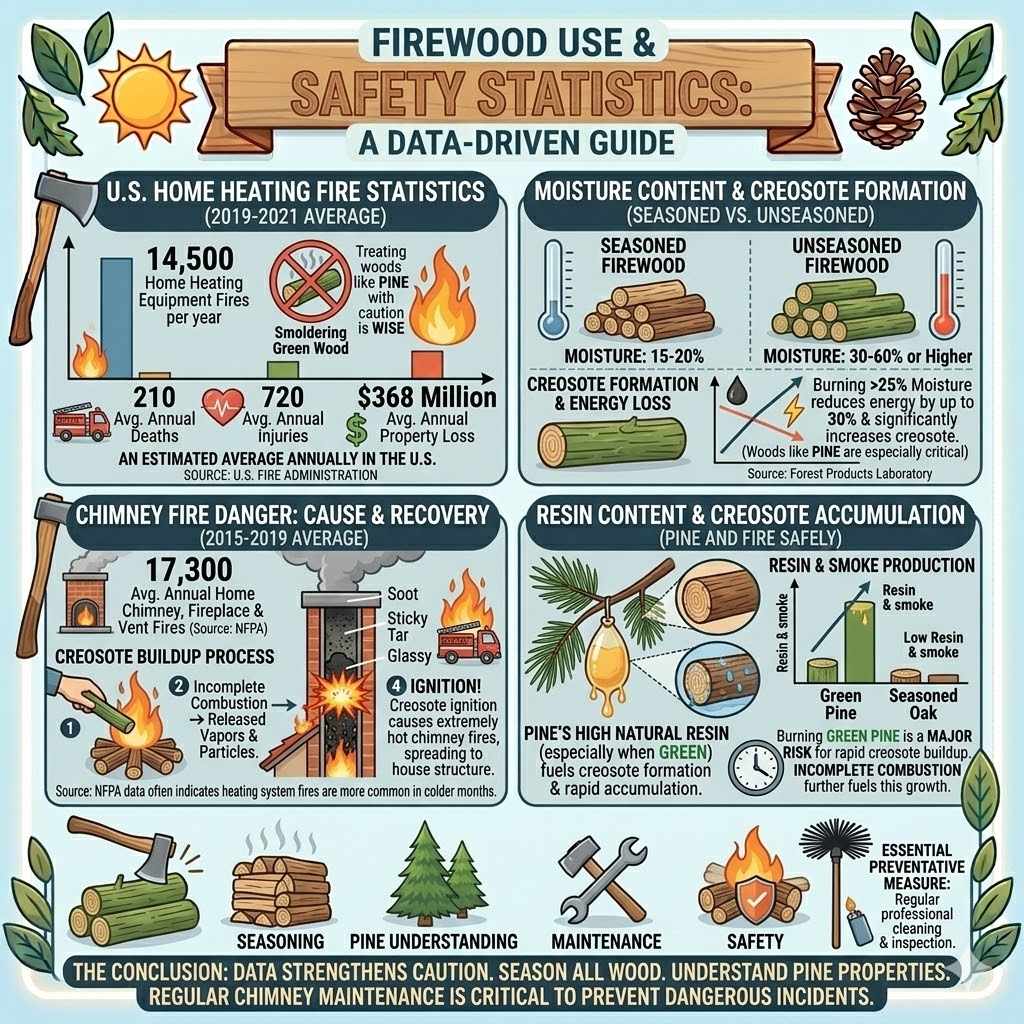
According to the U.S. Fire Administration, heating equipment is a leading cause of home fires. From 2019-2021, an estimated average of 14,500 home fires involving heating equipment were reported annually in the United States.
These fires caused an average of 210 deaths, 720 injuries, and $368 million in property loss each year. Chimney fires, often caused by creosote buildup from burning wood improperly, contribute to this statistic.
A study by the Forest Products Laboratory found that seasoned firewood can have a moisture content of 15-20%, while unseasoned firewood can be 30-60% or even higher. Burning firewood with a moisture content above 25% can reduce its energy content by as much as 30% and significantly increase creosote formation. This highlights the critical importance of seasoning all firewood, especially woods like pine.
Statistics on Chimney Fires
The U.S. Fire Administration also reports on chimney fires specifically. While exact numbers vary by year, a significant percentage of residential fires are linked to chimneys and vents.
For instance, data often indicates that heating system fires, including those originating in chimneys, are more common during colder months. The National Fire Protection Association (NFPA) states that fireplaces, chimneys, and vents were involved in an average of 17,300 reported home fires per year between 2015-2019.
These statistics underscore the potential dangers. Creosote buildup is a primary culprit. A chimney fire burns extremely hot and can quickly spread to the structure of the house if the chimney is not maintained.
Regular professional cleaning and inspection are essential preventative measures against these statistics becoming personal tragedies. Understanding the fuel you burn, like pine, is the first step in preventing such incidents.
Frequently Asked Questions
Question: Is pine wood bad for fireplaces
Answer: Pine wood is not inherently bad for fi
Question: How long does pine firewood need to season
Answer: Properly seasoned pine firewood typically needs to dry for at least six months, but a full year is often recommended. This allows its high moisture content to reduce to around 15-20%. You can tell it’s seasoned when the ends of the logs show cracks, the wood looks grayish and faded, and it feels light and makes a hollow sound when knocked.
Question: Can I mix pine with other firewood
Answer: Yes, you can mix pine with other firewood. Many people use pine to start their fires due to its ease of ignition, and then add denser hardwoods like oak or maple to maintain a longer, hotter burn. This is a common and effective way to utilize pine’s benefits while minimizing its drawbacks.
Question: Will burning pine damage my stove
Answer: Burning seasoned pine in a properly maintained stove is unlikely to cause damage. However, burning unseasoned or excessively resinous pine frequently and inefficiently can contribute to creosote buildup and potentially affect the efficiency of your stove over time. Regular cleaning is key.
Question: Is pine more dangerous than hardwood
Answer: Pine can be considered more dangerous than hardwood if not handled properly because of its higher resin content, which leads to faster creosote buildup. This increases the risk of chimney fires. Hardwoods burn slower and cleaner, making them generally safer for continuous heating, but all firewood requires safe burning practices and chimney maintenance.
Summary
Yes, you can use pine trees for firewood, but it’s important to do so wisely. Season it well, burn it hot with good airflow, and maintain your chimney regularly. Pine is excellent for starting fires or for quick, bright flames.
For steady, long-term heating, hardwoods are a better choice. Follow these tips, and you can enjoy your fire safely.