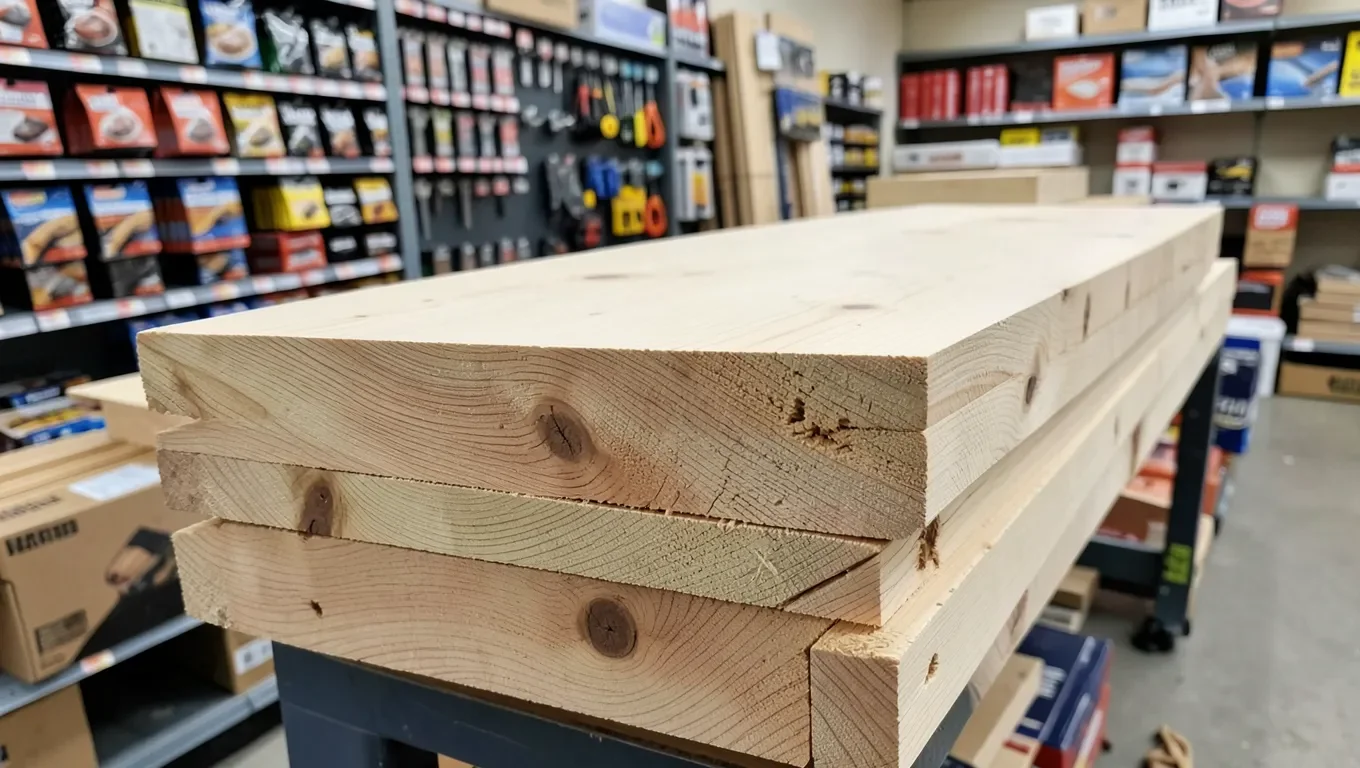
Common Board Vs Pine: Which Wood is Best for You?
“Common board vs pine” is a slightly misleading comparison, because at most home centers, common board is pine – or spruce, or fir, depending on region. “Common board” isn’t a wood species at all; it’s a lumber grade – a utility-grade classification that allows more knots, checks, and color variation than a “select” or “premium” grade board of the same species. The real decision isn’t common board versus pine, it’s grade versus species: how many defects you’re willing to accept, and which specific softwood species you’re actually buying. Here’s how to tell them apart and pick correctly for your project.
What “Common Board” Actually Means
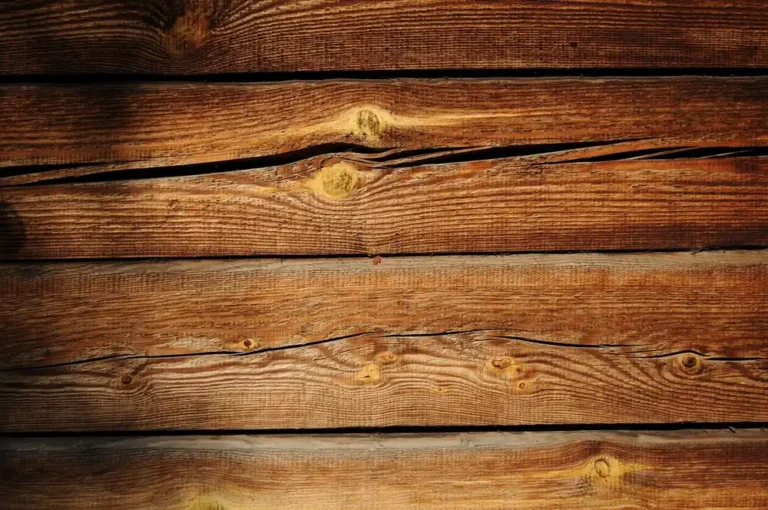
Lumber yards and home centers grade softwood boards by appearance and defect count, not by species. “Common” (sometimes labeled #2 or #3 common) is a mid-to-low grade: it allows visible knots, some checking, and color variation, which is why it’s cheaper than “select” or “premium” grades of the same wood. The species behind a “common board” label varies by region and supplier – it’s frequently SPF (spruce-pine-fir, a grouped lumber category), ponderosa pine, or another regional softwood, rather than one specific tree species.
This matters because two “common boards” from two different stores can behave differently – one might be true pine, another might be spruce or fir with different hardness and grain. If species-specific behavior matters for your project (stain absorption, screw-holding strength), check the actual species printed on the stamp or tag rather than assuming “common board” means one consistent material.
Best For Filling Common Board’s Knots And Gaps
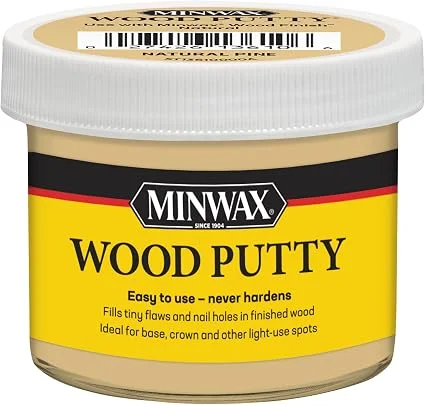 |
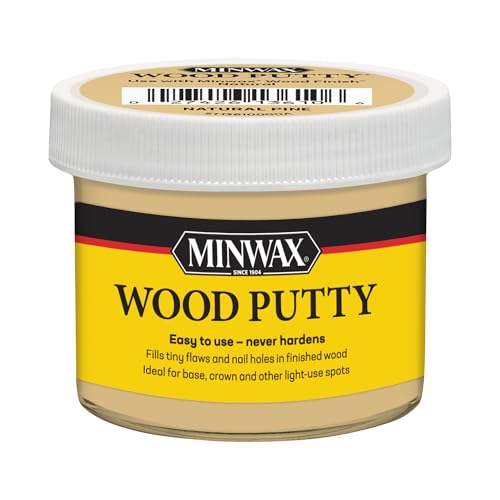
Minwax Wood Putty, Natural Pine, 3.75oz – $7.54 Common-grade boards are graded for MORE knots and checks than premium lumber – this color-matched putty fills them cleanly before staining or painting.
|
Pine Species and Their Differences
When a board is specifically labeled pine, the species behind that label still varies significantly:
- Eastern White Pine: soft, light-colored, easy to work – a common choice for furniture and trim where hand tools are involved.
- Southern Yellow Pine: notably harder and stronger than white pine, common in construction framing where load-bearing strength matters.
- Ponderosa Pine: moderate hardness with large, prominent knots – a distinctive rustic look often sold specifically as knotty pine.
- Sugar Pine: very soft and uniform, prized for carving and pattern work where consistent, easy cutting matters more than strength.
Pine overall is a softwood: easy to cut and shape, but it dents and scratches more easily than hardwoods like oak or maple, and it needs sealing or treatment to resist moisture and decay outdoors.
Grade vs. Species: Making the Real Comparison
| Factor | “Common Board” (a grade) | Pine (a species) |
|---|---|---|
| What it actually describes | Appearance/defect grade – how many knots and checks are allowed | The specific tree species the wood comes from |
| Consistency | Species can vary by store/region | Consistent properties once you know the specific pine type |
| Cost | Cheapest grade available | Varies – select-grade pine costs more than common-grade pine of the same species |
| Best for | Rough framing, shop jigs, projects where knots don’t matter | Furniture, trim, or any project where you need predictable stain/finish behavior |
In practice, a “common pine board” is entirely possible and common – it just means pine lumber graded to allow more visible defects than a premium or select grade. The question to ask at the store isn’t “common board or pine,” it’s “what species is this common-grade board, and is that grade’s knot/defect allowance acceptable for what I’m building?”
Choosing the Right Option for Your Project
- Rough framing, shop jigs, sheds: common-grade lumber of any softwood species is fine – knots and cosmetic defects don’t affect structural framing use.
- Furniture or visible trim: pay for a higher grade (select or better) and check the species – you want fewer knots and predictable grain for a clean finish.
- Staining or painting: know your species before you buy stain – different pine species (and non-pine species sold as “common”) absorb stain unevenly, especially around knots, so a pre-stain wood conditioner is worth using regardless of grade.
- Outdoor projects: untreated common-grade softwood decays quickly outdoors – look for pressure-treated lumber specifically, not just a “common” label.
Conclusion
“Common board” describes a grade, not a species – and that grade is very often pine itself, or another regional softwood like spruce or fir. Instead of treating this as a species comparison, check the actual species on the lumber tag and separately decide what grade (defect tolerance) your project can accept. For rough, hidden work, the cheapest common grade of any softwood does the job; for furniture and visible trim, pay for a higher grade and confirm the specific pine species before you commit to a stain or finish.
Frequently Asked Questions
Is common board the same thing as pine?
Often, yes – “common board” is a lumber grade, not a species, and pine is frequently the species sold under that grade. It can also be spruce or fir depending on the supplier and region, so check the species on the lumber tag rather than assuming.
What does the “common” grade actually allow?
Common grade lumber allows more visible knots, checking, and color variation than select or premium grades of the same species. It’s a cosmetic/structural-appearance classification, not a measure of strength for framing purposes.
Which pine species is best for furniture?
Eastern white pine is the most common choice for furniture because it’s soft, light-colored, and easy to work with hand or power tools. For a rustic look with visible large knots, ponderosa pine (often sold as knotty pine) is a popular alternative.
Should I pay extra for a higher lumber grade?
For hidden structural work like framing or shop jigs, common grade is fine and saves money. For furniture or visible trim where appearance and predictable staining matter, a select or better grade is worth the extra cost.
Sponsored / affiliate links. As an Amazon Associate I earn from qualifying purchases. I may earn additional commission from eligible campaigns.