Is Pine Good for Raised Beds? Treated vs Untreated Explained
Pine is a fine raised bed wood only if you pick the right kind of pine and accept the trade-off. Untreated pine is cheap and safe for vegetables, but it rots within a few years when it sits against wet soil. Pressure-treated pine is built for soil contact, and the university research below suggests modern treatments are a reasonable choice for vegetable beds, though some extension experts still prefer untreated cedar or hemlock.
The confusion comes from the word “pine” itself. At a lumber yard it can mean three quite different boards, and only one of them was ever meant to live in dirt. Here is how to tell them apart, what the extension research says about safety, and how to stretch the life of a pine bed if that is what you are building.
Short Answer: Pine Works, With Conditions
Best Pine Bed Liner Pick
 |
Xiyingcai Heavy Duty Landscape Fabric Liner (160x290cm), $12.99 If you build with untreated pine, a breathable liner stapled inside the bed keeps loose soil from packing against bare board faces.
|
If your priority is the lowest upfront cost and you are happy to rebuild in a few years, untreated pine is a workable choice. If you want a bed that lasts longer without paying cedar prices, ground-contact pressure-treated pine is the usual alternative. If you want zero chemical treatment and a longer life, cedar or hemlock is the safer bet, and our cedar raised bed guide covers that route.
Three Different Boards Sold as “Pine”
Most articles treat pine as one material. In practice the label on the rack decides how long your bed lasts and whether it is safe to grow food next to it.
| Type of pine board | Rot resistance in soil | Chemical treatment | What to know |
|---|---|---|---|
| Untreated whitewood or pine boards | Low. Extension sources say it will not last as long as cedar or treated wood | None | Safe for vegetables, but expect to replace boards within a few years |
| Pressure-treated southern yellow pine, rated for ground contact | High. Built for soil contact | Copper-based preservatives such as ACQ or copper azole (CA) | Check the end tag for a ground contact rating |
| Pressure-treated pine rated for above-ground use only | Moderate. Not built for constant soil contact | Same family of preservatives, lower retention | Cheaper, but the wrong grade for a bed that touches soil all season |
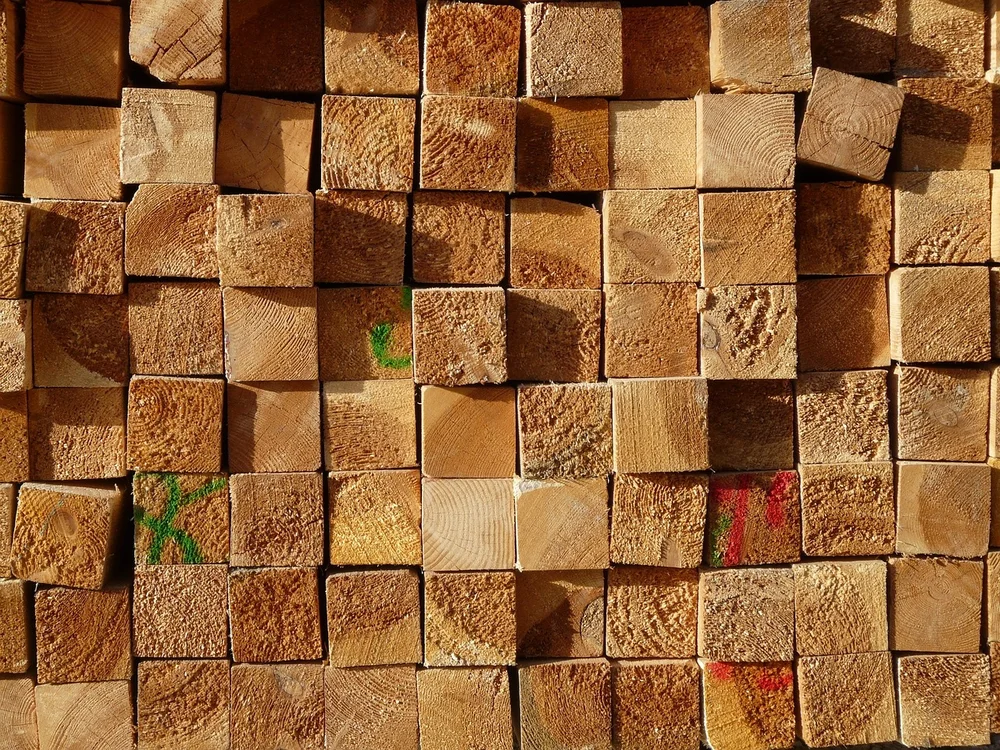
The third row is the trap. A treated board is not automatically a ground-contact board. Ground-contact lumber carries a heavier preservative load (the Southern Pine Council lists 0.40 pcf for ACQ and 0.15 pcf for copper azole at the ground-contact level), and that heavier load is what lets it sit in wet soil for years. For the full breakdown of the ratings, see our guide to treated wood for ground contact.
How Long Does Untreated Pine Last in a Raised Bed?
Nobody publishes a single reliable number, because the answer depends on rainfall, drainage, board thickness and soil contact. What the sources do agree on is direction. The University of Saskatchewan says untreated wood beds will rot and warp within a few years, and an Ask Extension answer confirms untreated pine will not last as long as treated lumber, cedar or redwood. Gardener reports commonly land around five to six years for a decent bed in a moderate climate, and less in a wet one.
Two things shorten that life more than the species does. Thin 1x boards have less wood to lose than 2x boards, and boards sitting directly on bare, damp ground rot from the bottom edge first. The joints and the bottom course are where a pine bed usually fails.
The break-even math most guides skip
Cost per year is just board cost divided by years of service. If ground-contact treated boards cost 1.5 times as much as untreated pine for the same bed, they only need to last 1.5 times as long to break even, and rebuilding also costs you a weekend of labor plus the hassle of moving soil. Use your own local prices in that calculation instead of a generic figure, because lumber prices swing a lot by region and season.
Is Treated Pine Safe for Vegetables?
This is where old advice and current research part ways. Chromated copper arsenate (CCA) was the dominant preservative until manufacturers agreed with the EPA to stop using it for residential lumber by the end of 2003. Ask Extension says the newer ACQ-treated wood used since then is safe for use in raised beds, in contrast with the older arsenic-based treatments.
The most specific data comes from Oregon State University Extension. Researchers built beds from copper azole (CA-C) treated lumber rated for ground contact and tracked soil and crops over four growing seasons. Copper rose by roughly 20 to 68 ppm above the untreated comparison, but only within about 1 inch of the bed edge, and they found no increase in the copper content of the vegetables and herbs grown in those beds. OSU advises using only preservatives approved for residential use and lumber rated for ground contact.
Not every expert lands in the same place. The University of Maine Extension notes that modern treated wood is much safer than old formulations, but that some leaching still occurs, and it points to gardener contact with the wood as the main concern. It recommends untreated hemlock or cedar instead, which it reports staying sound for at least six to seven years. The University of Saskatchewan goes further and does not recommend treated lumber for vegetables at all. So the honest summary is that the research supports modern treated lumber as low-risk, while the cautious camp prefers to avoid the question entirely.
- Never reuse old treated lumber of unknown age. Boards from an old deck or fence may predate the 2004 switch away from CCA. This is a precaution rather than a quoted rule, but there is no reason to gamble on it.
- Line the inside with fabric if you are worried about contact between soil and treated faces. University of Maine lists plastic barriers as a mitigation, though it prefers untreated rot-resistant wood.
- Wash your hands and wear gloves when cutting or handling treated boards, and do not burn the offcuts. Our page on using treated wood for raised beds goes deeper on the safety question.
Pine Raised Bed Myths, Corrected
| Common claim | What the evidence says |
|---|---|
| Pine naturally resists rot | It does not. Sources describe untreated pine as short-lived in soil compared with cedar, redwood or treated lumber |
| Pine acidifies your beds | That idea comes from pine needles and bark mulch, not from lumber. We found no extension source describing boards changing soil pH; test your soil if you are unsure |
| Treated wood poisons vegetables | Not according to the OSU study of copper azole lumber: no measurable copper increase in the crops. Old CCA lumber is a different story |
| A sealer makes pine last for decades | Sealers can slow moisture uptake, but soil contact still rots the wood. Also confirm any product is labeled safe near edible plants before using it inside a bed |
How to Make a Pine Raised Bed Last Longer
- Use 2x lumber, not 1x. Thicker boards give rot more wood to chew through.
- Lift the bottom course off bare soil. A base of gravel, pavers or a compacted drainage strip stops the lowest boards from sitting in standing water.
- Line the inside with breathable fabric and staple it above the soil line so it drains. This reduces soil packing against the boards but does nothing for the outside faces.
- Use exterior fasteners. Screws rated for outdoor and treated-wood use hold better than interior screws that corrode and loosen. Copper-treated lumber in particular can corrode plain steel hardware.
- Do the rot checks yearly. Poke the bottom edge and corners with a screwdriver each spring. Soft spots mean replace that board now, not next year.
For protecting the outside faces, our guides on what to seal pine with and treating pine for outdoor use cover the finishes, and lining wooden planter boxes shows the liner step in detail.
Pine vs Cedar vs Treated Lumber at a Glance
| Wood | Rot resistance | Food-garden concern | Best when |
|---|---|---|---|
| Untreated pine | Low | None from chemicals | Tight budget, short-term or trial beds |
| Ground-contact treated pine | High | Small copper rise near the board edge in OSU tests; none in crops | You want a long life at moderate cost |
| Cedar or hemlock | Naturally durable; University of Maine reports beds sound for at least 6 to 7 years | None from chemicals | You want no treatment and can pay more |
Still comparing woods for other outdoor projects? See cedar vs pine and whether pine is good for outdoor use, or the broader best wood for garden boxes roundup.
Frequently Asked Questions
Is pine safe to use for a vegetable garden bed?
Untreated pine adds no chemicals to your soil, so it is safe for vegetables. Pressure-treated pine made with modern copper-based preservatives showed no copper increase in crops in an Oregon State University study, though some extension experts still recommend untreated cedar or hemlock. Avoid old treated lumber of unknown age.
How long will a pine raised bed last?
Untreated pine typically survives a few years in wet soil; gardener reports often fall around five to six years, and less in wet climates. Ground-contact treated pine is built to last longer, and thicker boards, drainage and a raised bottom course all add years.
Should I use treated or untreated pine for raised beds?
Use untreated pine if you want no chemical treatment and accept a shorter life. Use lumber rated for ground contact if you want durability, and confirm it was treated after the 2004 shift away from CCA. If you are cautious about treated wood, choose cedar or hemlock instead.
Do I need to line a pine raised bed?
A liner is optional. Breathable fabric on the inside keeps soil off the wood and helps drainage, which can slow decay on the inside faces, but it does not protect the outside of the boards from ground moisture.
Bottom Line
Pine is a budget wood, not a long-life wood. Buy untreated pine if you want the cheapest chemical-free bed and are fine rebuilding, buy ground-contact treated pine if you want longevity and are comfortable with the OSU findings, and step up to cedar if you want both durability and no treatment. Whichever you choose, use 2x boards and keep the bottom edge out of standing water.
Sources
- Oregon State University Extension, Pressure-treated wood for raised bed construction in Oregon
- University of Maine Cooperative Extension, Is it safe to use pressure-treated lumber for raised garden beds?
- University of Saskatchewan, What kind of wood is safe for growing vegetables
- Ask Extension, Raised Garden Bed Materials
- Southern Pine Council, Pressure-Treated Southern Pine
Sponsored / affiliate links. As an Amazon Associate I earn from qualifying purchases. I may earn additional commission from eligible campaigns.