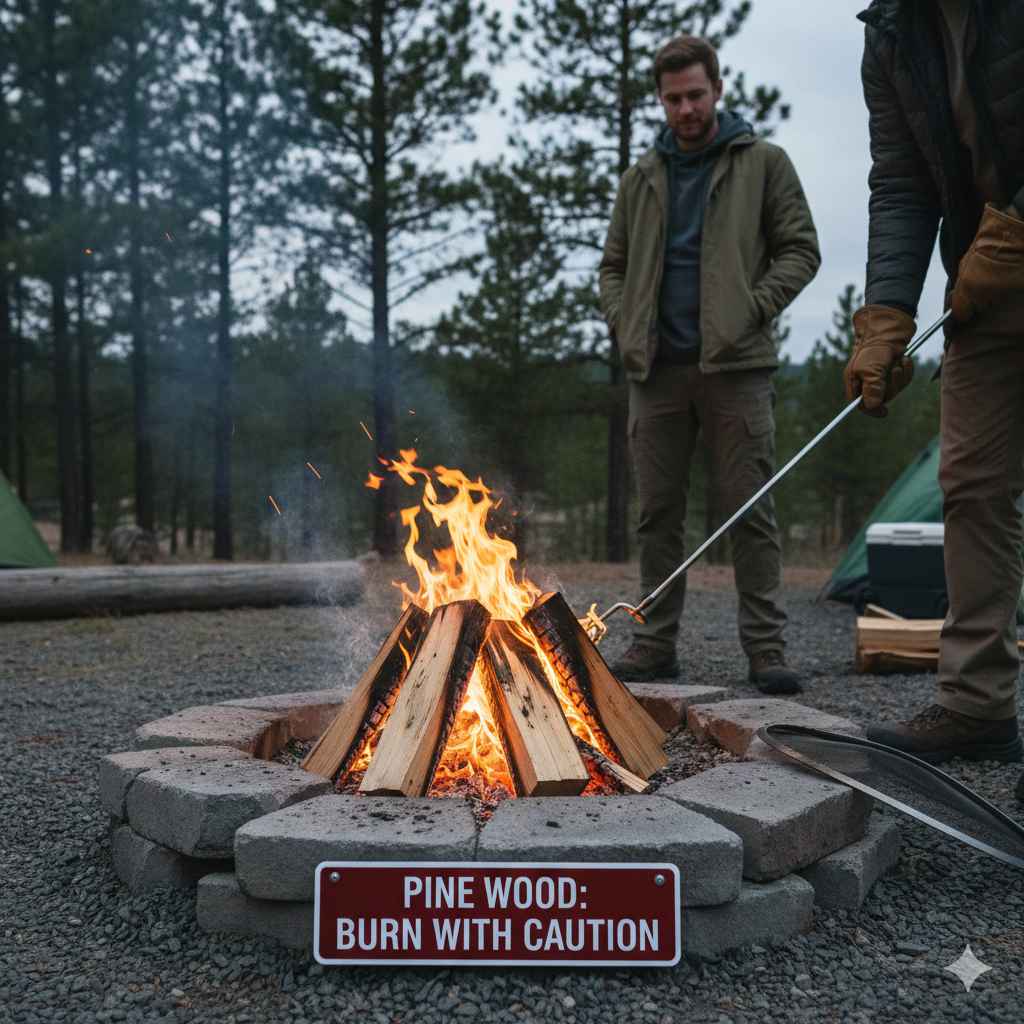
Can You Burn Pine Wood in a Fire Pit Safely?
Yes, pine is safe to burn in an outdoor fire pit, and the “never burn softwood” advice you’ll see repeated everywhere is really about wood stoves and chimneys, not open-air pits. The real differences between pine and a hardwood like oak come down to resin content and burn speed — here’s what that actually changes and how to manage it.
Why the Indoor Warning Doesn’t Fully Apply Outdoors
Best Way To Confirm Firewood Is Actually Dry
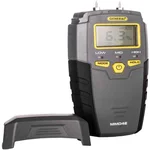 |
General Tools MMD4E Pin-Type Moisture Meter – $20 Skip the guesswork — press the two pins into a split log and get an actual percentage instead of tapping and hoping.
|
The common warning against burning pine comes from chimney and wood-stove use, where pine’s higher resin content deposits more creosote inside a flue over repeated burns — a real fire-hazard buildup in an enclosed, reused chimney. An open-air fire pit doesn’t have a flue to accumulate creosote in, so that specific risk mostly doesn’t apply. What does carry over outdoors is pine’s faster burn rate and higher spark production, both driven by the same resin content that causes the indoor creosote problem.
Hardwood vs. Softwood: The Real Numbers
| Wood Type | Burn Time | Smoke | Sparks | Ease of Lighting |
|---|---|---|---|---|
| Oak | Long | Low | Low | Moderate |
| Maple | Long | Low | Low | Moderate |
| Birch | Moderate | Moderate | Moderate | Moderate |
| Pine | Short | High | High | Easy |
Pine’s density is roughly half that of oak, which is the whole story in one number: less mass per log means less stored energy, so pine burns faster and runs through your wood pile quicker, but also catches easier with less kindling. A mixed fire — pine to get things going, hardwood added once it’s established — gets you the easy start without needing to babysit the pile all night.
Seasoning Is the Variable That Matters Most
Green (unseasoned) pine can run 50% or more moisture content by weight; properly seasoned pine should read under 20% on a wood moisture meter, ideally 15-18%. That gap is the difference between a fire that’s genuinely difficult to keep burning and pours out white steam-heavy smoke, versus one that catches fast and burns relatively cleanly for a softwood. Pine typically needs 6-12 months of covered, off-ground storage to season properly — tap two pieces together and listen for a hollow crack (seasoned) versus a dull thud (still wet), and look for checking (small cracks) at the cut ends.
Fire Pit Safety Basics (These Apply to Any Wood, Not Just Pine)
- Clearance: Keep the fire pit 10-15 feet from structures, fences, and overhanging branches — check your local fire code, since exact required distances vary by municipality.
- Surface: Set up on concrete, gravel, or bare dirt — never a wood deck or dry grass.
- Wind: Position so smoke and sparks blow away from seating, structures, and neighboring properties, and skip the fire entirely on a notably windy day.
- Spark control: A metal spark screen is worth using with pine specifically, since its higher resin content does throw more sparks than a hardwood fire.
- Extinguishing: Keep water or an extinguisher within reach, and never leave a lit pit unattended.
Ash and Creosote Cleanup
Pine leaves more creosote residue in the ash than hardwoods do, which is flammable and worth handling carefully even outdoors. Let ash cool completely — a bed of ash can hold enough heat to reignite for 24 hours or more — before scooping it into a metal container with a lid, stored away from anything flammable. Clean the fire pit itself periodically; built-up creosote residue on the pit’s interior surface is one more thing that can catch when you start your next fire.
When to Skip Pine and Use a Hardwood Instead
Choose oak, maple, or another dense hardwood over pine when: you’re new to managing a fire pit and don’t want to deal with extra sparks and smoke; it’s windy enough that flying sparks are a real concern; a local fire advisory or burn ban is in effect (many specifically restrict resinous softwoods due to spark risk); or you want a fire that lasts through a long evening without constant reloading. Pine’s advantages — easy lighting, low cost, wide availability — are real, they just come with tradeoffs a hardwood doesn’t have.
Frequently Asked Questions
Is pine firewood safe to burn in a fire pit?
Yes. The main warning against pine applies to enclosed chimneys and wood stoves, where its resin content builds up creosote in the flue. An open fire pit has no flue, so the bigger practical concerns outdoors are extra smoke and sparks, both manageable with properly seasoned wood and a spark screen.
How can I reduce smoke when burning pine?
Use pine that’s been seasoned 6-12 months to under 20% moisture, ensure good airflow around the fire, and avoid overcrowding the pit with too much wood at once.
Can I mix pine with hardwood in a fire pit?
Yes, and it’s a good strategy. Use pine to get the fire started easily, then add hardwood like oak or maple once it’s established for a longer, steadier, lower-spark burn.
Sponsored / affiliate links. As an Amazon Associate I earn from qualifying purchases. I may earn additional commission from eligible campaigns.