Can You Use Self Leveling Compound on Wood Subfloor: Expert Tips
Are you planning a home renovation and wondering if you can use self-leveling compound on your wood subfloor? You’re not alone!
Many homeowners face this exact dilemma, eager to create a smooth, even surface before laying new flooring. The good news is, you’re about to discover the secrets to achieving a flawless finish that will make your floors the envy of all who see them.
But, before you dive in, there are crucial factors you need to consider to ensure success. Stick with us, and you’ll learn how to make your floor both beautiful and durable. Imagine walking on a perfectly leveled floor that not only looks stunning but also stands the test of time. Ready to transform your space? Let’s get started!
Credit: www.diytileguy.com
Preparing Wood Subfloor
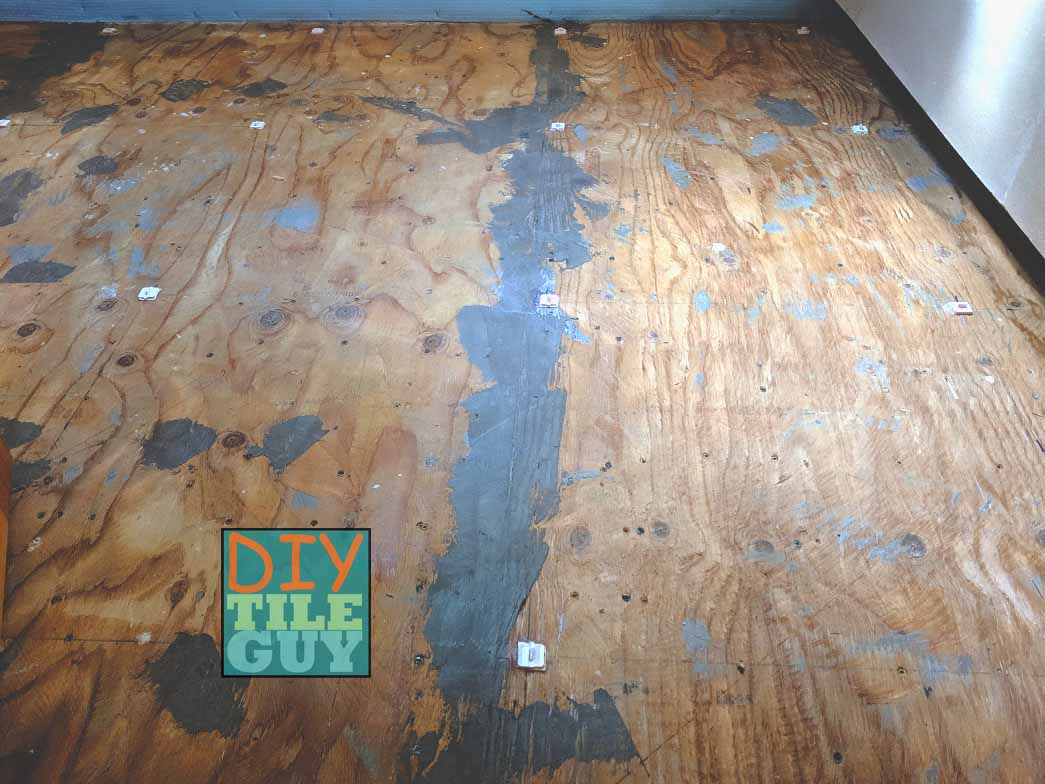
Dirt and dust can affect the leveling compound. Vacuum the floorto remove debris. Check for any loose boards. Tighten the screwsto secure them. Repair any cracks or gaps. Use wood filler for small gaps. Allow the filler to dry fully. Sand the area smooth. This helps the leveling compound stick better.
A stable floor is necessary for good results. Check for uneven surfaces. Use a straight edge or a level tool. Identify any dips or high spots. Fill dips with wood filler. Sand down high spots. Ensure the wood is dry. Moisture can cause problems. Use a moisture meterto check levels. Keep the room temperature stable. Avoid extreme heat or cold. This helps the compound to set properly.
Choosing The Right Self Leveling Compound
There are many types of self leveling compounds. Some are cement-based, while others are gypsum-based. Cement-based compounds are strong and durable. Gypsum-based ones are lightweight. Each type has its own benefits. Choose wisely.
Wood subfloors need special care. Not all compounds work well with wood. Check if the compound is compatible with wood. Some compounds can damage wood. Others may not stick properly. Always read the label. Look for wood-friendly options. This ensures a good finish.
Application Techniques
Applying self-leveling compound on a wood subfloor requires careful preparation. Ensure the wood is clean and primed for adhesion. This technique provides a smooth, even surface, ready for further flooring installation.
Mixing Instructions
Mix the self leveling compound with water. Follow the package instructions closely. Use a bucket and a mixing paddle. Stir until smooth and lump-free. Check the consistency by pouring a little on the ground. It should flow easily. Make sure to mix only what you need. It dries quickly.
Pouring Process
Pour the mixed compound onto the wood subfloor. Start in the corner farthest from the door. Work your way out of the room. Pour slowly to avoid splashes. Use a large container for easy pouring. Keep a steady hand while pouring. This ensures an even layer.
Spreading And Leveling
Spread the compound using a trowel. Move the trowel gently across the surface. Fill any gaps or dips. Check that the compound is level. Look for high spots and smooth them out. Work quickly before it starts to set. Let it dry completely before walking on it.

Credit: www.youtube.com
Drying And Curing
Using a self-leveling compound on a wood subfloor can be effective. Ensure the wood is clean and stable. This preparation helps the compound adhere properly, creating a smooth surface for your flooring.
Time Considerations
Drying time is very important. Self leveling compound needs time to set. Usually, it takes 24 to 48 hours. This is the time for it to dry well. Patience is key here. Rushing can cause problems. The surface might crack or not be smooth. Always check the product instructions. They tell you the best time to wait. Follow these instructions carefully.
Environmental Factors
Weather can affect the drying process. If it’s too cold, drying takes longer. Humidity can also slow down the process. A room that’s too humid needs more time. Try to keep the room warm and dry. Use fans or heaters if needed. These tools help speed up drying. But be careful not to overheat. Moderation is important for a perfect finish.
Common Mistakes To Avoid
Applying self leveling compound on wood subfloors can lead to potential issues. Ensure the wood is stable and dry. Avoid ignoring manufacturer recommendations to prevent flooring problems.
Ignoring Subfloor Issues
Many people forget to check for subfloor problemsbefore starting. This can cause big issues later. A wood subfloor might have cracksor be uneven. Always inspect for these problems first. Fixing them can save a lot of trouble. Skipping this step can make the compound not work well. It may crack or not stick properly. This can lead to more repairs. Taking time to fix subfloor issues is very important.
Incorrect Mixing Ratios
Mixing the compound needs care. Using the wrong amounts can cause problems. Too much water makes it too runny. It will not set well. Too little water makes it too thick. It will not spread well. Always follow the instructions on the bag. Proper mixing helps the compound work right. It makes the floor smooth and strong. Avoid guessing and use the right ratio every time.

Credit: www.youtube.com
Maintenance Tips
Applying self-leveling compound on wood subfloor requires careful preparation. Ensure the wood is clean, dry, and stable to prevent issues. Priming the surface can enhance adherence, providing a smooth, even finish.
Post-installation Care
Keep your wood subfloor clean after using self leveling compound. Dust and dirt can harm the surface. Use a soft broom or vacuum regularly. Avoid using harsh chemicals that may damage the compound. A mild soap solution is best for cleaning.
Routine Inspections
Inspect the subfloor often for cracks or uneven spots. Early detection of problems ensures easy repair. Check for moisture or water leaks. Moisture can lead to warping or damage. Fix leaks quickly to protect your subfloor. Regular checks keep your floor smooth and safe.
Frequently Asked Questions
Does Self Levelling Compound Stick To Wood?
Self-levelling compound can stick to wood if the surface is properly prepared. Clean and sand the wood first. Use a primer designed for wood surfaces to enhance adhesion. Follow the manufacturer’s instructions for best results. Ensure the wood is stable to prevent cracking or shifting.
How Do You Level An Uneven Wood Subfloor?
To level an uneven wood subfloor, sand high spots and fill low areas with a floor leveling compound. Ensure a clean surface before applying the compound. Use a straightedge to check for evenness. Allow the compound to dry completely, then sand for smoothness if needed.
When Should You Not Use Self Leveler?
Avoid using self-leveler on surfaces with moisture issues or where it can’t bond, like oily or dusty floors. Don’t apply on excessively uneven surfaces or over soft substrates. It’s unsuitable for outdoor use or areas exposed to extreme temperature changes.
Ensure the surface is clean and stable.
Do You Need To Prime Plywood Before Using A Self Leveler?
Priming plywood is essential before applying a self-leveler. It ensures better adhesion and prevents moisture absorption. Follow manufacturer instructions for the best results. Proper preparation leads to a smooth, durable floor surface.
Conclusion
Using self-leveling compound on a wood subfloor is possible. Just follow the right steps. First, prepare the surface well. Clean it thoroughly. Make sure it’s dry. Next, use a primer. It helps the compound stick better. Then, mix the compound carefully.
Pour it evenly over the floor. Spread it with a trowel. Let it dry completely. This creates a smooth surface. Ideal for many flooring types. Always check for compatibility. Consult a professional if unsure. This ensures the best results. A well-prepared floor lasts longer.
It saves time and money in the long run.