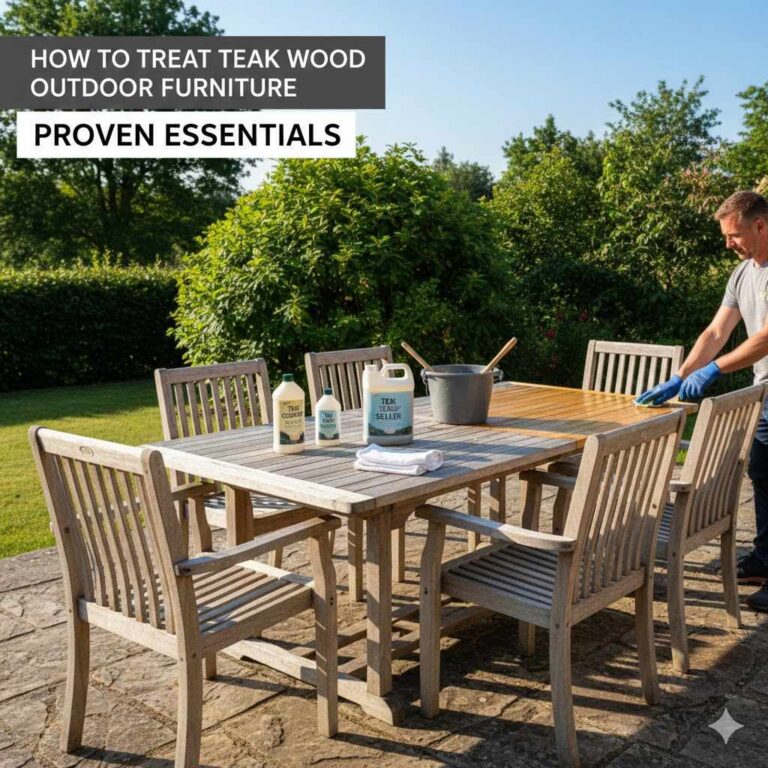
Can You Use Teak Oil on IPE Wood? Unlock the Secrets!
Yes, you can use teak oil on IPE wood. Teak oil enhances the natural beauty and provides protection against moisture.
IPE wood, known for its durability and resistance to decay, is a popular choice for outdoor furniture and decking. While it naturally withstands harsh weather conditions, applying teak oil can further enrich its color and grain. This oil penetrates deep into the wood, offering a protective barrier against UV rays and moisture.
Many homeowners appreciate the warm, rich finish teak oil imparts, which complements IPE’s natural hues. Regular application helps maintain IPE’s appearance over time, making it a worthy investment for both aesthetics and longevity. Understanding the care and maintenance of IPE wood ensures it remains a stunning feature in your outdoor space.
The Allure Of IPE Wood
IPE wood is known for its strength and durability. It is one of the hardest woods available. This makes it perfect for outdoor projects. IPE can withstand harsh weather conditions. Its natural resistance to insects and decay is impressive.
The rich color of IPE wood adds beauty to any space. It can range from a warm brown to a deep mahogany shade. Over time, it can develop a silver-gray patina if left untreated. This natural aging is often admired by many.
| Common Uses of IPE |
|---|
| Decking |
| Furniture |
| Fencing |
| Boardwalks |
| Outdoor Structures |

Teak Oil: A Popular Choice For Wood Finishing
Teak oil is a popular choice for finishing wood surfaces. It enhances the natural beauty of wood while providing protection. This oil is derived from the teak tree, known for its durability.
Some key properties of teak oil include:
- Water resistance
- UV protection
- Easy application
- Deep penetration
Using teak oil offers several benefits for wood preservation. It helps prevent cracking and warping. This oil also guards against moisture and insects. Regular application keeps wood looking fresh and vibrant.
Comparing Teak And IPE: A Woodworker’s Perspective
Teak and IPE woods have different properties. Teak is known for its high oil content, making it naturally resistant to water. IPE is denser and lasts longer, but it requires more care. Both woods are durable, but their density affects weight and strength. Teak is lighter, making it easier to work with.
Maintenance for each wood type varies. Teak needs less frequent oiling. IPE requires regular treatment with oils or sealants to maintain color. Both woods benefit from proper cleaning. Avoid harsh chemicals to prevent damage.
The Compatibility Debate: Teak Oil On IPE
Using teak oil on IPE wood can have some benefits. It may enhance the wood’s natural beauty. This oil can help protect against moisture and UV rays. IPE wood is very dense and often needs care.
There are also some drawbacks. Teak oil may not penetrate deeply into IPE. This means it might not offer the same level of protection. Over time, the finish can become sticky or tacky. Regular maintenance is necessary to keep the wood looking good.
| Benefits | Drawbacks |
|---|---|
| Enhances natural beauty | May not penetrate deeply |
| Protects against moisture | Can become sticky over time |
| Offers UV protection | Requires regular maintenance |
Expert Opinions On Teak Oil And IPE
Many woodworking professionals share their thoughts on using teak oil on IPE wood. Some suggest that teak oil can enhance the wood’s natural beauty. Others warn it may not provide sufficient protection against weather.
Experts emphasize that IPE wood is very dense and durable. It often requires specific treatments for best results. Teak oil might not penetrate deeply enough for long-lasting effects.
Some professionals recommend using products made specifically for IPE wood. These products offer better protection and preserve the wood’s integrity. Always consult with experts before making any decisions.
Application Techniques For Best Results
Start by cleaning the IPE wood surface. Use a mild detergent and water. Rinse thoroughly and let it dry completely.
Next, sand the surface lightly. Use fine-grit sandpaper to smooth out rough areas. This helps the oil soak in better.
Before applying teak oil, test it on a small area. This ensures you like the color and finish. Once satisfied, use a brush or cloth for application.
Apply the oil evenly across the wood. Make sure to cover all areas. Allow the oil to penetrate for about 15 minutes.
Wipe off any excess oil with a clean cloth. This prevents a sticky residue. Let the wood dry for at least 24 hours before using.
Maintaining IPE Wood’s Beauty
Maintaining IPE wood is essential for its long-lasting beauty. Regular cleaning keeps the surface clear of dirt. Use a soft brush and mild soap. Rinse thoroughly with water afterwards.
Apply teak oil to enhance the wood’s natural color. This oil helps protect against moisture and UV rays. Make sure to follow the manufacturer’s instructions for best results.
Inspect the wood regularly for signs of wear. Sand any rough spots to keep the surface smooth. Reapply teak oil every six months to maintain its shine.
Store IPE wood furniture in a shaded area. This prevents fading and cracking from the sun. Cover it during harsh weather to prolong its life.
Real-life Examples: Success Stories And Cautionary Tales
Many woodworkers find success using teak oil on IPE wood. This oil enhances the wood’s natural beauty and provides protection against weathering. Some users report a deep, rich color after application. The wood retains its vibrancy with regular maintenance.
Challenges arise for some woodworkers. IPE wood is dense and can be hard to absorb oils. Proper preparation is crucial for the best results. Some users struggle with uneven application or dry spots. Testing on a small area helps ensure success.
Despite these challenges, many find the results worth the effort. The right techniques can lead to stunning finishes. Using teak oil on IPE wood can be a rewarding experience.
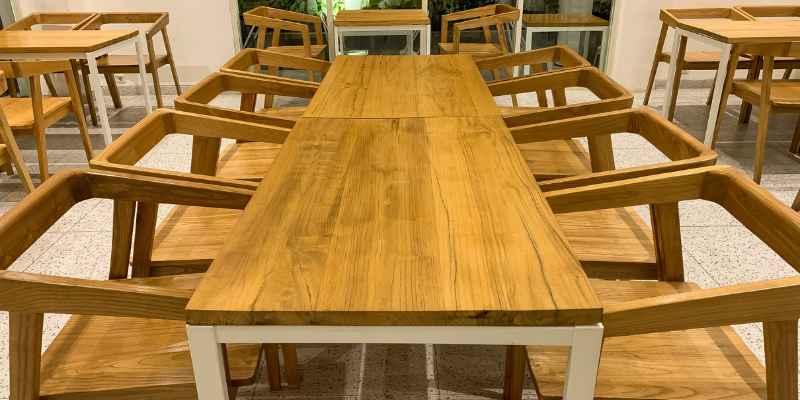
Frequently Asked Questions
Can You Apply Teak Oil On IPE Wood?
Yes, you can apply teak oil on IPE wood. Teak oil enhances the wood’s natural beauty and provides some level of protection. However, it may not penetrate as deeply as other oils. Consider using a specific wood finish designed for dense hardwoods for optimal results.
Does IPE Wood Need Oiling?
IPE wood does not necessarily require oiling. It is naturally resistant to moisture, decay, and insects. However, applying oil can enhance its appearance and provide additional protection. Regular maintenance can help maintain its rich color and prevent graying over time.
How Often Should You Oil IPE Wood?
You should oil IPE wood every 6 to 12 months. This frequency helps maintain its appearance and protect against weathering. Factors like exposure to sunlight and moisture can affect how often you need to apply oil. Always check the wood’s condition before reapplication.
What Is The Best Oil For IPE Wood?
The best oils for IPE wood include teak oil and penetrating oils. Teak oil is popular for enhancing color and grain. However, oils specifically formulated for dense hardwoods can provide better protection. Always choose an oil that suits your specific needs and environmental conditions.
Conclusion
Teak oil can enhance the beauty of IPE wood, but it’s not always the best choice. Consider your wood’s specific needs before applying any finish. Proper maintenance is key for longevity. Explore other options too, ensuring your IPE wood remains stunning and protected for years to come.
Choose wisely for lasting results.