8 Teak Wood Wall Decor Ideas for a Timeless, Elegant Space
Teak wall decor works because teak’s tight, oily grain resists warping and fading better than most decorative hardwoods — its Janka hardness of 1,000 to 1,155 lbf sits between walnut and red oak. Left unsealed in direct sun, though, a panel can gray within a year. This guide covers eight ways to use teak on your walls, real cost ranges, and how to keep the color from fading.
Quick Answer
Pre-oiled teak panels or floating shelves run roughly $20–$45 per square foot installed; smaller carved wall art pieces run $60–$200 each. Dust weekly, re-oil every 2–3 months if the piece gets direct sun, and skip sealing entirely for spots with no UV exposure — teak’s natural oils already do most of the work indoors.
What Makes Teak Different for Wall Decor
Best Teak Wall Art Pick
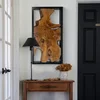
Warmaxx Teak Natural Wood Wall Art, 31.6″ x 15.8″
A reclaimed teak slice set into a mahogany frame — a low-effort way to get real teak grain on a wall without a full panel install.
- Best for: a single statement piece above a console or sofa
- Why we picked it: real teak (not veneer print), pre-finished, keyhole mount hardware included
- Main drawback: large piece — needs roughly 32″ of clear wall width
Compare more teak wall decor options
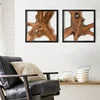 Option 1 JOLLYMER Live Edge Teak Wall Decor, 2-Pack
|
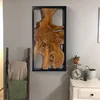 Option 2 Greenage Teak Wall Decor, 17″ x 31.5″
|
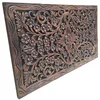 Option 3 Asiana Carved Teak Wall Relief Panel
|
As an Amazon Associate we earn from qualifying purchases.
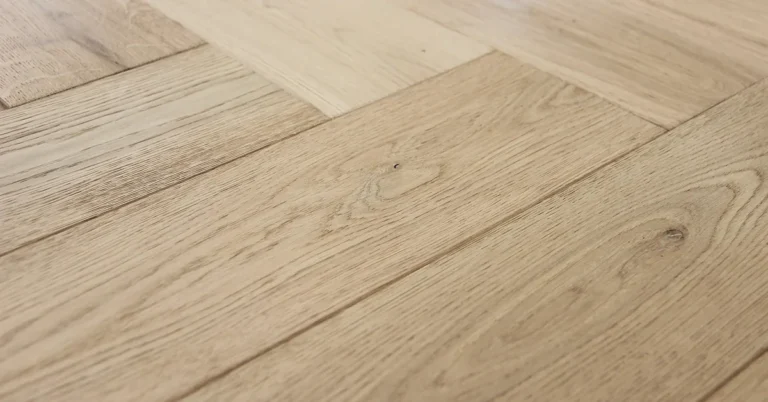
Teak is a tropical hardwood that produces its own natural oils and silica, which is why it resists rot, insects, and moisture without a finish — the same reason it’s the standard for boat decking. On a wall, that means less warping across seasonal humidity swings than you’d get from oak or pine paneling. Its Janka hardness of 1,000–1,155 lbf makes it roughly as hard as black walnut and a bit softer than red oak, so it takes dents and scratches better than cedar or pine but carves less easily than softer species — teak’s high silica content is also what dulls carving tools faster, which is part of why hand-carved teak pieces cost more than machine-cut panels.
None of that means teak needs constant upkeep. Indoors, away from direct sun, teak holds its honey-brown color for years with nothing more than dusting. For the full breakdown of teak’s natural color range and what drives its price, see our teak color guide and teak cost breakdown — or browse our full teak wood hub for cleaning, restoring, and buying guides beyond wall decor.
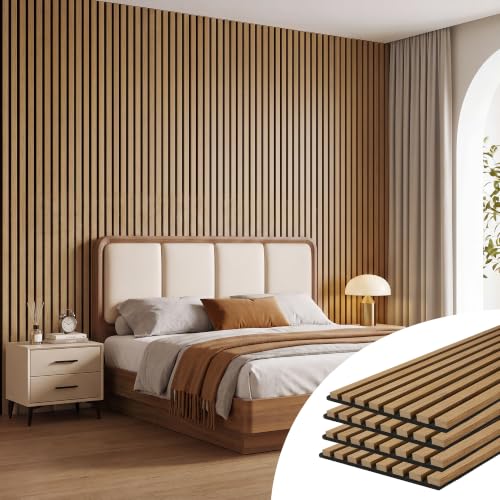
1. Classic Teak Wood Wall Panels
Teak wall panels turn a plain wall into a textured focal point without the maintenance of a full accent wall. Sleek, sanded panels read modern; leaving the natural grain and mineral streaks visible reads more rustic. Most residential wall paneling runs $7–$25 per square foot for MDF or engineered options, but solid hardwood panels — including teak — typically land at the premium end of that range, often $25–$45+ per square foot installed, since you’re paying for a slow-growing tropical hardwood rather than plantation softwood.
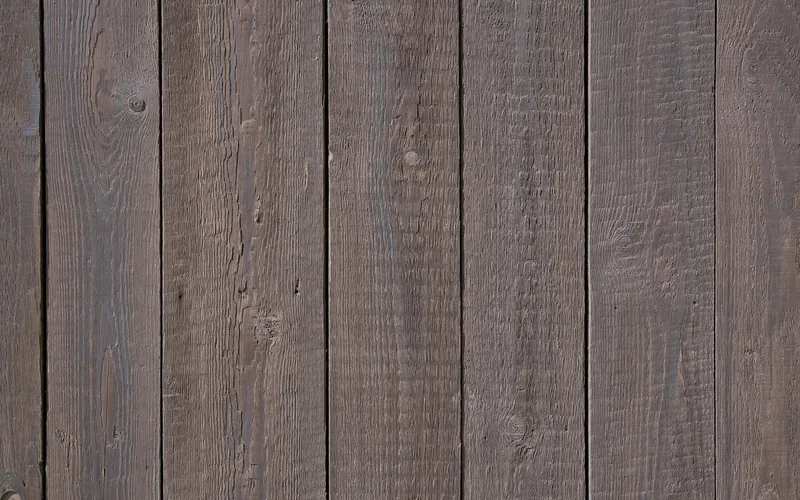
Measure the wall carefully before ordering panels, and buy 10% extra to cover cutting waste. Use a level and a straight guide cut when trimming panels to fit. Most pre-finished panel systems interlock on a mesh backing and mount with panel adhesive rather than face-nailing, which keeps the surface clean. Leave a small gap — roughly 1/8 inch — between panels; teak moves slightly with seasonal humidity, and a tight-fit installation is what causes buckling a year later, not the wood itself.
2. Teak Wood Floating Shelves
A single teak floating shelf does more for a wall than a full panel installation costs, and it’s functional. Mount it with concealed floating-shelf brackets rated for at least 20 lbs per bracket if you plan to display anything beyond light decor — ceramics and stacked books add up faster than people expect. See our guide on choosing wood for floating shelves for bracket spacing and load specifics.
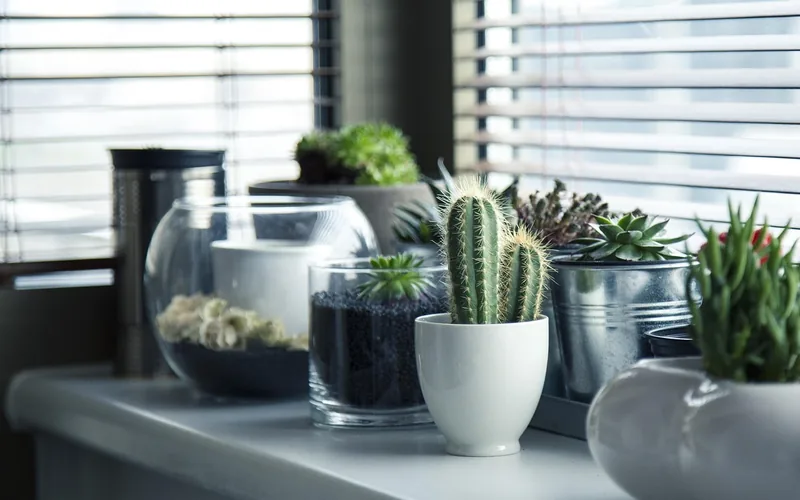
Style in odd numbers — three or five objects reads more intentional than an even, symmetrical arrangement. Mix a plant, a stack of two or three books, and one taller object (a small vase or a framed photo) rather than lining up matching items. In a living room, a shelf above the sofa back works at roughly eye level when seated, about 60–65 inches from the floor.
3. Teak Wood Art Pieces
Teak art pieces split into two camps: carved relief work, where a design is cut into a solid slab, and assembled pieces, where cut or live-edge teak sits inside a frame. Carved pieces cost more — teak’s silica content dulls carving tools quickly, which is part of why hand-carved panels run higher than framed cut pieces of a similar size. For a full survey of teak art beyond wall pieces — furniture, outdoor pieces, and more — see our teak wood art ideas guide.
Match the piece to the room: detailed carvings suit a formal or traditional space, while a single geometric or live-edge slab suits a modern one. Check the finish before buying — an oiled matte finish shows grain best, while a lacquered gloss finish is more scratch-resistant but reflects light in a way that can wash out fine carving detail.
4. Teak Wood Mirror Frames
A teak-framed mirror does double duty: it’s wall decor and it bounces light into the room, which makes it one of the better options for a wall that otherwise gets little natural light. Clean-lined, narrow frames read modern; wider, carved, or distressed frames read classic or rustic.
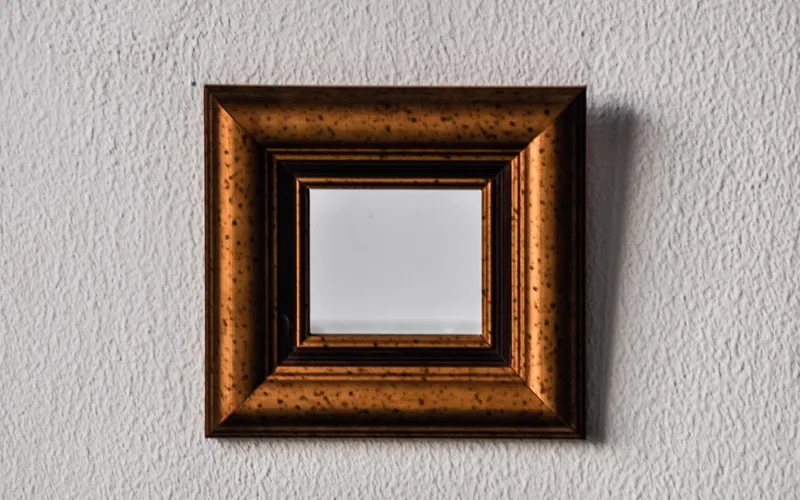
Hang it opposite or perpendicular to a window, never facing a blank wall, so it actually reflects light instead of the room’s darkest corner. Above a console table or a fireplace mantel are the two spots that consistently work at standard ceiling heights — center the mirror 60–65 inches from the floor to its middle point.
5. Teak Wood Accent Walls
A full teak accent wall is the highest-commitment option on this list, both in cost and in how much it dominates a room, so it works best on one wall only — usually the one you see first walking in, or the one behind a bed or sofa. Pair it with neutral surrounding walls (white, cream, light gray) so the wood stays the focal point instead of competing with a bold paint color.
Keep the rest of the room’s decor restrained. Soft, warm lighting (lamps rather than overhead fixtures) reads better against teak than cool white LEDs, which can make the warm tones look muddy. A plant or two balances the density of an all-wood wall without cluttering it.
6. Teak Wood Wall Sculptures
Scale the sculpture to the room, not just the wall — a piece that looks right on a large showroom wall can overwhelm a standard bedroom wall. Fine carving detail reads as more traditional; a single abstract, simplified shape reads modern. Check that the piece is solid teak rather than a teak-veneered composite if longevity matters more than upfront price — veneer over MDF won’t hold up to the same humidity swings solid teak does.
Dust with a soft, dry cloth weekly. For a deeper clean, use mild soap and water on a soft brush, then dry completely before any oiling — trapped moisture under a fresh coat of oil is what causes mildew spotting, not the oil itself. See our full teak cleaning guide for the exact process.
7. Teak Wood Wall-Mounted Planters
Wall-mounted teak planters work well specifically because teak already handles moisture better than most decorative woods — the same oils that make it a boat-decking standard mean a small water spill from an overwatered plant won’t swell or stain the wood the way it would with unfinished pine or plywood.
- Succulents and air plants — need the least water, lowest risk of overflow staining
- Herbs (basil, thyme) — useful near a kitchen wall, but need more frequent watering
- Ferns — lush look, but want humidity most indoor walls don’t naturally have
Arrange in odd numbers, largest plant lowest, and rotate the planters a quarter turn every week or two so growth doesn’t lean permanently toward the light source.
8. Combining Teak Wood With Other Materials
Teak and metal is the highest-contrast pairing on this list — the warm wood tone against cool black or brass hardware reads modern without feeling cold. A metal-framed teak shelf or metal hooks mounted directly into a teak panel both use this contrast without adding much cost.
Teak and glass work differently: glass doesn’t compete with the wood grain, it just reflects light off it, so a glass-fronted teak display case reads brighter than an equivalent solid-wood cabinet in the same spot. Whichever material you pair it with, keep the ratio wood-dominant — teak reads as the premium material here, and too much metal or glass can make it look like an afterthought accent instead of the main feature.
Teak vs. Other Woods for Wall Decor: Cost and Durability Compared
Teak isn’t the hardest wood you can put on a wall, and it isn’t the cheapest — but it’s one of the only common decor woods that resists fading and warping with zero finish at all. Here’s how it stacks up against the woods most often used for the same panels, shelves, and wall art:
| Wood | Janka Hardness | Relative Cost | Indoor Fade Resistance |
|---|---|---|---|
| Teak | 1,000–1,155 lbf | $$$ (premium) | Excellent — natural oils resist UV without a finish |
| White Oak | ~1,360 lbf | $$$ | Good with a UV-rated finish |
| Black Walnut | ~1,010 lbf | $$$ | Good — darkens with age rather than fading |
| Red Oak | ~1,290 lbf | $$ | Fair — can yellow under direct UV |
| Cedar | ~350 lbf | $ | Fair — soft, dents easily, popular for rustic panels anyway |
| Pine | ~690 lbf | $ | Poor — fades and yellows fastest of common panel woods |
Janka figures are typical ratings for each species; individual boards vary. If budget is the deciding factor, cedar or pine paneling with a UV-rated topcoat gets you a similar rustic look for a fraction of teak’s price — you’ll just be reapplying that finish more often. See our types of wood guide for how these species compare beyond wall decor.
Caring for Teak Wood Wall Decor
Cleaning Techniques
Wipe dust off with a soft, dry cloth weekly — this alone handles most indoor teak decor. For a deeper clean, use mild soap and water on a soft brush, rinse lightly, and dry completely with a clean cloth before doing anything else. Skip household multi-surface sprays and anything with bleach; they strip the oils that give teak its resistance in the first place.
If the piece has an oiled finish and sits somewhere with direct sun exposure, plan to reapply teak oil every 2–3 months to maintain the color. Out of direct light, most indoor pieces only need oiling once or twice a year, if at all — over-oiling can leave a tacky surface that attracts dust.
Long-Term Maintenance
Keep teak decor out of direct sunlight where possible — UV is what fades the color to gray over time, not age itself. Keep it away from heating vents and radiators too; the dry heat pulls moisture out of the wood faster than normal seasonal changes and can cause surface checking (small cracks) over a few years. If you do spot a crack starting, a small amount of wood filler or teak-specific sealant stops it from spreading; left alone, it will widen.
“The gap you leave between panels matters more than the adhesive you use. We’ve seen more teak panel jobs fail from panels installed flush together than from any glue or finish problem — the wood simply had nowhere to go when the humidity changed.”
Frequently Asked Questions
Is teak wood good for wall panels?
Yes. Teak’s natural oils and Janka hardness of 1,000–1,155 lbf make it resistant to warping and moisture damage without a heavy finish, which is why it holds up better than pine or cedar paneling over time. The tradeoff is cost — solid teak paneling typically runs at the premium end of the $7–$45+ per square foot range for wall paneling generally.
How much does teak wall paneling cost?
Wall paneling in general runs $7 to $25 per square foot for MDF or engineered options, and $25 to $45 or more per square foot for solid hardwood. Because teak is a slow-growing tropical hardwood, it typically sits at or above that upper range rather than the lower end.
How do I keep teak wall decor from fading?
Keep it out of direct sunlight, and reapply teak oil every 2–3 months if it does get sun exposure. Indoors, out of direct light, teak holds its color for years with nothing more than regular dusting.
Can teak wall panels be installed without nailing into the wall?
Yes. Most pre-finished teak panel systems use a mesh backing that interlocks panel-to-panel and mounts with construction or panel adhesive rather than face nails, which keeps the finished surface free of visible fasteners.
What’s the difference between teak wall panels and teak wall art?
Panels cover the wall itself as a surface material, typically installed edge-to-edge across a large area. Wall art is a standalone piece — a framed slice, a carved relief, or a sculpture — mounted on an existing wall rather than replacing the wall surface. For teak art ideas beyond wall pieces, see our teak wood art ideas guide.
Conclusion
Teak wall decor earns its premium price with genuinely low upkeep: dust it, keep it out of direct sun, and re-oil only if it needs it. Whether you go with a full panel wall, a single floating shelf, or one carved art piece depends mostly on budget and how much of the room you want the wood to dominate — start small with a shelf or a single art piece if you’re not ready to commit to a full accent wall.
Sponsored / affiliate links. As an Amazon Associate I earn from qualifying purchases. I may earn additional commission from eligible campaigns.