Is Teak a Hardwood? Yes, and Softer Than Red Oak
Yes, teak is a hardwood. Tectona grandis is a broadleaf flowering tree, which is what defines a hardwood, and its Janka rating of 1,070 lbf makes it softer than red oak at 1,220 lbf. Teak earns its reputation from decay resistance, not hardness. This page covers the classification, real hardness and shrinkage numbers, and what silica and oil mean at the bench.
Is Teak a Hardwood? Yes, but Not for the Reason You Think
Best Carbide Blade for Teak
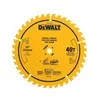 |
DEWALT DWA11040 10-Inch 40-Tooth Carbide Table Saw Blade ($23) Teak’s silica content dulls cutting edges fast, so a carbide-tipped blade is a sensible starting point when you cut it on a table saw or miter saw.
|
In woodworking, hardwood and softwood are botanical labels. Hardwoods come from broadleaf flowering trees, and softwoods come from conifers. The labels say nothing dependable about how hard the board is. Teak is a hardwood because of the tree it comes from, and the fact that it is also dense and durable is a separate matter.
The extremes prove the point. Balsa is classified as a hardwood and measures only 67 lbf on the Janka scale, weighing about 9 lbs/ft3. European yew is a softwood, yet the Wood Database rates it at 1,520 lbf and calls it perhaps among the hardest of all softwoods. So a hardwood can be softer than pine, and a softwood can be harder than teak.
Teak Janka Hardness Compared With Common Woods
All figures below are Janka hardness ratings from the Wood Database, in pounds-force. Higher means harder to dent.
| Wood | Type | Janka (lbf) |
|---|---|---|
| Balsa | Hardwood | 67 |
| Eastern white pine | Softwood | 380 |
| Teak | Hardwood | 1,070 |
| Northern red oak | Hardwood | 1,220 |
| European yew | Softwood | 1,520 |
| Ipe | Hardwood | 3,490 |
Two surprises stand out. Teak sits below red oak, so if someone tells you teak is far harder than oak, they are repeating a myth. And the softwood yew outranks both. Teak is a medium-hard hardwood, and ipe is more than three times harder. If hardness is what you want, our teak vs ipe comparison shows the trade-offs.
Teak Wood Properties: The Numbers That Matter
| Property | Teak (Tectona grandis) | Northern red oak |
|---|---|---|
| Janka hardness | 1,070 lbf | 1,220 lbf |
| Dried weight | 40.9 lbs/ft3 (655 kg/m3) | Not compared here |
| Volumetric shrinkage | 7.2% | 13.7% |
| Radial / tangential shrinkage | 2.6% / 5.3% | 4.0% / 8.6% |
| Rot resistance | Very durable | Non-durable to perishable |
This table is the real story. Teak is not harder than red oak, but it shrinks roughly half as much (7.2% against 13.7% volumetric), and its heartwood is rated very durable, which the Wood Database calls the gold standard for decay resistance. Red oak is rated non-durable to perishable. That combination of low movement and rot resistance is why boat builders and outdoor furniture makers pay for teak. Our page on whether teak wood rots goes deeper on decay.
The strength numbers tell the same balanced story. Teak’s modulus of rupture is 14,080 lbf/in2 (97.1 MPa) and its crushing strength is 7,940 lbf/in2 (54.8 MPa). Those are solid figures for furniture and exterior framing, but they are not what makes teak special. Plenty of cheaper hardwoods are stiff and strong. Very few combine strength with low shrinkage and top-tier decay resistance.
Working With Teak: Silica, Oil and Dust
Silica dulls tools
Teak contains silica, up to 1.4% according to the Wood Database, which has a pronounced blunting effect on cutting edges. In practice that means saw blades, plane irons and router bits lose their edge sooner than in oak. Carbide-tipped tooling is the usual answer, and it pays to keep a spare sharp blade on hand for long projects.
Oil does not stop glue and finish
Teak is naturally oily, and people often assume it will not glue. The Wood Database says it usually glues and finishes well, although a solvent wipe before gluing may be needed. Test a scrap joint first. For a full walkthrough, see how to glue oily woods like teak and ipe, and for finishing options read how to apply teak oil.
Wear a mask
Sensitizer reactions to teak are uncommon but reported. The Wood Database lists eye, skin and respiratory irritation, and in some cases more serious symptoms. Wear a dust mask and eye protection, and use dust collection when sanding or sawing.
Common Teak Myths, Checked
| Claim | What the numbers say |
|---|---|
| Teak is a hardwood because it is very hard | No. Hardwood is a botanical label. Teak is 1,070 lbf, softer than red oak at 1,220 lbf |
| All hardwoods are harder than all softwoods | No. Balsa (hardwood) is 67 lbf, and European yew (softwood) is 1,520 lbf |
| Oily wood cannot be glued | Teak usually glues well, per the Wood Database, with a solvent wipe if needed |
| Teak is the hardest outdoor wood | No. Ipe is rated 3,490 lbf, more than three times harder |
Which Projects Suit Teak’s Numbers
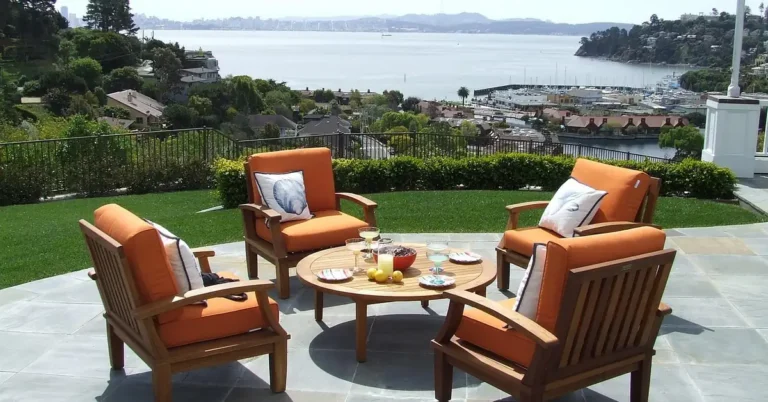
Match the wood to what the numbers actually offer. For outdoor furniture, boat trim and exterior construction, the low shrinkage and very durable heartwood are the payoff, and the medium-hard Janka rating is more than adequate. For a workbench top or a heavy-wear floor, a harder species such as ipe (3,490 lbf) resists dents better, and red oak (1,220 lbf) is slightly harder for far less money. For indoor furniture that never sees moisture, teak’s decay resistance goes unused, so you are mostly paying for its golden-brown color and stability.
A practical rule: buy teak when moisture, movement or rot is the problem you are solving. If none of those apply, a cheaper hardwood will usually serve. That is the honest answer to whether teak’s classification matters for your build. It is a hardwood, but the label is the least useful fact about it.
Why Teak Costs So Much
The Wood Database describes teak as very expensive and ranks it among the most desired lumbers in the world. Its main uses are boatbuilding, veneer, furniture, exterior construction, carving and turning. If price is the sticking point, our page on why teak is so expensive breaks it down.
Teak Alternatives and Related Comparisons
If you like teak’s look but not the price, teak vs mahogany is a common comparison, and iroko is often sold as a substitute. For a broader look at how hardness ratings work, see the wood hardness scale and our types of wood guide.
Which Woods Are Hardwoods? Quick Rules
- Look at the tree, not the board. Broadleaf flowering trees give hardwood, and cone-bearing trees give softwood.
- Do not judge by hardness. Balsa is a hardwood at 67 lbf and yew is a softwood at 1,520 lbf.
- Use the Janka number for dent resistance. It is the better guide to how a surface will wear.
- Check rot resistance separately. Teak’s very durable heartwood and red oak’s poor rating are both hardwood examples.
Frequently Asked Questions
Is teak a hardwood or a softwood?
Teak is a hardwood. It comes from Tectona grandis, a broadleaf flowering tree, and woodworkers classify wood by the tree’s botany rather than by how hard the timber feels. The Wood Database lists teak at 1,070 lbf on the Janka scale.
Is teak harder than oak?
No. Teak’s Janka rating is 1,070 lbf, while northern red oak is 1,220 lbf. Teak is a hardwood that is slightly softer than red oak. It is valued for decay resistance and stability rather than raw hardness.
Is teak harder than pine?
Yes, by a wide margin. Eastern white pine is rated 380 lbf, so teak at 1,070 lbf is nearly three times harder. Not every softwood is soft, though: European yew, a softwood, is rated 1,520 lbf.
Why does teak dull saw blades?
The Wood Database reports silica content of up to 1.4% in teak, and says it has a pronounced blunting effect on cutting edges. Keep tools sharp and expect to sharpen or replace blades sooner than with oak.
Can you glue teak even though it is oily?
Usually, yes. The Wood Database says teak generally glues and finishes well despite its natural oils, although wiping the surface with solvent before gluing may help. Test on a scrap piece first.
Is teak dust harmful?
Reactions are uncommon but reported. The Wood Database lists eye, skin and respiratory irritation among them, so wear a dust mask and eye protection when sanding or sawing teak, and use dust collection.
Conclusion
Teak is a hardwood, but its value lies elsewhere: a 1,070 lbf Janka rating that trails red oak, low shrinkage at 7.2%, and heartwood rated very durable. Expect silica to dull your blades and wear a mask while sanding. Judge any wood by its numbers and not by the hardwood label alone.
Sponsored / affiliate links. As an Amazon Associate I earn from qualifying purchases. I may earn additional commission from eligible campaigns.