Cedar vs Cypress Mulch Which Is Better
Choosing the right mulch can make your garden look amazing and help your plants grow. Many people wonder about Cedar vs Cypress Mulch: Which Is Better? It can seem a bit tricky when you’re just starting out. Don’t worry!
This guide will make it simple. We’ll walk through everything you need to know so you can pick the perfect mulch for your yard. Let’s get your garden looking its best.
Cedar Mulch Pros and Cons
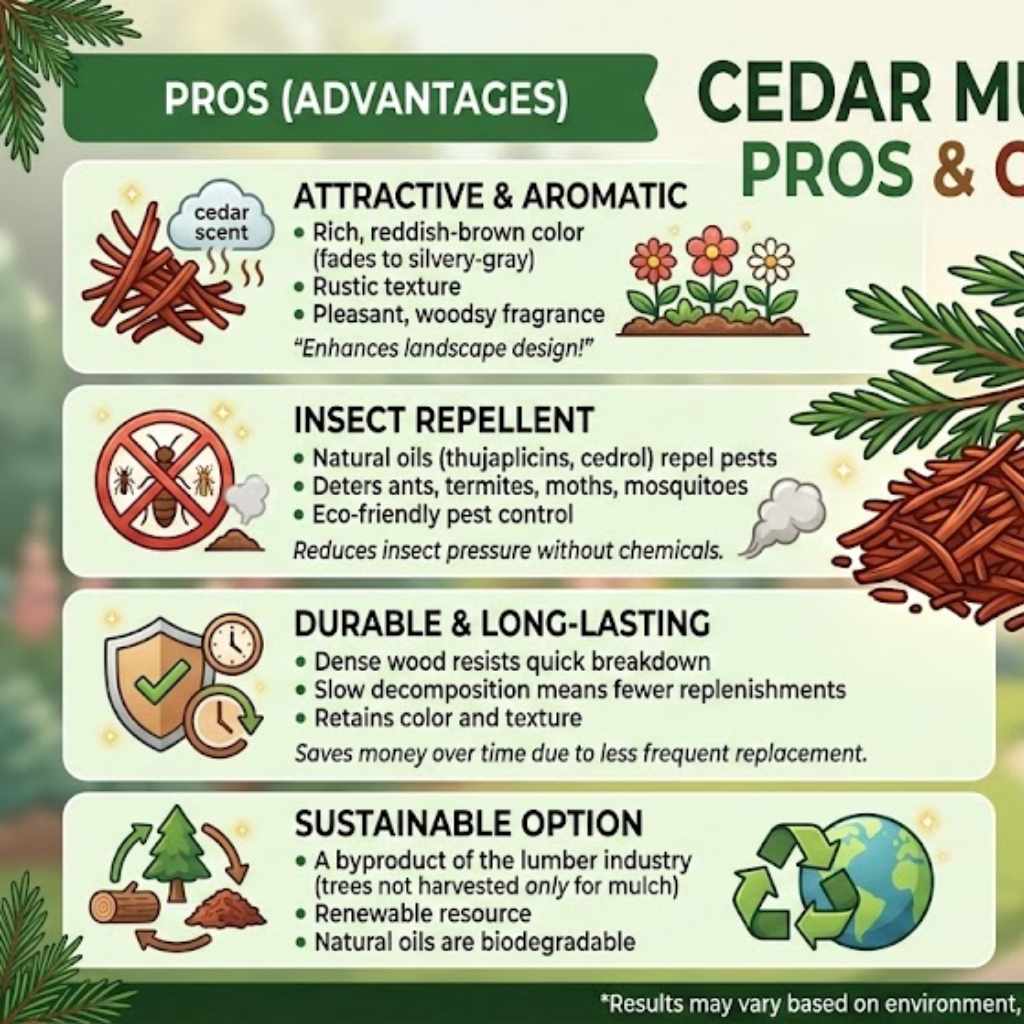
Cedar mulch is a popular choice for many gardeners, known for its attractive appearance and pleasant aroma. It’s made from the bark and wood of cedar trees, which are often a byproduct of the lumber industry. This makes it a relatively sustainable option.
The natural oils in cedar give it a distinctive scent that many people find appealing, and these same oils also contribute to its insect-repelling properties. Cedar mulch tends to be lightweight, making it easy to spread. However, its lightness can also mean it blows away more easily in windy conditions.
It also tends to be more expensive than other mulch types. Despite its cost, many gardeners find its aesthetic appeal and benefits worth the investment.
Appearance and Aroma
Cedar mulch typically has a rich, reddish-brown color that adds warmth and beauty to garden beds. The strands are often long and have a slightly stringy texture, which gives them a natural, rustic look. When it’s freshly spread, cedar mulch releases a pleasant, woodsy fragrance that many find relaxing and enjoyable.
This aroma is a direct result of the natural oils present in cedarwood. Over time, the color will fade to a softer, silvery-gray as it breaks down, but it maintains its visual appeal. The fragrance also dissipates over time but can be noticeable for months after application.
The visual appeal of cedar mulch is one of its main selling points. It creates a clean, finished look around plants, helping to define garden spaces and make them stand out. The color contrasts nicely with green foliage and colorful flowers, enhancing the overall landscape design.
It’s a favorite for formal gardens as well as more naturalistic settings.
Insect Repellent Qualities
One of the most significant advantages of cedar mulch is its natural ability to repel certain insects. The essential oils found in cedarwood, such as thujaplicins and cedrol, act as natural deterrents for pests like ants, termites, moths, and even mosquitoes. These compounds make the mulch less appealing to insects looking for a place to feed or nest.
This can be a huge benefit for gardeners struggling with pest problems in their flower beds and vegetable gardens.
While cedar mulch can help keep some pests away, it’s not a magic bullet. It won’t eliminate all insect issues, and some hardy pests might still find their way into your garden. However, it offers an environmentally friendly way to reduce insect pressure without resorting to chemical pesticides.
This makes it a great choice for organic gardening or for people who prefer natural solutions.
Durability and Decomposition
Cedar mulch is known for its longevity. The natural oils and dense wood fibers make it resistant to decomposition compared to many other types of organic mulch. This means it breaks down slowly, retaining its color and texture for a longer period.
Gardeners often find they don’t need to replenish cedar mulch as frequently as they would other mulches, which can offset its higher initial cost over time.
Because it decomposes slowly, cedar mulch helps to suppress weeds effectively for extended periods. It forms a dense barrier that makes it difficult for weed seeds to germinate and sprout. Its slow breakdown also means it contributes to soil improvement at a more gradual pace.
While it eventually breaks down into organic matter, this process takes a considerable amount of time, often a year or more before a significant amount of decomposition is visible.
Cost and Availability
Cedar mulch is generally more expensive than common mulches like pine bark or cypress. The cost can vary depending on the region, the specific type of cedar, and the supplier. However, its longer lifespan can make it a cost-effective choice in the long run, as it requires less frequent replacement.
It is widely available at most garden centers and home improvement stores, especially in regions where cedar trees are prevalent.
Environmental Impact
Cedar mulch is often considered an eco-friendly option, especially when it’s a byproduct of the lumber industry. This means that trees aren’t being harvested solely for mulch production. Cedar trees are a renewable resource, and their cultivation for lumber often involves sustainable forestry practices.
The natural oils are biodegradable and do not harm the environment when they break down.
Cypress Mulch Pros and Cons
Cypress mulch comes from the bark and wood of cypress trees, which are typically found in wetland areas, particularly in the southeastern United States. It’s appreciated for its durability, ability to retain moisture, and resistance to decay. Cypress mulch also has a lovely reddish-brown or golden hue that brightens up garden spaces.
However, there are some environmental concerns associated with cypress harvesting, as it can impact sensitive wetland ecosystems. It tends to be moderately priced, often falling between cedar and cheaper alternatives. Its texture can vary, but it generally holds its shape well and doesn’t blow away easily.
Appearance and Texture
Cypress mulch offers a beautiful, uniform appearance. It typically has a fine to medium shred and a rich, golden-brown or reddish-brown color. This color brightens garden beds and provides a nice contrast to plants, helping them stand out.
The texture is often consistent, making it easy to spread and giving landscapes a neat, manicured look. It’s a versatile mulch that complements a wide range of garden styles.
Unlike some other mulches that can be stringy or irregular, cypress mulch tends to have a more uniform shred size. This uniformity contributes to its neat appearance and makes it easier to achieve a smooth, even layer across garden beds. The color is vibrant when new and will gradually lighten to a softer, grayish tone as it weathers, similar to other organic mulches.
Moisture Retention and Weed Suppression
One of the key benefits of cypress mulch is its excellent ability to retain moisture in the soil. Its dense texture helps to reduce evaporation, meaning your plants will need watering less frequently. This is especially helpful during hot, dry spells or for gardeners who may forget to water regularly.
Keeping the soil consistently moist promotes healthier root development and reduces plant stress.
In addition to retaining moisture, cypress mulch is also very effective at suppressing weeds. When applied in a sufficiently thick layer (typically 2-3 inches), it creates a barrier that blocks sunlight from reaching weed seeds in the soil. This prevents them from germinating and growing.
It also makes it harder for any weeds that do sprout to push through the mulch layer, making them easier to pull out.
Durability and Decomposition Rate
Cypress mulch is known for its durability and resistance to decay. The wood of cypress trees contains natural oils and tannins that make it resistant to rot and insect damage. This means that cypress mulch can last for a long time in garden beds, often up to two years or more before needing a significant replenishment.
Its longevity means you won’t have to buy and spread mulch as often, saving time and effort.
Because it decomposes slowly, cypress mulch provides a stable environment for your plants. It won’t break down too quickly and alter the soil pH significantly. This slow decomposition also means it gradually adds organic matter to the soil, improving its structure and fertility over time, though at a slower rate than faster-decomposing mulches.
Environmental Concerns
The harvesting of cypress trees has raised significant environmental concerns. Cypress trees grow in precious wetland ecosystems, such as swamps and marshes. The logging of these trees can disrupt these habitats, affecting wildlife that depends on them and potentially leading to soil erosion and water quality issues.
Because of these concerns, many gardeners and landscaping companies are looking for more sustainable alternatives.
While some cypress mulch is sourced from managed forests or reclaimed lumber, it’s important for consumers to be aware of where their cypress mulch comes from. Certified sustainable sources can help mitigate some of these environmental impacts. However, the debate about the sustainability of cypress mulch continues, and many prefer to avoid it altogether to protect these vital natural areas.
Cost and Availability
Cypress mulch is generally considered a mid-range mulch in terms of price. It is often more expensive than basic wood mulches like pine or fir but can be less costly than premium options like cedar. Its price can fluctuate based on supply, demand, and region.
Cypress mulch is widely available at garden centers, nurseries, and landscape supply yards across the United States, particularly in areas where cypress trees are common.
Cedar vs Cypress Mulch Comparing Key Factors
When deciding between cedar and cypress mulch, it’s helpful to look at how they stack up against each other in several key areas. Both are excellent organic mulches that offer great benefits for gardens. However, they have distinct differences in terms of appearance, pest resistance, durability, environmental impact, and cost.
Understanding these differences will help you make the best choice for your specific needs and priorities. This comparison will break down each aspect so you can see which one is the better fit for your garden project.
Aesthetics and Garden Appeal
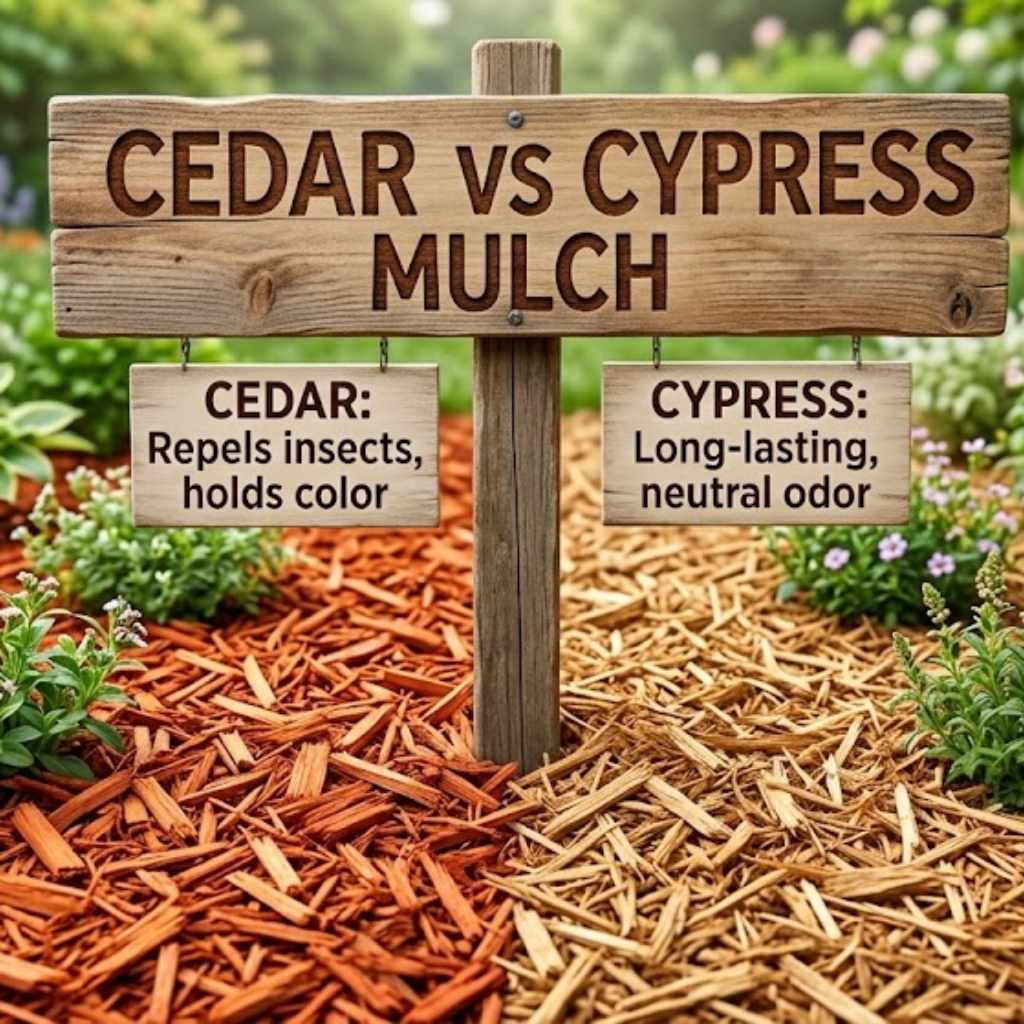
Both cedar and cypress mulches offer beautiful natural colors that enhance the look of any garden. Cedar mulch often has a richer, deeper red or brown hue and can have a slightly more varied texture. It sometimes has a more rustic or natural appearance.
Cypress mulch, on the other hand, is known for its consistent golden-brown or reddish-brown color and a more uniform shred, giving landscapes a clean, manicured look. The choice between them often comes down to personal preference for color and texture.
Cedar mulch’s aroma is a bonus for many, adding a pleasant scent to the garden. Cypress mulch doesn’t typically have a strong fragrance. If you’re aiming for a very formal garden, the uniform look of cypress might be preferred.
For a more natural or wild garden feel, the varied textures of cedar could be more appealing. Many people find both options significantly improve the visual appeal of their flower beds, vegetable patches, and around trees.
Pest Resistance
Cedar mulch is generally considered superior when it comes to natural pest resistance. The natural oils present in cedarwood are known to deter a variety of insects, including ants, termites, and moths. This can be a significant advantage, especially for vegetable gardens or areas prone to insect problems.
The scent alone can make your garden less attractive to certain pests.
Cypress mulch also has some natural oils that offer a degree of pest deterrence, but it’s not as potent as cedar. While it might help to some extent, it’s not its primary selling point. If pest control is a major concern for you, cedar mulch would likely be the better choice.
However, both mulches can help create a barrier that makes it harder for some ground-dwelling pests to reach plants.
Durability and Lifespan
Both cedar and cypress mulches are quite durable and break down slowly. This means they last longer in garden beds compared to softer mulches like pine bark or shredded leaves. Cedar mulch, with its dense wood and natural oils, tends to be very resistant to decay, often lasting for two years or more before needing a major refresh.
Cypress mulch is also very long-lasting due to its natural oils and tannins, typically lasting one to two years.
The slow decomposition rate of both mulches means they require less frequent replenishment, saving you time and money in the long run. This is a significant advantage over mulches that break down quickly. When comparing them directly on lifespan, they are quite comparable, with both being excellent choices for long-term ground cover.
The exact lifespan can depend on your climate and how thick you apply the mulch.
Environmental Impact Comparison
This is where the two mulches differ significantly. Cypress mulch harvesting raises environmental concerns because cypress trees grow in sensitive wetland habitats. The logging of these areas can harm ecosystems and wildlife.
While sustainable harvesting practices exist, the potential for environmental damage is a major drawback for many.
Cedar mulch is generally viewed as a more environmentally friendly option, especially when it’s a byproduct of the lumber industry. Cedar trees are often grown and managed sustainably for wood products, and using the bark and wood for mulch reduces waste. Cedar is a renewable resource, and its harvesting typically has less impact on delicate natural environments compared to cypress.
If environmental concerns are a top priority, cedar is often the preferred choice.
Cost Differences
Cedar mulch is typically more expensive than cypress mulch. This is due to factors like processing and the value of cedar wood. While the initial cost of cedar is higher, its longer lifespan and pest-repelling qualities can make it more economical over time for some gardeners.
Cypress mulch is usually moderately priced, falling somewhere in the middle range of mulch costs.
The price difference can be substantial, and it’s important to factor in how often you’ll need to replace the mulch. For a large garden, the upfront cost of cedar could be a significant investment. However, if you value the pest resistance and longevity, it might be worth it.
Cypress offers a good balance of aesthetics, durability, and cost, making it a popular choice for those looking for a middle-ground option.
Table: Cedar vs Cypress Mulch at a Glance
| Feature | Cedar Mulch | Cypress Mulch |
|---|---|---|
| Appearance | Rich red-brown, varied texture, natural look | Golden-brown to red-brown, uniform shred, manicured look |
| Aroma | Pleasant, woodsy scent | Minimal to no scent |
| Pest Resistance | Excellent (natural oils deter insects) | Moderate |
| Moisture Retention | Good | Excellent |
| Durability/Lifespan | Very long (2+ years) | Long (1-2 years) |
| Environmental Impact | Generally good (often byproduct) | Concerns over wetland habitat disruption |
| Cost | Higher | Moderate |
Choosing the Right Mulch for Your Garden Needs
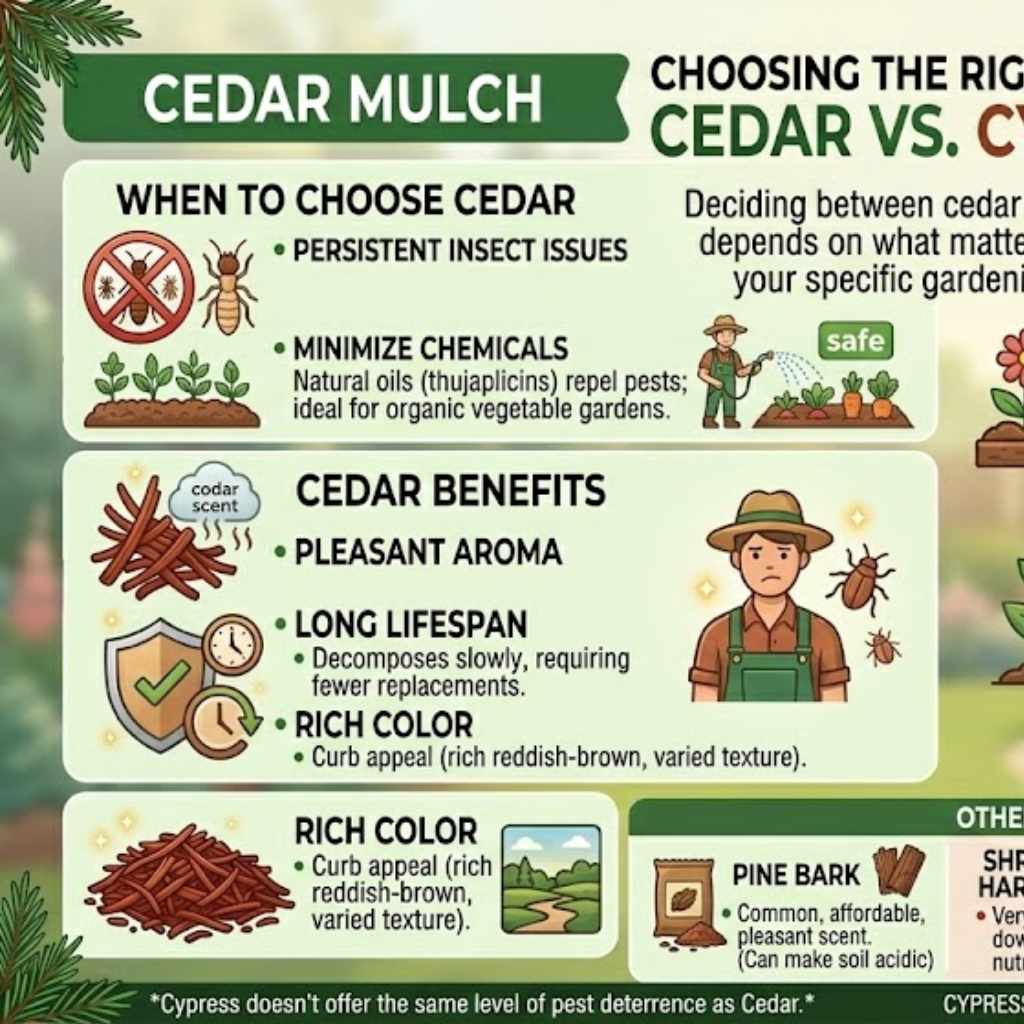
Deciding between cedar and cypress mulch ultimately depends on what matters most to you and your garden. If you have persistent pest problems, a strong desire for a pleasant garden aroma, and a slightly higher budget, cedar mulch is likely the best fit. Its natural insect-repellent qualities and long lifespan make it a powerful tool for garden health and beauty.
The rich color and natural look also add significant curb appeal.
However, if your main concerns are excellent moisture retention, a consistently neat appearance, and a mid-range price point, cypress mulch could be your ideal choice. While it doesn’t offer the same level of pest deterrence as cedar, its durability and aesthetic qualities are still very high. It’s a solid performer that many gardeners rely on for its reliability and ability to improve garden soil over time.
When to Choose Cedar Mulch
You should consider cedar mulch if your garden suffers from insect infestations. Pests like ants, termites, or even certain garden bugs can be discouraged by the natural oils in cedar. This makes it a great choice for vegetable gardens where you want to minimize the need for chemical pesticides.
The pleasant, natural scent of cedar is also a bonus, adding a fragrant element to your outdoor space. If you’re looking for a mulch that smells good and works hard to keep pests away, cedar is a strong contender.
Cedar mulch is also excellent for those who prefer a mulch that lasts a long time. It decomposes slowly, meaning you won’t have to replace it as often as some other types. This saves you time and money over the seasons.
Its attractive reddish-brown color and slightly varied texture also give a garden a beautiful, natural look. If you don’t mind the higher initial cost, cedar offers many benefits for a healthy and attractive garden.
When to Choose Cypress Mulch
Cypress mulch is a fantastic option if you need superior moisture retention for your plants. It holds water exceptionally well, which means you’ll need to water less often, and your plants will be less stressed during dry periods. This makes it ideal for sunny spots or for gardeners who might have a less consistent watering schedule.
The consistent, uniform look of cypress mulch also makes it perfect for creating a very tidy and manicured appearance in flower beds and around shrubs.
If you’re concerned about the environmental impact of cypress harvesting, look for mulch labeled as being from sustainably managed forests or reclaimed sources. This can help mitigate some of the concerns. Cypress mulch is generally more affordable than cedar, making it a great choice for larger gardens where budget is a significant factor.
It’s durable, looks great, and performs well in retaining moisture and suppressing weeds.
Other Mulch Options to Consider
While cedar and cypress are popular, there are many other excellent mulch choices available. Pine bark mulch is common, affordable, and has a pleasant scent. Shredded hardwood mulch is very durable and breaks down slowly, adding nutrients to the soil.
Cocoa hulls offer a beautiful dark color and a sweet aroma, but can be toxic to pets. Straw is an inexpensive option for vegetable gardens, particularly for suppressing weeds and retaining moisture. Each type of mulch has its own unique advantages and disadvantages, so it’s worth exploring them to find the perfect fit for your specific gardening needs and preferences.
Consider the specific needs of your plants as well. Some plants prefer slightly more acidic soil, and certain mulches can influence soil pH. For example, pine bark tends to make soil more acidic, which can benefit plants like azaleas and blueberries.
Other mulches are more neutral. Understanding these nuances can help you make an even more informed decision about which mulch will best support the health and growth of your garden plants.
Frequently Asked Questions
Question: Is cedar mulch better than cypress mulch for vegetable gardens?
Answer: Cedar mulch is often preferred for vegetable gardens because of its natural insect-repellent properties. It can help deter pests that might damage your crops without the use of chemicals. Both mulches are good at retaining moisture and suppressing weeds, which are also beneficial for vegetable growing.
Question: Which mulch lasts longer cedar or cypress?
Answer: Both cedar and cypress mulches are very durable and decompose slowly. Cedar mulch generally has a slight edge and can last longer, often two years or more, due to its dense wood and natural oils. Cypress mulch typically lasts one to two years.
Question: Is cypress mulch bad for the environment?
Answer: There are environmental concerns associated with cypress mulch because it is harvested from wetland ecosystems. This can impact habitats and wildlife. However, sustainably harvested or reclaimed cypress mulch can reduce these impacts.
Many gardeners opt for cedar or other alternatives due to these concerns.
Question: Does cedar mulch smell good?
Answer: Yes, cedar mulch has a distinct, pleasant, and natural woodsy aroma. This fragrance is a result of the natural oils in cedarwood and is one of the reasons many people choose it for their gardens. The scent typically lasts for several months.
Question: Can I mix cedar and cypress mulch together?
Answer: You can mix cedar and cypress mulch together if you wish. Doing so might offer a blend of their benefits, such as improved pest resistance from the cedar and good moisture retention from the cypress. The visual appearance will be a combination of both textures and colors.
Final Thoughts
When choosing between cedar and cypress mulch, consider your garden’s needs. Cedar offers excellent pest deterrence and a lovely aroma, while cypress excels in moisture retention and a uniform look. Both are long-lasting organic options.
Weigh these benefits against their costs and environmental considerations to find the best fit for your landscape.