Cedar Trellis Ideas: 9 Designs and the Screw Mistake That Stains Them Black
Cedar resists rot and insects on its own because of thujaplicins, natural fungicidal compounds concentrated in the heartwood — it does not need a chemical treatment to hold up outdoors the way pine or fir does. That is what makes it the default choice for a garden trellis, but the wood is not foolproof: the same tannic acid that gives cedar its rot resistance also reacts with plain steel screws and streaks the wood black within a season. Below are nine trellis styles worth building or buying, how to match one to what you are actually growing, and the fastener and finishing details that decide whether it looks good in year three or just in month one.
Why Cedar Works for a Garden Trellis
Best Ready-Made Cedar Trellis Panel
 |
All Things Cedar 33″ x 84″ Trellis Panel – $275 A pre-built, all-heart Western red cedar diamond-lattice panel if you would rather skip cutting your own lattice strips.
|
Thujaplicins sit almost entirely in the heartwood — the darker, denser core of the log — not the pale sapwood around the outside. A trellis panel cut mostly from sapwood will rot and attract insects nearly as fast as an untreated pine one, even though the tag says “cedar.” When you are buying lumber or a kit, look for “clear heart” or “all-heart” cedar on the label; big-box lattice panels sold as generic “cedar” often mix in sapwood edge pieces to cut cost, and those are the boards that fail first.
Each of these works with cedar 1x2s or 1x3s (furring strips are the cheap option) and stainless or hot-dip galvanized fasteners — more on why that matters below.
- Diamond lattice panel – the classic crisscross pattern, built for a wall or fence. Diamond openings around 1.5 to 2 inches give tendril vines (clematis, sweet peas) something narrow enough to grip.
- Square grid panel – the same idea with strips run horizontal and vertical instead of on the diagonal. Slightly easier to build square and true, and it reads as more modern against a painted wall.
- Fan trellis – a single upright with strips radiating out like a hand fan. Cheap, lightweight, and made for one plant in one pot — not strong enough for a vine that gets heavy with age.
- Obelisk or tower – four legs tapering to a point, freestanding in a bed. Works as a vertical focal point even before anything climbs it, and it is the style that handles a heavier vine best because the load is carried on four legs instead of two.
- Ladder trellis – two long uprights with evenly spaced rungs, leaned against a wall or fence. The simplest build in this list — it is genuinely just a ladder — and a good first cedar project if you have never built a trellis before.
- Arched arbor-style trellis – two panels joined by a curved top, framing a path or gate. Doubles as an entry feature; needs the deepest, most solid footing of anything here because wind catches the arched top like a sail.
- Wall-mounted expandable trellis – an accordion-style lattice that folds flat for winter storage. Convenient for a rental or a plant that only needs support seasonally, but the hinge points are the first thing to fail, so check them yearly.
- Freestanding privacy screen (2-panel) – two lattice panels joined at a center post, standing on their own without a wall behind them. Effectively a short, narrow fence section that plants happen to climb.
- Planter-box integrated trellis – a lattice panel built directly into the back of a cedar raised bed. The planter’s own weight anchors it, which solves the freestanding wind problem without a separate footing.

Matching the Trellis to the Plant’s Weight
A thin diamond lattice panel is plenty for light annual vines like sweet peas, morning glory, or black-eyed Susan vine — they weigh almost nothing and grip with tendrils rather than twisting the whole stem around the support. Heavier perennial climbers are a different problem: wisteria, climbing hydrangea, trumpet vine, and mature grape vines get woody and surprisingly heavy over a few seasons, and they will rack, bow, or eventually tear a thin lattice panel off its mounting screws. For those, build (or buy) an obelisk, a ladder trellis with thicker 2×2 uprights, or mount a panel to something more solid than the lattice frame itself, like a 4×4 post set in concrete.
The Fastener Mistake That Stains Cedar Black
Cedar’s tannic acid reacts with the iron in plain or zinc-plated steel screws and nails, producing a dark blue-black stain that spreads out from every fastener head — usually visible within a few weeks outdoors and getting worse every time it rains. It is a chemical reaction, not rust, so it happens even with fasteners that never visibly corrode. The fix is simple: use stainless steel (304 or 316) or hot-dip galvanized fasteners only. Electro-galvanized (the shiny, thin-coated kind sold cheap in most hardware store bins) is not the same thing — the coating is too thin to stop the reaction long-term, and it will still stain over a year or two. If you already have staining from an old build, a diluted oxalic acid deck cleaner will lift most of it without bleaching the surrounding wood.
Finishing Choices: Let It Silver or Keep the Color
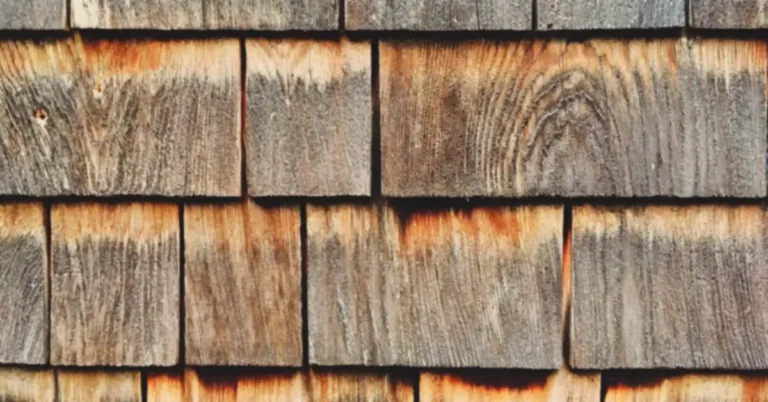
Left unfinished, cedar’s warm reddish-brown fades to a silvery gray within about six to twelve months of UV exposure (see what happens to cedar as it ages for the full weathering timeline) — this is surface weathering, not decay, and it does not affect the wood’s strength or rot resistance. If you like that look, do nothing; it is genuinely maintenance-free. If you want to keep the original color, apply a semi-transparent, oil-based deck stain formulated for cedar within the first few weeks of building (new cedar’s natural oils can resist stain absorption if you wait too long). Avoid a film-forming polyurethane or spar varnish on an outdoor trellis — it looks good briefly, then cracks and peels because the thin lattice strips expand and contract with humidity more than a solid deck board does, and a film finish cannot flex with that movement the way an oil-based stain can.
Anchoring a Freestanding Trellis So Wind Doesn’t Take It Down
An obelisk, arbor, or privacy screen has a lot of surface area once a vine fills it in, and a filled-in trellis catches wind like a small sail. For a post-and-panel style, set posts at least 18 to 24 inches into the ground in concrete — deeper in loose or sandy soil. For a lighter panel-style trellis using ground stakes instead of a dug post, look for stakes that drive at least 12 inches deep, and add a second stake per panel in an exposed, wind-prone spot rather than relying on one.
Frequently Asked Questions
Does Cedar Need to Be Sealed for Outdoor Use?
No. Cedar’s natural thujaplicins already provide rot and insect resistance without any sealer or chemical treatment. Sealing or staining is optional and only changes the color and how quickly the wood weathers to gray — it is not required for the wood to hold up outdoors.
What Screws Should I Use for a Cedar Trellis?
Stainless steel (304 or 316) or hot-dip galvanized screws only. Plain or electro-galvanized steel reacts with cedar’s tannic acid and causes black staining around every fastener head within a season or two.
How Much Weight Can a Cedar Trellis Hold?
It depends entirely on the style and lumber thickness, not just the species. A thin 1×2 diamond lattice panel is built for light annual vines under a pound or two of live growth; a 2×2 or 4×4 obelisk or post-mounted panel can support a mature wisteria or grape vine that weighs considerably more once it is woody and fully leafed out.
How Long Does an Untreated Cedar Trellis Last Outdoors?
An all-heart cedar trellis with rust-proof fasteners commonly lasts 15 to 20 years outdoors with no chemical treatment. A trellis built from lumber that mixes in sapwood, or one fastened with plain steel screws, typically fails at the joints in well under half that time.
Bottom Line
Cedar’s rot resistance is real and needs no chemical treatment, but it only pays off if you buy all-heart lumber, use stainless or hot-dip galvanized fasteners, and pick a trellis style that actually matches the weight of what you are growing on it. Get those three details right and a cedar trellis is close to a lifetime garden fixture rather than a yearly repair.
Sponsored / affiliate links. As an Amazon Associate I earn from qualifying purchases. I may earn additional commission from eligible campaigns.