Why Is My Morning Star Bamboo Floor Sticky After Mopping? (Recall Facts Included)
A sticky Morning Star bamboo floor almost always comes from cleaning residue, not a defect. The biggest clue is timing: if the floor feels tacky right after you mop it, whatever was in the mop water or on the mop head is still sitting on the surface. Below is the actual mechanism behind why bamboo holds onto residue more than people expect, the specific mopping mistakes that cause it, a step-by-step fix, and a straight, fact-checked answer to the “was Morning Star bamboo recalled” question, since it comes up in nearly every search about this flooring.
Why Bamboo Floors Trap Residue More Than Other Wood Floors
Best Residue-Free Cleaner for Bamboo
 |
Bona Hardwood Floor Spray Cleaner, 36 oz – $12 A ready-to-use, no-rinse spray that removes the exact residue film that makes Morning Star bamboo feel sticky after mopping.
|
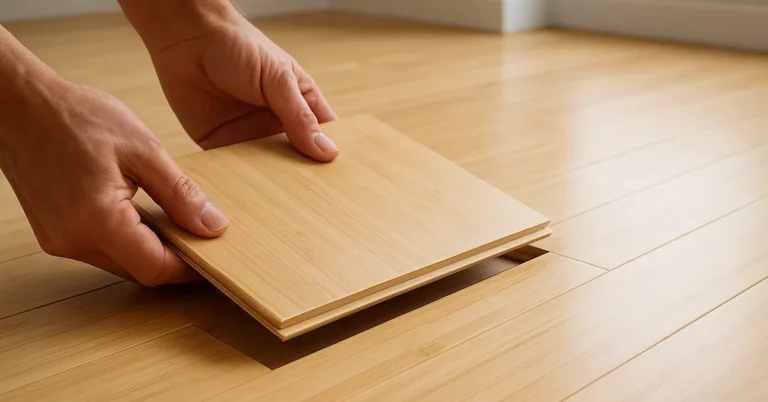
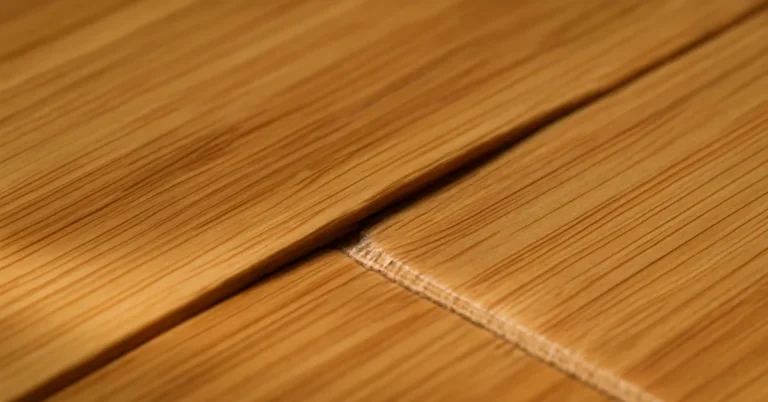
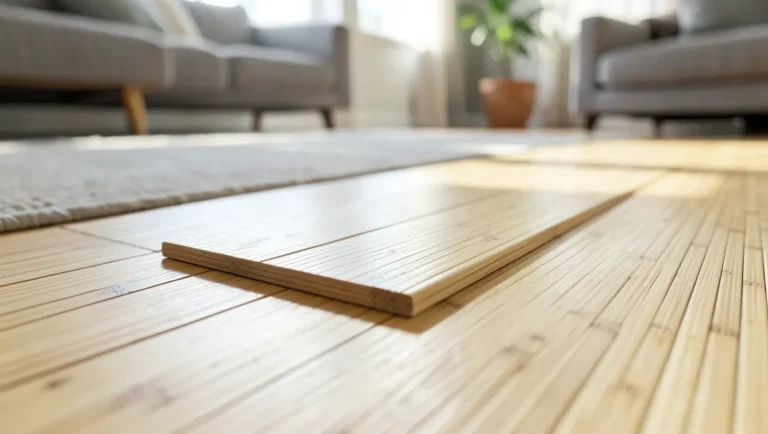
Morning Star strand-woven bamboo, sold through the former Lumber Liquidators (now LL Flooring), is compressed and fused under heat and pressure, which makes it harder and denser than most solid hardwoods. That density is a selling point for durability, but it also means the surface finish, usually a UV-cured polyurethane or an aluminum-oxide topcoat, sits on a very tight, closed-pore surface. Softer, more porous wood floors can absorb a little excess moisture and cleaner; a dense bamboo floor mostly can’t, so any residue left behind just sits on top of the finish as a thin film. That film is what feels sticky or tacky under bare feet, and it’s also what grabs dust and pet hair, making the floor look dull within a day of cleaning.
The Real Causes of a Sticky Floor After Mopping
Four mistakes cause the vast majority of sticky-floor complaints on bamboo:
- Too much cleaning solution. Most bamboo-safe cleaners are concentrated. Doubling the recommended amount doesn’t clean better, it just doubles the film left behind when the water evaporates.
- The wrong type of cleaner. Oil-soap cleaners, wax-based “wood polish” products, and all-purpose tile or vinyl cleaners are formulated to leave a protective layer behind on purpose. On bamboo, that layer is exactly the sticky residue you’re trying to get rid of. See this comparison of bamboo-safe floor cleaners if you’re not sure your current cleaner is one of them.
- Hard water. If your tap water has a high mineral content, it leaves a chalky, slightly tacky mineral film as it dries, even when you used the correct cleaner in the correct amount.
- Steam mopping. Steam mops are not recommended for bamboo or any engineered wood floor. The heat and moisture can force their way into the seams between planks, and steam mops also tend to redeposit a mineral film from the water reservoir instead of lifting it away, which is the opposite of what you want on a floor that’s already prone to residue buildup.
How to Strip the Residue and Fix a Sticky Floor
- Dry-check first. Run a clean, dry microfiber pad over a small section. If the stickiness disappears or lessens, it’s dust and residue, not damage, and the steps below will fix it.
- Strip the existing film. Mix a solution of roughly one part white vinegar to eight parts distilled water, or use a bamboo-safe, pH-neutral, no-rinse cleaner. Avoid tap water if your area has hard water; distilled or filtered water prevents adding a new mineral film while you’re removing the old one.
- Mop with a well-wrung microfiber pad, not a soaked string mop. The goal is a light, even pass, not a wet floor. A string mop holds far more water than a microfiber pad and tends to just move dirty water around rather than lifting it.
- Dry immediately. Go over the floor with a dry microfiber towel right after mopping instead of letting it air-dry. Air-drying is exactly how a thin residue film forms in the first place.
- Repeat once if buildup is heavy. Years of over-cleaning with the wrong product can take two or three stripping passes to fully clear. Don’t increase the concentration to speed it up; that recreates the original problem.
Bona Hardwood Floor Cleaner is a reliable, widely available option built for exactly this: a residue-free formula that’s safe on polyurethane-finished bamboo and doesn’t need rinsing.
Diluted white vinegar remains the budget option, and it works, but it can leave a faint smell that lingers in a warm room, so ventilate while it dries.
Mistakes That Make Sticky Bamboo Floors Worse
- Using a wet string mop as your everyday tool. Even the correct cleaner, applied with too much water too often, will eventually build a film.
- Reaching for a “floor polish” or “floor shine” product. These are designed to leave a glossy layer behind. On bamboo that layer is the stickiness, not a shine.
- Mixing cleaning products. Switching between an oil soap one week and a vinegar solution the next can leave overlapping films that react differently and are harder to strip in one pass.
- Letting spills sit. Sugary or oily spills (juice, cooking oil, pet accidents) dry into a tacky spot that plain water mopping won’t remove; those need a direct, undiluted cleaner application and a scrub.
Morning Star Bamboo vs. Other Flooring Options
If you’re deciding whether to keep maintaining a Morning Star bamboo floor or replace it, here’s how it stacks up against the two most common alternatives:
- Bamboo vs. laminate: Morning Star strand bamboo is harder than most laminate cores, but laminate’s printed wear layer resists moisture better. A waterproof laminate like Mohawk’s RevWood line is the safer pick for a kitchen or entryway.
- Bamboo vs. luxury vinyl plank (LVP): LVP is fully waterproof and won’t cup or warp from humidity swings, which makes it the lower-maintenance choice for bathrooms or basements. Bamboo keeps a more natural look and feel but needs the cleaning discipline covered above.
- Cost: Morning Star bamboo typically runs $2 to $4 per square foot for material, in the same range as mid-grade laminate or budget LVP; underlayment and installation add to the total either way.

Addressing the Morning Star Bamboo Flooring “Recall”
There was never an official government or manufacturer recall of Morning Star bamboo flooring. What actually happened was a class-action lawsuit, Gold v. Lumber Liquidators, Inc., filed by customers who reported that Morning Star Strand Bamboo purchased between January 1, 2012 and March 15, 2019 was prone to premature cracking, splitting, warping, and shrinking well before its expected lifespan. Lumber Liquidators settled the case for up to $30 million, split between roughly $14 million in cash and $14 million in store-credit vouchers, with an additional $2 million in vouchers available depending on claims volume. The settlement received final court approval on October 22, 2020, and the company did not admit fault or liability as part of the agreement.
The claim filing deadline for that settlement was July 15, 2020, and it has long since passed, so this isn’t a live claims process a new buyer today can still join. If you already own a Morning Star floor from that 2012 to 2019 window and it’s showing the same premature cracking or warping described in the lawsuit, that’s now a question for a warranty inquiry or, if it’s a widespread and severe issue, a consumer-protection attorney, rather than something you file at the old settlement site.
Frequently Asked Questions
Was Morning Star bamboo flooring recalled?
No formal recall was issued. A class-action lawsuit, Gold v. Lumber Liquidators, alleged premature cracking, splitting, and warping in Morning Star Strand Bamboo sold between 2012 and 2019, and the company settled for up to $30 million without admitting fault. The court finalized that settlement on October 22, 2020.
Can sticky floors indicate a defect in Morning Star bamboo?
Usually not. Stickiness is almost always cleaning residue, not a structural defect. The lawsuit was about physical cracking, splitting, and warping of the planks, which looks and feels completely different from a tacky surface film. If your floor is sticky but not cracked, cupped, or visibly separating at the seams, the fix is the cleaning routine above, not a warranty claim.
Is it too late to file a claim from the bamboo flooring settlement?
Yes. The claim form deadline was July 15, 2020. If you missed it and believe you have a genuine, ongoing defect issue with flooring purchased in the covered window, a consumer-protection attorney can advise on options outside the closed settlement.
What’s the best cleaner for a sticky Morning Star bamboo floor?
A pH-neutral, no-rinse hardwood cleaner made for finished floors, such as Bona Hardwood Floor Cleaner, works well because it doesn’t leave a wax or oil layer behind. Diluted white vinegar (about 1 part vinegar to 8 parts distilled water) is a working budget substitute.
Conclusion
A sticky Morning Star bamboo floor after mopping is almost always residue from too much cleaner, the wrong cleaner, hard water, or a steam mop, not evidence of the defects covered in the 2020 lawsuit settlement. Strip the film with a diluted, bamboo-safe cleaner, mop with a well-wrung microfiber pad instead of a soaked string mop, and dry the floor right away instead of air-drying it. Do that consistently and the tackiness doesn’t come back.
Sponsored / affiliate links. As an Amazon Associate I earn from qualifying purchases. I may earn additional commission from eligible campaigns.