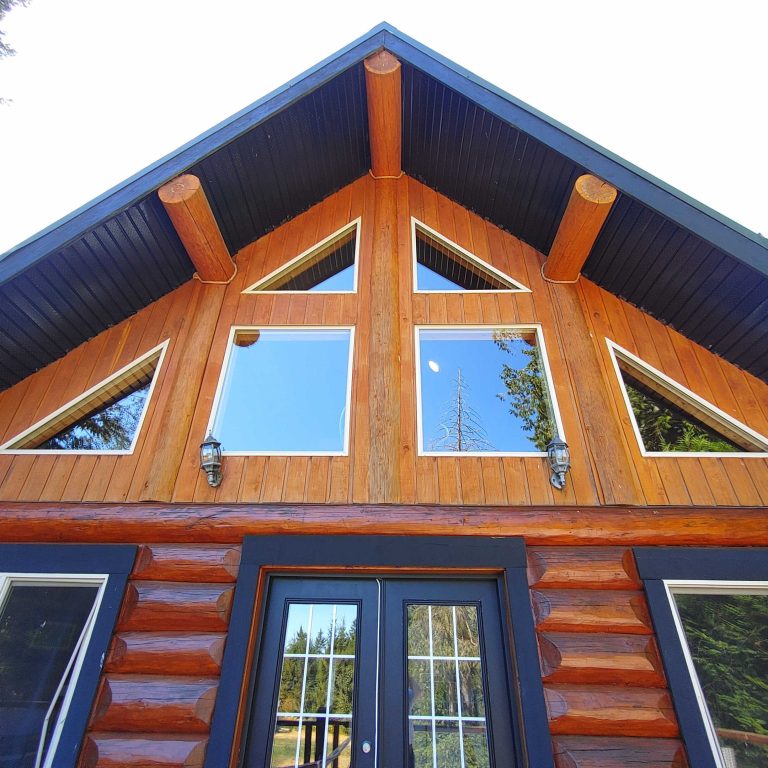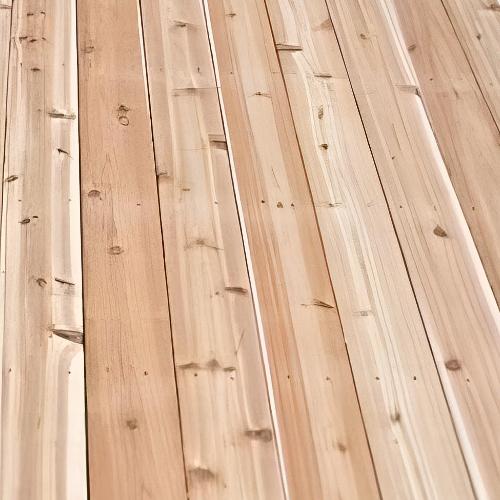
Cedar Vs Red Cedar: Unveiling the Key Differences
When it comes to choosing the right wood for your home or garden project, the decision can feel overwhelming. You want something that’s not only durable and beautiful but also fits your specific needs.
Enter the world of cedar and red cedar. At first glance, they might seem similar, but each type offers unique benefits that could make a big difference for you. Have you ever wondered why some people swear by cedar, while others are die-hard fans of red cedar?
Understanding these differences can help you make an informed decision, ensuring your project stands the test of time and delivers the aesthetic appeal you desire. Ready to discover which type of wood aligns perfectly with your vision? Let’s dive into the nitty-gritty details that will help you choose the best option for your next project.
Origins And Distribution
Cedar trees grow in many parts of the world. They like warm and cool areas. These trees are well-known for their pleasant smell and strong wood. Red Cedar is a special type. It mostly grows in the western parts of North America. Its wood is softer and lighter.
Cedar trees are found in places like Lebanon, North Africa, and the Himalayas. They are famous for their majestic height and wide branches. Red Cedar is not a true cedar but still important. It is used for making furniture and fencing. Each type of cedar has its own unique characteristics and uses.
Credit: duffieldtimber.com
Physical Characteristics
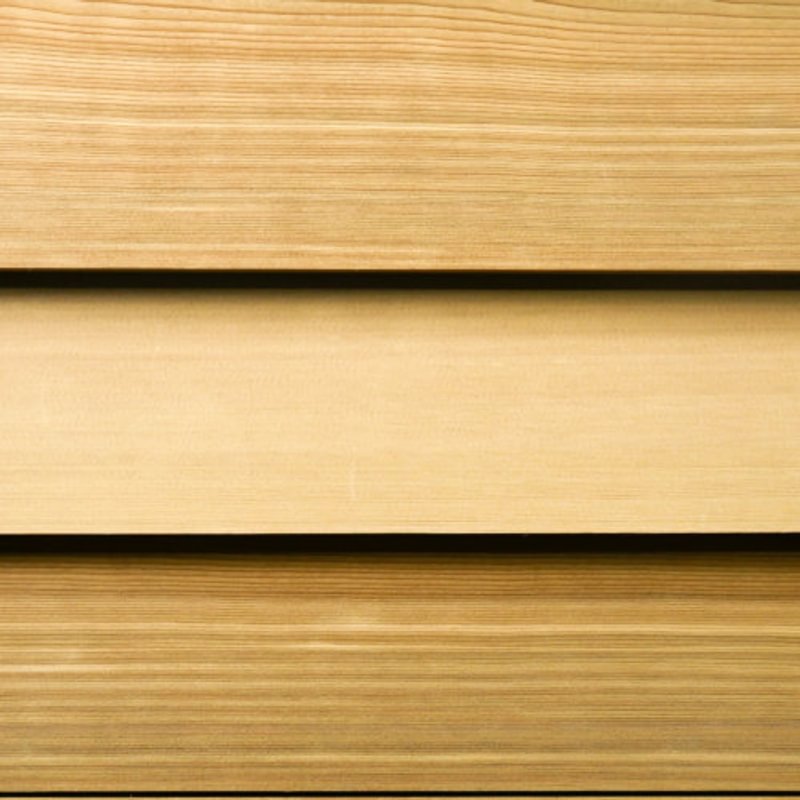
Cedar wood shows a light brown color. Red Cedar is darker, with a reddish hue. Cedar may have streaks of yellow. Red Cedar has a rich, bold color. Both woods have unique appearances. Cedar can brighten spaces. Red Cedar adds warmth with its deep tones.
Cedar has a smooth texture. Red Cedar feels soft to touch. Cedar’s grain is straight. Red Cedar’s grain can be wavy. Both have a uniform look. Cedar grain is tight. Red Cedar shows wider grain patterns. Both woods are easy to work with. Cedar is ideal for furniture. Red Cedar suits outdoor projects.
Durability And Strength
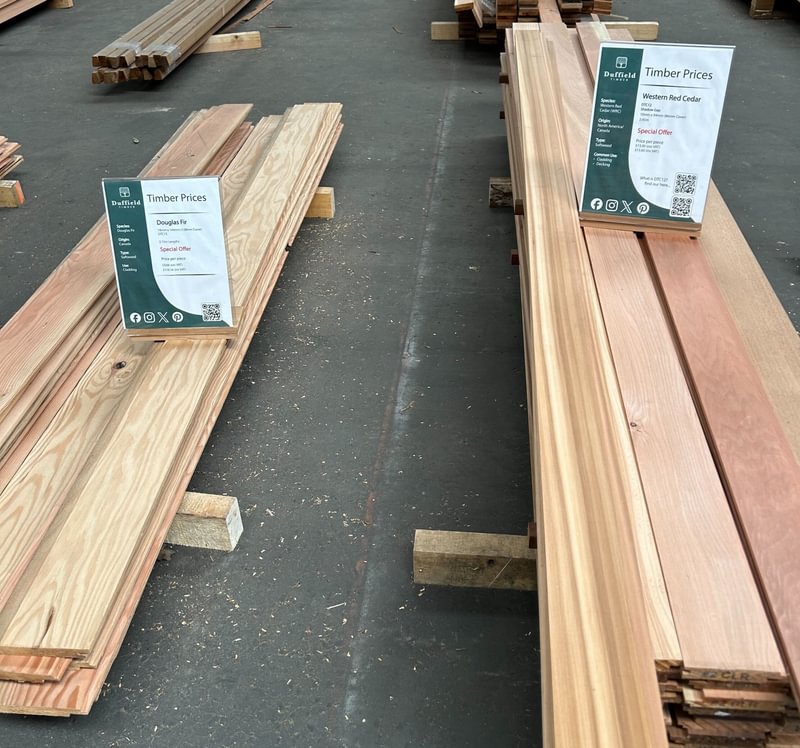
Red cedar is known for its great resistance to decay. This wood has oils that fight against rot. Cedar, on the other hand, is also good but not as strong. Both types last a long time. They do not need much care. This makes them popular for outdoor use.
Red cedar is very strong. It can hold up heavy loads. Cedar is also sturdy but lighter. Builders use both kinds for different projects. Red cedar is better for big structures. Cedar is great for smaller tasks. Both woods are reliable.
Credit: duffieldtimber.com
Aroma And Natural Oils
Cedar and Red Cedar have unique smells. Cedar has a gentle, woody scent. Red Cedar boasts a stronger, sweeter aroma. People often love the smell of Red Cedar. Its scent is comforting and warm. Cedar’s smell is subtler but still pleasant. It can remind you of forests and nature. These scents come from their natural oils.
Both types of cedar contain oils. These oils help protect the wood. Red Cedar has more oil than regular Cedar. This makes Red Cedar more durable. The oils also keep bugs away. Cedar oils are used in perfumes and sprays. They make things smell fresh and clean. People use them at home for a nice scent.
Common Uses
Cedar is often used for building homes and decks. Its natural oils keep bugs away. Red cedar is popular for roofing and siding. It can handle tough weather. Both types of wood are strong and long-lasting. They also look nice in outdoor spaces.
People love cedar for making furniture. It smells good and keeps moths away. Red cedar is great for craft projects. It is easy to carve and shape. Both woods are used in closets and chests. They help protect clothes and blankets from damage.
Environmental Impact
Cedar trees grow fast. They are easy to plant again. This makes them a good choice for building. Many people like red cedar for its color. It is pretty and strong. But, it grows slower. So, it is harder to replace. This affects the earth.
Cedar trees help animals. Many animals live in these trees. The trees give them homes. Red cedar also helps. It gives food and shelter. This is important for the balance of nature. Both trees keep the air clean. They take in carbon dioxide. Then, they give out oxygen. This helps us breathe.
Cost Considerations
Cedar wood is less expensive than Red Cedar. Red Cedar costs more due to its rich color and durability. Cedar is popular because it’s affordable. Red Cedar is a choice for those seeking premium quality. Pricing varies by region and supplier. Both types are used in outdoor projects. Cedar is common for fences and decks. Red Cedar is often used for siding and roofing.
Cedar offers a good balance of cost and quality. Red Cedar lasts longer and resists decay better. Initial cost is higher, but maintenance is less frequent. Cedar may need more upkeep over time. Red Cedar’s durability makes it a smart choice for long-term projects. Both types provide good value depending on needs. Consider upfront costs and future maintenance.

Credit: www.buffalo-lumber.com
Frequently Asked Questions
Is Red Cedar Better Than Cedar?
Red cedar and cedar are different types of wood. Red cedar offers higher resistance to decay and insects. It is often preferred for outdoor projects. Cedar is typically used for indoor purposes due to its pleasant aroma. Both have distinct benefits depending on your specific needs and project requirements.
Is Red Cedar The Same As Cedarwood?
Red cedar and cedarwood are different. Red cedar refers to a specific type of cedar tree. Cedarwood is a general term for wood from cedar trees. They offer distinct scents and uses.
How Can You Tell The Difference Between Red Cedar And White Cedar?
Red cedar has reddish-brown bark and aromatic wood. White cedar features lighter bark and less fragrant wood.
What Cedar Is Best For Outdoor Use?
Western Red Cedar is ideal for outdoor use. It offers durability, resistance to rot, and a natural beauty. Its weather-resistant properties make it perfect for decks, fences, and outdoor furniture. Choose Western Red Cedar for longevity and minimal maintenance in outdoor settings.
Conclusion
Choosing between cedar and red cedar depends on your needs. Both woods offer beauty and durability. Cedar is often more affordable. Red cedar might be preferred for outdoor projects. It resists insects and decay. Consider the color and grain differences.
These affect your final look. Cedar’s lighter hues suit bright spaces. Red cedar’s rich tones enhance warmth. Think about your budget and project scope. This helps decide which wood fits best. Both options provide quality and charm. Make your choice based on personal preference and project goals.