Aromatic Cedar Wood: Species, Hardness (900 lbf), Moth Facts
Aromatic cedar is eastern red cedar (Juniperus virginiana), a juniper rather than a true cedar, with a Janka hardness of 900 lbf, about 2.5 times western red cedar. Its oil can help against clothes moth larvae in a tight, clean closet, but Clemson Cooperative Extension calls most cedar chests and closets only marginally effective. This guide covers identification, hardness against other cedars, the old federal lining rule, and keeping the scent alive.
What Is Aromatic Cedar Wood, Really?
Best Cedar Closet Liner Pick
 |
Cedar Elements Aromatic Red Cedar Closet Liner, 15 sq ft: $54.99 Ready-made tongue-and-groove planking of the kind this guide describes. The listing states US-grown aromatic red cedar in 1/4 in x 3-3/4 in x 48 in planks.
|
As an Amazon Associate we earn from qualifying purchases.
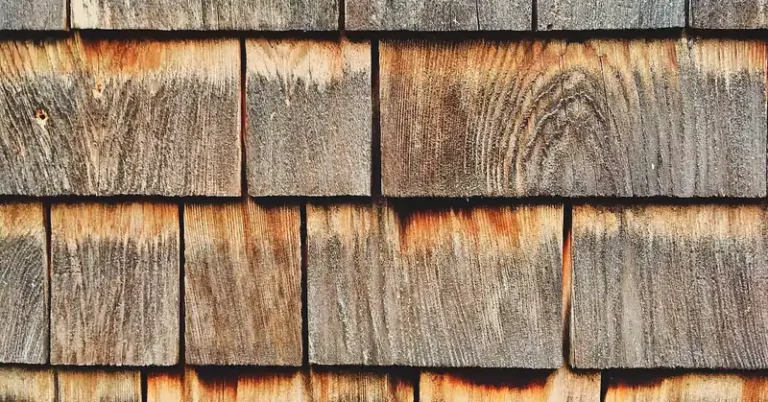
Aromatic cedar is a trade name, not a species. The wood sold under it is almost always eastern red cedar, Juniperus virginiana, a juniper native to eastern North America that is also sold as aromatic red cedar. It is not in the true cedar genus Cedrus, and it is not western red cedar (Thuja plicata), the soft wood used for siding and shingles. Our types of wood guide shows where softwoods like it sit among other species.

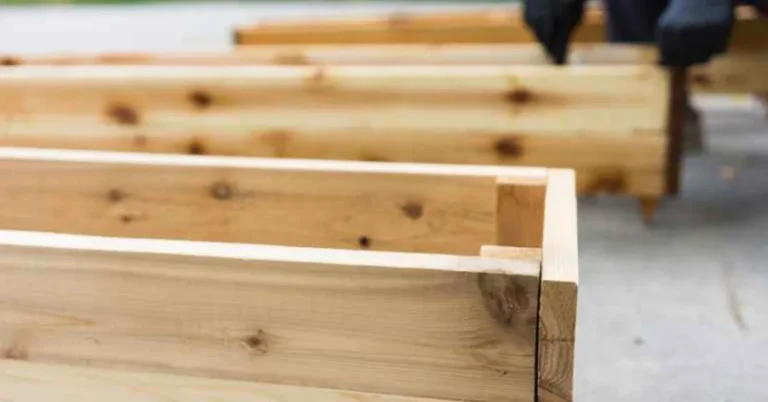
The Wood Database describes the heartwood as reddish or violet-brown, with pale yellow sapwood that can also appear inside the heartwood as streaks and stripes. Boards tend to be small and narrow with knots, and the wood has a distinct, easy-to-recognize scent. Those pale streaks matter later in this guide, because the closet-lining grade rule limits how much sapwood a board can show.
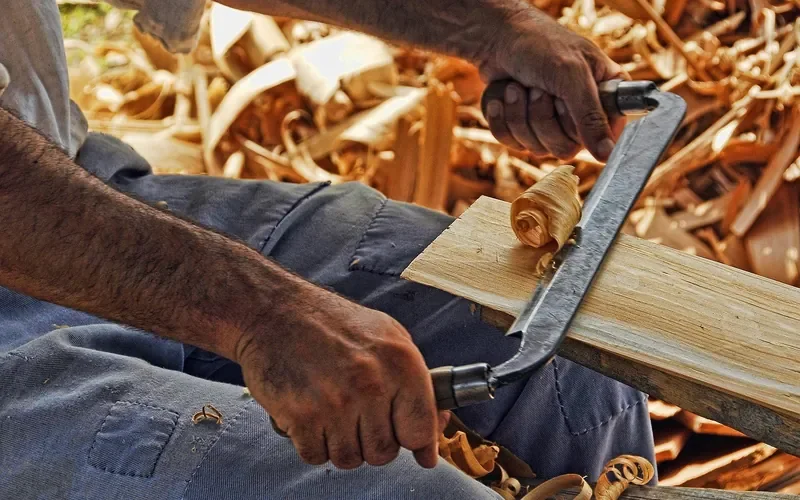
Two working notes from the same source: the wood is easy to work, but its high silica content dulls cutting edges, and although severe reactions are uncommon, it has been reported to cause skin and respiratory irritation. Wear a dust mask when sanding or sawing it.
Aromatic Cedar vs. Other “Cedars”: Hardness Compared
The word cedar covers woods from unrelated plant families, and their working properties are not close. Eastern red cedar is roughly 2.5 times harder than western red cedar (900 lbf against 350 lbf), which matters if you are choosing a board that must hold a nail or resist dents.
| Wood | Botanical name | Janka hardness | Density | Scent, per the Wood Database |
|---|---|---|---|---|
| Aromatic (eastern red) cedar | Juniperus virginiana | 900 lbf | 33 lb/ft3 | Distinct, tell-tale scent |
| Spanish cedar | Cedrela odorata (mahogany family) | 600 lbf | 29 lb/ft3 | Distinct, lingering cedar-like scent |
| Alaskan yellow cedar | Cupressus nootkatensis | 580 lbf | 31 lb/ft3 | Likened to raw potatoes |
| Western red cedar | Thuja plicata | 350 lbf | 23 lb/ft3 | Strong aromatic scent |
Which cedar is the most aromatic? We could not find a published scent-strength ranking for these woods, so be wary of any page that names a winner. What the numbers do show is that eastern red cedar is the hardest of the four and the one a federal closet-lining standard was written around, which is the next section. If you are weighing it against the other common red cedar, see our eastern vs western red cedar comparison.
How Much Cedar Does a Closet Need? What the Federal Standard Says
Most articles skip this. In 1931 the US Bureau of Standards issued Commercial Standard CS26-30 for aromatic red cedar closet lining, drawn up at an industry conference in Chattanooga in 1930. It is a minimum grade specification, not a law, but it is the clearest written answer to what counts as real cedar lining:
| Topic | What CS26-30 says |
|---|---|
| Species | Lining must be made only from genuine aromatic red cedar (Juniperus virginiana) |
| Heartwood | The face side of each piece must grade not less than 75 percent red heartwood |
| Sapwood | Sapwood running entirely across the face of a piece is not permitted |
| Allowed defects | Sound knots, white streaks in the heartwood and slight shakes in them, minor dressing flaws |
| Coverage | Cover the whole inside of the closet, including the inside of the door, and fit the door tightly |
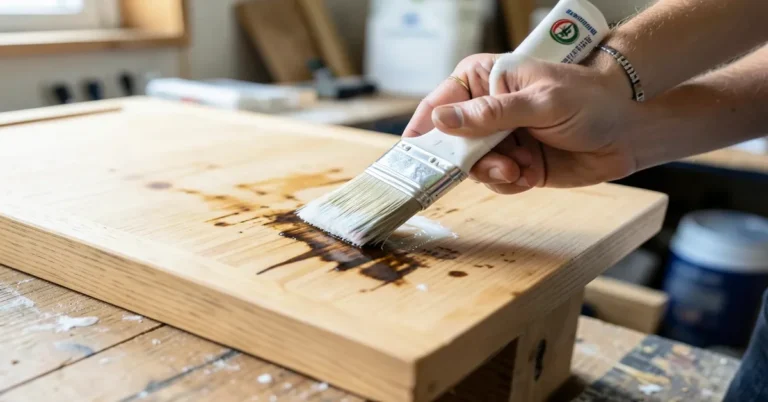
| Finish | No paint, varnish or other finish on the interior, because it seals the wood and stops the cedar oil from evaporating |
| Back of the boards | Seal the back side with shellac, paraffin or lacquer to keep aroma from escaping into the wall |
| Use | Store items free of moth eggs and larvae, dry cleaning preferred, and keep the door closed |
Two takeaways. First, the standard says more cedar gives more aroma but sets no minimum share of a room, and it covers lining boards, not chests, so there is no federal number for how much of a chest must be cedar. A practical check is red heartwood on the interior faces and a lid that closes tightly. Second, this is a 1930s industry grading rule that defines genuine lining. It is not a modern test of moth control, which is why the next section matters.
Why Aromatic Cedar Smells, and Why the Scent Fades
The scent comes from volatile oils in the wood. Volatile means they evaporate into the air, which is both how you smell them and why they run down. CS26-30 itself calls the aroma thrown off by the cedar the thing that checks moth damage, and says sealing the wood stops that release. Clemson’s extension notes that the repellent effect of cedar and similar oils diminishes over time.
You will often see a figure of three to five years before an open closet loses its scent. We could not trace that number to a published measurement, so we do not repeat it as fact. The real rate depends on airflow, the size of the space, and how much bare, unfinished wood is exposed. If the smell has faded, the fix is cheap, and the steps are below.
Does Aromatic Cedar Actually Repel Moths?
Only partly, and the evidence is more cautious than most product pages. The Clemson Cooperative Extension factsheet on fabric pests says most cedar chests and closets are only marginally effective against them, and only for fabrics that start out free of pests. It also advises keeping closets uncluttered so the oils can circulate. University of Maryland Extension does list cedar chests, blocks and closets as providing protection, but puts cleaning and sealed storage first: dry cleaning alone kills all stages of clothes moths, and woolens should be cleaned and stored in sealed boxes.
In other words, cedar is a backup layer, not a cure. If you want a bug-by-bug look beyond clothes moths, our does cedar repel insects page covers it. Here is what the sources say actually protects wool:
| Step | Why it matters | Source |
|---|---|---|
| Clean or dry-clean before storing | Dry cleaning alone kills all stages of clothes moths | University of Maryland Extension |
| Start with items free of eggs and larvae | Cedar is not meant to clear an infestation already in the fabric | CS26-30 and Clemson |
| Store woolens in sealed boxes | Keeps moths away from the fabric | University of Maryland Extension |
| Keep the cedar closet door closed | Failing to do so materially decreases efficiency | CS26-30 |
| Do not overfill the closet | Clutter blocks circulation of the volatile oils | Clemson Cooperative Extension |
| Leave the cedar unfinished | A finish seals the wood and stops the oil evaporating | CS26-30 |
How To Refresh Aromatic Cedar’s Scent
Because the scent depends on oil evaporating from the surface, the usual fix is to expose fresh wood. Sellers of cedar closet blocks commonly advise a light sanding to revive the smell. We found no lab study measuring how much a sanding restores, so treat it as a practical routine rather than a guarantee.
- Sand lightly: Use fine sandpaper and take off just enough of the surface to expose fresh wood.
- Remove the dust: Vacuum or wipe the boards so sanding dust does not sit on the surface.
- Leave it unfinished: Do not apply paint, varnish or any other finish, because a finish seals the wood and stops the oil from evaporating.
- Close the door: Keep the closet or chest closed except when you add or remove items.
Where Aromatic Cedar Works, and Where It Doesn’t
Closets, chests, drawer liners and hanger blocks are the classic uses, since a small enclosed space holds the aroma. For ideas on the chest side, see our cedar chest page. If you would rather compare ready-made liners and blocks, our best cedar for closets roundup does that.
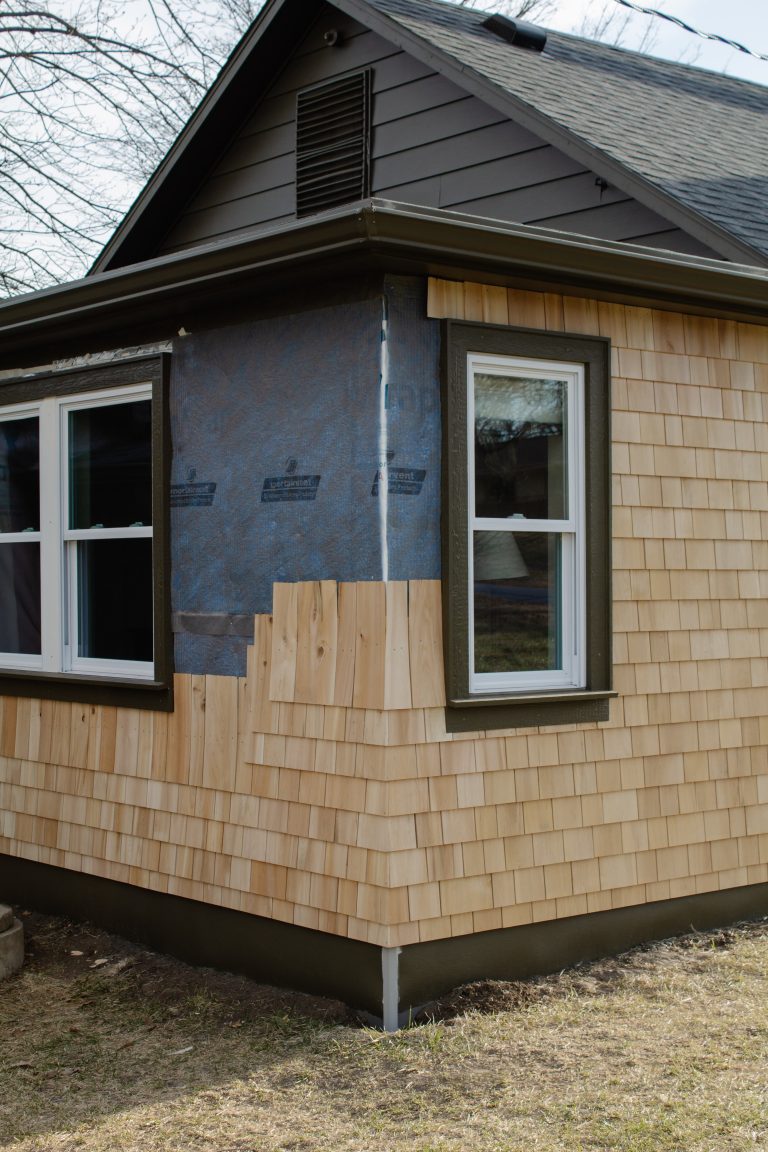
A common claim, including in an earlier version of this article, is that aromatic cedar does not belong outdoors. That is a myth. The Wood Database rates eastern red cedar as excellent in resistance to decay and insect attack and lists fence posts and outdoor furniture among its uses. The real limits are size and appearance: boards are small, narrow and knotty, so it suits posts and small projects better than wide siding.
Keep it out of small-animal cages. Purdue University’s veterinary hospital advises avoiding cedar shavings for guinea pigs, citing chronic upper respiratory problems and liver changes linked to the aromatic oils. That concerns loose shavings as bedding, not a lined closet or chest.
On cost, the Wood Database notes that small, narrow, knotty boards are readily available at a modest price. At the time of writing, the liner in the box above lists at $54.99 for 15 square feet, about $3.67 per square foot. For the traditional wellness and aromatherapy side of cedar, which this page does not cover, see our cedar benefits and uses guide, or browse the full cedar section.
Common Mistakes With Aromatic Cedar
- Sealing it for looks: CS26-30 says positively no paint, varnish or other finish on the interior of a cedar closet.
- Expecting it to rescue dirty clothes: Clemson’s advice applies only to fabrics that start pest-free, so clean first.
- Leaving the door open or the closet packed: both cut the efficiency the standard and Clemson describe.
- Using shavings as pet bedding: veterinary guidance is to avoid cedar shavings for guinea pigs.
- Assuming any cedar-labeled wood is aromatic cedar: Spanish, Alaskan yellow and western red cedar are different species with different hardness and scent, as the table above shows.
Frequently Asked Questions
Is aromatic cedar a real cedar?
No. Aromatic cedar is eastern red cedar (Juniperus virginiana), a juniper. It is not in the true cedar genus Cedrus, and it is a different species from western red cedar (Thuja plicata). The name is a trade label, not a botanical one.
Does aromatic cedar repel moths?
Only partly. Clemson Cooperative Extension calls most cedar chests and closets only marginally effective against fabric pests, and only for fabrics that start out pest-free. Treat cedar as a backup layer after cleaning clothes and storing woolens in sealed boxes.
How long does aromatic cedar’s scent last?
There is no reliable published figure. The scent comes from volatile oils that evaporate, and Clemson notes that the repellent effect of cedar diminishes over time. How fast depends on airflow, closet size and how much bare wood is exposed. Lightly sanding a lining exposes fresh wood.
How much of a closet has to be aromatic cedar?
The 1931 federal standard for closet lining sets no minimum share of a room. It requires lining boards to be genuine aromatic red cedar with at least 75 percent red heartwood on the face, advises covering the whole interior including the door, and says more cedar gives more aroma.
Is aromatic cedar good for outdoor use?
Often, yes. The Wood Database rates eastern red cedar as excellent in resistance to decay and insect attack and lists fence posts and outdoor furniture among its uses. Its limits are small, narrow, knotty boards, not rot. Use it for posts and small outdoor pieces rather than wide siding.
Is aromatic cedar safe for pets?
Not as bedding. Purdue University’s veterinary hospital advises avoiding cedar shavings for guinea pigs because the aromatic oils have been linked to chronic upper respiratory problems and liver changes. A lined closet or chest out of the animal’s reach is a different situation from shavings in a cage.
Aromatic cedar is a real, useful wood with a more modest moth record than its reputation. Use it for what it does well, a fragrant, unfinished lining in a tight space, and let cleaning and sealed storage do the heavy lifting against moths.
Sponsored / affiliate links. As an Amazon Associate I earn from qualifying purchases. I may earn additional commission from eligible campaigns.