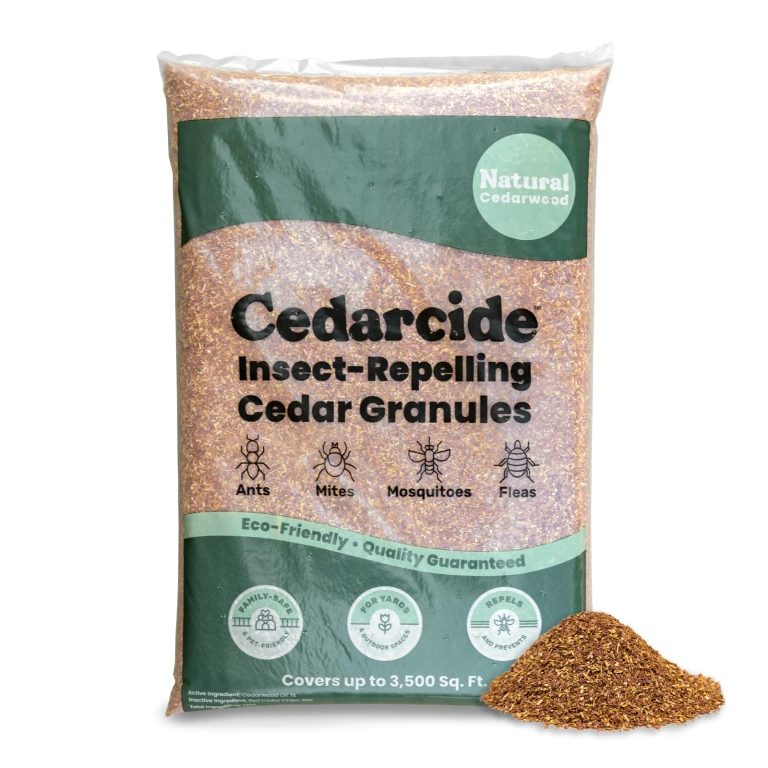
Cedarwood Oil Home Depot: Genius Essential Uses
Cedarwood oil from Home Depot is a DIYer’s best friend. Use it to create a natural wood polish that restores shine, repel moths and other pests from closets and pantries, and deodorize your home with a fresh, woodsy scent. It’s a versatile, affordable, and powerful tool for everyday home care and projects.
Hello, fellow makers! Md Meraj here. If you’ve ever walked through the aisles of Home Depot, you’ve probably seen small bottles of cedarwood oil. Maybe you thought it was just for making things smell nice. But I’m here to tell you it’s one of the most underrated tools for any homeowner or DIY enthusiast. It’s like a secret weapon for keeping your home and projects in top shape.
Many folks overlook it, grabbing chemical-heavy products instead. That’s a missed opportunity! Cedarwood oil is a natural, powerful, and incredibly versatile solution for so many common household tasks. In this guide, I’ll show you some truly genius, simple ways to use it. We’ll turn that little bottle into your go-to for wood care, pest control, and so much more.
What Exactly is Cedarwood Oil?
Let’s start with the basics. Cedarwood oil is a natural oil that comes from the wood of cedar trees. Think of that amazing, fresh smell when you open a cedar chest—that’s the oil at work! For centuries, people have used it for its wonderful scent and practical benefits. It’s a champion at repelling insects, preventing mildew, and creating a sense of calm.
For us DIY folks, it’s a game-changer. It’s a single, affordable product that can replace several others in your toolkit. Instead of buying a separate furniture polish, a moth repellent, and an air freshener, you can use cedarwood oil for all three. It’s natural, effective, and easy to find on your next trip to Home Depot, usually near the wood stains or cleaning supplies.
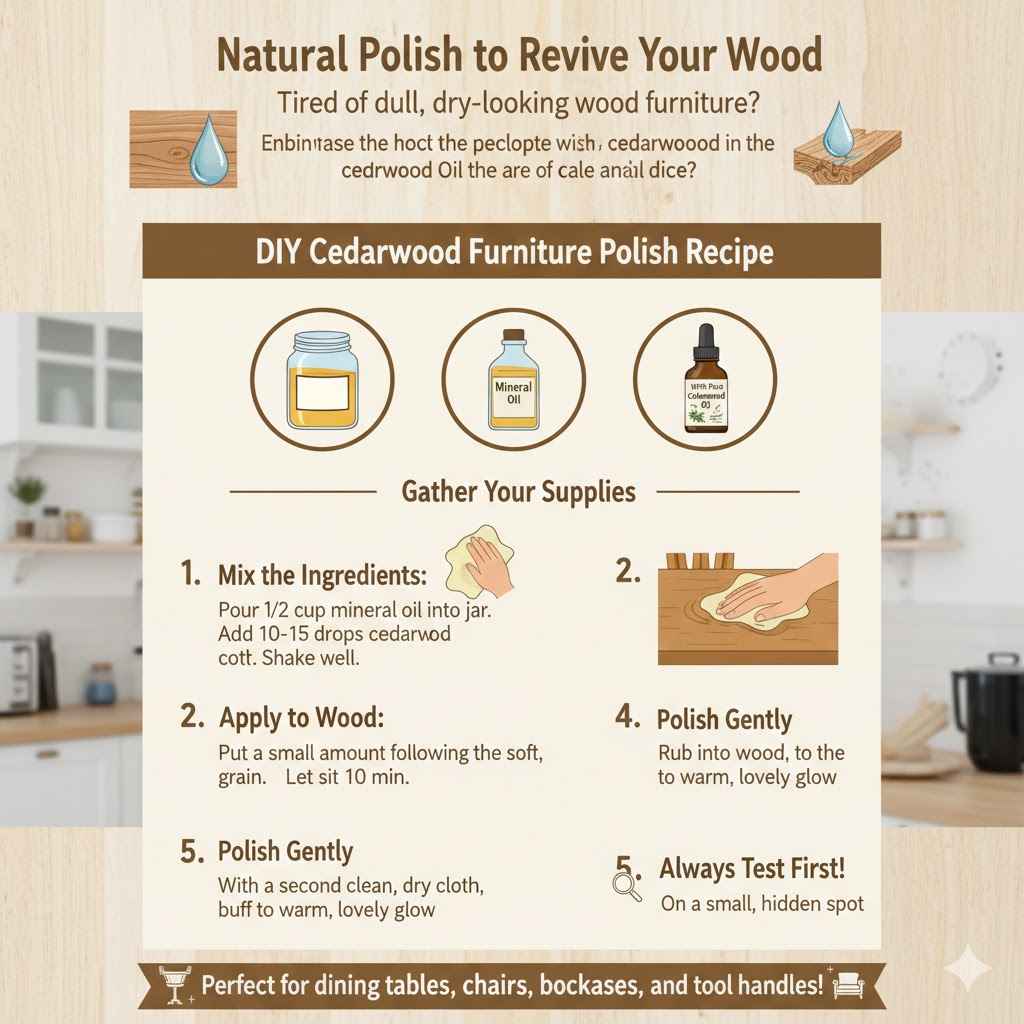
A Natural Polish to Revive Your Wood
Tired of dull, dry-looking wood furniture? Forget those waxy, chemical-filled sprays. Cedarwood oil is fantastic for conditioning and protecting wood. It seeps into the grain, moisturizes the wood fibers to prevent cracking, and leaves behind a beautiful, subtle sheen that makes the natural grain pop. It’s like giving your wooden furniture a refreshing drink of water.
DIY Cedarwood Furniture Polish Recipe
Making your own wood polish is incredibly easy and rewarding. It works better than many store-bought options and you know exactly what’s in it. Here’s my favorite simple recipe:
- Gather Your Supplies: You will need a clean glass jar, 1/2 cup of mineral oil (or fractionated coconut oil), and about 10-15 drops of 100% pure cedarwood oil.
- Mix the Ingredients: Pour the mineral oil into your jar. Add the drops of cedarwood oil. Put the lid on tightly and give it a good shake to mix everything together. That’s it!
- Apply to Wood: Put a small amount of your new polish onto a soft, clean cloth (an old t-shirt works great).
- Polish Gently: Rub the polish into your wood furniture, following the direction of the grain. Use gentle, circular motions. Let it sit for about 10 minutes to soak in.
- Buff to a Shine: With a second clean, dry cloth, buff the surface until it has a warm, lovely glow.
This polish is perfect for dining tables, wooden chairs, bookcases, and even wooden tool handles to keep them in good shape. Always remember to test any new polish on a small, hidden spot first!
Your Best Defense Against Moths and Pests
One of the most well-known powers of cedar is its ability to repel pests. Moths, carpet beetles, and even spiders can’t stand the smell. This is why cedar closets and chests have been used for generations to protect precious woolens and linens. You can get the same benefit without rebuilding your closet!
Simple, Chemical-Free Pest Control
- Closets and Drawers: Put a few drops of cedarwood oil onto a cotton ball or a small, unfinished block of wood. Tuck these into the corners of your drawers, closets, or storage bins.
- Refresh Cedar Blocks: If you already have cedar blocks or hangers that have lost their scent, you can bring them back to life! Lightly sand the surface to expose fresh wood, then rub a few drops of cedarwood oil on them. They’ll be good as new.
- DIY Pest-Repellent Spray: In a small spray bottle, mix 1 cup of water with 15-20 drops of cedarwood oil. Shake it well before each use and lightly mist it along baseboards, in pantry corners, and around window sills where pests might enter. According to the Environmental Protection Agency (EPA), cedarwood oil is a minimum-risk pesticide known for its repellent qualities.
Using cedarwood oil is a much safer and more pleasant alternative to smelly, toxic mothballs, especially if you have kids or pets at home.
Cedarwood Oil vs. Chemical Mothballs
| Feature | Cedarwood Oil | Chemical Mothballs |
|---|---|---|
| Scent | Pleasant, fresh, woodsy | Harsh, chemical odor |
| Safety | Generally safe around kids and pets (use caution with cats) | Contains toxic chemicals; harmful if ingested |
| Ingredients | Natural, plant-derived | Naphthalene or paradichlorobenzene |
| Environmental Impact | Biodegradable and eco-friendly | Can contaminate soil and water |
Deodorize and Refresh Your Entire Home
Beyond its practical uses, cedarwood oil just smells clean and comforting. Its grounding, earthy aroma can help eliminate musty or stale odors instead of just masking them. It leaves your home smelling like a walk through a peaceful forest.
Easy Ways to Create a Calming Atmosphere
- Homemade Room Spray: Use the same recipe as the pest-repellent spray (1 cup of water to 15-20 drops of oil). You can spray it into the air to freshen up a room, or lightly mist it on fabric surfaces like curtains or upholstered furniture (test a small spot first!).
- Diffuser Magic: If you have an essential oil diffuser, adding 5-7 drops of cedarwood oil is one of the easiest ways to fill your home with its lovely scent. It’s especially calming in a bedroom or living area.
- Carpet Freshener: Mix about 20 drops of cedarwood oil into one cup of baking soda. Sprinkle the mixture over your carpets, let it sit for about 15-20 minutes, and then vacuum it up thoroughly. Your carpets will be refreshed and deodorized.
- Trash Can Deodorizer: Put a few drops of oil on a cotton ball and place it at the bottom of your trash can (underneath the bag) to help neutralize odors.
A Helper for Your Outdoor and Garden Projects
Cedarwood oil’s benefits don’t stop at the door. Its natural water-repellent and pest-deterring properties make it a handy tool for outdoor and garden applications too.
Protecting Outdoor Wood
For smaller outdoor wood projects like planters, birdhouses, or untreated patio furniture, cedarwood oil can offer a light layer of protection. Mix it with a carrier oil like boiled linseed oil or tung oil to create a simple, natural wood finish. This helps repel water and can deter the growth of mildew on the surface.
To do this, mix about 1 part cedarwood oil with 4 parts linseed oil. Wipe it onto the clean, dry wood surface with a rag, let it soak in, and then wipe away any excess. Note that for heavy-duty protection on a deck or fence, you’ll still want a dedicated outdoor sealant, but this is a great, natural option for smaller items.
A Gardener’s Secret Weapon
Pests in the garden can be a real headache. Cedarwood oil can help deter certain unwanted visitors from your non-edible plants. Create a diluted spray (about 20 drops of oil per 16 ounces of water with a tiny drop of dish soap to help it mix) and spray it around the base of ornamental plants to discourage slugs, snails, and other crawlers. The National Pesticide Information Center provides more details on how essential oils, including cedarwood, can be part of an integrated pest management strategy.
Outdoor Cedarwood Oil Applications
| Project | Application Method | Benefit |
|---|---|---|
| Wooden Planter Boxes | Wipe on a mix of cedarwood and linseed oil | Helps repel moisture and resist rot |
| Garden Tool Handles | Rub in a small amount of pure oil | Conditions the wood and deters pests |
| Patio Table (Untreated) | Apply with a cloth as a light polish | Enhances wood grain and repels insects |
Finding Your Cedarwood Oil at Home Depot
Okay, so you’re ready to grab a bottle. Where do you look? Navigating a big store like Home Depot can be tricky. Cedarwood oil can sometimes be in a few different places:
- The Paint Aisle: Look near the wood stains, finishes, and solvents. Sometimes brands like “Hope’s” or “Zinsser” will have 100% tung oil or other natural finishes, and cedarwood oil is often nearby.
- The Garden Center: Check the pest control section, especially where they keep natural or organic pest solutions.
- The Cleaning Aisle: With the rise in popularity of essential oils for cleaning, some stores stock them alongside other air fresheners and cleaning concentrates.
When you find it, read the label. You’re looking for “100% Pure Cedarwood Oil” for the most potent and versatile uses. Some products might be diluted, which is fine for some applications but less effective for others.
Safety First: Using Cedarwood Oil The Right Way
As with any tool in the workshop, using cedarwood oil safely is key. It’s natural, but it’s also powerful.
- Always Dilute for Sprays: Don’t use undiluted oil in a spray bottle. Always mix it with water or a carrier oil like mineral or coconut oil.
- Pets and Oil: Be cautious when using cedarwood oil around pets. While it’s generally safer than chemical products, some animals, especially cats, can be very sensitive to essential oils. It’s always a good idea to check with your veterinarian before using it extensively in your home.
- Do a Patch Test: Before applying it to a large piece of furniture or fabric, test it on a small, inconspicuous area to make sure it doesn’t cause any discoloration.
- Ensure Good Ventilation: When you’re applying the oil or spraying it indoors, make sure the room is well-ventilated. Open a window to let fresh air circulate.

Frequently Asked Questions (FAQ)
Is cedarwood oil from Home Depot the same as essential oil?
Generally, yes. The cedarwood oil you find in the hardware section is steam-distilled from cedar wood, just like therapeutic-grade essential oil. However, it’s typically packaged for household and workshop use rather than for aromatherapy, so just be sure you’re buying 100% pure oil without additives.
Can I use cedarwood oil to treat my entire deck?
I wouldn’t recommend it as a primary sealant. While it offers some moisture and pest resistance, it’s not durable enough to protect a large, high-exposure surface like a deck. You should use a proper deck stain or sealant designed for heavy outdoor use. Cedarwood oil is better for smaller projects and refreshing existing cedar.
Is cedarwood oil safe for my pets?
This is an important question. For dogs, cedarwood oil is often used in natural flea and tick repellents and is generally considered safe when properly diluted. However, cats lack a specific enzyme in their liver and can have a difficult time metabolizing essential oils, making them much more sensitive. It is best to avoid using it in diffusers or sprays in homes with cats and always consult your vet.
How long does the moth-repellent smell last?
The scent from a few drops on a cotton ball or wooden block can last for several weeks to a few months, depending on air circulation. When you can no longer smell it easily, it’s time to reapply. Refreshing your cedar blocks or cotton balls every 2-3 months is a good practice.
Can I mix cedarwood oil with my paint or stain?
It’s not a good idea to mix essential oils directly into commercial paints or stains. Doing so can affect the product’s chemical composition, how it dries, and its overall durability. Stick to using cedarwood oil for polishing, cleaning, or creating your own simple oil finishes.
Your New Secret Weapon in the Workshop
There you have it. That humble bottle of cedarwood oil at Home Depot is so much more than just an air freshener. It’s a powerful tool for polishing and protecting your woodworking projects, keeping pests out of your home naturally, and creating a clean, welcoming environment for your family.
It’s affordable, it’s effective, and it’s made from nature. By adding it to your DIY arsenal, you’re choosing a simpler, more resourceful way to care for your home and creations. So on your next trip, pick up a bottle. I promise you’ll be amazed at how often you reach for it. Happy building!