Cedarwood State Shoes Primark: The Ultimate Essential Guide
Cedarwood State shoes are an affordable men’s footwear line from Primark, not made of actual cedarwood. To make them last, the key is using proper shoe care techniques. This includes regular cleaning based on the material, using cedar shoe trees to absorb moisture and maintain shape, and performing simple DIY repairs to extend their life.
Hello there! It’s Md Meraj, your friendly guide in the workshop. We often talk about building things from scratch, but today, I want to talk about something just as important: taking care of what you already have. You might have just picked up a stylish pair of Cedarwood State shoes from Primark. They look great and the price was even better! But now you might be wondering, “How do I keep these looking good for more than just a few weeks?” It’s a common worry with affordable fashion.
Well, you’ve come to the right place. I’m here to show you that with a little bit of a craftsman’s mindset, you can make those shoes go the distance. We’re going to cover everything from simple cleaning routines to the secret weapon that truly brings the “cedarwood” magic to your footwear. Let’s get started!
What Exactly Are Cedarwood State Shoes?
First things first, let’s clear up a common point of confusion. Despite the name, Cedarwood State shoes are not made from cedar wood. “Cedarwood State” is simply the name of one of Primark’s private-label menswear brands. Think of it like a brand name, not a description of the material.
This brand offers a wide range of men’s clothing and accessories, including a diverse collection of shoes designed to be fashionable and, most importantly, budget-friendly. Because they are built to be affordable, the materials used are typically practical and cost-effective rather than high-end. This is perfectly fine! It just means that our approach to caring for them needs to be smart and consistent.
Common Types of Cedarwood State Shoes
When you walk into a Primark, you’ll find a variety of styles under the Cedarwood State label. Understanding what you have is the first step to caring for it properly. Here are a few common types you’ll encounter:
- Casual Trainers: These are your everyday sneakers, often made from canvas, mesh, or synthetic leather. They’re perfect for weekend errands or a casual day out.
- Smart Shoes: This category includes loafers, derbies, and brogues meant for work or more formal occasions. They are almost always made from polyurethane (PU), or “pleather,” to mimic the look of real leather without the cost.
- Boots: From Chelsea boots to sturdier lace-up styles, these are popular in colder months. Again, the material is usually a synthetic leather or suede alternative.
- Sandals and Sliders: For summer, you’ll find simple, functional footwear made from rubber, synthetics, and fabric straps.
Here’s a simple table to break down what you can expect from these shoes and the materials they commonly use.
| Shoe Type | Common Materials | Best For |
|---|---|---|
| Trainers / Sneakers | Canvas, Mesh, Polyurethane (PU) Upper, Rubber Sole | Everyday casual wear, light activities |
| Smart Shoes (e.g., Oxfords, Loafers) | Polyurethane (PU) Upper, Thermoplastic Rubber (TPR) Sole | Office wear, formal events, smart-casual outfits |
| Boots (e.g., Chelsea, Desert) | Faux Suede, Polyurethane (PU) Upper, Rubber Sole | Autumn/Winter wear, stylish and practical |
| Sandals / Sliders | Rubber, EVA Foam, Fabric Straps | Summer, holidays, casual home wear |

Bringing Real Cedarwood to Your Cedarwood State Shoes
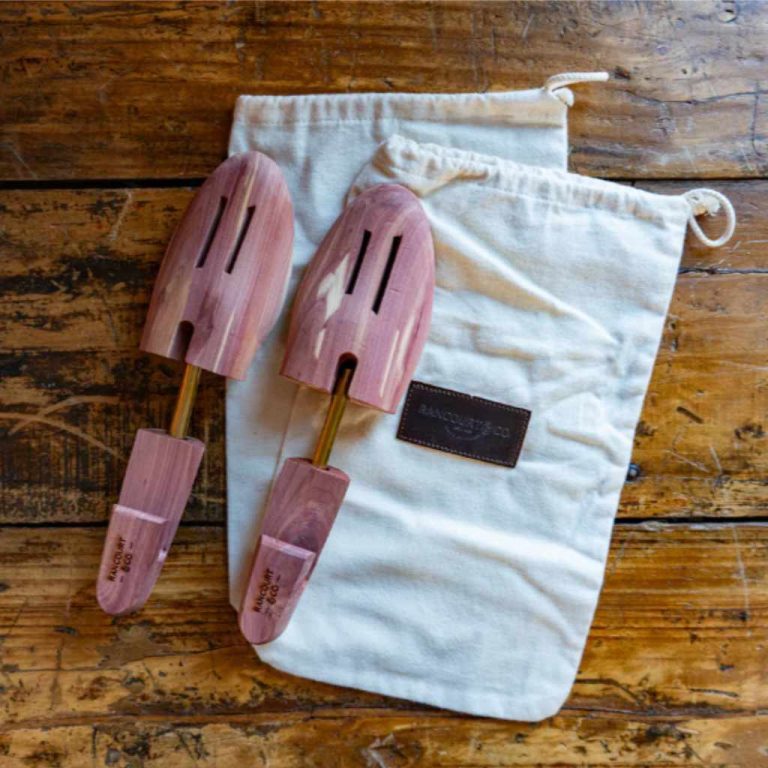
Now, here’s where we get to the heart of the matter. Just because the shoes aren’t made of cedar doesn’t mean we can’t introduce it! In my workshop, I know that the right tool can make all the difference. When it comes to shoe care, the most important tool you can own is a pair of high-quality cedar shoe trees.
Think of shoe trees as an internal support frame for your footwear. Every time you wear your shoes, your feet sweat, and the material (especially synthetics) traps that moisture. The shape of the shoe also gets distorted from walking. Leaving them in a pile by the door is the fastest way to see them crease, crack, and start to smell. Cedar shoe trees solve all of these problems at once.
The Magic of Cedar Wood
Why cedar? Not just any wood will do. Aromatic Eastern Redcedar is a remarkable material with natural properties that make it perfect for shoe care. The U.S. Forest Service notes its incredible resistance to decay, which is exactly what you want inside a damp shoe. Here’s what makes it so special:
- Moisture Absorption: Unfinished cedar wood is porous and acts like a natural dehumidifier. It wicks away the moisture and sweat left inside your shoes after a day’s wear, helping them dry out completely from the inside out. This prevents the lining from rotting and the material from warping.
- Natural Deodorizer: Cedar has a clean, pleasant aroma that comes from its natural oils. These oils neutralize nasty odors instead of just masking them. Your shoes will smell fresh and clean every time you put them on.
- Shape Retention: A good shoe tree has a fully shaped heel and a spring-loaded toe that pushes gently against the shoe’s interior. This smooths out the creases and wrinkles that form during wear and helps the shoe maintain its original shape, preventing it from curling up or collapsing.
How to Choose the Right Cedar Shoe Trees
Not all shoe trees are created equal. When you’re shopping for a pair, look for these three key features:
- Unfinished Cedar: The wood must be unvarnished or unlaquered. A sealed, glossy finish looks nice, but it completely blocks the wood’s ability to absorb moisture and release its fresh scent. You want raw, natural wood.
- Split-Toe Design: A split-toe shoe tree has two toe sections connected by a spring mechanism. This allows it to expand slightly to fill the front of your shoe perfectly, providing a better fit across different shoe widths and preventing overstretching.
- Full Heel: Avoid shoe trees with a simple knob at the back. You want one with a fully formed, contoured heel. This provides the best support for the rear of the shoe, which is a critical area for maintaining shape and structure.
Your Step-by-Step Guide to Making Your Primark Shoes Last
Alright, you’ve got your shoes and your new cedar shoe trees. Now it’s time for the routine. A craftsman knows that regular maintenance is the key to longevity. This doesn’t need to take hours. A few minutes of care after each wear or a quick cleaning session once a week will make a world of difference.
Let’s break down the process by the most common materials used in Cedarwood State shoes.
Caring for Synthetic Leather Shoes (PU)
Synthetic leather, or polyurethane (PU), is what most of the “smart” Cedarwood State shoes are made from. It’s durable and water-resistant, but it can easily scuff and crack if neglected.
- Wipe Down After Wear: As soon as you take them off, give them a quick wipe with a soft, dry cloth. This removes any surface dust and dirt before it has a chance to get ground in.
- Perform a Deeper Clean (Weekly): Mix a drop of mild soap (like dish soap) into a bowl of warm water. Dip a soft cloth in the solution, wring it out well, and gently wipe down the entire shoe. Use a separate cloth dampened with plain water to “rinse” away any soap residue.
- Address Scuffs Immediately: Minor scuffs on PU can often be buffed out. Try using a small amount of non-gel toothpaste or a baking soda paste on a soft cloth and gently rub the scuff mark in a circular motion. Wipe clean with a damp cloth.
- Always Use Your Shoe Trees: This is the most important step! As soon as your shoes are off your feet, slide the cedar shoe trees in. This will immediately start absorbing moisture and will smooth out the creases that formed while you were walking.
Caring for Canvas or Fabric Trainers
Canvas trainers are comfortable and stylish, but they get dirty fast. Never, ever throw them in the washing machine—it can destroy the glues that hold the shoe together and ruin their shape.
- Brush Off Dry Dirt: Before you get them wet, use a dry shoe brush or an old toothbrush to gently scrub away any loose dirt, dust, and mud. Pay special attention to the area where the canvas meets the rubber sole.
- Spot Clean Stains: Create a gentle cleaning solution with warm water and a small amount of laundry detergent or dish soap. Dip a cloth or brush into the solution and gently scrub the stained areas. Work in small, circular motions.
- Clean the Laces: Remove the laces and soak them in the same cleaning solution. After about 15 minutes, rinse them thoroughly and let them air dry.
- Rinse and Dry: Use a clean cloth dampened with plain water to wipe away any soap. Stuff the shoes with paper towels or newspaper to absorb initial moisture, then remove it after an hour. Let them air dry completely away from direct sunlight or heat, as this can cause yellowing and damage. Finally, insert your cedar shoe trees to help them keep their shape as they finish drying.
Waterproofing: Your First Line of Defense
One of the best things you can do for any pair of affordable shoes is to waterproof them right out of the box. A good quality waterproofing spray creates an invisible barrier that repels water, dirt, and stains.
- Choose a spray appropriate for the material (most work on synthetics and canvas).
- Make sure your shoes are clean and dry.
- In a well-ventilated area, hold the can about 6-8 inches away and apply a light, even coat.
- Let them dry for at least an hour, then apply a second coat.
- Allow the shoes to cure for a full 24 hours before wearing them.
Quick Fixes from the Workshop: Easy DIY Shoe Repairs
Part of being resourceful is knowing how to fix things instead of just replacing them. A minor issue doesn’t have to mean the end for your shoes. With a few simple tools, you can handle common problems and drastically extend the life of your footwear.
Here’s a look at a basic toolkit you can assemble for minor shoe repairs.
| Tool / Material | Primary Use | Beginner-Friendly Tip |
|---|---|---|
| Specialized Shoe Glue (e.g., Shoe Goo) | Re-attaching separating soles, fixing loose flaps | Make sure both surfaces are clean and dry before applying. Use clamps or rubber bands to hold it tight while it cures. |
| Soft Bristle Brush | Cleaning canvas, faux suede, and removing dry dirt | Use a separate brush for dark and light-colored shoes to avoid color transfer. |
| Microfiber Cloths | Wiping, cleaning, polishing, and applying products | Always use a clean cloth for each step (one for cleaning, one for polishing, etc.). |
| Matching Shoe Polish or Cream | Covering scuffs on synthetic leather | Test on an inconspicuous area first. A little goes a long way! |
Fixing a Separating Sole
It’s a common sight: the sole starts to flap away from the upper at the toe or heel. Don’t worry, this is an easy fix.
- Clean Both Surfaces: Use a cotton swab with a bit of rubbing alcohol to thoroughly clean the inside of the flap and the top of the sole where it separated. This removes any dirt and oils that could prevent a strong bond.
- Apply Shoe Glue: Use a flexible, waterproof shoe adhesive. According to Consumer Reports, choosing the right adhesive for the material is critical. Apply a thin, even layer to both surfaces.
- Press and Clamp: Firmly press the two surfaces together. Wipe away any excess glue that squeezes out immediately. To ensure a tight bond, use strong rubber bands, painter’s tape, or small clamps to hold the area together.
- Let It Cure: Follow the manufacturer’s instructions for curing time. This is usually 24 hours. Don’t rush this step!
The Final Touch: Smart Storage and Rotation
The last piece of the puzzle is how you treat your shoes when you’re not wearing them. Good habits here are just as impactful as active cleaning.
The golden rule of shoe care is rotation. You should avoid wearing the same pair of shoes two days in a row. Giving your shoes a full day (or even two) to rest and dry out is the single best thing you can do for their longevity. This gives the materials time to recover their shape and allows the cedar shoe trees to do their work and completely wick away all the moisture.
When it comes to storage, keep them in a cool, dry place with good air circulation. Don’t toss them in a plastic box or a damp basement. An open shoe rack in a closet is ideal. And of course, always keep your cedar shoe trees inside them when they’re not on your feet.

Frequently Asked Questions (FAQ)
What are Cedarwood State shoes?
Cedarwood State is an in-house men’s fashion brand from the retailer Primark. The brand includes a range of affordable footwear, from casual trainers to smarter shoes, typically made from cost-effective materials like canvas and synthetic leather.
Are Cedarwood State shoes made of real cedar wood?
No, they are not. The name “Cedarwood State” is just a brand name and does not reflect the materials used in the shoes. There is no wood in their construction.
Why are cedar shoe trees so important?
Cedar shoe trees are essential for making any pair of shoes last longer. They absorb moisture and sweat, which prevents material damage and rot. They naturally deodorize the shoes with a fresh scent. Most importantly, they maintain the shoe’s original shape, preventing deep creases and cracking.
How often should I clean my Primark shoes?
It’s best to give your shoes a quick wipe-down with a dry cloth after each wear to remove surface dust. A more thorough cleaning should be done weekly or whenever they get visibly dirty. Consistent, light cleaning is much better than infrequent, heavy scrubbing.
Can I put my Cedarwood State canvas shoes in the washing machine?
It is strongly recommended that you do not put any shoes in the washing machine. The intense heat and tumbling action can break down the adhesives that hold the shoe together, warp the shape, and damage the materials. Hand-cleaning is always the safer and more effective method.
What’s the best way to get rid of shoe odor?
The number one tool is a pair of cedar shoe trees, as they naturally absorb odor-causing moisture. You can also sprinkle a little baking soda inside the shoes and let them sit overnight before shaking it out. Allowing your shoes to air out for at least 24 hours between wears is also crucial.
Is it worth repairing affordable shoes?
Absolutely! Many common issues, like a separating sole or a minor scuff, can be fixed in minutes with very inexpensive tools like shoe glue or polish. Spending a few dollars on a repair can give you many more months of wear, which is great for both your wallet and the environment.
Conclusion: Craftsmanship is a Mindset
So there you have it. Your affordable Cedarwood State shoes from Primark have more potential than you might think. It all comes down to applying a little bit of a craftsman’s mindset. It’s not always about having the most expensive materials to work with; it’s about respecting and caring for the materials you have.
By investing in a simple tool like cedar shoe trees, establishing a regular cleaning routine, and not being afraid of a little DIY repair, you can transform a budget-friendly pair of shoes into a long-lasting part of your wardrobe. It’s a rewarding feeling to make things last, and with these simple steps, you are well on your way. Take pride in your care, and your shoes will thank you for it.