How to Remove Dried Paint From Hardwood Floors Without Sanding
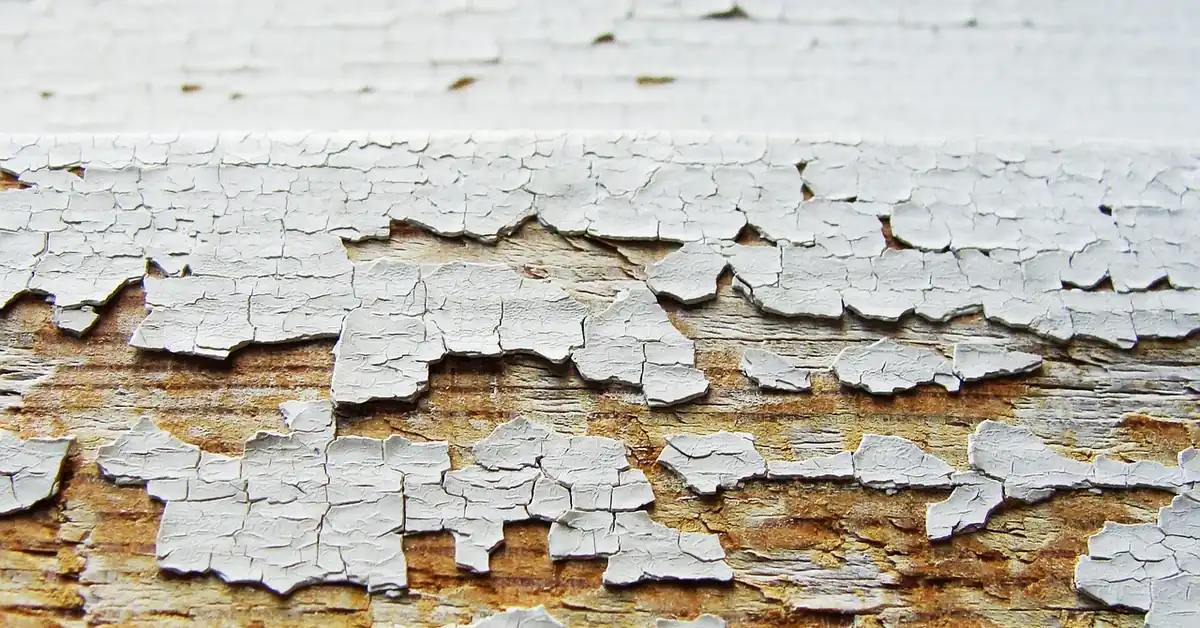
Dried paint lifts off hardwood floors without sanding if you match the removal method to the paint type — latex responds to soap, water, or rubbing alcohol, while oil-based paint usually needs acetone or a solvent stripper. Using the wrong method risks scratching the wood or stripping a wax finish. This guide covers a 10-second paint-type test, six no-sand removal methods, and what to avoid on wax-finished floors.
Quick Answer
Test the paint type first: rub a rubbing-alcohol-dampened cotton ball on the spot — if paint transfers to the cloth, it is latex (use soap and water, then alcohol); if nothing transfers, it is oil-based (use acetone or a solvent stripper). Never use a metal scraper or a heat gun on a wax-finished floor — both can permanently damage the finish.
Is It Latex or Oil-Based Paint? (Do This Test First)
Best Floor-Safe Scraper Pick
Tru-Lamb Floor Scrapers, 5-Pack – $34.99
A long-handle scraper keeps you off your knees and lets you hold a shallower, safer angle than a hand scraper — the same low-angle technique this guide’s plastic-scraper step recommends.
- Best for: Larger dried-paint areas or several spots on the same floor
- Why we picked it: Blades are replaceable and the long handle keeps pressure controlled and even
- Main drawback: Overkill for a single small paint splatter — a hand scraper is cheaper for that
Compare more paint-removal and floor-care options
 Option 1 Plastic Razor Scraper, 6-Pack – $4.99
|
 Option 2 Minwax Hardwood Floor Cleaner – $9.49
|
 Option 3 Bona Hardwood Floor Polish – $20.98
|
As an Amazon Associate we earn from qualifying purchases.
Paint type is a classification based on whether the paint’s binder is water-based (latex/acrylic) or petroleum-based (oil/alkyd), and it determines which removal method actually works. Guessing wrong wastes time and can grind dried paint deeper into the wood grain.
- Dampen a cotton ball with rubbing alcohol.
- Rub it gently on an inconspicuous edge of the dried paint.
- Check the cotton ball: if paint residue transfers onto it, the paint is latex/water-based. If nothing transfers, it is oil-based.
Latex paint stays slightly flexible even after it fully cures, which is why soap, water, and alcohol can still soften and lift it months later. Oil-based paint cures into a hard, plastic-like film that needs a solvent — acetone or a dedicated paint stripper — to break down.
What You Will Need
These same tools and low-abrasion techniques are the foundation of most no-sand hardwood floor care and repair jobs, not just paint removal.
- Plastic putty knife or plastic razor scraper (never metal on a finished floor)
- Warm water and a few drops of mild dish soap
- Rubbing alcohol
- Acetone (for oil-based paint only, in a ventilated room)
- Soft microfiber cloths
- Painter’s tape and a drop cloth to protect the surrounding area
Test a Small Area First
Pick a hidden spot — under a rug or inside a closet — and try your chosen method there before working on visible paint. Check the finish after a minute: if the wood looks dull, cloudy, or the color lifts, stop and try a gentler method instead.
| Method | Best For | Risk to Finish |
|---|---|---|
| Soap and water | Fresh-to-months-old latex paint | Low — keep the cloth damp, not wet |
| Plastic scraper | Raised or flaking paint of either type | Low, if held at a shallow angle |
| Rubbing alcohol | Latex paint that soap and water did not fully lift | Low to moderate on wax finishes — spot test |
| Heat (hair dryer) | Thick, stubborn latex paint | High on wax finishes — can melt the wax |
| Acetone | Oil-based paint | High on wax and some sealed finishes — always spot test |
| Steam | Old, deeply set paint in grain and seams | Moderate — limit dwell time to avoid moisture damage |
6 Ways to Remove Dried Paint Without Sanding
Start with the gentlest method that matches your paint type and work up only if it does not fully lift the paint.
1. Soap and Water (Latex Paint)
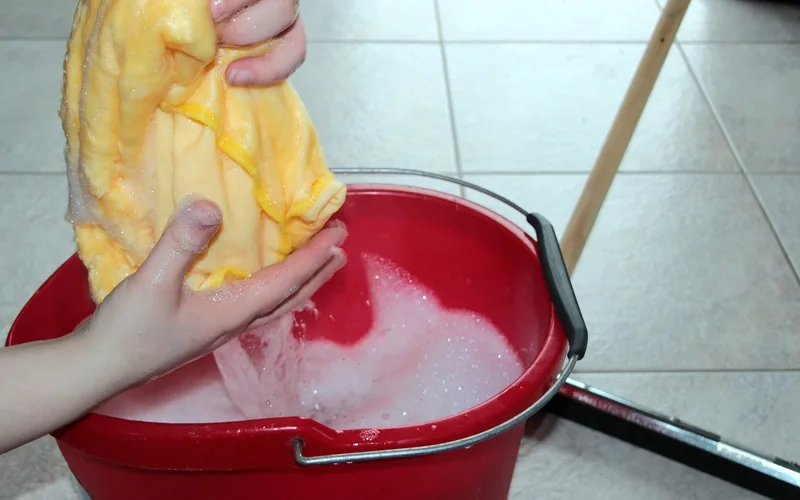
Mix a few drops of dish soap into a bucket of warm water. Dampen a cloth, wring out the excess, and lay it over the dried paint for two to three minutes to soften it. Gently rub in a circular motion, then wipe dry immediately — standing water is what actually damages hardwood, not a few minutes of contact with a damp cloth.
2. Plastic Scraper
Use a plastic putty knife or plastic razor scraper — never metal, which scratches the finish. Hold the blade at a shallow angle, about 30 degrees, and push it gently under the edge of the paint to lift it. This works well after softening the paint with soap and water or rubbing alcohol first.
3. Heat (Hair Dryer)
Set a hair dryer to medium heat and hold it three to four inches from the paint, moving it constantly so no single spot overheats. Once the paint softens, lift it with a plastic scraper. Do not use a heat gun for this — it runs far hotter and can scorch the wood or melt a wax finish in seconds.
📊 Heat guns and chemical strippers are two of the most common ways homeowners accidentally damage a wax-finished hardwood floor while removing paint — heat guns can melt the wax, and chemical removers can strip it entirely. Source: Bruce Hardwood Floors, paint-removal guide
4. Rubbing Alcohol
Dampen a clean cloth with rubbing alcohol — damp, not dripping. Press it onto the dried latex paint for about a minute, then rub gently in small circles. The alcohol breaks down the paint’s flexible binder, and you should see it transfer onto the cloth. Repeat with a fresh section of cloth until the spot is clear.
5. Acetone (Oil-Based Paint)
Acetone is the method for oil-based paint that soap, water, and alcohol will not touch. Work in a ventilated room, dab a small amount onto a cloth (not directly onto the floor), and hold it against the paint for 20-30 seconds before wiping. Always spot-test first — acetone can dull or strip some finishes, especially wax.
6. Steam
For paint that has been dried in for months or years and is set into the wood grain or board seams, a handheld fabric/floor steamer can loosen it without sanding. Hold the steam head over the spot for 10-15 seconds, then scrape immediately with a plastic scraper while it is still warm and soft. Do not let steam sit on the floor longer than necessary — excess moisture can still swell hardwood.
Protect the Finish: What to Avoid
Wax-finished floors are the most delicate. Skip chemical paint strippers and heat guns entirely on a wax finish — stick to soap and water, rubbing alcohol, and a plastic scraper, and always spot-test in a hidden area first. If you are not sure what finish your floor has, treat it as wax-finished until you confirm otherwise. Paint that will not budge without abrasion usually means the finish underneath needs attention too — see our guide to stripping a hardwood floor without sanding for that next step.
“Avoid using chemical removers, as they can strip the wax.”
Finish With a Wood-Safe Cleaner and Polish
Once the paint is gone, wipe the area with a wood-safe hardwood floor cleaner to lift any leftover residue, then dry it immediately with a clean cloth. If the spot looks duller than the rest of the floor, follow with a hardwood floor polish made for unwaxed, unoiled finishes — never mix cleaner and polish products from different brands, since some formulas react with each other and leave a hazy film. For a full routine that keeps the rest of the floor matching, see what to put on hardwood floors to make them shine.
Common Mistakes to Avoid
- Using a metal scraper or putty knife — it scratches the wood and finish even at a shallow angle.
- Soaking the spot with water instead of using a damp cloth — standing water can swell hardwood and cause cupping.
- Using a heat gun instead of a hair dryer — heat guns run hot enough to scorch wood or melt wax finishes.
- Skipping the paint-type test — using acetone on latex paint (or soap and water on oil-based paint) wastes time and can smear the paint further into the grain.
- Not spot-testing on wax or oiled finishes before applying rubbing alcohol or acetone anywhere visible.
If the mark on your floor turns out to be a black stain rather than paint, the removal method is different — see our guide to getting rid of black stains on hardwood floors.
Frequently Asked Questions
How do you tell if dried paint on a hardwood floor is latex or oil-based?
Rub a rubbing-alcohol-dampened cotton ball on the paint. If paint transfers onto the cotton ball, it is latex/water-based. If nothing transfers, it is oil-based and needs acetone or a solvent stripper instead.
How to get old dried paint off hardwood floors?
Gently scrape off dried paint with a plastic scraper held at a shallow angle. Soften stubborn spots first with warm, soapy water or rubbing alcohol for latex paint, or acetone for oil-based paint. Always test a small hidden area first.
How do you remove dried paint from wood without sanding it?
Soften the paint with soap and water, rubbing alcohol, heat, acetone, or steam depending on the paint type and finish, then lift it with a plastic scraper. Clean any residue with a wood-safe cleaner afterward. Sanding is only needed if the paint has soaked into unfinished, bare wood.
Will a Magic Eraser remove paint from hardwood floors?
A melamine sponge (Magic Eraser) can remove light paint residue from hardwood floors, but it is mildly abrasive and can dull a glossy finish with repeated use. Use it gently, on a small area first, and avoid it on wax finishes. For a broader roundup of paint-removal products and techniques, see our full guide to removing paint from hardwood floors.
Does WD-40 remove paint from hardwood floors?
WD-40 can loosen some dried paint, particularly oil-based paint, by penetrating the film, but it leaves an oily residue that needs a wood-safe cleaner to remove afterward. Test a small area first and avoid it on wax or oil finishes.
Conclusion
The fastest path to a clean hardwood floor is matching the method to the paint type: soap, water, and rubbing alcohol for latex; acetone or a solvent stripper for oil-based. Skip metal scrapers and heat guns, spot-test before you commit to a visible area, and finish with a wood-safe cleaner so the spot blends back in.
Sponsored / affiliate links. As an Amazon Associate I earn from qualifying purchases. I may earn additional commission from eligible campaigns.