Cedar Fence Ideas: 4 Styles Compared for Privacy, Wind & Cost
“Cedar fence ideas” searches usually turn up the same wall of picket-fence photos with no real explanation of how one cedar style actually differs from another once it’s standing in your yard. The truth is the style you pick changes more than the look – it changes how much wind load your posts have to fight in a storm, how the wood ages at the joints, and how many board-feet of cedar you’re paying for. This guide breaks down the real differences between the styles cedar handles best, including one detail – how horizontal boards drain water – that most “10 ideas” roundups skip entirely.
Cedar Fence Styles at a Glance: Privacy, Airflow & Maintenance
Every cedar fence style is a trade-off between three things: how much of your yard it screens from view, how much wind it lets pass through, and how much upkeep the joinery needs over time. Here’s how the four most common cedar styles actually compare, not just how they look in a photo.
Board-on-Board
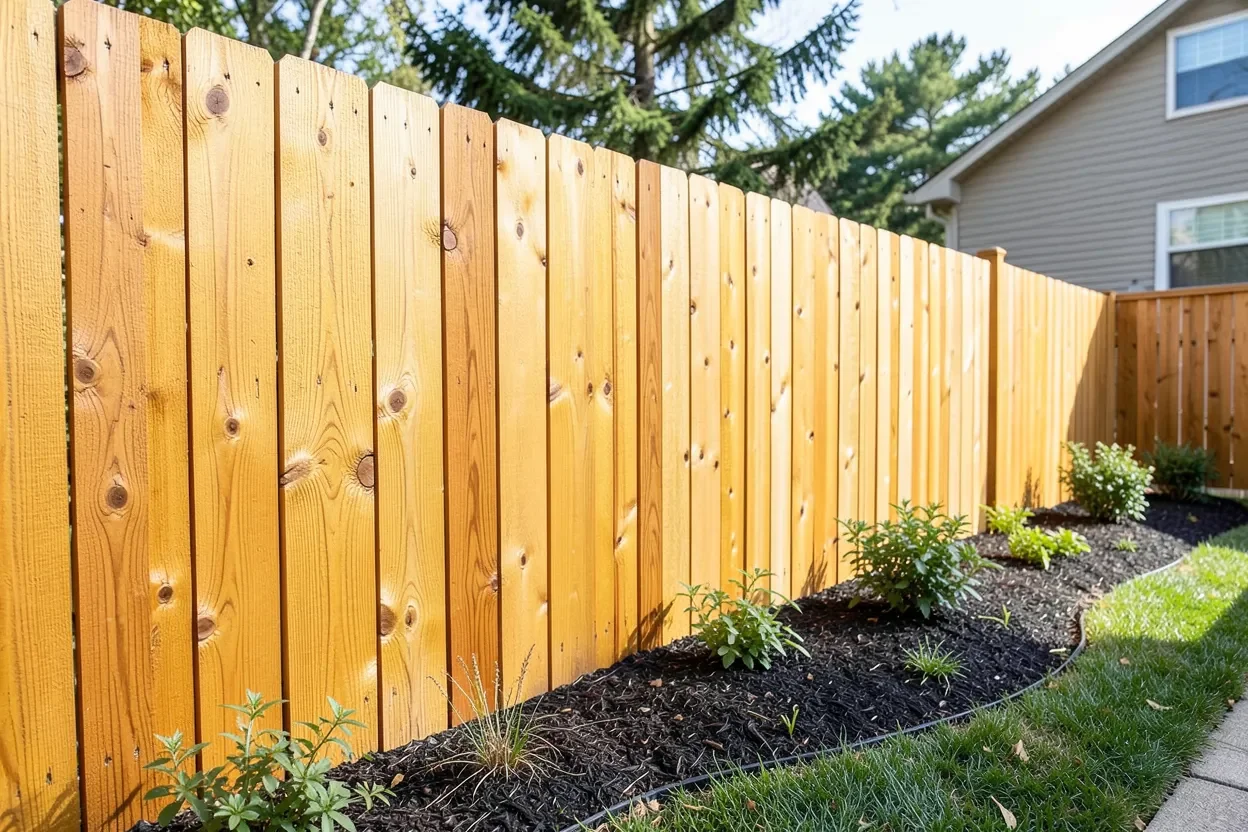
Board-on-board overlaps two layers of vertical cedar boards, staggered so there’s no sightline through the fence from either side – the highest privacy rating of any style here. Because it uses roughly 30–40% more linear footage of cedar than a single-layer fence of the same length, it’s also one of the pricier options. The overlap does double duty structurally, too: it stiffens the panel against racking, which matters in wind (more on that below).
Shadowbox
Shadowbox alternates boards on opposite sides of the same rail, so neighbors on both sides see an identical fence face – a real advantage if you share the fence line and want to avoid the “good side/bad side” argument. It uses a similar board count to board-on-board, but because the boards don’t overlap, there’s a narrow sightline through the gaps at a sharp angle. Privacy is slightly lower than board-on-board; airflow is slightly higher.
Horizontal Slat
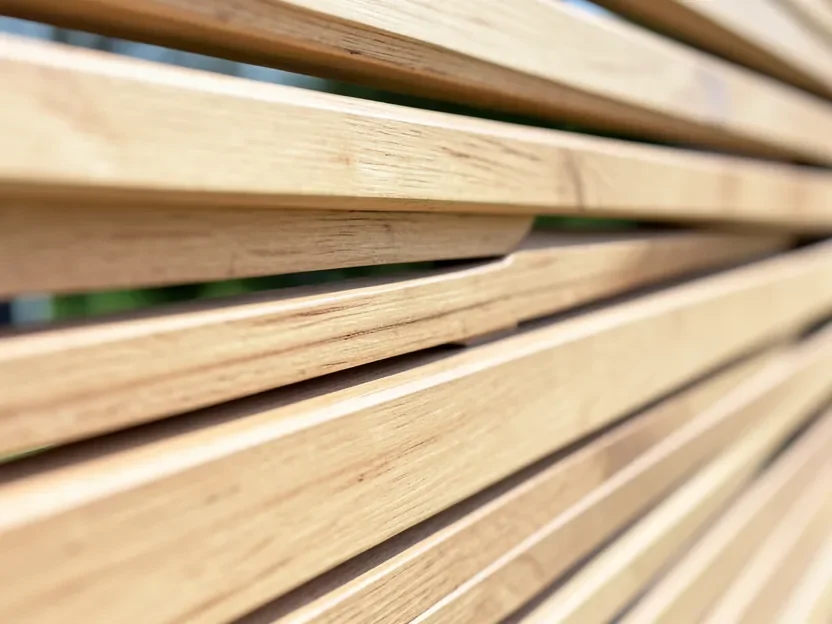
Horizontal fences turn the cedar grain sideways, which shows off the wood’s natural movement and knots far more than a vertical picket ever does – it’s the style most likely to get complimented. But it comes with a construction detail almost nobody mentions: every horizontal board creates a small ledge, and a ledge collects water. If the top edge of each board isn’t given a slight bevel (roughly 5–10 degrees) and the boards aren’t spaced with a consistent gap – typically ¼ to ⅛ inch – water sits at each horizontal joint after rain instead of running off. Cedar heartwood resists rot well, but standing water at a flat joint will still cause premature checking and graying right along that seam, years before the rest of the board shows wear. Ask your installer specifically about beveled top edges and drainage gaps before signing off on a horizontal design.
Lattice-Top
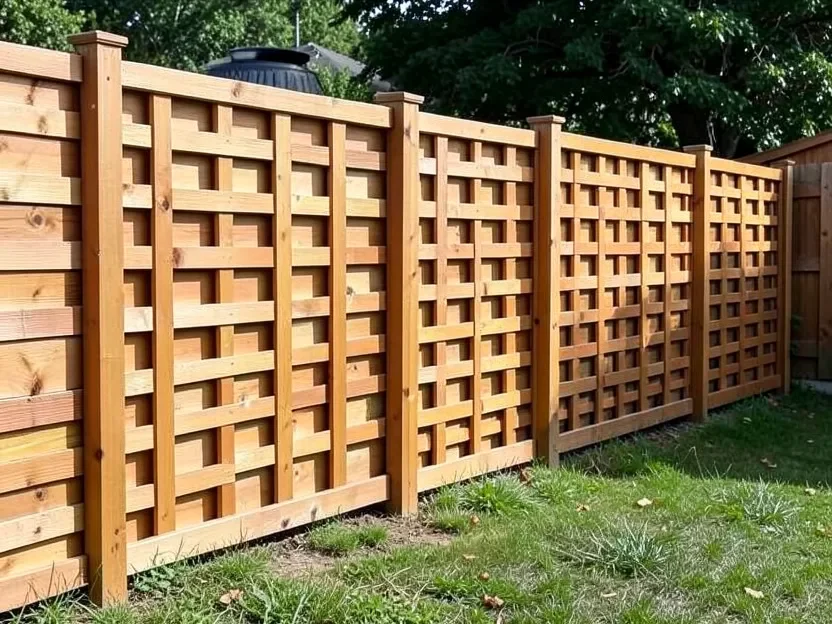
A lattice-top design tops a solid privacy section – usually board-on-board or shadowbox – with a lattice panel for the final 12–18 inches. It’s a good compromise where local fence-height ordinances cap solid privacy fencing but allow open lattice above that line, since many codes measure “solid” height separately from decorative open-weave sections. Check your local code before assuming this trick works everywhere.
BEST CEDAR-RATED STAIN & SEALER
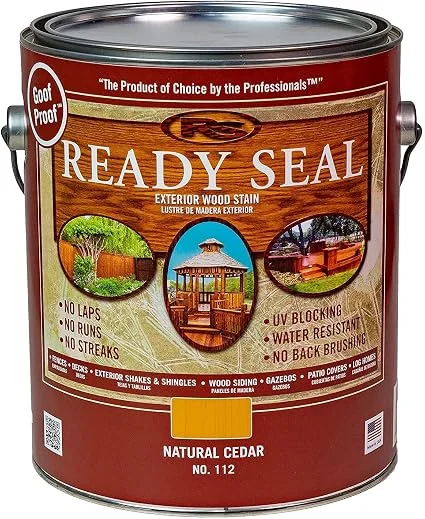 |
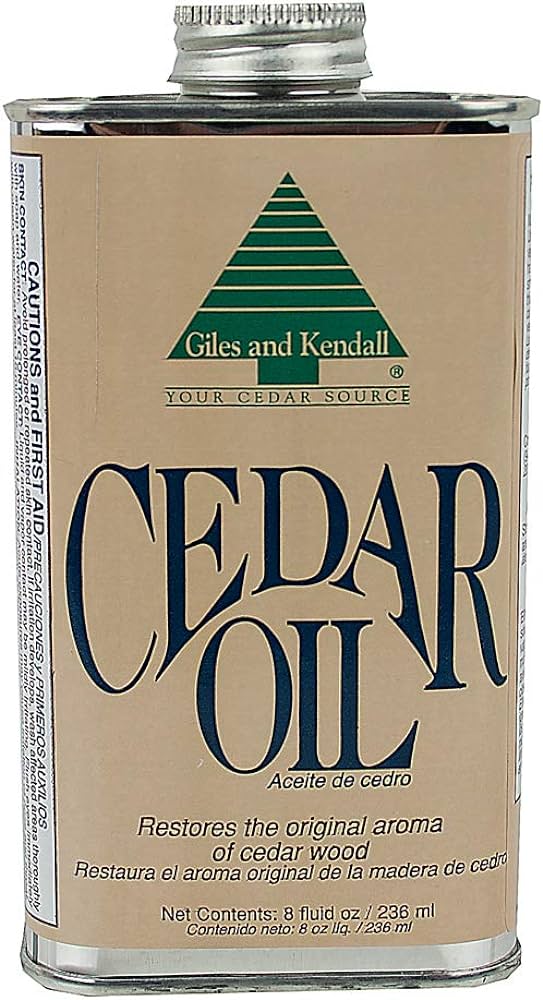
Ready Seal Natural Cedar Stain & Sealer – $44.98 Whichever style you build, the joints and end grain are where a cedar fence actually fails first – this stain-and-sealer combo goes on in one coat with no back-brushing, which matters most on horizontal designs with dozens of exposed board edges.
|
Wind Load: Why Style Changes How a Fence Survives a Storm
A solid privacy fence acts like a sail once wind gets behind it – the entire panel has to transfer that load into the posts and footings, which is why tall solid-board fences are the style most likely to rack, lean, or blow down in a bad storm. Styles that let air pass through – shadowbox’s narrow sightlines, a horizontal design with real drainage gaps, or a lattice-top section – bleed off some of that pressure instead of taking it head-on. That doesn’t mean skip privacy for wind resistance; it means if you’re in a high-wind area, oversize your posts (6×6 instead of 4×4) and set them deeper than the code minimum, especially for a full board-on-board run.
Cost by Style: What Actually Drives the Price
Cedar fence pricing is mostly a function of how many board-feet of lumber a style needs per linear foot, not the style’s complexity to build. Board-on-board and shadowbox sit at the top of the range because they use close to double the boards of a single-layer fence. A single-layer horizontal or vertical picket design costs less simply because it uses less wood, even though horizontal boards are often milled a bit thicker to resist bowing across a wider span. Lattice-top adds a modest premium over a plain solid-fence top – typically a few dollars per linear foot – for the pre-built lattice panel section. Get quotes broken out by material vs. labor separately; on a full board-on-board fence, material can be well over half the total cost, while on a picket fence labor tends to dominate.
Decorative Details That Work With Cedar
Cedar’s grain and color take well to a few finishing touches that plainer woods don’t show off as clearly.
Post Caps and Finials
A cap over each post’s end grain isn’t just decorative – end grain soaks up water far faster than face grain, so it’s the first place a post starts to fail. A simple pyramid or flat cap sheds water off that exposed end and adds a finished look at the same time.
Lattice and Open-Panel Accents
Beyond a full lattice-top run, a single lattice panel worked into an otherwise solid fence line breaks up a long, flat privacy run and adds a spot for climbing plants without committing to an all-lattice design.
Mixing Cedar With Metal or Stone
Metal post sleeves or stone/brick pillars at intervals along a cedar run add contrast and, in the case of metal posts, remove the single biggest cause of fence failure – a wood post rotting at the ground line. If you’re weighing that trade-off, our guide to building a wood fence on metal posts covers how to mix the two.
Installation Basics: Height, Spacing & Ground Prep
Regardless of style, most residential cedar fences run 6 feet for full privacy or 3–4 feet for a decorative boundary fence, with posts set every 6–8 feet. Use our fence post spacing calculator to work out exact post counts and spacing for your run before you order lumber. Post holes should go roughly one-third of the post’s total length into the ground, below your local frost line, and a few inches of gravel under each post improves drainage so the buried end isn’t sitting in standing water.
Picking Between Styles for Your Yard
If you share a fence line with a neighbor and don’t want a dispute over which side looks “finished,” shadowbox is the easiest sell since both sides see the same face. If the fence backs onto a busy street or an HOA has strict privacy requirements, board-on-board is worth the extra material cost. For a front yard or a spot where you want the fence to be part of the landscaping rather than hide it, horizontal slat with proper drainage gaps gets you the most compliments per dollar – just don’t let a contractor skip the beveled top edge to save time. And in a high-wind region, weigh airflow into the decision alongside looks: a gapped style paired with oversized posts will usually outlast a taller solid panel on undersized posts through the same storm.
Frequently Asked Questions
What Are The Best Cedar Fence Styles For Privacy?
Board-on-board gives the most privacy because its overlapping boards leave no direct sightline through the fence. Shadowbox is a close second, with a narrow angled sightline only.
Does A Horizontal Cedar Fence Need Special Maintenance?
Yes – check that the top edge of each board is beveled and boards have a consistent drainage gap. Without that detail, water pools at each horizontal joint and causes premature checking right along the seam.
Which Cedar Fence Style Handles Wind Best?
Styles that let air pass through, like shadowbox or a properly gapped horizontal design, put less load on posts in high winds than a fully solid privacy panel, which can act like a sail.
How Much More Does Board-On-Board Cost Than A Single-Layer Fence?
Board-on-board typically uses 30 to 40 percent more linear footage of cedar than a single-layer style of the same length, since it doubles up boards for full privacy.
Related Reading
If you’re comparing species as well as style, our wood fence designs guide compares ten styles across all common fence woods by cost and privacy, not just cedar. Weighing cedar against pressure-treated lumber first? See cedar vs. pressure treated wood fence, and for a fuller rundown of trade-offs, pros and cons of a cedar fence.
Sponsored / affiliate links. As an Amazon Associate I earn from qualifying purchases. I may earn additional commission from eligible campaigns.