The Cost to Add a Wood-Burning Fireplace: A Comprehensive Guide for Homeowners
Hey there! If you’re dreaming of cozy evenings by a crackling fire, you’re not alone. There’s something magical about a wood-burning fireplace that turns a house into a home. The warm glow, the soft pops of burning logs, and that unmistakable smoky scent—it’s hard to resist. But before you dive into this home upgrade, you’re probably wondering, “What’s the cost to add a wood-burning fireplace?” I’ve been down this road myself, researching every detail to make my own fireplace dreams come true. Let me walk you through everything I’ve learned, from costs to considerations, so you can make an informed decision. Whether you’re a budget-conscious DIYer or ready to splurge on a custom masonry masterpiece, I’ve got you covered.
Adding a wood-burning fireplace is a big project, but it’s also an investment in comfort and home value. The costs can vary widely based on your home, your preferences, and where you live in the USA. In this article, I’ll break down the expenses, explore different types of fireplaces, and share practical tips to help you plan. Let’s get started!
Why a Wood-Burning Fireplace?
I’ll admit, when I first thought about adding a fireplace, I wasn’t sure if wood-burning was the way to go. There are gas and electric options, after all. But the more I researched, the more I fell in love with the authenticity of a wood-burning fireplace. It’s not just about heat—it’s about the experience. The sound of logs crackling, the smell of woodsmoke, and the rustic charm of a real fire can’t be replicated. Plus, a wood-burning fireplace can add significant value to your home, sometimes increasing its resale price by up to 14%.
But let’s be real: wood-burning fireplaces come with some trade-offs. They require more maintenance than gas or electric models, and you’ll need a steady supply of firewood. If you live in a rural area with plenty of trees, this might not be a big deal. For city folks like me, it means planning ahead to source quality firewood. Still, for many homeowners, the ambiance and tradition of a wood-burning fireplace make it worth the effort.
Types of Wood-Burning Fireplaces
Before we talk dollars and cents, let’s look at the types of wood-burning fireplaces you can choose from. Each has its own price tag and installation requirements, so understanding your options is key.
Traditional Masonry Fireplaces
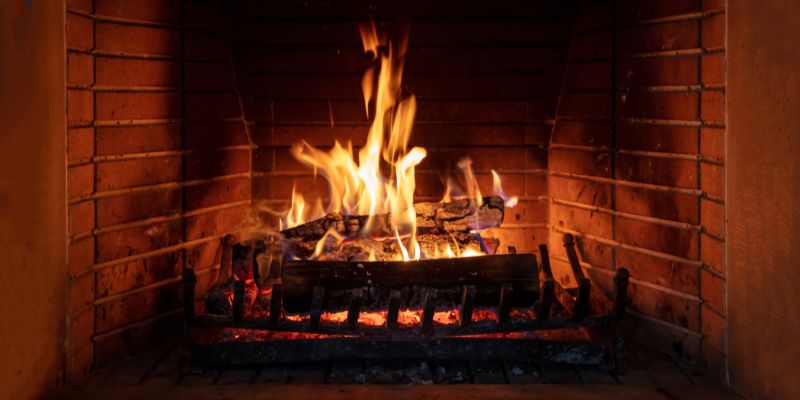
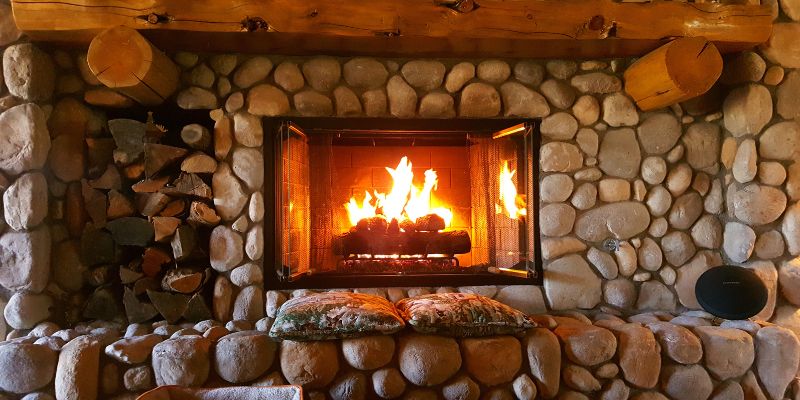
When I picture a classic fireplace, I see a masonry one—think brick or stone, built from the ground up with a sturdy chimney. These fireplaces are stunning and often become the centerpiece of a room. They’re custom-built, which means you can tailor the design to match your home’s style, whether it’s rustic, modern, or something in between.
But here’s the catch: masonry fireplaces are labor-intensive. A skilled mason stacks each brick or stone by hand, and the chimney needs to be carefully constructed to meet safety codes. If your home doesn’t already have a chimney, you’ll need to add one, which bumps up the cost. These fireplaces also require a foundation to support their weight, especially in older homes or two-story houses.
Prefabricated (Zero-Clearance) Fireplaces
When I learned about prefabricated fireplaces, I was intrigued. Also called zero-clearance fireplaces, these are pre-built metal units designed to be installed with minimal clearance from combustible materials like walls or floors. They’re perfect for homes without an existing chimney or for folks who want a simpler installation process.
Zero-clearance fireplaces come with a firebox, insulation, and a lightweight chimney system. They’re often more affordable than masonry fireplaces and easier to install, especially in newer homes or remodels. You can still customize the surround with brick, tile, or stone to get that traditional look, but the core unit is factory-made, which keeps costs down.
Wood-Burning Fireplace Inserts
If you already have a fireplace but it’s outdated or inefficient, a wood-burning fireplace insert might be your best bet. I considered this option for my home because it’s a great way to upgrade an existing masonry fireplace without starting from scratch. Inserts are essentially metal fireboxes that slide into your existing fireplace, complete with insulation and a flue system. They’re more efficient than open-hearth fireplaces, meaning you get more heat from less wood.
Inserts are also a good choice if you want to keep costs low while still enjoying the charm of a wood fire. However, you’ll need an existing chimney or a compatible flue system, and professional installation is a must to ensure safety.
Breaking Down the Costs
Now, let’s get to the heart of the matter: how much does it cost to add a wood-burning fireplace? I spent hours researching this, talking to contractors, and comparing quotes. The truth is, the price can range from $1,500 to $30,000 or more, depending on several factors. Here’s a detailed breakdown to give you a clearer picture.
Cost Factors
When I started budgeting for my fireplace, I quickly realized that costs depend on a few key variables:
- Type of Fireplace: Masonry fireplaces are the most expensive, followed by prefabricated units and inserts.
- Chimney Requirements: If your home doesn’t have a chimney, you’ll need to build one, which can add thousands to the project.
- Materials: Brick, stone, or granite surrounds can drive up costs, while simpler drywall or tile surrounds are more budget-friendly.
- Labor: Skilled masons and contractors charge more, especially in high-cost areas like California or New York.
- Location: Where you install the fireplace (e.g., an exterior wall vs. an interior corner) affects structural work and costs.
- Permits and Codes: Local building codes may require inspections, permits, or modifications, adding to the total.
Cost Estimates by Fireplace Type
To make things easier, I’ve put together a table with average costs for different types of wood-burning fireplaces in the USA. These figures include materials, labor, and basic installation but can vary based on your location and specific project.
| Fireplace Type | Average Cost Range | Notes |
|---|---|---|
| Traditional Masonry | $7,000 – $30,000+ | Includes brick/stone firebox, chimney, and foundation. High-end for custom designs. |
| Prefabricated (Zero-Clearance) | $1,500 – $14,000 | Includes unit, basic chimney, and installation. Surrounds add to the cost. |
| Wood-Burning Insert | $1,200 – $4,500 | Requires existing fireplace and chimney. Lower cost for efficiency upgrades. |
Additional Costs to Consider
When I planned my fireplace, I was surprised by some hidden costs. Here’s what to watch out for:
- Chimney Installation: If your home needs a new chimney, expect to pay $3,100 to $14,500, depending on height and materials.
- Permits and Inspections: Most areas require permits ($100-$500) and inspections ($100-$500) to ensure safety and code compliance.
- Surround and Mantel: A custom stone surround or ornate mantel can add $500 to $5,000 or more.
- Foundation Work: Masonry fireplaces may need a reinforced foundation, costing $1,000-$5,000.
- Maintenance: Annual chimney cleaning costs $100-$200, and inspections run $100-$500.
- Firewood: Depending on your area, a cord of firewood costs $150-$400 per season.
Regional Cost Variations
Where you live in the USA can make a big difference. When I got quotes, I noticed prices were higher in urban areas like New York City or San Francisco due to labor rates and stricter building codes. In rural areas or the Midwest, costs tend to be lower. For example, a masonry fireplace in South Jersey might cost $8,000-$15,000, while the same project in California could easily hit $20,000 or more.
Installation Process: What to Expect
When I decided to move forward with my fireplace, I wanted to know exactly what the installation process would look like. Here’s a step-by-step guide based on my experience and conversations with contractors.
Step 1: Planning and Design
First, you’ll need to decide where the fireplace will go. I chose an exterior wall in my living room for that classic look, but interior corners or even a spare closet can work in two-story homes. A contractor will assess your home’s structure to ensure it can support the fireplace and chimney. This is also when you’ll pick your design—brick, stone, or a sleek modern surround.
Step 2: Permits and Approvals
Before any work begins, you’ll need permits. I learned the hard way that skipping this step can lead to costly fines. Your contractor will handle this, but make sure they’re familiar with local codes. Some cities, like New York City, ban wood-burning fireplaces altogether, so check with your local building department.
Step 3: Structural Prep
For a masonry fireplace, the contractor may need to reinforce the floor or build a foundation. For zero-clearance units, this step is simpler, as they’re designed to fit into existing walls. If a chimney is needed, the crew will frame and install it, ensuring proper insulation and venting.
Step 4: Fireplace Installation
This is where the magic happens. For a masonry fireplace, masons will build the firebox and chimney brick by brick. For a prefabricated unit or insert, the contractor will install the metal firebox and connect it to the flue. I was amazed at how quickly a zero-clearance fireplace went in compared to the weeks it took for a masonry one.
Step 5: Finishing Touches
Once the fireplace is in, it’s time to add the surround, mantel, and hearth. I went with a simple tile surround to keep costs down, but you can splurge on granite or custom stonework for a luxurious look. The contractor will also test the fireplace to ensure it’s safe and functional.
Step 6: Inspection
A final inspection ensures everything meets code. This step is critical for safety, especially with wood-burning fireplaces, which can pose fire risks if not installed correctly.
Pros and Cons of a Wood-Burning Fireplace
When I was weighing my options, I made a pros-and-cons list to help me decide. Here’s what I came up with:
Pros
- Authentic Ambiance: Nothing beats the crackle and smell of a real wood fire.
- Home Value: A well-designed fireplace can boost your home’s resale value.
- Energy Independence: If you have access to firewood, you can heat your home without relying on electricity or gas.
- Customizable: From rustic brick to sleek stone, you can design a fireplace that matches your style.
Cons
- High Maintenance: Chimney cleaning, ash removal, and inspections are ongoing tasks.
- Costly Installation: Especially for masonry fireplaces or homes without existing chimneys.
- Environmental Impact: Wood smoke can contribute to air pollution, and some areas have burn bans.
- Firewood Costs: If you don’t have a free source, buying firewood adds up.
Tips for Saving Money
I’m all about getting the most bang for my buck, so I looked for ways to keep costs down without sacrificing quality. Here are my top tips:
- Choose a Prefabricated Fireplace: Zero-clearance units are cheaper and easier to install than masonry fireplaces.
- Use an Existing Chimney: If your home has a chimney, consider an insert to avoid new construction costs.
- Simplify the Surround: Opt for tile or drywall instead of expensive stone or granite.
- Get Multiple Quotes: I got three quotes from contractors, and the prices varied by thousands. Shop around!
- Plan During Construction: If you’re building a new home, installing a fireplace during construction is cheaper than retrofitting.
- Check for Rebates: Some areas offer rebates for energy-efficient fireplaces, so ask your contractor or local utility.
Safety and Maintenance
One thing I learned quickly is that wood-burning fireplaces require regular upkeep to stay safe. Here’s what you need to know:
- Chimney Cleaning: Have your chimney swept annually to prevent creosote buildup, which can cause fires. This costs $100-$200.
- Inspections: Regular inspections ($100-$500) ensure your fireplace and chimney are in good shape.
- Fire Safety: Install smoke and carbon monoxide detectors near the fireplace. Keep a fire extinguisher handy, and never leave a fire unattended.
- Proper Wood: Use seasoned, dry firewood to reduce smoke and creosote. Wet or green wood can cause problems.
I also learned that some areas have strict regulations about wood-burning fireplaces due to air quality concerns. For example, parts of Colorado and California limit when you can use your fireplace. Check with your local environmental agency to avoid surprises.
Is It Worth It?
After all my research and number-crunching, I can say that adding a wood-burning fireplace was one of the best decisions I made for my home. Yes, it’s a big investment, and the maintenance takes effort, but the cozy nights by the fire are priceless. Whether you’re roasting marshmallows with the kids or curling up with a book, a fireplace creates memories that last a lifetime. Plus, it’s a feature that makes your home stand out to buyers if you ever decide to sell.
If you’re on the fence, think about what matters most to you. If you love the idea of a traditional fire and don’t mind the upkeep, a wood-burning fireplace could be perfect. If you want something low-maintenance, you might consider a gas or electric model instead. Whatever you choose, do your homework, get quotes, and hire a professional to ensure it’s done right.
FAQs
Can I Install a Wood-Burning Fireplace in an Existing Home?
Yes, you can! I looked into this for my own home. You’ll need a professional to assess your space, especially if there’s no existing chimney. Expect higher costs for retrofitting, as you may need structural changes or a new chimney.
How Much Does It Cost to Maintain a Wood-Burning Fireplace?
Maintenance costs vary, but I budget $200-$700 per year. This includes annual chimney cleaning ($100-$200), inspections ($100-$500), and firewood ($150-$400 per cord). Regular upkeep keeps your fireplace safe and efficient.
Are Wood-Burning Fireplaces Energy-Efficient?
Not as much as gas or electric fireplaces. I found that open-hearth wood fireplaces lose some heat up the chimney, but inserts are more efficient, directing more heat into the room. If efficiency is your goal, consider an EPA-certified insert.
Do Wood-Burning Fireplaces Increase Home Value?
Absolutely! My research showed that a well-designed fireplace can boost your home’s value by up to 14%. Buyers love the charm and ambiance, especially in colder climates.
Can I Install a Wood-Burning Fireplace Myself?
I wouldn’t recommend it. Safety risks like improper venting or structural issues are too high. I hired a professional to ensure my fireplace met building codes and was safe to use.